

Construction Health and Safety in Benoni
Site supervision, PPE, access control, OHS responsibilities, and risk checks to compare
In short
The health and safety questions to ask before building work starts at your Benoni home – liability, PPE, supervision and when OHS rules apply.
21 min read
On this page
Curious: will your next renovation protect people as well as your property?
Start by asking whether a contractor follows the Occupational Health and Safety Act No 85 of 1993. That law governs building activity across South Africa and sets clear construction safety standards in Benoni, with duties for every party on site.
When you plan work, check that tradespeople manage risks and show proof of training and permits. Our platform helps you compare contractors, confirm health checks, and request written quotes that list materials, labour, approvals and timelines.
Prioritise questions on risk control, site supervision and emergency procedures. By asking the right things, you verify that the chosen team treats health and safety as a constant, not an afterthought.
Key takeaways: 1) Verify legal compliance under the Act. 2) Ask for documented health safety measures. 3) Use our platform to request up to three quotes and connect with independent professionals.
Understanding Construction Safety Standards Benoni
Ensure the client supplies written health and hazard specifications before any physical work starts.
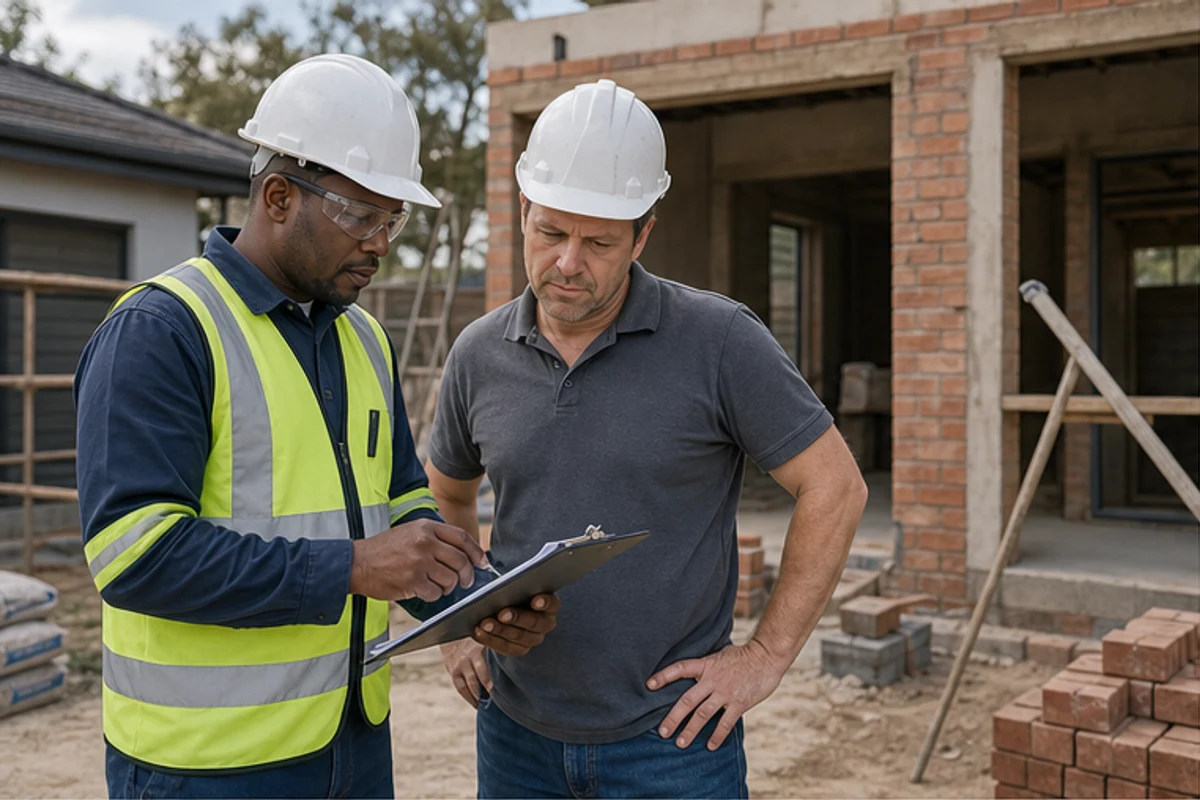
Construction Regulation 5(1)(b) of 2014 requires a client to prepare health and safety specifications for proposed projects. This legal duty sets the baseline for occupational health safety and helps you check contractor suitability.
Use the platform to find contractors who know local occupational health protocols for residential work. Ask for evidence of training and written plans that show how they will manage health safety on site.
- Confirm the principal contractor accepts responsibility for on-site standards and compliance with national regulations.
- Check experience in managing occupational health risks and hazard identification before work begins.
- Choose a contractor who prioritises health to reduce delays and protect your investment.
| Requirement | Who provides it | Why it matters |
|---|---|---|
| Health & hazard specification | Client (per regulation) | Sets clear occupational health safety expectations |
| Contractor training records | Contractor | Shows ability to manage health risks during work |
| Site compliance plan | Principal contractor | Demonstrates ongoing compliance with regulations |
The Role of the Occupational Health and Safety Act
The Occupational Health and Safety Act No 85 of 1993 is the primary law that protects workers in South Africa and sets the baseline for any construction project.
Legal frameworks
This Act establishes obligations for employers, clients and principal parties. It informs the regulations you must check before any work starts. The Department of Employment and Labour enforces these rules and can inspect a site or require corrective actions.
Employer obligations
Employers must provide a safe workplace and implement robust occupational health safety measures for employees. That includes training, hazard control, and documented plans that reduce risk to every person on site.
Use the platform to guide your checks on the health safety act. Confirm contractors show compliance with the Act 1993 and current regulations. A compliant contractor demonstrates care for workers and the wider environment, and you can read more about the platform and its checks.
| Requirement | Responsible party | Purpose |
|---|---|---|
| Health & hazard plans | Client / Employer | Define site expectations and controls |
| Training records | Employer | Prove employee competence for work |
| Compliance inspections | Department of Employment and Labour | Ensure adherence to the health safety act |
Defining the Principal Contractor Responsibilities
A principal contractor carries legal responsibility for coordinating work and protecting people on site.
This person must be a competent person who manages all physical processes and coordinates resources during a project.
Under the health safety act the principal contractor must ensure employees are trained and that work follows legal requirements.
Ask for written proof of training, a clear plan for occupational health safety and evidence of relevant experience for similar projects.
- Confirm the appointed competent person will oversee occupational health and compliance with regulations.
- Request a site management plan that covers employees, subcontractors and daily controls.
- Use the platform to compare contractors who understand their duties under the safety act and local regulations.
| Responsibility | Who provides it | Why it matters |
|---|---|---|
| Site health safety plan | Principal contractor | Defines controls and reduces risk to every person on site |
| Training records for employees | Principal contractor / employer | Shows competence to carry out work safely |
| Compliance with occupational health safety regulations | Principal contractor | Demonstrates ongoing legal compliance under the health safety act |
Essential Safety Documentation for Your Project
Start with the documents — not assumptions. Demand access to the Health and Safety File before any physical work begins on your property. That file is a mandatory record under the Construction Regulations 2014 and must list how risks are managed.
The Health and Safety File
The file must be kept on site and be accessible to every relevant person. The health safety act requires this. Ask to see it and check dates, responsible names and current documents.
The file should include risk assessments, method statements, and records of training for all work. It also shows how occupational health safety is being implemented for employees and subcontractors.
- Request proof that the file exists and is up to date.
- Confirm it shows compliance with the health safety act and related regulations.
- Use our platform to request documentation when you ask for quotes.
A well‑maintained file tells you the contractor is a competent person who treats occupational health seriously. By reviewing the documents you gain confidence that the required controls are in place to protect every person on site. See our explainer on construction safety files for what a complete file contains.
Evaluating Contractor Competence and Training
Ask for proof that a competent person will lead the project. A competent person has the knowledge, training, experience and qualifications needed for the work. Request written confirmation of their role and contact details.
Check training records for all employees. Ask the contractor to supply certificates that show recent training and relevant occupational health qualifications. This helps you verify employee competence on site.
- Confirm whether a dedicated safety officer is planned for larger projects.
- Verify the contractor’s structured approach to ongoing training and refresher courses.
- Ensure each person understands risks and how to control them during work.
Choose contractors who invest in training. Teams that record training, toolbox talks and induction sessions manage occupational health more effectively. That lowers risk for every person on site and improves workplace performance. These competence checks form part of how we vet contractors.
| Document | Who provides it | Why it matters |
|---|---|---|
| Competent person appointment | Contractor | Shows who is in charge of occupational health plans |
| Employee training records | Contractor / Employer | Proves staff are qualified for their specific tasks |
| Safety officer assignment (if required) | Contractor | Ensures oversight of health and operational controls |
Conducting a Site Specific Risk Assessment
Begin any project by commissioning a site specific risk assessment that maps hazards before work starts.
A risk assessment is a program to determine risks linked to a hazard and to set steps to remove or control it. This document must identify hazards and list controls for every activity on site.
Use our platform to request the assessment and to understand why these records matter for occupational health safety. Ask for the draft before trades arrive so you can review controls for employees and every person who will be on site.
- Confirm the contractor explains how they will identify hazards and implement control measures.
- Ask for clear steps, equipment needs and who is responsible for each control.
- Check that the assessment shows how risks will be monitored and reviewed during work.
Proper risk assessments support occupational health by preventing accidents and keeping the project on track. They are a legal requirement and a practical tool to protect health and the people involved.
| Item | Why it matters | Who provides it |
|---|---|---|
| Site specific risk assessment | Identifies hazards and control measures | Contractor (on request) |
| Monitoring plan | Ensures controls remain effective during work | Principal contractor / competent person |
| Record of controls | Shows actions taken to protect employees and persons | Contractor |
Managing Hazards in Occupied Home Renovations
Occupied homes need clear plans to control dust, limit access and protect residents while work proceeds. Start with a site-specific risk assessment that lists hazards and shows how each will be managed.
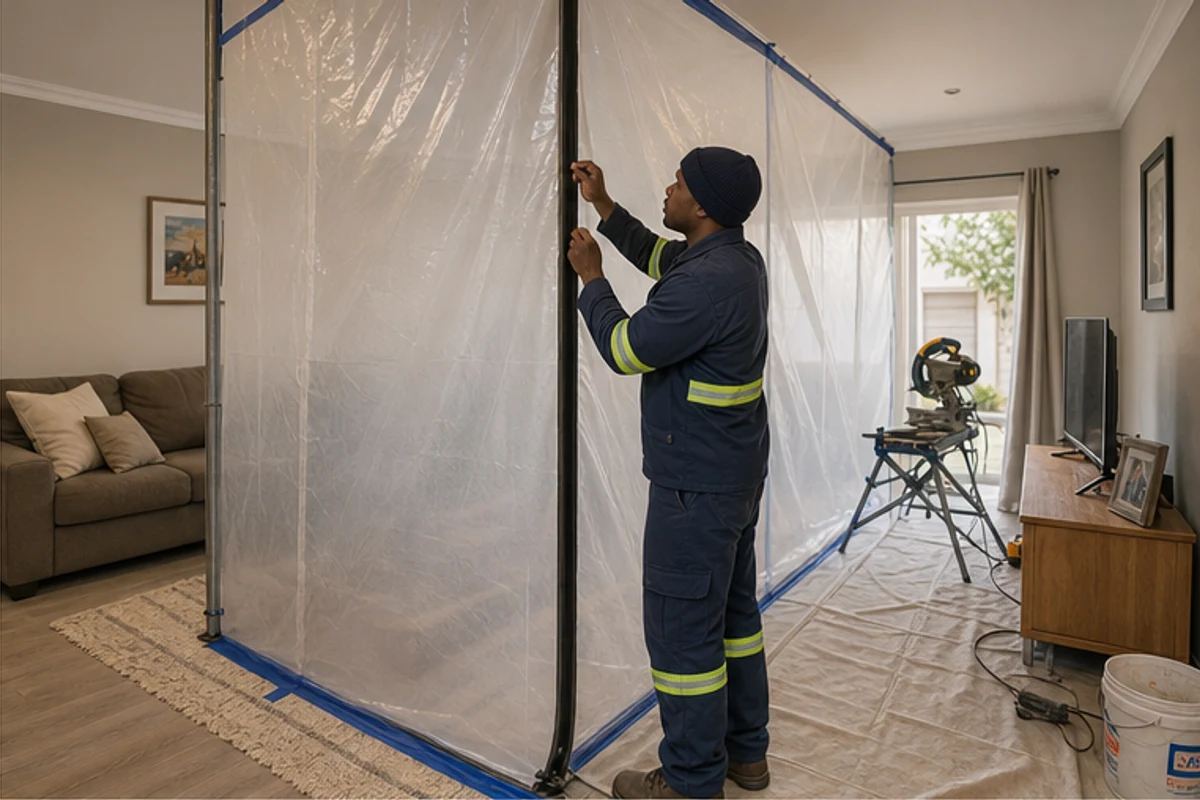
Dust Control Measures
Ask contractors to explain dust control methods before work begins. Effective measures include sealed work zones, negative‑pressure units and regular cleaning schedules.
Confirm in writing where dust will travel, how vents will be protected and how often air monitoring or cleaning will occur.
Site Security
Protect family members and pets by limiting access and marking danger zones. Temporary barriers, signage and locked tool storage reduce the chance of trips, falls or theft.
“A clear plan for barriers and emergency equipment reduces risk and keeps daily life running.”
- Insist on a documented risk assessment that identifies fire risks, falling debris and other hazards to every person on site.
- Check that fire equipment and basic first‑aid measures will be available and tested daily.
- Discuss how contractors will keep the workplace clean and secure around children, elderly residents and pets.
Plan ahead and include these measures in your brief when you request quotes. Doing so protects health, reduces disruption and helps trades work more efficiently in an occupied home.
Protecting Pets and Family During Construction
Agree clear access rules with your contractor before trades arrive. This protects your family and pets and keeps the work organised.
Put boundaries in writing. Note which rooms, doors and routes are off limits and how daily access will be managed. Clear signage helps everyone follow the plan.
Ask how the contractor will manage dust, noise and chemicals so no person is exposed unnecessarily. Request a simple daily brief for occupants when work is active.
Keep pets in a secure area away from the work zone. Label pet doors, hide food and store medicines where trades cannot reach them.
- Confirm who will supervise site access for visitors and delivery drivers.
- Request written instructions on where employees may park and store tools.
- Insist on visible signage and locked storage for hazardous items.
“Good communication and clear boundaries protect health and let trades work efficiently.”
Use our platform to ask contractors for these measures in your quote. A professional approach reduces risk, protects household health and keeps the project on track.
The Importance of Personal Protective Equipment
Make personal protective equipment a non‑negotiable part of any site plan before work starts. Personal protective equipment protects employees and every person who visits the area.
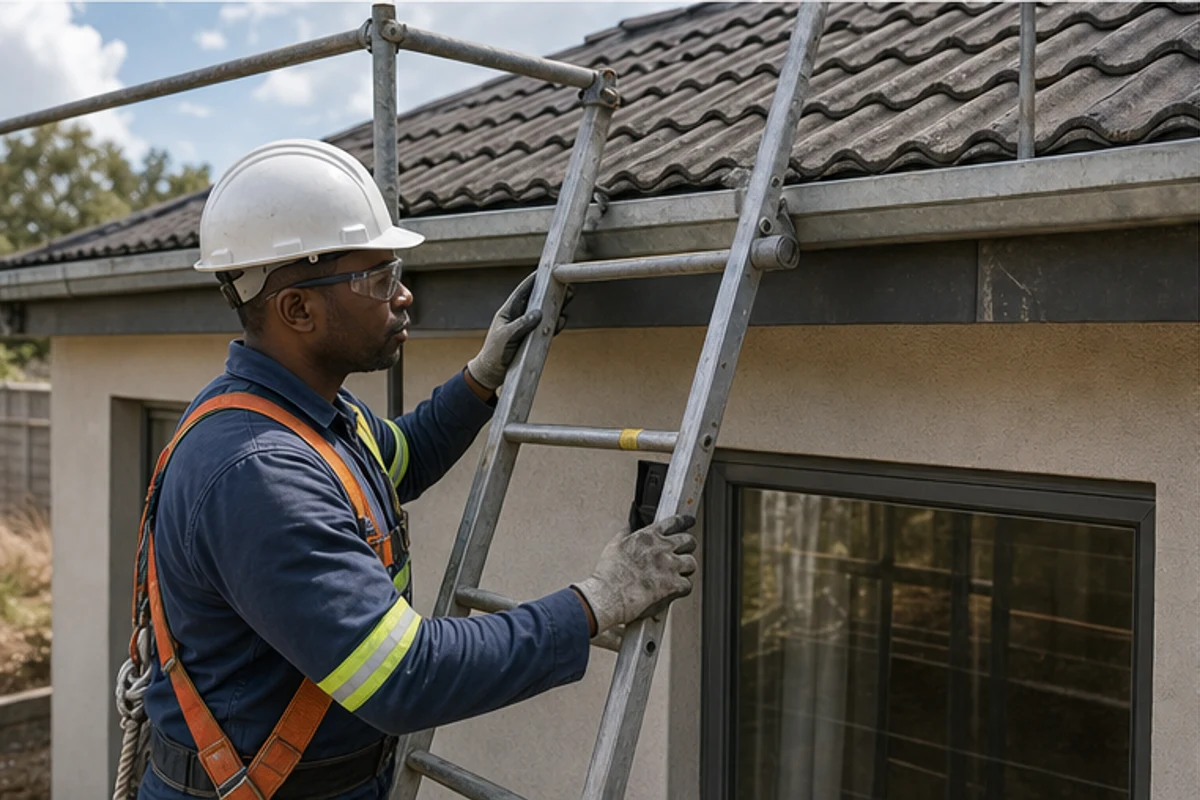
Ask your contractor to supply and enforce the correct gear. That includes helmets, steel‑toed boots, high‑visibility vests and suitable eye and hearing protection.
“Proper protective equipment is the simplest, most effective way to reduce on‑site accidents and harm.”
Verify in writing that the contractor has a clear policy for issuing, maintaining and replacing equipment. Check records for regular inspections and a replacement schedule.
- Confirm that necessary personal protective items are provided to all employees.
- Ask how equipment will be cleaned and stored to remain effective.
- Request proof of training so everyone uses equipment correctly.
Personal protective equipment forms part of legal health safety measures for any building project. Use our platform to request this information with your quote and to compare responses from local contractors in Benoni and nearby suburbs.
| Item | Provided by | Why it matters |
|---|---|---|
| Helmets | Contractor | Protect against falling objects and head injuries |
| Safety boots | Contractor | Protect feet from crushing, punctures and slips |
| Eye & ear protection | Contractor | Prevent long‑term harm from debris and noise |
| Maintenance policy | Contractor / Principal | Ensures equipment remains effective and replaces worn items |
Understanding Liability and Insurance Requirements
Always ask for proof of insurance that specifically covers liabilities from on‑site incidents and employee injury.
The health safety act places clear responsibility on the principal contractor to manage risk and protect every person on site.
Confirm policies that cover third‑party claims, employer liability and damage to property. Ask for certificates that show cover dates and policy limits.
- Verify the insurer name, policy number and effective dates.
- Ensure the policy mentions health safety for employees and the public.
- Check for cover that applies to the specific construction work and equipment used.
Proof of insurance signals a professional contractor who understands legal duties and reduces financial risk for you. Use our platform to request insurer details when you ask for quotes.
| Requirement | What to check | Why it matters |
|---|---|---|
| Employer liability cover | Policy copy, insurer contact | Protects employees and reduces your exposure to claims |
| Public / third‑party cover | Clear wording on accidental damage | Covers loss or injury to any person or neighbour |
| Project‑specific endorsement | Notes construction type and equipment | Ensures cover applies to the actual work and reduces insurance gaps |
Monitoring Site Supervision and Safety Compliance
Regular oversight by a competent person prevents small hazards from becoming major incidents.
The competent person named in the brief must oversee daily work and confirm ongoing health safety compliance.
Ask the contractor to confirm who will act as the competent person and supply contact details. That person should monitor employees, training, and use of equipment on site.
Consider asking for a dedicated safety officer on larger jobs. An officer performs daily checks, enforces procedures and records any non‑compliance for prompt correction.
- Arrange regular site visits yourself or request photographic reports if you cannot attend.
- Use simple checklists to confirm that controls are in place and that hazards are managed.
- Record any concerns in writing and ask for a clear corrective plan with dates.
“Staying involved and monitoring the project helps ensure the contractor remains committed to the health of every person on site.”
Active supervision reduces risk, keeps the workplace orderly and shows you the contractor takes health seriously. Use our platform to request confirmation of supervision and to compare responses when you ask for quotes.
Implementing a Basic Safety Checklist
A short, focused checklist helps you confirm a contractor keeps health controls in place each day.
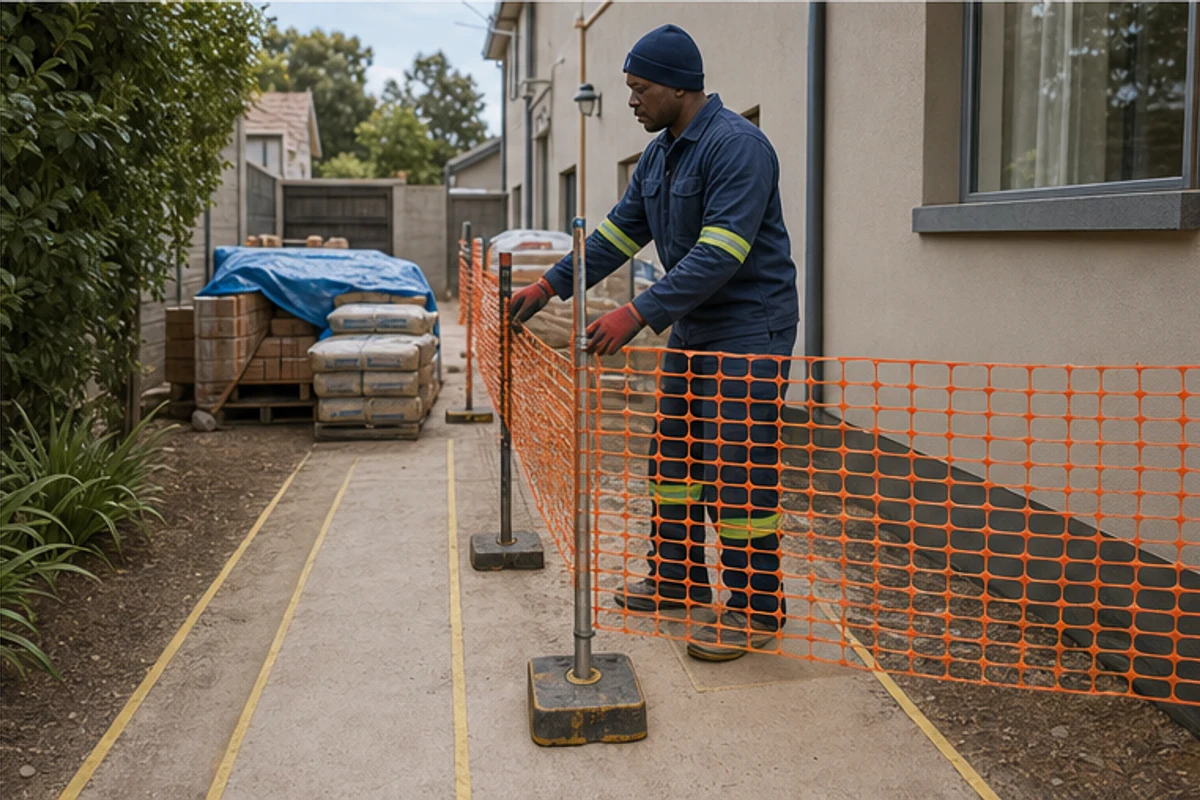
Use six clear checks to assess whether the appointed competent person follows occupational health safety guidance and the health safety act. These checks give you practical proof of training, supervision and ongoing compliance.
Supervision standards
Confirm who will supervise day‑to‑day work and how often they will inspect the workplace. Ask for the competent person’s name, contact and a record of daily briefings.
Scaffolding safety
Check that scaffolding is erected by trained employees and inspected before use. Request written inspection dates and any load or access limits to identify hazards early.
Incident reporting
Insist on a simple incident form, a reporting route and a documented plan for fire and medical response. Proper incident reporting helps you and the contractor manage risks and meet regulations.
- Six‑question checklist: supervision, PPE, scaffolding, public protection, incident reporting, insurance.
- Ask for a site risk assessment and proof of training for workers.
- Request that fire measures and reporting procedures appear in the Health and Safety File.
| Check | What to request | Why it matters |
|---|---|---|
| Supervision | Name and checks schedule | Maintains daily compliance |
| Scaffolding | Inspection record | Reduces fall and load risks |
| Incidents | Form & response plan | Ensures prompt action and records |
“A short checklist makes it easier to identify hazards and confirm the contractor meets occupational health safety expectations.”
Navigating the Quote Request Process
Open your brief with clear site details and the health expectations you require. Our quote request process asks for scope, access notes, timelines and any specific health safety measures so contractors price accurately.
You may request up to three building quotes, or up to five where available. Independent contractors arrange site visits, prepare final offers and set costs. Our platform connects you and gives guidance to compare responses.
Ask each contractor about their approach to health, planned training for employees and how they will manage risks on site. Request written confirmation of permits, materials, timelines and any proposed controls for every person who will visit the property.
- Compare quoted cost, materials, risk controls and proposed supervision.
- Confirm who will supply training records and proof of insurance before you appoint anyone.
- Keep communication in writing and save all quotes for comparison.
“Clear briefs and direct questions make it easier to spot the contractors who prioritise health safety and value.”
Comparing Professional Building Quotes
Make sure every quote names who will manage health and what controls they will use. This tells you whether a contractor will protect every person on site and the local household.
Don’t let cost be the only deciding factor. Ask each tender to include a detailed risk assessment and a clear scope of work that lists materials, labour and approvals.
Verify written proof of permits, relevant documentation and training records for employees. Check that the proposal explains how health safety is monitored during daily work.
- Request the risk assessment as part of the final quote.
- Confirm who is the competent person and what their duties include.
- Insist that approvals and insurance details form part of the written offer.
| What to check | Why it matters | Who provides it |
|---|---|---|
| Detailed scope (materials, labour, timelines) | Prevents hidden costs and sets clear expectations | Contractor |
| Risk assessment and daily controls | Reduces harm and keeps work on track | Contractor / Competent person |
| Approvals, insurance and training records | Shows legal compliance and protects the homeowner | Contractor |
Use the platform to compare quotes side‑by‑side and pick a team that values health safety as much as cost. A proper assessment will help you choose a competent, compliant contractor for your project in Benoni.
Leveraging buildingcontractorsinbenoni.co.za for Your Search
Use buildingcontractorsinbenoni.co.za to locate independent contractors who document training, insurance and site health plans before you invite quotes. The platform helps you compare written offers and confirm that each tradesperson understands practical health safety measures.
Search filters let you narrow results by experience, relevant qualifications and the type of work you need. You can see who lists health checks, method statements and daily controls in their profile.
- Find a company with local experience for your building development project.
- Request copies of training certificates and proof of insurance with each quote.
- Use the platform to contact contractors and arrange site visits before you appoint anyone.
buildingcontractorsinbenoni.co.za does not employ tradespeople; it connects you to professionals who commit to on‑site health safety. Use the tools to save time, compare responses and pick a team that treats health and safety as part of every job.
Ensuring Long Term Project Success and Safety
Project longevity relies on regular risk reviews, ongoing training and strict adherence to the Health Safety Act.
Keep communication open with your contractor and use buildingcontractorsinbenoni.co.za to record briefs, approvals and agreed controls for the whole period of work.
Carry out periodic risk assessments and insist on continued training for employees. Appoint a competent person who understands the Act 1993 and local regulations to oversee compliance.
Manage hazards with the right equipment and documented controls to reduce accidents and long‑term cost. Proper records protect your investment and the environment around your site.
Choose a professional company, confirm duties in writing and monitor progress regularly — this is the clearest way to finish your development safely and successfully.
FAQ
What should I ask a builder about site safety before work starts?
Ask for their health and safety policy, proof of registration with the Department of Employment and Labour where applicable, details of the appointed safety officer or competent person, and copies of risk assessments and method statements for the work. Confirm their plan for access, materials storage, dust control, and protection of occupied areas. Request proof of insurance and training certificates for staff who will be on site.
How do I know if a contractor meets local safety standards in Benoni?
Check that the contractor follows the Occupational Health and Safety Act and the Construction Regulations. Ask for recent risk assessments, a safety file, evidence of supervision, and references from similar local projects. Local knowledge matters—ask about experience working in your suburb and permits obtained from Ekurhuleni or relevant municipal offices.
What does the Occupational Health and Safety Act require of employers?
The Act requires employers to take reasonable steps to ensure the health and safety of workers and others on site. This includes providing training, personal protective equipment (PPE), safe systems of work, and conducting risk assessments. Employers must appoint competent persons where necessary and keep records such as incident reports and training registers.
Who is the principal contractor and what are their responsibilities?
The principal contractor manages the building work and coordinates health and safety on site. Responsibilities include preparing a site-specific health and safety plan, keeping the health and safety file, ensuring safe access and egress, supervising subcontractors, and making sure all workers have necessary PPE and training.
What is a health and safety file and why do I need one?
The health and safety file is a record of all safety documentation for the project, including risk assessments, method statements, safety certificates, and maintenance information for installed systems. It helps future owners and contractors understand residual risks and is essential for compliance and safe long-term maintenance of the property.
How do I check a contractor’s competence and training?
Request copies of training certificates, proof of experience on similar projects, and details of appointed competent persons or safety officers. Look for specific training in fall protection, scaffolding, electrical work, and asbestos awareness if relevant. References and local project photos can also confirm practical experience.
What should a site-specific risk assessment include?
It must identify hazards related to the particular job and site layout, assess who might be harmed, describe control measures, list required PPE, and set out emergency procedures. The assessment should be proportionate, dated, signed by a competent person, and reviewed whenever conditions change.
How can hazards be managed when renovating an occupied home?
Use phased work areas, clear signage, dust barriers, and extractors for dusty work. Schedule noisy or high-risk tasks at suitable times, secure the site to prevent unauthorised access, and keep walkways free of debris. Communicate daily with occupants about access, utilities, and safety arrangements.
What dust control measures should be in place for home renovations?
Contractors should use local extraction, HEPA-filter vacuums, sealed dust barriers, and negative-pressure containment for high-risk tasks. Wet cutting and regular cleaning reduce airborne particles. Confirm that workers use appropriate respirators and that occupants are protected, especially children, elderly people and those with respiratory conditions.
What steps should be taken to secure the site and protect family and pets?
Install temporary fencing or barriers, lock away tools and hazardous materials overnight, and use clear signage. Keep pets in a safe room away from the work area. Ask the contractor for a plan covering hours on site, storage of dangerous substances, and contact details for emergencies.
What PPE is typically required on a domestic building site?
Common PPE includes safety helmets, high-visibility vests, safety boots, gloves, eye protection and respiratory protection where needed. The contractor should supply and enforce use of PPE appropriate to each task and ensure it is well maintained and correctly fitted.
Who is liable if someone is injured on my property during works?
Liability depends on circumstances and contracts. The contractor is generally responsible for the safety of their workers and subcontractors, and should carry public liability and contractors’ all-risk insurance. As the property owner, ensure the contractor has cover and that responsibilities are clearly set out in writing.
How should site supervision and compliance be monitored?
Confirm who the site supervisor is and their qualifications. Expect daily briefings, regular toolbox talks, documented inspections, incident reporting, and a safety register. Ask for copies of inspection reports and corrective actions taken if issues arise.
What items are on a basic homeowner safety checklist for a small build or renovation?
The checklist should include: proof of contractor insurance and credentials, a site-specific risk assessment, PPE provision, supervision name and contact, scaffolding inspection records, emergency procedures, waste and material storage plans, and an incident reporting process.
How can I compare quotes with health and safety in mind?
Look beyond price. Compare what each quote includes for safety management, supervision, site set-up, PPE, waste removal, and risk control measures. Ask about subcontractors, timelines, and exclusions. A transparent quote should list safety costs rather than hide them in contingencies.
How can buildingcontractorsinbenoni.co.za help me find the right tradesperson?
The platform helps you request quotes from independent contractors with local experience. Use it to compare practical details such as access, material choices, labour, approvals and safety arrangements. Confirm safety documentation and site visit requirements before appointing anyone.
What should I confirm in writing before work starts?
Get a written scope of work, agreed price or payment schedule, start and completion dates, proof of insurance, health and safety arrangements, responsibilities for approvals and inspections, and a list of expected subcontractors. Make sure dispute resolution and warranty terms are clear.
How do I ensure long‑term safety after the project finishes?
Request the health and safety file, as-built drawings, operation and maintenance manuals, and safety certificates for systems installed. Keep these documents with your home records and share them with future contractors or owners to maintain safe operation and reduce risk.
Related building cost guides
Ready to compare?