

Owner-Builder vs Turnkey Contractor
Managing trades yourself vs one accountable contract – real savings, real risks, and who each route suits
Quick verdict
Run your own build or sign a turnkey contract? The real saving, the real risk, NHBRC and bank realities, and who each route suits.
10 min read
On this page
Are you certain that the way you choose to run a residential project will save time and money, or could it expose you to unexpected risk?
Choosing between an owner builder vs turnkey approach is the most critical decision for any Benoni homeowner starting a new construction project.
At buildingcontractorsinbenoni.co.za you can compare how each contractor manages the site, design, materials and delivery so you know how cost and quality move through the process.
An owner-led route demands personal time, hands-on experience and appetite for risk, while a single-contract option gives one point of control and a clearer cost envelope.
Before you begin, remember: new homes must be enrolled with the NHBRC, and the owner-builder route only applies to a home you build for your own occupation. Those requirements can change your budget and the way you proceed.
Read on to understand the trade-offs so you can protect your investment and choose the right contract for your house or renovation.
Understanding the owner builder vs turnkey construction models
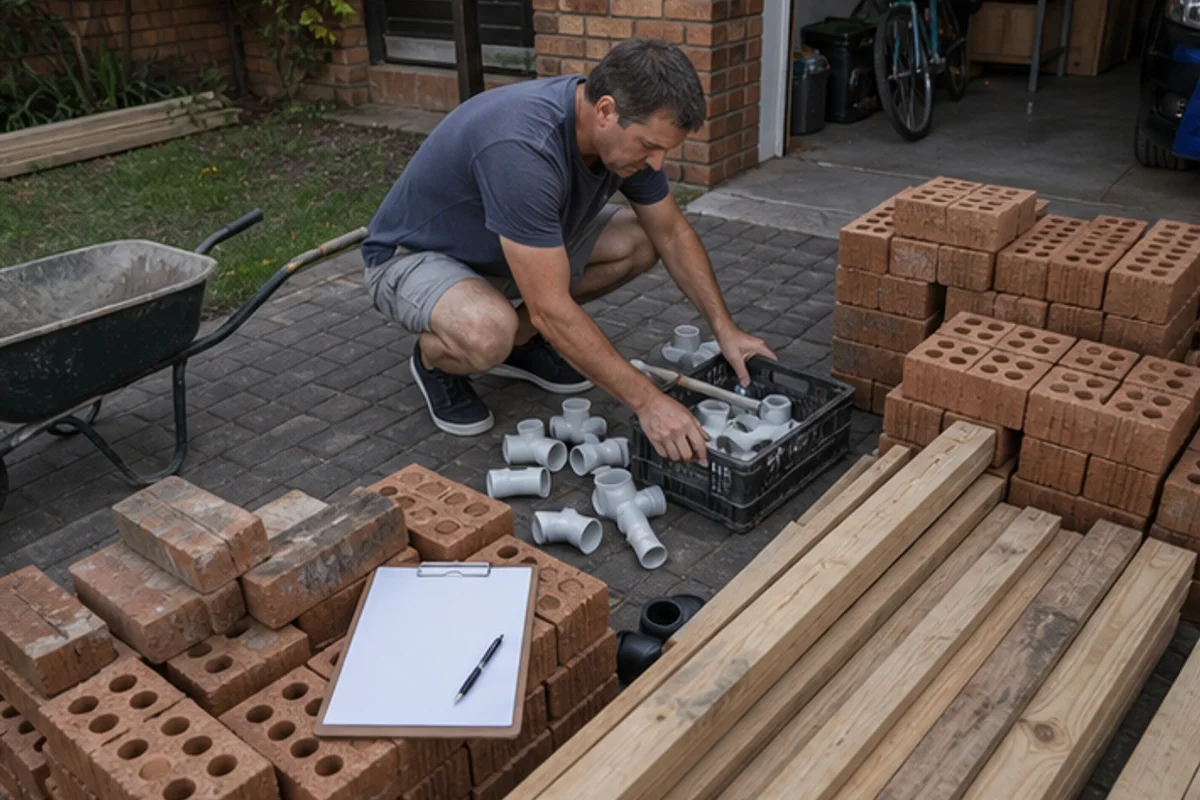
Deciding how involved you will be in a home project shapes cost, quality and the timeline — one of the big building decisions compared. Your choice affects who manages subcontractors, who signs off on design and how the construction process is coordinated on site.
Defining the owner-led role
When you act as general contractor, you coordinate plumbing, electrical and other trades yourself instead of appointing new home builders. This way can save money on fees but demands time and construction experience.
Many clients find the number of builders to organise causes delays. You must track specifications, materials, delivery and quality checks across each stage.
The single‑margin, single‑contract advantage
A single-contract turnkey home builder takes full responsibility for the project from architect plans to final handover. This model reduces your involvement and centralises management, control and cost reporting.
“Brick & Bolt’s QASCON performs 470+ quality checks on each floor to ensure specifications and material standards are met.”
Look for a clear contract and a defined single‑margin fee that covers foundation, finishes and all subcontractors — understand the building payment stages too. That clarity often helps protect your budget and finish quality.
- Decide project size and scope early — it changes the idea of who should manage the work.
- Compare contractors on delivery, guarantees and quality systems — and against the cost to build a house — rather than price alone.
- Choose the way that matches your available time, risk appetite and desired level of involvement.
Navigating Benoni building regulations and site complexities
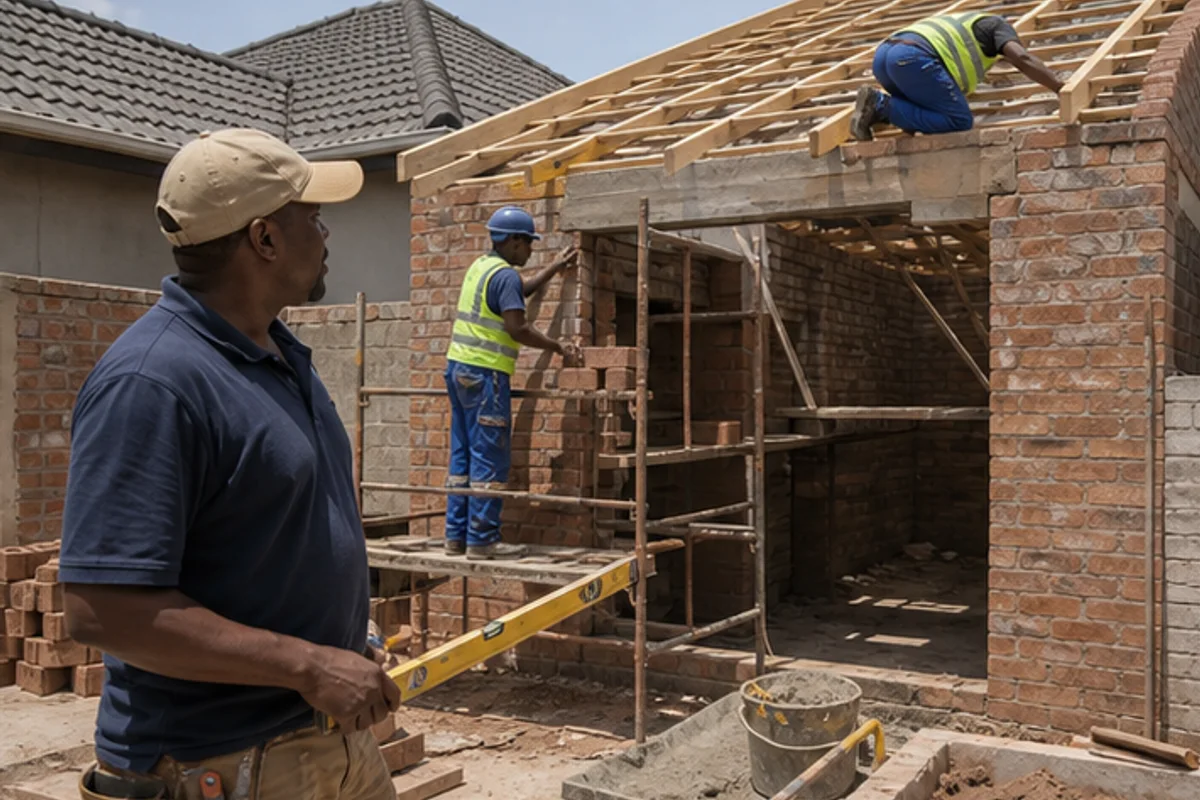
Benoni’s estate rules and clay soils shape how you must plan a project from day one.
Estate restrictions often forbid self-managed sites and require a registered contractor to run the works — and new homes need NHBRC enrolment. Check scheme rulings early so your design and procurement meet site access and approval limits.
Managing estate rules and clay ground conditions
Local clay ground can cause movement unless the foundation design follows a geotechnical report prepared for your site. Your architect should include those soil findings in the specifications for your home.
Quality control matters most at foundation stage. Faulty foundations lead to bigger repairs later.
- Confirm your chosen contractor is familiar with Benoni council approvals and restricted-site access.
- Insist on clear management of plumbing, electrical and other subcontractors during the build.
- Use a professional service that handles procurement of material and coordinates multiple projects on one estate.
“A foundation tailored to local soil reduces risk and protects long-term quality.”
Comparing financial anatomy and project responsibility

Compare how financial risk and day-to-day responsibility split between a fixed-fee contract and self-directed work.
Fixed-price arrangements place cost risk with the contractor. A single margin price means the provider absorbs overruns and promises a clear budget and timeline.
Self-management can save money on fees, but you accept full responsibility for budget leaks and quality checks. You must manage time, trades and the construction process.
- Clear contract terms and a payment schedule protect your money and define control.
- Lack of site experience raises the risk of costly errors that eat any projected savings.
- Many homeowners value control over design and work, but that control has a cost in time and risk.
Decide whether you prefer professional management that centralises responsibility or personal oversight that requires hands-on time and trade coordination.
| Aspect | Fixed-fee provider | Self-managed project |
|---|---|---|
| Price certainty | High — single margin, fixed contract | Variable — depends on material and trade quotes |
| Budget risk | Contractor assumes overruns | Homeowner bears extra costs |
| Time & schedule | Managed by contractor | Requires active coordination of trades |
| Control over design | Moderate — within contract scope | High — full control, more decisions |
Assessing your suitability for self-management
Before you commit to self-management, check how much time, practical experience and steady involvement you can give a house project.
Experience and time requirements
Managing a construction project is effectively a full-time role. You must coordinate subcontractors, check specifications and supervise delivery of materials.
If you lack hands-on trade experience, expect a learning curve that may slow the build and add cost. Modular homes can reduce this burden: many arrive 75–85% complete, leaving foundation and site work for you to manage.
Bank financing and loan implications
Banks often favour a single contract with a professional contractor. Lending for self-managed projects can be harder to secure and may need stricter draws and inspections.
Confirm funding conditions before you sign any contract so your budget covers draws, holdbacks and likely overruns.
Risk appetite and project control
Taking control of your home build gives choice over finishes and materials, but increases responsibility for plumbing, quality and safety.
If your risk appetite is low or your time is limited, a turnkey service often offers clearer schedules and less daily management.
- Do be honest about availability and skills.
- Check lender conditions and contingency funds in your budget.
- Consider modular or single‑contract solutions if you want faster delivery and less on-site risk.
Securing professional quotes for your building project

Start your building project in Benoni by collecting clear, local quotes that reflect real site costs.
buildingcontractorsinbenoni.co.za connects you with independent contractors so you can request up to three quotes, or up to five where available, and compare price, time and service.
When quotes arrive, check the specifications for foundation work, plumbing, materials and final finish. Confirm the contract lists timeline, delivery milestones and total cost so your budget and decision are informed.
If you remain unsure, use the quote process to gather contractor options and compare quality, design approach and construction experience. Visit buildingcontractorsinbenoni.co.za to start your quote request and move your home project forward with confidence.
FAQ
What is the main difference between managing trades yourself and hiring a single accountable contractor?
Managing trades yourself means you coordinate subcontractors, source materials, schedule work and accept site responsibility. Hiring a single accountable contractor places project management, statutory compliance, and final delivery under one contract. The single-contract route reduces your day-to-day involvement and shifts warranty and liability to the contractor, while self-management can lower direct build costs but increases your time, risk and coordination duties.
How do you define the role of someone who manages their own build?
A self-managing homeowner takes on procurement, contractor appointments, on-site supervision, and quality checks. You must handle contract administration, payment schedules, labour coordination and building inspections. That role demands practical construction knowledge, reliable subcontractors and a strict record system for quotes, invoices and approvals.
What is the single-margin advantage offered by a contractor who provides a full service?
A contractor quoting a full-service price usually bundles labour, materials, subcontractor margins and project management into one figure. That single-margin model simplifies budgeting, provides clearer cost accountability and reduces the risk of gaps between trades. However, you still need to check material specifications, finish standards and any provisional sums included in the contract.
What Benoni-specific approvals or rules could affect my build?
Benoni builds must comply with Ekurhuleni municipality plans approvals, local zoning and estate architectural guidelines where applicable. Check land servitudes, stormwater connections and any homeowners’ association rules. Some estates require colour palettes, roof pitches and boundary setbacks that influence design and cost.
How do clay ground conditions around Benoni influence foundations and cost?
Clay soils expand and contract with moisture, so you may need deeper strip foundations, suspended slabs or soil stabilisation. Geotechnical reports and soil tests inform foundation design. These measures add cost but prevent long-term cracking and movement, so factor them into early budgets and builder quotes.
How does project responsibility differ between managing yourself and a full-contract arrangement?
When you manage the project, responsibility for workmanship, coordination and compliance sits with you and each subcontractor. With a full-contract arrangement, the contractor accepts overall responsibility for defects, on-site safety and statutory compliance, making them the primary contact for disputes and warranties.
What financial components should I compare when assessing quotes?
Compare scope of work, material specifications, provisional sums, allowances, contingency, payment schedule, mobilisation fees and retention terms. Check whether labour or materials are fixed-price, and whether the quote includes municipal connections, site clearance, and professional fees like engineers or architects.
How do bank finance and loans treat self-managed projects versus contractor-led builds?
Lenders assess risk, payment draws and completion security. Some banks prefer payments to a main contractor and may release staged funds against a contractor’s programme. Self-managed projects may require more detailed cashflow plans, contractor proof and frequent inspections before drawdowns. Discuss your loan structure with the bank early.
What time and experience do you need to run a self-managed build in Benoni?
Expect weeks of daily involvement during active phases—foundation, framing, wet trades and finishes. Prior experience with contracts, local trades, procurement and quality control helps. If you lack time or construction know-how, consider a project manager or opt for a contractor to reduce delays and oversights.
How does risk appetite affect the decision to manage trades yourself?
If you accept higher responsibility for workmanship, scheduling problems and potential cost overruns, self-management may suit you. If you prefer predictable delivery, reduced admin and a single point of accountability for defects, hiring a full-service contractor lowers your exposure to these risks.
What should I confirm in writing before any work starts?
Get a detailed scope, materials list with brands and specifications, payment schedule, start and completion dates, provisional sums, warranties, subcontractor names, insurance and municipal approval requirements. Insist on a written contract and record variations in writing with signed change orders.
How can I secure reliable professional quotes for my Benoni project?
Request detailed written quotes from at least three contractors or project managers, check local references, view recent workmanship, confirm CIDB or NHBRC compliance where relevant, and ask for a breakdown of provisional sums and exclusions. Use a simple checklist to compare specifications, timelines and included services.
Which local suburbs and access factors should I mention to contractors when requesting quotes?
Tell contractors the exact Benoni suburb, site access limitations, parking, site gradient, boundary fencing and any estate gate procedures. Mention nearby services like water, sewer and electricity connections, as these affect labour logistics and provisional costs.
What inspections and approvals are essential during the construction process?
Plan for plan approval, compliance inspections for foundations and structural elements, plumbing and drainage sign-offs, electrical inspections, and a municipal occupation or completion certificate. If you use an architect or engineer, ensure they inspect stages and sign off on compliance where required.
Ready to compare?