
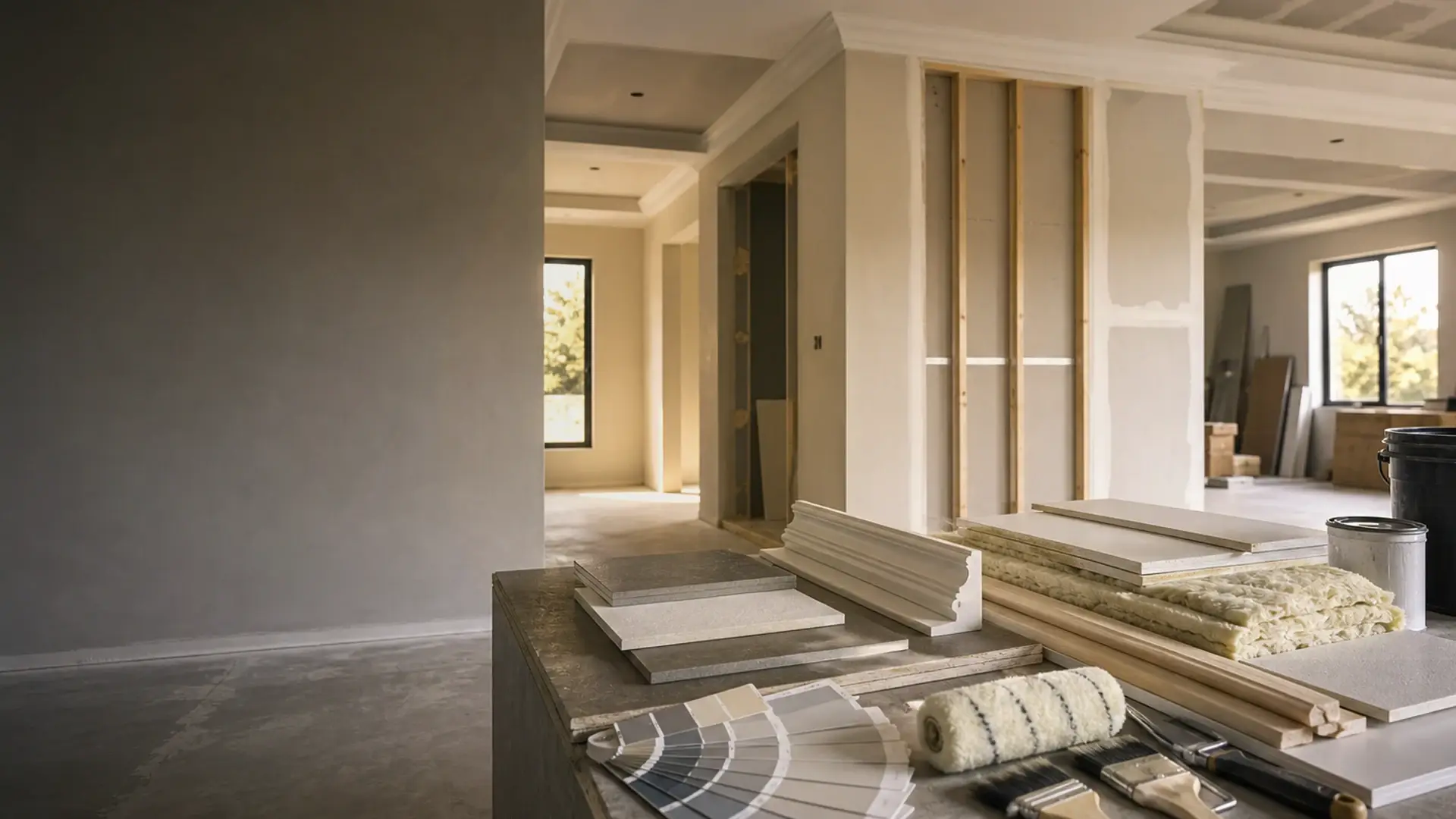
Epoxy vs Polished Concrete Floors
Garages, workshops and factory floors – durability, chemical resistance, downtime and cost logic compared
Quick verdict
Epoxy coating or polished concrete for your floor? Durability, chemical resistance, install downtime and cost logic compared for SA.
10 min read
On this page
Which floor finish will last longest and look best in your Benoni garage? This question matters if you plan a practical, long-lasting upgrade for a home or commercial project.
Choosing epoxy vs polished concrete flooring affects durability, maintenance and the final appearance of your garage or workshop.
For Benoni properties, assess traffic, chemical exposure, and access when you compare flooring options. Visit buildingcontractorsinbenoni.co.za to request local quotes and see relevant systems.
High-quality coatings give a seamless surface that resists daily wear, while polished finishes cut maintenance and show the aggregate beneath for a different look.
Use this guide to weigh cost, time on site and long-term value so you can make a confident choice for your concrete floor. Get specific quotes to confirm materials, labour and warranty for your garage project.
Understanding the Epoxy vs Polished Concrete Debate
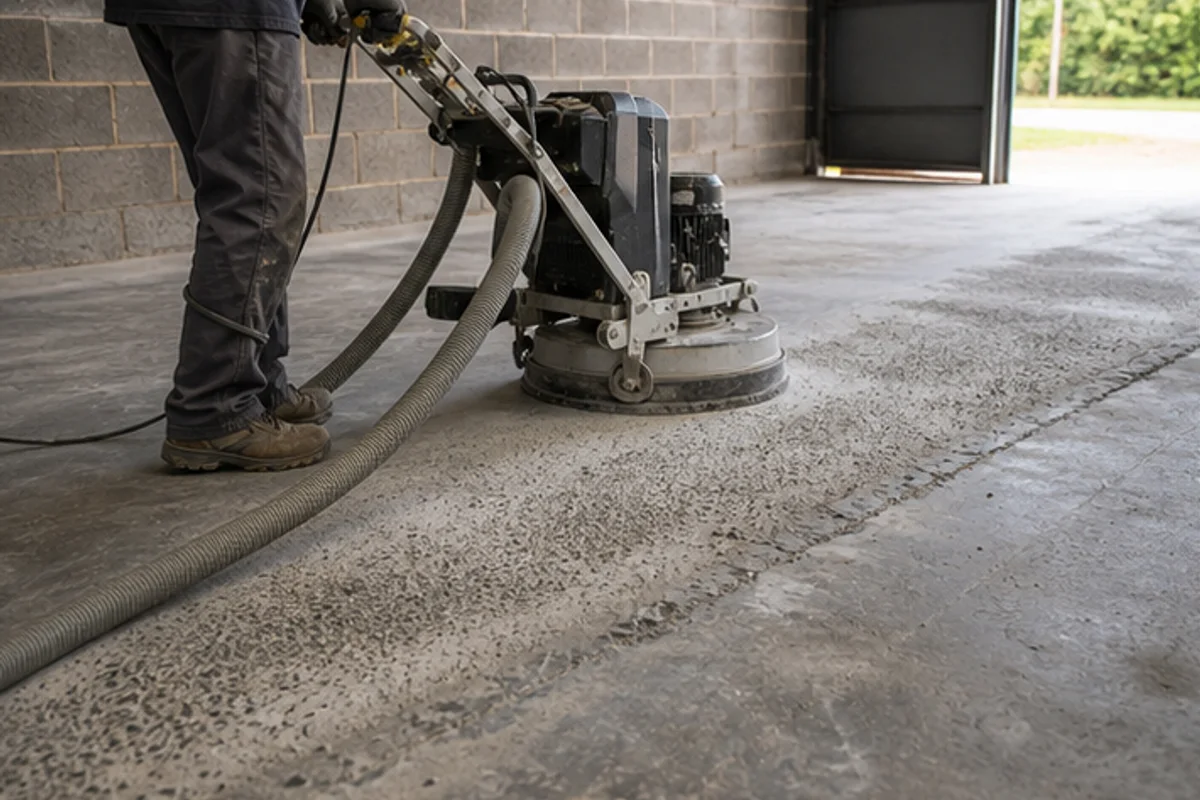
Match the finish to the work you do in the space — light home use has different needs from a busy workshop. For Benoni homeowners and small businesses, cost, maintenance and durability are the main factors when comparing polished concrete and epoxy flooring.
The two approaches serve different needs. Polished concrete often costs about half as much as a resin coating, so it is a budget-friendly option for homes or offices. By contrast, epoxy flooring installers are the go-to for industrial sites that need chemical resistance and heavy wear protection.
- The debate centres on traffic levels, spills and long‑term cost — one of many building decisions compared.
- Polishing requires specialist machinery; a coating involves surface prep and resin application.
- Maintenance needs differ — cleaning and repair routines are not the same.
- Garages often benefit from a resin finish because it resists oil and abrasion.
- Homes favour the sleek look of polished finishes for living spaces and showrooms.
Get local quotes in Benoni and confirm materials, labour and warranties in writing before you book installation. That helps you make a clear, practical choice for your floor and your budget.
Performance Criteria for Industrial and Residential Spaces
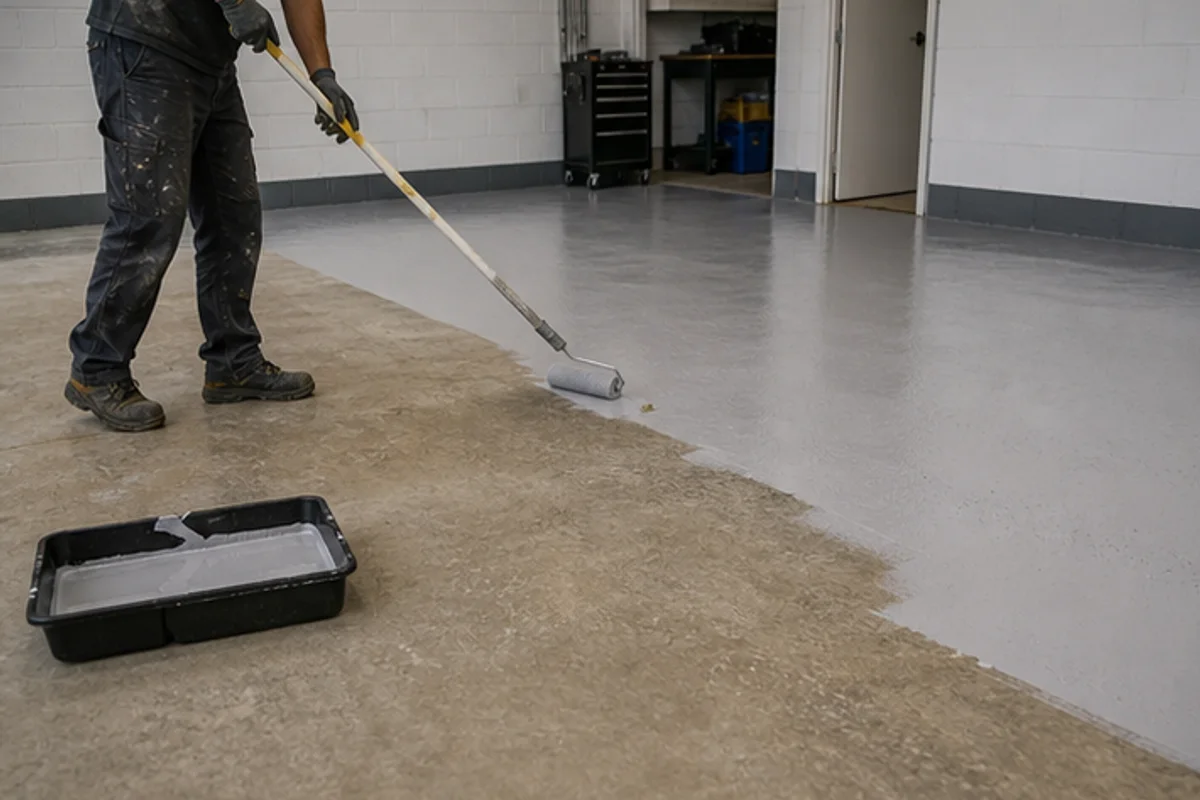
For industrial sites and homes in Benoni, performance needs steer the choice of surface finish — much like our tile vs metal roofing comparison for the roof above. Consider traffic, chemical exposure, and expected years of use before you decide.
Epoxy for Chemical Resistance
High-resistance resin systems protect a floor against oils, solvents and frequent spills — a common part of factory renovations. ESD-controlled installations have covered areas as large as 6,000 m² in electronics plants, showing how specialised formulations meet strict industry rules.
Coatings can boost light reflectivity by up to 300%, which lowers artificial lighting needs in big warehouses. For a garage, a robust coating gives long-term protection and easy cleaning after hands‑on work.
Polished Concrete for Aesthetic Versatility
Polishing increases reflectivity by about 100%, creating a bright, low-dust finish — it works best on a sound concrete slab base. It also needs little maintenance, with periodic cleaning keeping the shine for many years.
“Choose the system that matches your traffic and maintenance plan, not just the look.”
| Criterion | High‑resin Surface | Polished Finish |
|---|---|---|
| Chemical resistance | Excellent | Moderate |
| Light reflectivity | Up to 300% | Up to 100% |
| Maintenance | Periodic checks, easy clean | Low, simple cleaning |
| Best for | Workshops, warehouses, garages | Homes, retail, showrooms |
Substrate Integrity and Environmental Considerations
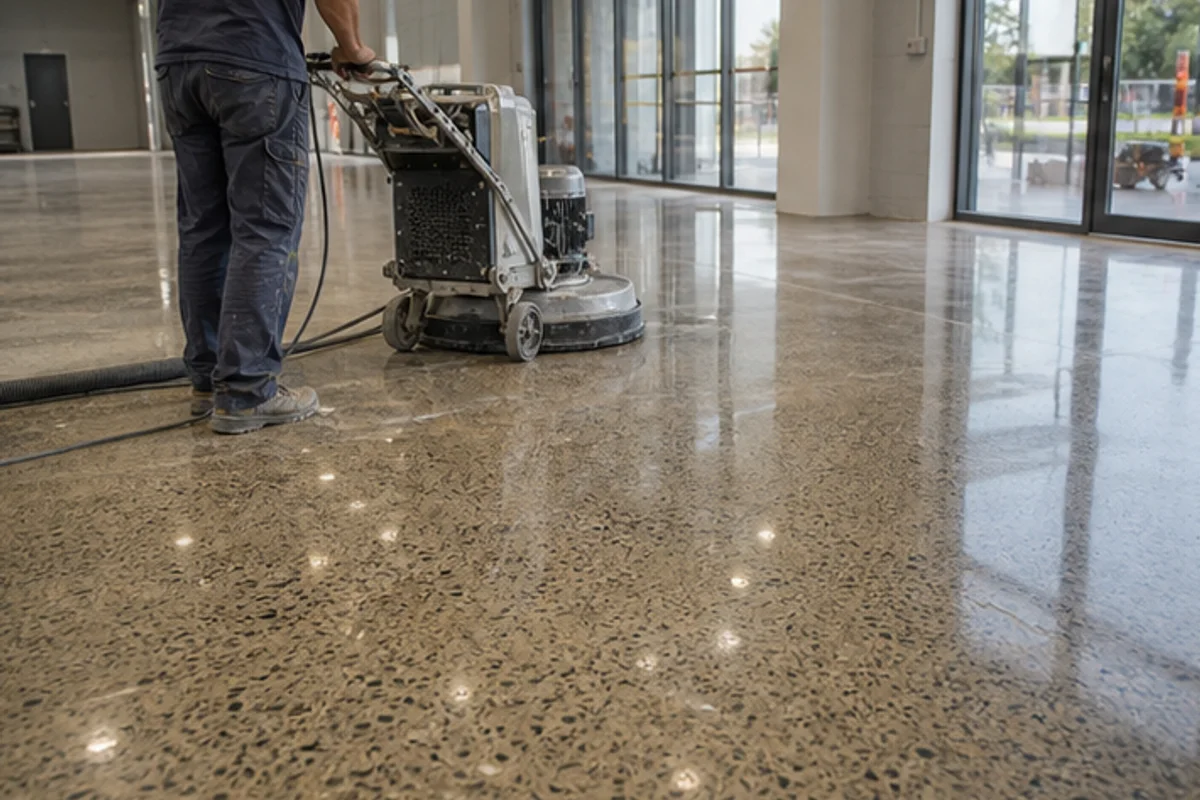
Start by checking the slab beneath your finish; a tired, oil-stained base undermines any surface upgrade.
Before you pick a flooring option for a Benoni garage, assess the existing slab. Look for oil stains, cracks and loose areas. These issues change the work you need and the time on site.
Repairing Old Slabs
Repairing old slabs is common on renovation projects. Oil and chemical spills often require grinding, detergents and resin injection to stabilise the surface.
Moisture is a hidden risk. High damp levels force extra preparation or a specific coating that copes with vapour drive. A site assessment will show the right path.
- Confirm structural integrity before any work starts.
- Address oils and contaminants to improve adhesion.
- Test moisture to avoid failure after installation.
| Issue | Likely action | Outcome |
|---|---|---|
| Oil-stained slab | Degrease, mechanical grind | Better adhesion for finishes |
| Cracked or spalled areas | Repair with patching mortar | Stable, load-bearing floor |
| High moisture | Moisture test, DPM or tolerant coat | Reduced risk of peeling |
Good preparation protects your investment. A skilled assessor will tell you if a polished concrete floors finish suits the slab or if an epoxy coating is the more practical choice for long-term resistance and maintenance.
Why Inexpensive Coatings Often Fail
Many cheap garage floor paints fail quickly because they lack the chemical bonding and adhesion of a professional resin system.
When a slab is not ground and cleaned, paint sits on dust and oil. That leads to lifting, bubbling and early peeling.
Low-cost concrete epoxy products and DIY kits seldom match the durability of installed epoxy flooring systems. They resist wear poorly and offer limited chemical resistance in a busy garage.
Repair costs for a failed DIY finish often exceed the price of a proper installation. Labour to strip, re‑prep and reapply is time‑consuming and expensive.
- Proper surface prep prevents peel and improves adhesion.
- Professional-grade epoxy coating delivers a seamless barrier against moisture and chemicals.
- Hiring experienced installers reduces the risk of rework and short service life.
“Prioritise preparation and quality materials — it saves money and time over the long run.”
For Benoni garages ask contractors for site tests, written warranties and a clear maintenance plan before you choose this flooring option.
Comparing Installation Timelines and Operational Downtime
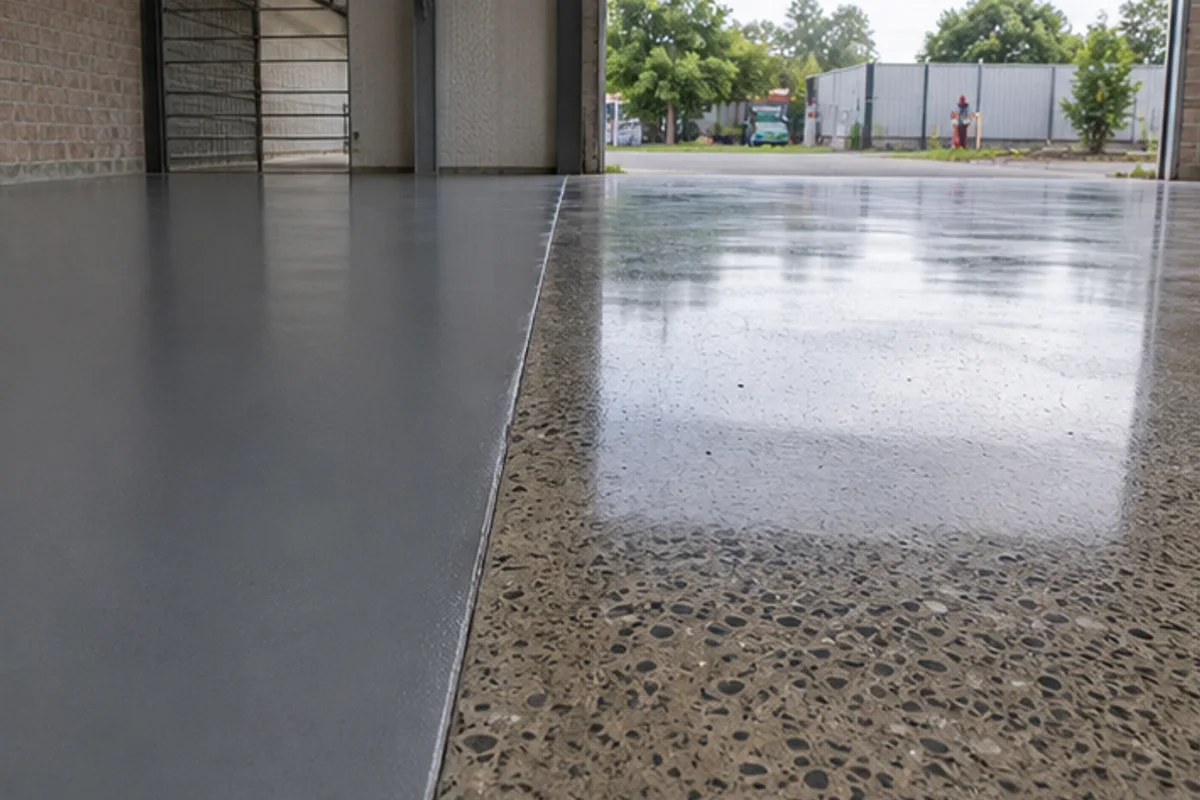
How soon you need the space back in use should guide your flooring choice more than appearance alone. For Benoni projects, installation time and cure periods determine practical downtime and costs.
Garage use cases
Garage Use Cases
Resin systems typically install in 2–3 days. Expect a further 7 days before heavy vehicle traffic is safe.
This quick turnaround suits homeowners who want minimal disruption and a durable, easy-to-clean surface for workshop work and oil exposure.
Retail and Showroom Applications
Showrooms benefit from a faster installation when time is tight. A high-gloss finish can be ready for light foot traffic within days.
For high-end appearance, the longer polishing process (3–6 days work, but up to 28 days cure after a new slab) may be chosen if the space can be closed briefly.
Factory and Warehouse Requirements
Industrial areas demand heavy-duty resistance. The full cure of a new slab can take around 28 days, which affects scheduling for machinery and deliveries.
Plan with contractors to stage works, protect operations and confirm written timelines, materials and guarantees before you book.
“Schedule the work around your busiest periods to avoid unnecessary downtime.”
Connecting with Trusted Professionals for Your Benoni Project
Find trusted local contractors in Benoni who can examine your slab and recommend the right finish for your garage or workshop.
Visit buildingcontractorsinbenoni.co.za to start your request and get up to three building quotes, or up to five options where available. Local contractors will assess the site, moisture, access and the best surface for your traffic and needs.
Compare proposed materials, labour and installation time, and ask for timelines, warranties and a written scope before you book. Whether you prefer polished concrete or epoxy, the platform helps you find competitive quotes and the right expertise for your flooring choice.
FAQ
Which is better for a Benoni garage — epoxy coating or polished concrete floors?
It depends on use. For heavy chemical spills, oil resistance and high-impact traffic, a resin-based floor gives robust protection. For a low-maintenance, attractive finish that hides joints and reduces dust, a ground-and-sealed slab with a high-gloss polish works well. Ask contractors about slab condition, traffic patterns, and your budget before choosing.
How long do resin floor coatings and polished slab finishes typically last?
With proper substrate preparation and regular cleaning, a good quality resin system can last 7–15 years in garages and light industrial settings. A professionally ground and polished slab can last decades if the slab is sound and traffic is controlled. Lifespan depends on traffic, chemicals, UV exposure and maintenance.
Will an epoxy-style coating hide cracks and uneven slabs?
No coating is a substitute for structural repair. Thin coatings will show movement and telegraph cracks. Large or active cracks should be repaired with appropriate fillers, stitching or a structural repair before any coating or polishing is applied.
How long does installation take and when can I use the space again?
Simple seal-and-polish jobs can be completed in a day or two with minimal downtime. Resin systems require longer: surface preparation, priming, base coats and top coats plus cure time can take 2–5 days or more. Expect restricted use until the product has fully cured, typically 24–72 hours for light traffic, longer for vehicles.
What maintenance do each of these finishes need?
Polished slabs need regular sweeping and occasional damp mopping with pH-neutral cleaner. Resin floors require similar cleaning but avoid abrasive scrubbing that can wear the top coat; recoat every few years depending on wear. For both, prompt removal of spills and routine inspections extend life.
Which option resists oils, solvents and industrial chemicals better?
High-grade resin systems provide superior chemical resistance when specified correctly. Sealed and densified polished floors offer reasonable resistance to light oils and cleaners but are less tolerant of aggressive solvents unless treated with a specialised sealer.
Can polished slab finishes be customised for appearance like colours or aggregates?
Yes. Grinding exposes aggregate and you can choose levels of shine, aggregate reveal and densifier treatments for different looks. For specific colours or logos, coloured resin toppings or metallic coatings are a better choice than polishing alone.
Are there local Benoni contractors who can inspect my slab and give quotes?
Yes — independent local contractors can inspect slab integrity, drainage and site access, then provide written quotes. Use a service to request up to 3 quotes (or up to 5 where available) and confirm scope, materials, curing times and warranty in writing before work starts.
How do costs compare between a sealed, polished floor and a full resin system?
Polishing is usually less expensive when the slab is in good condition — costs rise with extensive repairs. Resin systems cost more due to materials and thicker build, especially for chemical-resistant or decorative options. Get itemised quotes listing materials, labour and any slab repairs.
Will coatings or polishing require council approvals or affect warranties on my building?
Most internal floor finishes do not need council approval, but check if the property is listed or part of a body corporate with specific rules. Also confirm with your insurer whether certain finishes or materials affect cover. Contractors should note any warranty limits for their work.
Can I apply these finishes outdoors or in areas with frequent moisture?
External exposure increases UV, temperature and moisture challenges. Special UV-stable resins or breathable sealers are needed outdoors. Polishing external slabs requires suitable densifiers and sealers. Discuss environmental conditions such as coastal salt or heavy rain with your contractor.
What should I confirm in writing before work begins?
Confirm scope of work, materials and brand names, surface preparation methods, repair details, timeline, access requirements, warranty terms, clean-up and disposal, plus final inspection criteria. This reduces disputes and sets realistic expectations for the job.
Related building cost guides
Ready to compare?