
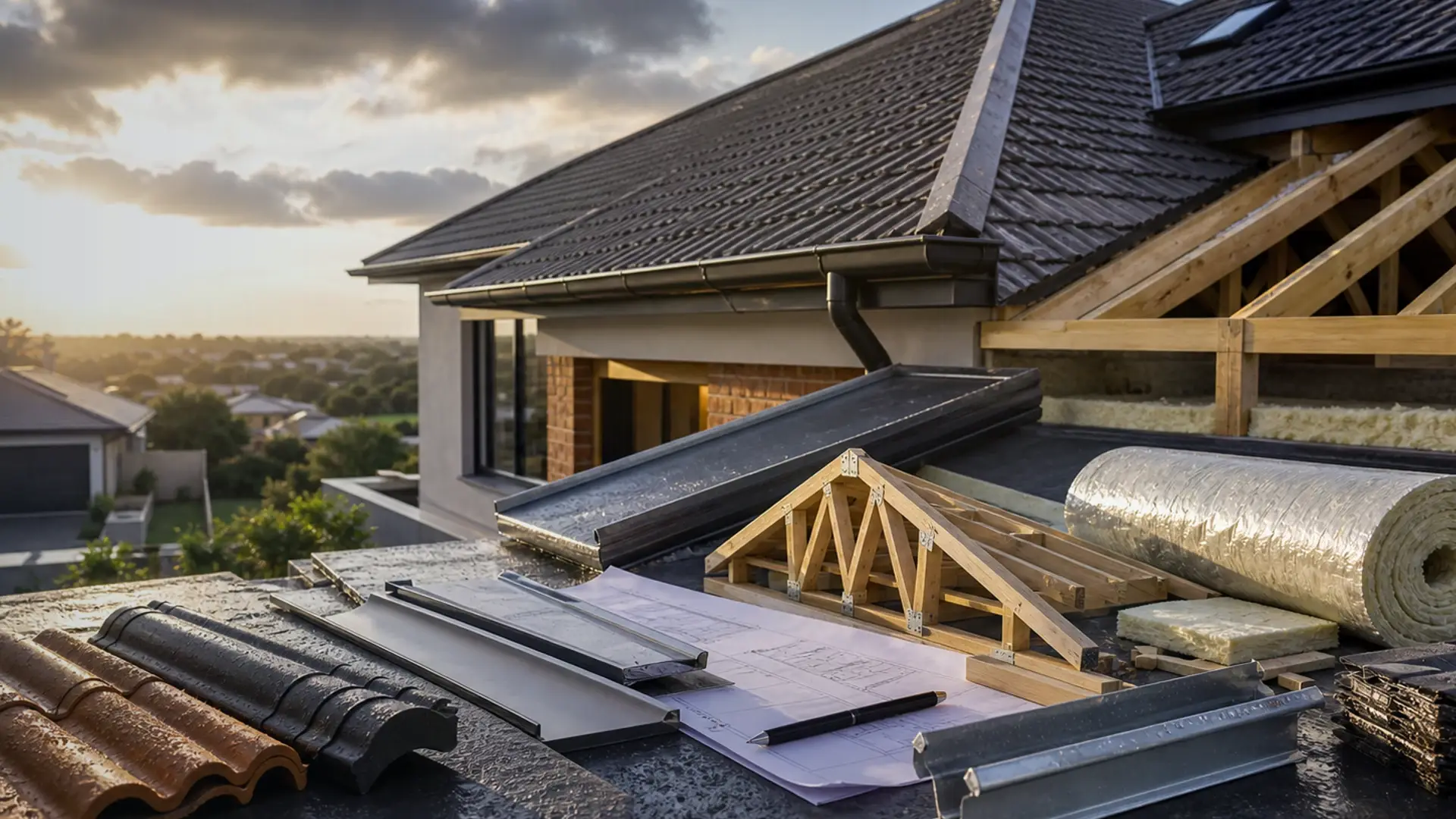
Torch-On Waterproofing in Benoni
Flat roofs, slabs, parapets, balconies, and recurring water-ingress areas
Quick answer
Torch-on waterproofing quotes in Benoni – surface prep, membrane spec, layers and flashings itemised so guarantees mean something.
We connect you with vetted independent contractors in Benoni; typical pricing is on the linked cost guide.
17 min read
On this page
Can a single service stop leaks from ruining your flat roof and balconies? This question matters if you own property in Benoni, where seasonal storms test every seam and surface.
You will find clear guidance here about torch on waterproofing Benoni options and practical steps to protect roofs, slabs and parapets. SealPro Coatings handles the technical work while our platform helps you compare quotes.
Visit buildingcontractorsinbenoni.co.za to connect with local experts who assess recurring water-ingress areas and suggest the right flat roof waterproofing materials. Good choices cut repair bills and keep occupants dry.
We explain what to check in writing, how labour and materials affect cost, and which approvals may be needed. For straightforward advice and contractor contacts, go to buildingcontractorsinbenoni.co.za.
Understanding the Importance of Waterproofing in Benoni

A sound roof is the first defence against storms and damp in Benoni. The roof protects the whole structure, so early attention to roof waterproofing — starting with how to find a roof leak — keeps simple issues from becoming structural problems.
Unchecked leaks invite persistent moisture and rot. That leads to ceilings sagging, plaster damage and, over time, movement in foundations. Prompt repair of leaks reduces the risk of expensive water damage.
Professional waterproofing is a practical investment for any home or commercial property. Certified contractors use correct materials and methods suited to local summer storms and seasonal temperature swings.
- It prevents long-term deterioration of ceilings, walls and foundations.
- It reduces the chance of mould and unhealthy damp indoors — rising damp at wall level is handled by damp proofing instead.
- Early intervention limits repair costs and disruption to occupants.
When you request quotes, confirm contractor certification, material specifications and a clear scope of work — and check our waterproofing prices guide. Good choices protect buildings and preserve comfort for your family or tenants.
Why Torch on Waterproofing Benoni is the Preferred Choice
For flat concrete and metal roofs in the Highveld, bitumen systems offer a clear performance advantage. They form a continuous membrane that resists heavy rain and intense UV exposure, so your roof — fitted by roofing contractors — remains watertight for longer.
Proper installation matters more than the brand of membrane. A skilled team prepares the surface, checks for movement joints and applies materials so the membrane bonds correctly. That reduces the chance of failures that show up after a season or two.
Benefits of bitumen
- Seamless barrier that copes well with thermal expansion and contraction.
- Durable materials deliver protection for many years when installed correctly.
- Efficient application saves time and gives a neat, high-quality finish for metal or concrete roofs.
Durability in the Highveld climate
These solutions stand up to harsh sun and sudden storms typical of the area. Choose high-quality materials and a reputable provider from our building services to keep your roof performing year after year.
Anatomy of a Professional Waterproofing System

For reliable roof waterproofing you must inspect each layer as a separate checkpoint. A clear system helps you compare quotes and spot shortcuts before work starts.
Surface Preparation
Preparation matters most. Experienced teams spend most of the project time cleaning, repairing cracks and removing loose material. Down to Detail reports more than 80% of their time is on prep.
Screed and Membrane Application
The screed must create the correct fall on concrete slabs so water drains away — poor falls are a leading cause of flat roof problems. After that, the membrane forms a seamless barrier. Correct membrane application ensures longevity and resists movement.
Finishing Layers
Finishes protect the membrane from UV and abrasion. Choose materials that match local exposure and check for a clean application. A quality top coat preserves the whole waterproofing system.
“Check that the contractor documents surface prep, screed falls, membrane brand and final coatings.”
- Confirm prep time and surface repairs in writing.
- Ask which membrane and application method will be used.
- Confirm protective coatings and expected lifespan.
Common Property Applications Across Benoni
In many neighbourhoods, recurring leaks highlight the weak points in older flat additions and parapets.
Balconies, flat roofs and industrial slabs are the most common problem areas in Rynfield, Farrarmere, Northmead and Lakefield.
SealPro Coatings receives frequent calls from homes and businesses in Crystal Park, Brentwood Park, Mackenzie Park, Morehill and Benoni North about water damage and failing metal or concrete surfaces.
Early identification saves money. Small repairs to parapets, drainage and membrane laps prevent larger roof and interior damage later.
- Many flat roofs need renewed seals where falls are incorrect or drains block.
- Balconies often show surface cracks that lead to leaks into rooms below.
- Factories require robust protection for large concrete slabs and metal roofing to avoid business disruption.
“Inspect parapets, junctions and drain outlets first — these are where failures start.”
When you request quotes, list the suburb, building type and visible failure points so contractors can propose the right application for your property and area.
Comparing Torch on Membranes with Acrylic and Cementitious Systems
Choose the right membrane by matching system performance to the roof use and future finish. Different systems suit different applications. Match durability and flexibility to the demands of your flat roof or balcony.
| System | Best for | Strengths | Limitations |
|---|---|---|---|
| Bitumen membrane | Flat roof, heavy exposure | Robust, fully-bonded surface; long life | Requires skilled application and correct surface prep |
| Acrylic coatings | Light roofs, aesthetic refresh | Quick to apply; improves appearance | Thin paint-like layers may lack durability on flat roof areas |
| Cementitious systems | Walls, specific damp repairs | Good for patch repairs and vertical surfaces | Rigid; less flexible than membrane for thermal movement |
Balcony Considerations
Balconies need a system that copes with foot traffic and gives a tile-ready surface. A fully-bonded membrane is often the safest choice beneath tiles.
Paint can freshen walls and edges, but it is not a substitute for a structural membrane or correct substrate build-up.
- Proper surface preparation is vital for any application.
- Choose membranes for flat roof waterproofing where movement and pooling occur.
- For balconies, confirm tile adhesive compatibility with the chosen system.
“A robust membrane and correct prep reduce the chance of repeat leaks and tiled failures.”
Essential Factors for Long Term Waterproofing Success
Long-term success starts with choosing materials built for local weather and the way you use the roof.
A correctly installed waterproofing system should give 10 to 15 years of reliable protection. That lifespan depends on two simple things: quality materials and correct application.
Surface preparation is equally important. Contractors must clean, repair and set correct falls before any membrane is applied. Poor prep shortens performance.
- Use high-grade materials designed for local weather and UV exposure.
- A properly fitted membrane and system generally deliver 10–15 years of service.
- Regular maintenance catches minor defects before they become structural.
Ask for written details of material brands, application method and maintenance advice when you request a quote. Look for clear schedules and expected service years.
“Quality materials and skilled application protect your investment and keep interiors dry.”
Focus on these core elements and you will get practical solutions that deliver the expected results for your property in Benoni.
Navigating the Quote Request Process
Accurate details shorten site visits and help contractors give realistic timelines and costs. Start with clear photos, the roof type and the size of the affected area. That gives local teams enough to prepare a meaningful estimate.
What to Include in Your Request
When you ask for a quote, include access information, visible water staining, and any previous repairs. Note finishes you want and whether tiles or pavers will be installed.
- Roof type: concrete slab, metal deck or tiled balcony.
- Area size: approximate square metres.
- Visible defects: cracks, ponding, or active leaks.
- Site access: hours, parking and any security requirements.
- Desired finishes: protective top coat, tiles or paint.
Evaluating Multiple Quotes
Our quote request process lets you receive up to 3 independent quotes, or up to 5 where available, for your project. Professional contractors base their quote on access, materials, labour and final finishes.
Compare scope, not just price. Look for a clear breakdown of labour and material costs, expected time on site and warranty terms.
“The cheapest quote is not always the best — check what is included and confirm schedules in writing.”
Contact today to start the process. Our team will guide you to receive professional, competitive quotes and help you choose the right service for your property.
Understanding Pricing Bands for Waterproofing Services

Knowing typical rates per square metre makes it easier to compare contractor quotes fairly. Use per m² bands as a first filter when reviewing proposals for your roof.
Baseline figures: Local average rates sit near R130 per m² for basic surface treatments. For a full bitumen-based torch application the market range is about R300 to R500 per m², depending on access and complexity.
Pricing reflects more than the membrane. Expect higher costs where repairs, falls, or extensive substrate work are needed. Labour, scaffolding and drainage corrections increase the final bill.
- Pricing varies by system complexity and materials required.
- A standard bitumen application generally falls within R300–R500 per m².
- Quotes should show bands for material quality and professional labour.
How to use this: Ask contractors for a clear breakdown of material and labour costs in your quote. These band teasers help you budget and spot unusually low offers that may cut corners.
Identifying Signs of Water Ingress and Structural Damage
Spotting early faults stops small issues from becoming major repairs. A short, regular inspection of your roof surfaces and walls helps you spot visible signs before the water spreads.
Visual Indicators of Failure
Look for damp patches on internal walls, peeling paint and a musty odour. These often signal water damage behind plaster or insulation.
On the flat roof, check for pooling, obvious cracks in the membrane and rusted metal sheets. These are clear signals that the system is failing and needs attention within a few years of appearing.
- Early detection: Damp patches or peeling paint can prevent structural damage if fixed quickly.
- Membrane faults: Water pooling, splits or blisters on the surface mean immediate action is required.
- Flat roof risk: Flat roof areas and junctions are common failure points—inspect them often.
- Professional check: If you see these signs, contact a contractor to assess water and structural damage to roofs and walls.
“Failure photos are useful when you request a quote — include clear images of damp, pooling and rusted areas.”
The Role of Professional Contractor Assessment
A qualified contractor inspection sets the project up for a reliable outcome and clear expectations. A good assessment identifies access issues, material needs and any building approvals required before work starts.
Expect an expert team to record scope, propose a method and note labour and finish requirements. Ask for a written scope and a timeline so quotes are comparable.
Professional waterproofing projects usually finish with a certificate of warranty. That document confirms the service and defines what is covered and for how long.
- The assessment clarifies the project scope and avoids scope creep.
- Our platform links you to contractors with the experience to evaluate your building and propose quality solutions.
- The process covers site access, materials, labour, finishes and necessary approvals.
“Choose contractors who document their process and provide clear, written agreements.”
Relying on a thorough assessment by a qualified team reduces unexpected costs and gives long-term protection for your roof and building.
Guarantee Conditions and Small Print Realities
Guarantees look reassuring until the small print narrows their cover.
Always read the certificate carefully. Some guarantees cover only parts of the job, such as painting, rather than full waterproofing and substrate repair.
v4 SPECIALIST provides a 3-year guarantee for their maintenance work. That is helpful, but you must check which elements are included.
“Ask for a written guarantee that spells out materials, labour and exclusions.”
Common voiding conditions include missed maintenance, unauthorised modifications to the roof, and work done by other contractors without written consent.
- Confirm whether the guarantee covers materials and labour.
- Clarify how many years each item remains valid.
- Ask what maintenance is required to keep cover in force.
| What to check | Why it matters | Action |
|---|---|---|
| Scope (materials vs labour) | Limits whether repair cost is covered | Get both listed in writing |
| Duration in years | Shows how long you have recourse | Confirm exact term for each item |
| Maintenance requirements | Missing checks can void cover | Agree a schedule and keep records |
How Our Platform Connects You with Local Experts
Our platform makes it simple to match your project with local contractors who know roof systems and materials. You describe the problem, upload photos and supply access details. That helps independent teams prepare a meaningful site visit.
We connect you to vetted contractors who specialise in waterproofing and roof repairs. Contractors remain independent; our role is to facilitate introductions and assist you in comparing offers.
- Request up to three quotes, or up to five where available, to compare scope and price.
- Receive guidance on what to ask for in writing: materials, labour, falls and warranty years.
- Find a reliable team for home or business projects without sifting through unverified listings.
Use our quote request process today to speed decisions and keep your project on track. Independent contractors handle inspections, final quotes and work timelines.
“Compare scope first, price second — and confirm material and labour in writing.”
Maintaining Your Waterproofing Investment
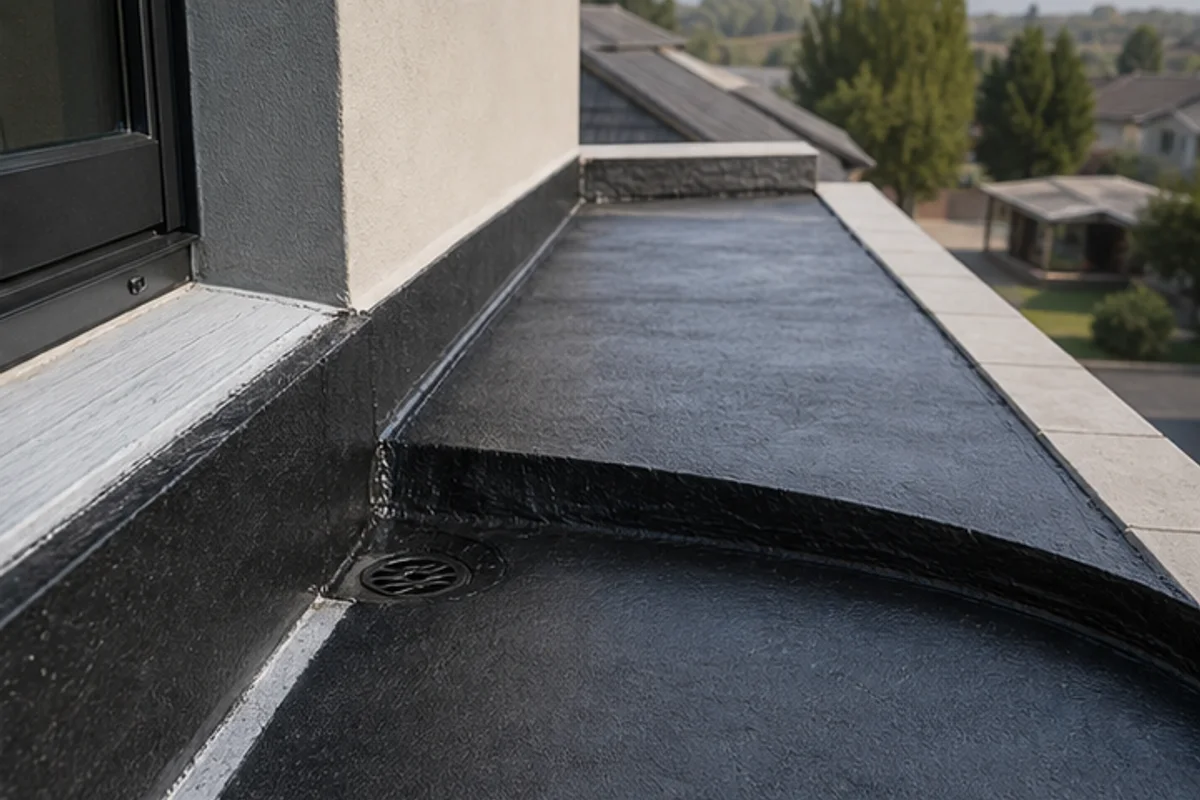
A simple maintenance plan preserves the value of your roof and keeps indoor areas dry.
Inspect roof and walls twice a year and after heavy weather. Look for cracks, peeling paint or ponding. Small defects are easier and cheaper to fix.
Clean surfaces annually to remove leaves and debris that trap water against the membrane. Clearing drains and outlets prevents pooling that can cause concrete or metal damage.
Many modern torch-on systems can be applied over existing layers, saving a costly strip-out. Ask a professional to confirm suitability for your surface before any application.
- Schedule inspections and keep simple records of repairs and maintenance.
- Contact a qualified team today if you see blistering, splits or active leaks.
- Follow manufacturer and contractor guidance to keep any guarantee valid.
“Proactive maintenance is the best way to protect your home from water ingress.”
| Question | Short answer | Action |
|---|---|---|
| Expected lifespan | 10–15 years typical for a quality membrane | Plan inspections every 12 months |
| Can you torch over old layers? | Often yes, if substrate is sound | Get a site assessment before application |
| What guarantees cover | Materials and labour vary by provider | Request written terms and maintenance conditions |
Take the Next Step Toward a Dry Property
Start your project today with a simple quote request that sets clear next steps for roof waterproofing.
Request your free quote today to begin protecting your roof and interior. Use our platform at buildingcontractorsinbenoni.co.za to connect with local contractors who offer a professional service and practical advice.
Whether you need flat roof waterproofing or general roof repairs, the network provides experienced teams and an easy quote process. Do not wait for the next storm; contact today to schedule an assessment and agree a maintenance plan.
Visit buildingcontractorsinbenoni.co.za to request quotes, compare options, and find the right expert for lasting results.
FAQ
What is torch-on waterproofing for flat roofs, slabs, parapets and balconies?
Torch-on waterproofing is a bitumen membrane system applied by heating the sheet surface and bonding it to the prepared substrate. It creates a continuous, flexible layer that sheds water from flat roofs, concrete slabs, parapets and balcony surfaces and is commonly used across Benoni for recurring water-ingress areas.
Why choose a torch-on membrane over acrylic or cementitious systems?
Torch-on membranes offer superior durability and jointless coverage compared with many brush-applied acrylics and cementitious coatings. They perform well in the Highveld climate, resist ponding water better, and are less likely to crack where movement or thermal cycling occurs.
How long does a professionally installed torch-on system typically last?
A correctly prepared and installed bitumen membrane can last 10–20 years depending on exposure, maintenance and foot traffic. Regular inspections and timely repairs extend life; expect shorter service life where membranes suffer constant UV exposure or physical damage.
What does surface preparation involve before applying the membrane?
Contractors must remove loose material, repair cracks, provide a sound, clean surface, and install an appropriate screed where falls are required. Proper preparation ensures adhesion and prevents trapped moisture that would compromise the membrane.
Will torch-on work on metal roofs or only concrete?
Torch-on membranes are typically used on concrete and cement screeds. Metal roofs require specialist detailing and often different materials; discuss your roof substrate with a contractor to confirm the correct system for your building.
What warranties or guarantees can I expect?
Warranties vary by contractor and manufacturer. Expect a workmanship guarantee from the installer and a materials warranty from the membrane supplier. Confirm what is covered in writing, the duration, and any maintenance conditions required to keep the guarantee valid.
How much does torch-on waterproofing cost in Benoni?
Pricing depends on area, substrate condition, falls and access, materials chosen, and local labour rates. Simple re-roofs on flat areas cost less than complex parapet and balcony details. Request multiple quotes to compare scope, materials (bitumen quality, membrane thickness) and inclusions.
What should I include when requesting quotes through the platform?
Provide property address, photos of the affected areas, approximate measurements, description of leaks or history, preferred access times and any known structural repairs. This helps contractors give accurate site-visit estimates and realistic proposals.
How do I evaluate multiple quotes for the same job?
Compare scope of work, membrane type and thickness, surface prep steps, warranty terms, timeline, price and contractor experience. Lower cost can mean reduced prep or thinner membranes; choose the balanced option that offers clear guarantees and skilled installers.
Can torch-on be applied in all weather conditions?
Application is weather-sensitive. Installers prefer dry conditions and moderate temperatures because humidity and rain affect adhesion during torching. Contractors will assess forecasts and delay work if conditions threaten the membrane bond.
How do I recognise signs of water ingress or membrane failure?
Look for bubbling, blistering, split seams, ponding water, damp patches on ceilings below, mould growth and efflorescence at walls. Visual indicators of failure include cracks at flashings and loose or lifted membrane edges.
What ongoing maintenance do torch-on roofs require?
Keep gutters and outlets clear, remove debris that traps moisture, inspect after storms, and repair any punctures, splits or loose seams promptly. Regular maintenance prevents costly structural damage and supports warranty conditions.
Do I need building approvals or inspections before work starts?
Local approvals may be required for structural modifications or major roof changes. Confirm with the City of Ekurhuleni if your project needs permits. Contractors should advise on approvals and produce written scope and safety measures.
How quickly can a contractor start and complete a typical flat roof job?
Start dates depend on contractor availability and weather. Small repairs may take a day; full re-roofs or complex balcony replacements typically run from several days to a couple of weeks. Ask contractors for a realistic programme and milestones in writing.
Are there safety or smell concerns during installation?
The torching process uses hot bitumen and an open flame, so installers follow safety protocols. There can be odour during application; ensure good ventilation and keep occupants at a safe distance. Confirm contractor health-and-safety measures before work begins.
Can torch-on waterproofing be overlaid on existing membranes?
Overlays are possible if the existing membrane is clean, well-bonded and structurally sound. Often better long-term results come from removing the old system and preparing the substrate. A contractor’s site assessment will recommend the correct approach.
Which local suburbs in Benoni do contractors typically serve?
Contractors commonly work across Benoni suburbs, including Rynfield, Farrarmere, Russell Hills, Northmead and Lakefield. Confirm travel and access arrangements, particularly for larger equipment or restricted sites.
How do I confirm quality and experience when choosing a contractor?
Ask for evidence of past projects, references, proof of registration with local bodies, insurance, and details of the membrane brand and technical datasheets. A reputable contractor will provide clear documentation and a written quote.
What materials and membrane types should I expect in a professional specification?
Specifications typically list membrane thickness, primer type, asphalt grade, reinforcing layers and finishing protection. Good systems use quality bitumen membranes with UV-protective top layers, appropriate primers and approved flashings for parapets and penetrations.
If I request quotes via the platform, how many options can I receive?
You may request up to three quotes, or up to five options where available. Independent contractors carry out site visits, final quotes and any work. The platform connects you with local experts; contractors handle timelines and guarantees directly.
Ready to compare?