
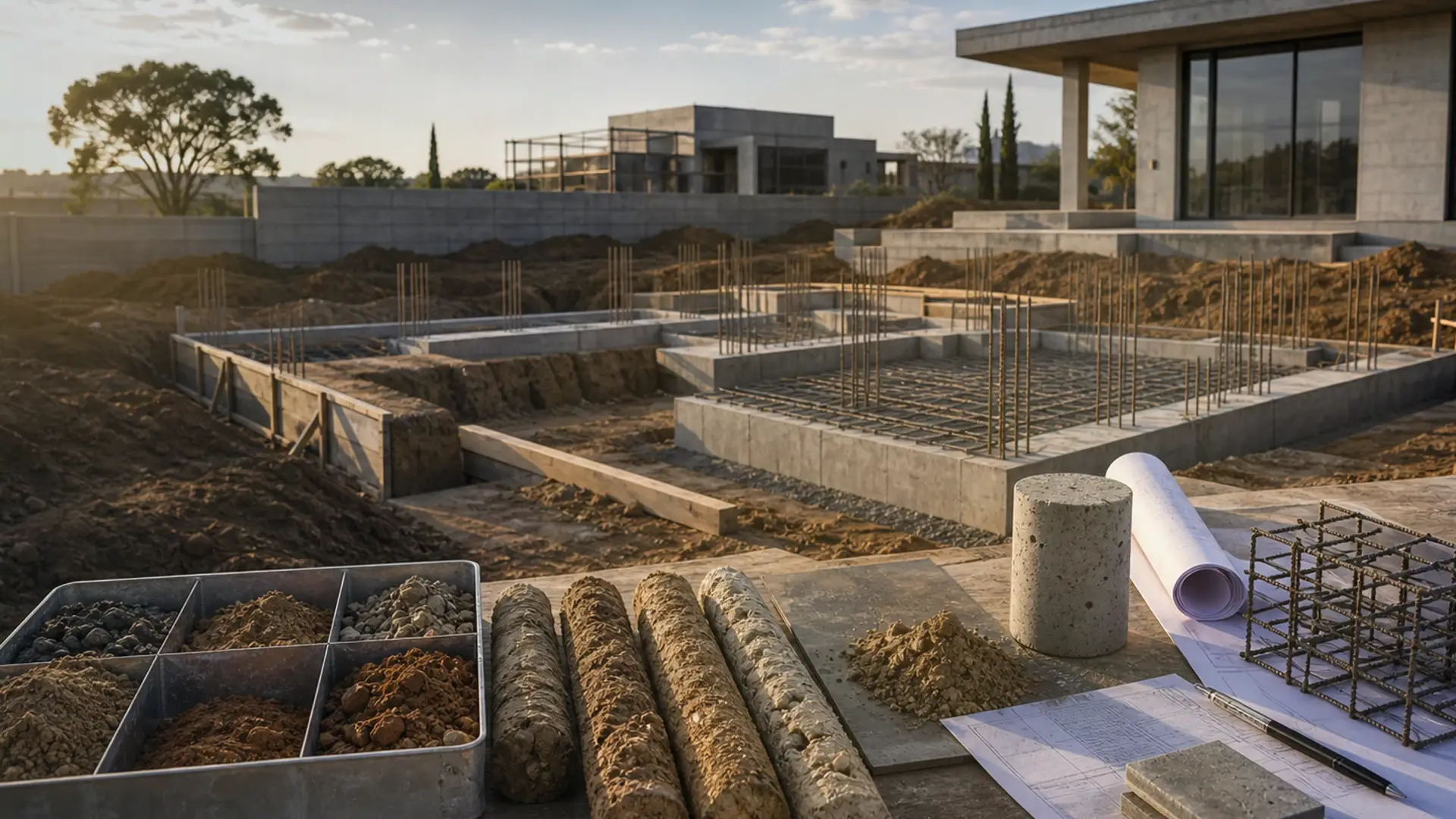
Soil Testing and Foundation Advice in Benoni
Clay heave, made ground and old mining pockets checked before foundations are priced
Quick answer
Soil tests and foundation advice in Benoni – clay heave, made ground and old mining ground checked before foundations are priced.
We connect you with vetted independent contractors in Benoni; typical pricing is on the linked cost guide.
9 min read
On this page
Could a simple test today save you tens of thousands on repairs tomorrow?
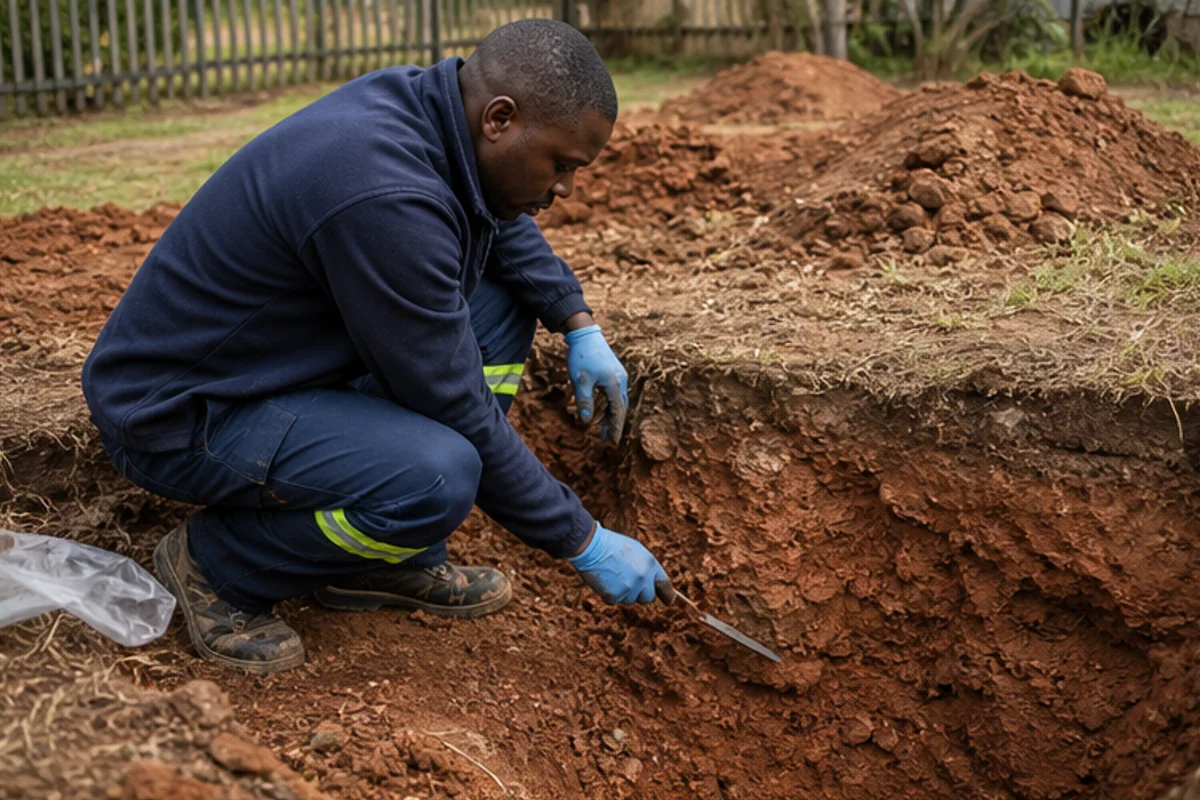
At buildingcontractorsinbenoni.co.za we help you start right with soil testing in Benoni. Residential inspection usually involves digging small pits or using an auger to take a clear sample before you finalise plans.
Accredited laboratories provide soil analysis across Gauteng. Standard checks include pH, P, K, S, Ca, Mg and Na to show how the ground will behave under a new foundation.
Why act now? Early testing lets contractors and engineers design foundations that cope with clay heave, made ground and old mining pockets common in this area.
Send your sample to an accredited laboratory and get actionable results. That advice protects your investment and reduces the risk of surprise repairs after building starts.
Understanding Benoni Ground Conditions and Construction Risks
Many properties here sit on expanding clay and old mine fills — our Benoni soil and ground conditions guide maps them. These ground types affect foundation design, materials and long-term management of your development.
Clay Heave and Expansion
Expansive clay swells when wet and shrinks when dry. That movement can crack walls and lift slabs, leading to foundation repair and underpinning if not addressed.
Mining Ground and Water Tables
Made ground and old mining pockets often contain mixed materials and voids. They need a structural engineer and geotechnical tests to confirm load-bearing content and settlement risk.
High water tables also matter. Fluctuating groundwater can reduce the quality of foundation materials and increase corrosion or subsidence unless drainage and design account for it.
- Expansive clays — explained in East Rand clay soil and your foundations — require tailored foundation strategies to prevent structural damage.
- Made ground or mining pockets must be checked to ensure the ground will support heavy structures.
- Early pre-construction checks identify these hazards before construction starts, reducing surprise costs.
| Risk | Impact on Build | Common Remedial Action |
|---|---|---|
| Expansive clay | Heave, cracking, uneven settlement | Deep strip or raft foundations; moisture control |
| Made ground / mining pockets | Variable bearing, risk of collapse | Excavation, compaction or engineered fill |
| High water table | Material degradation, increased settlement | Drainage, waterproofing, raised foundations |
Why Professional Soil Testing Benoni Services are Essential
Local accredited services give you factual analysis that directly shapes safe foundation design. Accredited laboratories in South Africa follow strict protocols so your results are reliable for engineering decisions.
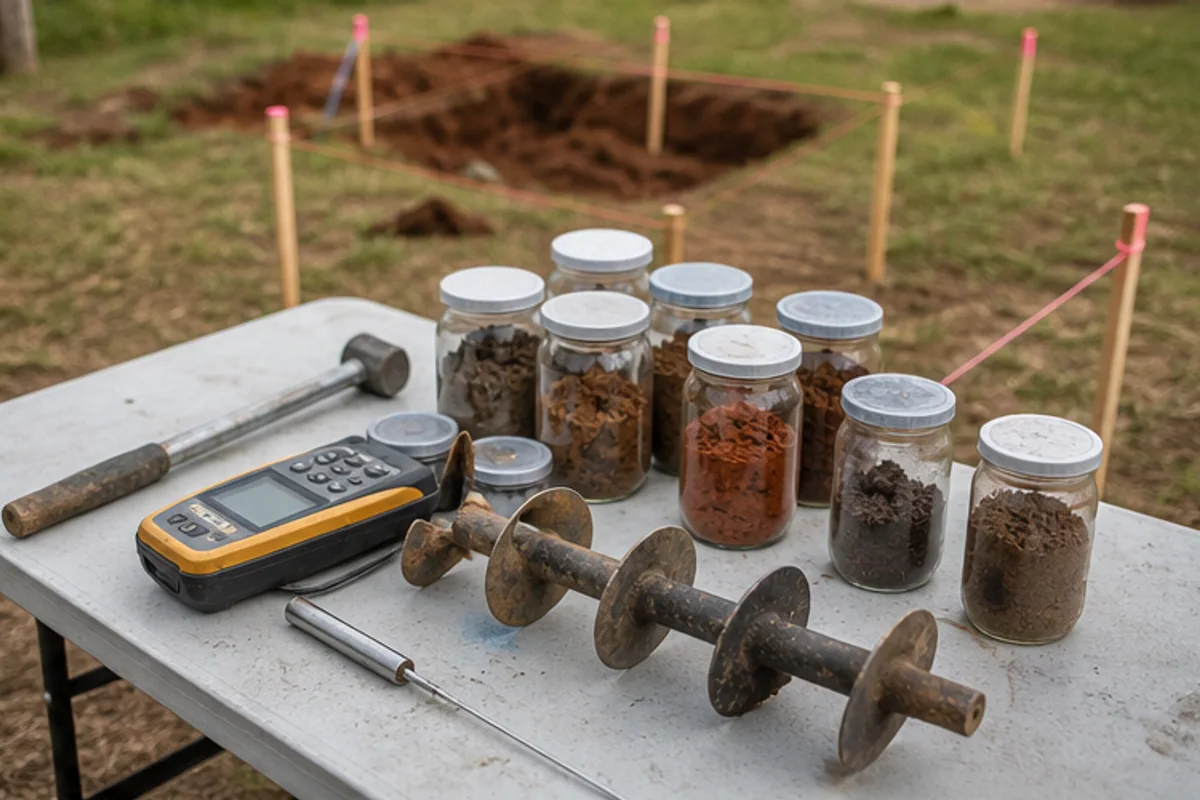
Engaging professional testing services is the only way to guarantee foundation choices rest on accurate, site-specific data. A certified laboratory will analyse your sample and report load-bearing capacity, chemical profile and other key factors.
High-quality testing reduces risk. Good results help contractors choose appropriate concrete slab foundations, drainage and materials. That saves money on repairs and avoids common pitfalls when building on variable ground.
- Accurate results let engineers design to local pressures and standards.
- Certified procedures in South Africa make reports acceptable for approvals and insurance.
- Peace of mind from reputable services lowers long-term maintenance costs.
How Our Quote Request Process Simplifies Your Project
Requesting quotes through our platform lets you gather clear, written proposals from independent contractors without sales pressure. You start by adding project details, site access notes and any specific requirements so responders can prepare accurate proposals.
Connecting with Qualified Contractors
Through our platform, you connect with qualified professionals who handle site visits, labour and the practical steps of a site assessment. Contractors supply the final quote based on your project, materials and local access.
Comparing Up to Five Quotes
Our quote request process allows you to compare up to 5 options where available, though we cannot guarantee the exact number. Usually clients receive up to 3 building quotes, and sometimes more, which helps you understand market pricing and service differences.
Guidance for Your Building Journey
We provide guidance, not hard selling. Use the website to check contractor profiles, confirm timelines and ask for clarifications in writing before you accept any proposal.
- Easy access to professionals who specialise in local test and related services.
- Fair comparison across independent quotes to help you choose value and scope.
- Practical advice on requirements, approvals and scheduling to reduce surprises.
Key Factors Influencing Your Foundation and Testing Costs
Costing a foundation job in Benoni starts with the practical choices contractors must make. The number and type of laboratory analyses often matter more than the mix of materials found on site.
Variables Affecting Your Final Quote
What drives the price
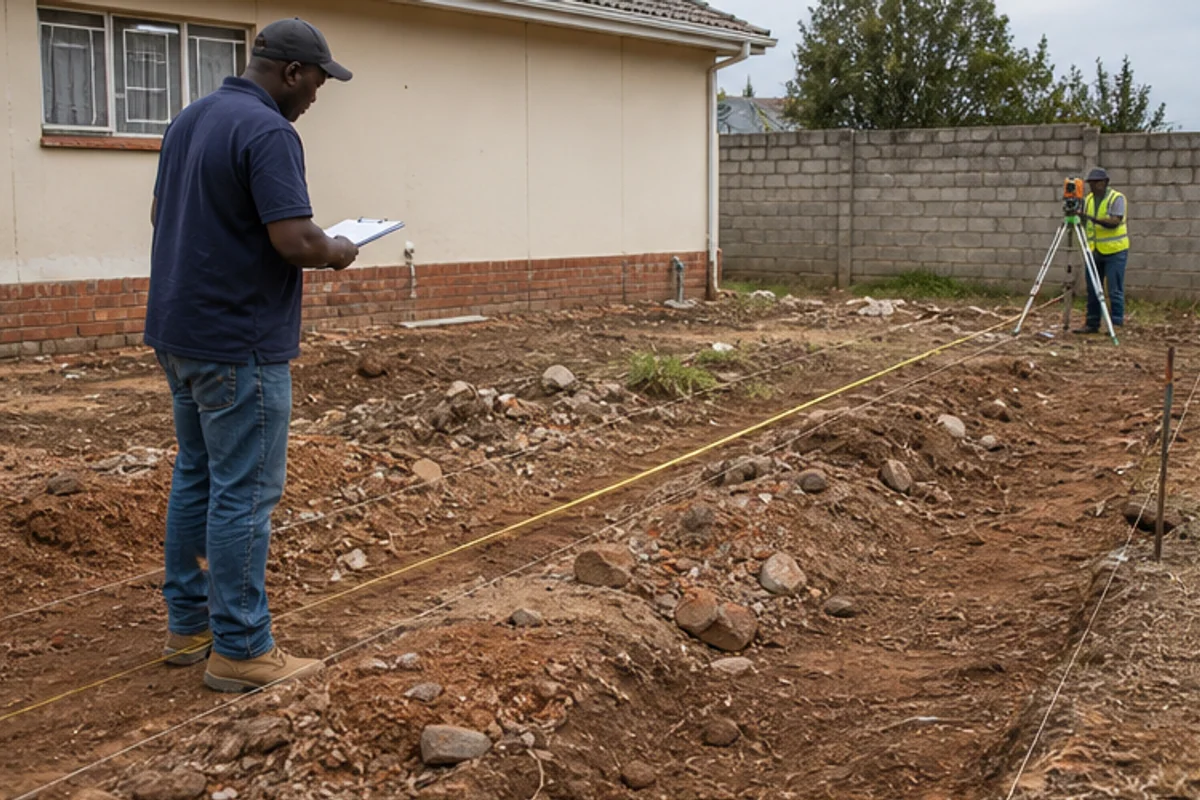
Site access, depth of pits or auger work and the complexity of analysis all change a quote. Hard-to-reach yards or steep drives add labour time and equipment charges.
More complex soil content calls for tailored test protocols. That increases laboratory time and the final fee. Proper sample management and clear briefings keep costs predictable.
- Depth and number of samples — more samples raise cost.
- Analysis complexity — specialised tests add to the bill.
- Site access and labour — delivery and mobilisation affect price.
Clients who invest in good site management find testing is cost-effective. It prevents expensive foundation failures and sharpens construction budgets.
| Cost Driver | Impact | Practical Advice |
|---|---|---|
| Sample depth & count | Higher lab fees, longer field time | Agree sample plan before work starts |
| Access & mobilisation | Extra labour and equipment costs | Provide clear access notes to contractors |
| Analysis complexity | Specialist tests increase turnaround and price | Limit tests to those needed for design and approvals |
Secure Your Site Integrity Before Finalising Building Plans
A timely ground check gives contractors the facts they need to price and plan accurately.
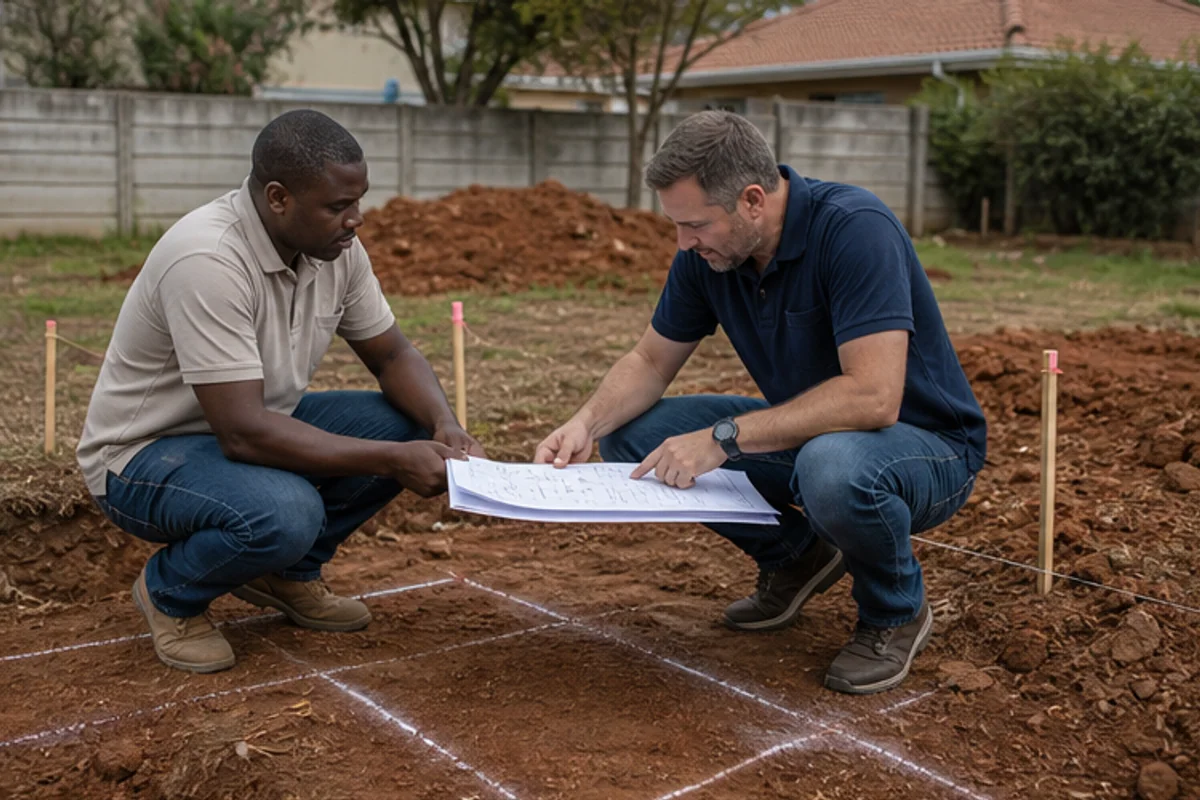
NHBRC requirements mean compulsory soil testing for most new residential development in South africa. Book early: laboratory result timelines vary and can affect approvals and scheduling.
Visit buildingcontractorsinbenoni.co.za to arrange a ground check with accredited teams who collect a proper sample and confirm materials for design.
Our FAQ explains which tests meet NHBRC requirements and typical turnaround for results. Reliable analysis delivers the quality assurance your building needs.
Don’t delay. Use the website to book a ground check and protect your project before final plans are signed.
FAQ
What does Soil Testing and Foundation Advice in Benoni involve — will you check clay heave, made ground and old mining pockets?
The process checks ground behaviour, including clay heave, made ground compaction and signs of historic mining voids. A geotechnical team will inspect the site, take samples, and run laboratory tests to confirm bearing capacity, expansion potential and water table depth. Results guide foundation type, depth and any required ground improvement before building.
How do local ground conditions in Benoni affect building risk?
Benoni is known for reactive clays and past mining activity in places. Reactive clay can expand and shrink with moisture changes, causing movement in footings. Made ground may be compressible or contain debris. Old mining pockets can create voids and variable settlement. A professional assessment highlights these risks so your contractor can design suitable foundations and drainage.
What is clay heave and how is it identified?
Clay heave happens when clay-rich layers absorb moisture and swell, lifting foundations or slabs. It’s identified through boreholes, lab swell tests and site observations of cracking or uneven floors. Knowing the presence and extent of reactive layers lets engineers recommend under-reamed piles, reinforced slabs or moisture-control measures.
Should I be concerned about boreholes and the water table on my property?
Yes. High water tables influence bearing capacity and can increase uplift or reduce strength of made ground. Borehole logs and piezometer readings determine water level variations seasonally. That information affects foundation depth, drainage plans and dewatering needs during construction.
Why are professional testing services essential before you start foundations?
Professional testing gives definitive data for design and cost estimates. It reduces unexpected works, delays and budget blowouts by identifying unsuitable materials, reactive layers or voids early. Engineers use test results to specify the correct foundation system, ground treatments and site management requirements.
How does the quote request process simplify my project?
You request quotes and get matched with qualified contractors who can quote on the basis of the investigation and report. The platform helps collect site information and test findings so contractors provide comparable proposals. That makes it easier to evaluate cost, scope and timelines before committing.
How will I be connected with qualified contractors for foundation work?
Contractors receive the investigation report and project brief. They arrange site visits, assess access, materials and labour requirements, then submit written proposals. Confirm in writing the scope, warranties, start dates and any allowances for variable ground conditions.
Can I compare up to five quotes through your service?
You may request up to five quote options where available. The number of responses depends on contractor availability, access to the site and the level of detail in your brief. Use the comparison to assess methods, timelines and exclusions, not just price.
What guidance do you provide during the building journey?
We help interpret investigation reports, outline typical foundation solutions and list what to confirm with contractors: approvals, required tests, expected timelines, temporary works and warranties. Final design and construction remain the contractor’s responsibility.
What key factors influence foundation and testing costs?
Costs depend on site access, sample depth and frequency, laboratory analyses required, presence of reworked material or contamination, water table conditions and the complexity of recommended foundations. Seasonal access and traffic restrictions in certain Benoni suburbs can also affect pricing.
Which variables most affect my final quote for ground works?
Major variables include extent of made ground or fill, depth to competent strata, requirement for deep foundations or piling, dewatering needs, imported backfill and site-specific safety measures. Unexpected findings during excavation may lead to change orders, so ensure contractors include provisional sums for contingencies.
How do I secure site integrity before finalising building plans?
Commission a full geotechnical investigation early, obtain the lab report and engineer recommendations, and include those in tender documents. Confirm drainage, landscape and stormwater measures to control moisture around foundations. Ask contractors to provide written confirmation of compliance with the engineer’s specification.
What samples and laboratory tests are commonly carried out?
Common samples include disturbed and undisturbed samples from boreholes. Typical tests are Atterberg limits, particle size distribution, bulk density, moisture content, CBR and swell tests. Contamination screening or chemical tests may be required on made ground or near industrial sites.
How long does an investigation and report usually take?
A basic site investigation with reporting typically takes one to three weeks, depending on test frequency and lab turnaround. More complex sites needing additional tests or specialist analysis can take longer. Plan ahead so this phase does not delay approvals or contractor scheduling.
What should I confirm in writing when accepting a contractor quote?
Confirm the scope of works, reference to the geotechnical report, start and completion dates, payment schedule, provisional sums for unexpected ground conditions, health and safety measures, site access arrangements and warranty terms. Clear written terms reduce disputes later.
Are there local Benoni suburbs where ground risk is higher?
Some areas near old mining corridors and certain low-lying sections show higher risk of voids, reactive clays or high water tables. Always commission a site-specific investigation rather than relying on generalised area maps. Local contractors will be familiar with common issues in suburbs across Benoni and Ekurhuleni.
Related building cost guides
Ready to compare?