
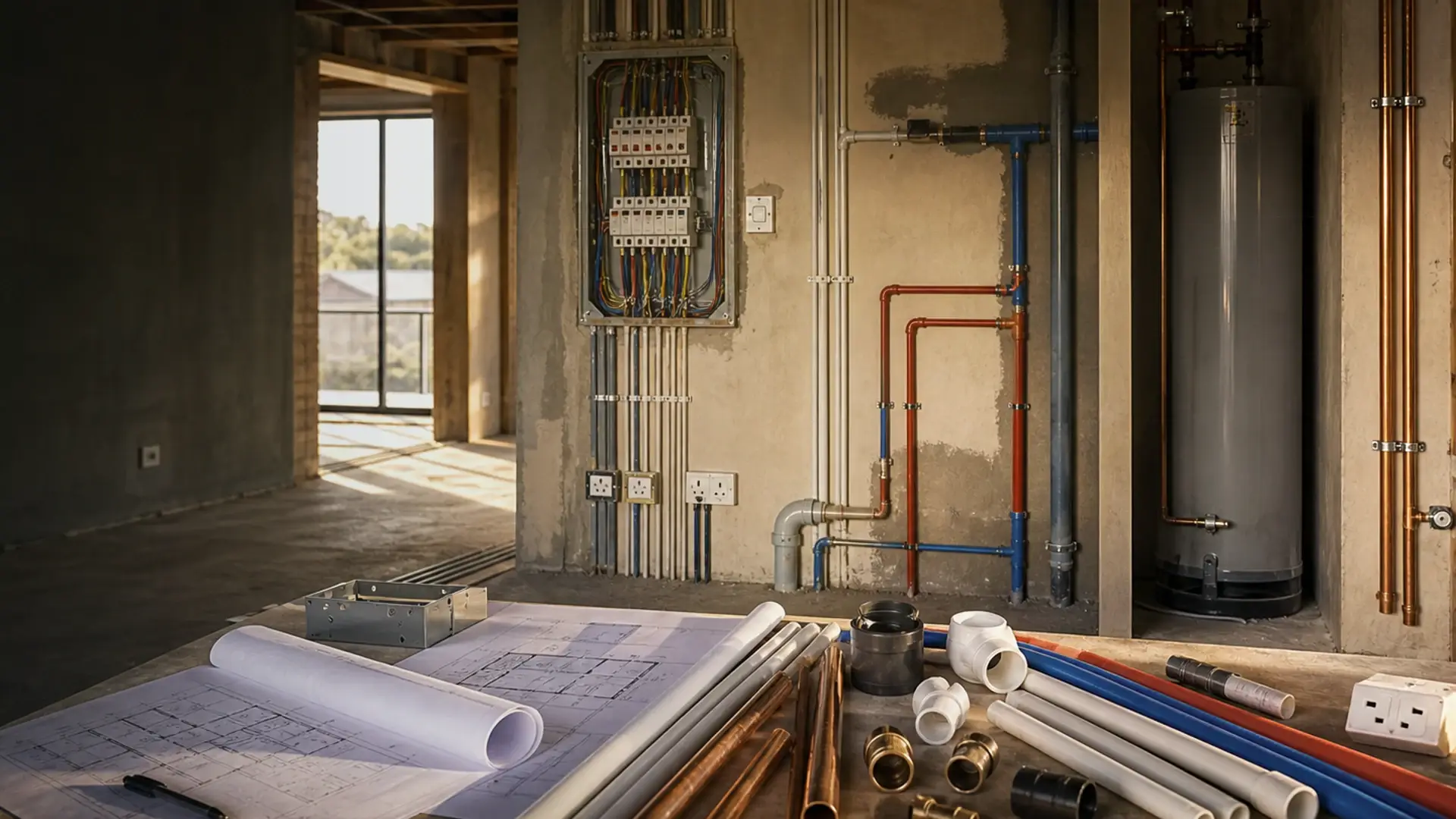
Gas Installers in Benoni
Hobs, geysers, fireplaces, pressure testing, and certificate requirements
Quick answer
Gas installation quotes in Benoni – hobs, geysers and fireplaces by SAQCC-registered installers, with the CoC included in writing.
We connect you with vetted independent contractors in Benoni; typical pricing is on the linked cost guide.
8 min read
On this page
Could a simple safety check save your home from a costly and dangerous fault?
When you plan a new gas hob, geyser or stove installation, safety and a valid certificate matter most. Our platform, buildingcontractorsinbenoni.co.za, links you with licensed gas installers in Benoni so you can compare up to three quotes and choose the right installer for your property.
All installations and modifications are pressure tested for compliance and leak prevention. You should also note that, by law, cylinders may not be installed in the passage of multi‑dwelling buildings.
Every job we list comes with a CoC or a gas certificate after completion. That means the equipment, from water heaters to fireplaces, meets local regulations and works without dangerous flame leaks.
Use the platform to request quotes, confirm certificate compliance, and secure a licensed gas installer who treats your home with care and precision.
Why Professional Gas Installers Benoni Are Essential for Safety
Proper certification changes an installation from risky to verifiably safe for your household and insurer.

The law requires a valid certificate of compliance (CoC) after any fuel work. Only a registered gas installer can issue this document. Without a CoC your insurer may refuse a claim if fire or damage occurs.
The Legal Necessity of a Certificate of Compliance
A CoC proves that a gas installation and each appliance meet national safety standards. It confirms pressure equipment testing and adherence to SANS rules for cylinder placement. Ask the installer to show the certificate before work begins.
Risks of Unlicensed DIY Work
Attempting DIY work is illegal and dangerous. Only a licensed gas professional may perform pressure equipment regulations tests. Unauthorised work risks leaks, voided insurance and non‑compliant commercial gas setups.
- Registered operatives issue certificate compliance documents for gas geysers and other appliances.
- Proper testing uses specialist tools to check pressure equipment and equipment regulations.
- Correct cylinder siting reduces the chance of escapes in multi‑dwelling or residential sites.
Use a trusted platform to request quotes across our building services so you hire registered gas installers who supply a valid coc and full compliance paperwork.
Technical Standards and Property Considerations for Gas Installations
Correct siting and design matter as much as the work itself. Local technical standards control where cylinders, pipes and valves may be sited. Follow rules to avoid leaks, theft and non‑compliance.
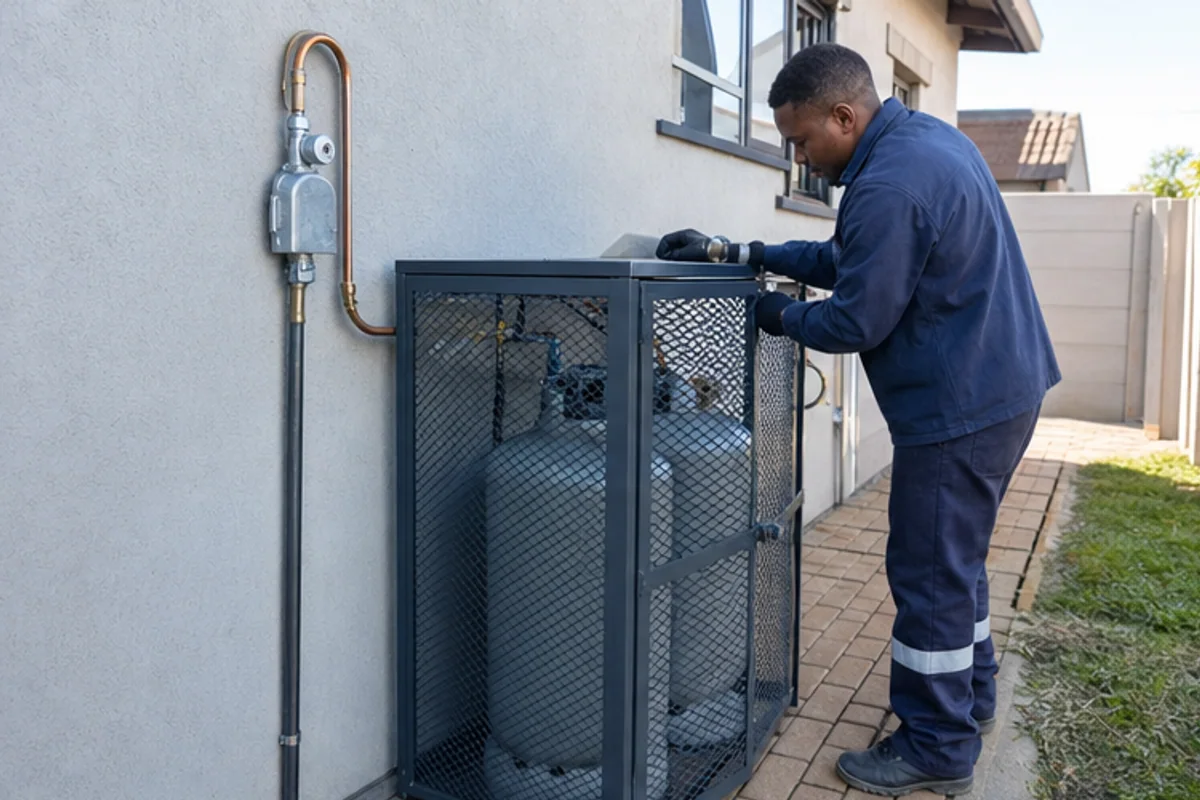
SANS LP‑Gas requirements and cylinder placement
SANS LP‑Gas rules set exact distances and ventilation needs for cylinder enclosures. Estates often demand locked outdoor cages and clear access for inspections.
A licensed gas technician must test pressure equipment and certify fittings to show certificate compliance after work finishes.
Load‑shedding conversions for hobs and geysers
Many homeowners switch from electric water heaters to gas geysers to keep hot water during outages — our geyser installation rules explainer covers both. A proper conversion includes pipe sizing, correct pressure settings and safety shut‑offs.
Commercial systems need bespoke designs to manage higher load and multiple appliances without pressure drops.
Estate and multi‑dwelling constraints
By law cylinders may not be installed in passages of multi‑dwelling buildings. Estates also set rules on outdoor cages, service access and theft prevention.
- Confirm that the contractor follows compliance sans guidelines for hob and stove installation, often part of a kitchen renovation.
- Ensure pressure equipment regulations are followed and pressure tested before a CoC is issued.
- Ask for written confirmation of pipe routing, valve locations and post‑work certificates.
How Our Platform Simplifies Your Quote Request Process
Tell us the basic details of your project and receive up to three competitive, written quotes from vetted professionals.

buildingcontractorsinbenoni.co.za lets you request up to 3 quotes for a gas installation quickly. Supply a short brief, attach photos and pick times for a site visit. The platform does not perform work; it connects you with licensed professionals who will inspect and quote.
Compare scope, materials and labour — against builder and artisan rates — at a glance. Each contractor supplies a clear breakdown so you can check compliance and confirm a CoC is included in the final price.
- Request quotes for stove installation, gas geysers and water heaters — plumbing contractors handle the water side.
- Ask about pipe routing, cylinder siting and warranty details before you accept a quote.
- Use the side-by-side quotes to choose the right balance of cost and service.
| Quote Element | What to expect | Why it matters |
|---|---|---|
| Materials | List of parts and pipework | Shows quality and longevity |
| Labour | Hours and rates | Clarifies the installation cost |
| Compliance | Site visit + CoC on completion | Ensures safe, legal installations |
Request up to three quotes and use the information to make a calm, informed choice for your home or rental property.
Secure Your Property with Certified Gas Solutions
Secure installations start with a clear, written certificate and a registered professional.
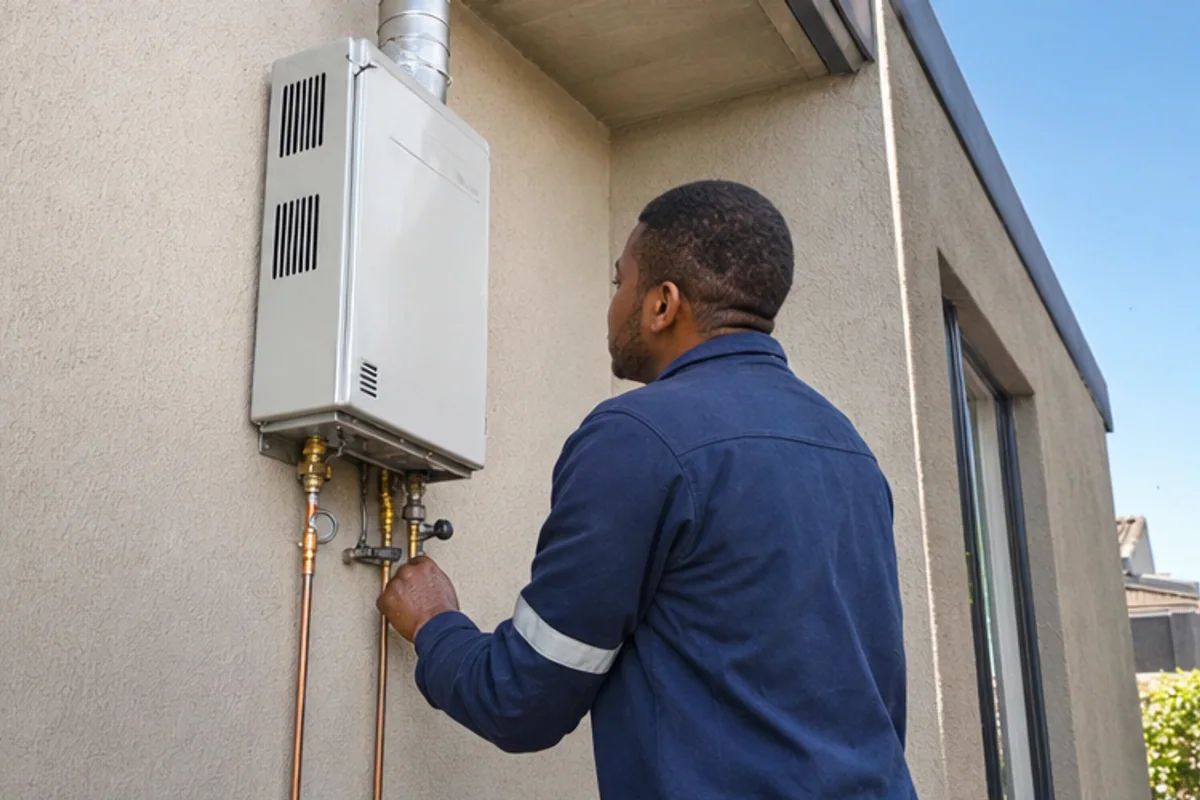
Request a written CoC and check certificate compliance before work begins — it’s one of the certificates needed when selling a house. This keeps your insurance valid and confirms pressure equipment regulations were followed.
Use our platform to compare quotes from registered gas professionals for a gas installation, from simple stove installation to commercial gas systems. Ensure the quote lists installation and certificates separately to avoid hidden costs.
Choose licensed work to protect your family from poor cylinder siting or faulty equipment. Request your quotes today and make a confident, compliant choice for water heaters, gas geysers and hobs.
FAQ
What services are covered under “Gas Installers in Benoni — Hobs, geysers, fireplaces, pressure testing, and CoC quotes”?
The service range includes hob and stove installation, gas water heater (geyser) fitting and replacements, fireplace and heater work, pressure testing of pipework, and issuing a Certificate of Compliance (CoC) when installations meet legal standards. You can also request quotes for commercial connections, cylinder swaps and safety inspections. Make sure any contractor you pick is a registered, licensed installer and provides a written quote and CoC on completion.
Why are professional installers essential for safety?
Professional technicians follow South African National Standards (SANS) and Pressure Equipment Regulations. They size pipework, check pressure and ventilation, install compliant appliances, and fit safety devices. A licensed tradesperson reduces the chance of leaks, carbon monoxide poisoning and fire, and ensures your home meets legal and insurance requirements.
Is a Certificate of Compliance legally required?
Yes. A CoC confirms the installation complies with SANS and other relevant regulations. Most insurers and estate agents require a current CoC for property transfers, rentals and major renovations. Only an authorised person can issue the certificate after a valid inspection and pressure test.
What are the risks of unlicensed DIY work?
Unlicensed work can cause gas leaks, improper combustion, and unsafe pressure in the system. It voids manufacturer warranties and may invalidate insurance. You may also face fines and a refusal to issue a CoC, which complicates property sales or rental agreements.
What SANS LP-Gas requirements affect cylinder placement?
SANS covers safe distances from ignition sources, ventilation needs, secure stands or cages, and correct signage for cylinder storage. Cylinders must be upright, secured and placed on non-combustible surfaces outside or in ventilated enclosures. Installers will assess setbacks, fencing and the route of piping to ensure compliance.
Can a hob or geyser be converted for load-shedding use?
Some hobs and water heaters can be adapted to alternative supplies, but conversions must be done by a registered installer and meet safety rules. Options include manual changeovers to cylinders, installing an automatic changeover valve or fitting an approved hybrid system. Discuss requirements, ongoing running costs and the impact on warranties with your contractor.
Are there special rules for estates and multi-dwelling properties?
Yes. Estates and complexes often have additional rules covering meter locations, communal risers, approved suppliers and restrictions on cylinder storage. Body corporates may require prior approval, specific placement of appliances, and evidence of a valid CoC before any work proceeds.
How does the platform simplify requesting quotes?
Use the platform to request up to three quotes (or more where available) from independent, local contractors. Provide details about appliance type, location, access, materials and any estate restrictions. Contractors handle site visits, final pricing, timelines and warranties. Always confirm scope and payment terms in writing.
What should I confirm in writing before work starts?
Ask for a written quote with labour and materials broken down, an expected start and completion date, warranty details, installer registration or licence number, and confirmation that a CoC will be issued on sign-off. Include access arrangements for site visits and any estate approvals required.
How do installers handle pressure testing and safety checks?
Installers perform a pressure test on the entire system to detect leaks, then check appliance combustion, flue performance and ventilation. They document results, fix any faults and, when the installation meets standards, issue a CoC. Keep the test report and certificate with your property records.
Can I use bottled cylinders or must I connect to piped supply?
Both options are common. Cylinder systems are suitable when piped supply is unavailable or for backup. Piped supply is convenient for continuous use but requires a certified connection. The right choice depends on property layout, expected load, running costs and estate rules.
What approvals or permits might I need?
Depending on the work you may need municipal approvals, estate or body corporate consent, and compliance with Pressure Equipment Regulations. For commercial projects or large appliances, additional permits and inspections may apply. Your chosen contractor should advise and help secure any required approvals.
How do I confirm an installer is registered and trusted?
Request the installer’s registration or licence number, ask for references or recent CoC copies, and check membership of recognised trade bodies. Use the platform to compare multiple quotes and choose contractors with local experience and clear, written terms.
What happens after installation — service and maintenance?
Regular service keeps appliances safe and efficient. Schedule periodic inspections, clean burners and check seals and pressure. Service intervals depend on the appliance; your installer will advise a maintenance plan and can supply ongoing servicing or emergency repairs.
Related building cost guides
Ready to compare?