

Questions to Ask a Builder Before You Sign
Registration, insurance, scope, payment terms, timeline – the answers that separate professionals from problems
In short
The questions to ask a builder before signing – registration, insurance, scope, payment terms, timeline and the answers that matter.
17 min read
On this page
Curious whether your next Benoni build will finish on time, on budget and with quality you can trust?
The key questions to ask a builder before you sign cover registration, liability insurance and the scope of work. Check the building contract for fixed price or estimate clauses and confirm health safety and warranty terms.
Our platform at buildingcontractorsinbenoni.co.za helps you compare builders with relevant building experience. Use our quote request process to receive up to 3 building quotes, or up to 5 where available, so you can weigh price, materials and site access.
Look for companies with years of experience — the industry often benchmarks 30 years, while 41+ years shows long-term reliability. Ask about previous customers, portfolios and design capabilities to assess quality.
Understanding timelines, payment terms, approvals and who handles site visits will protect your money and reduce surprises. Contact our platform today and get the facts you need before committing to any major construction work.
Essential Questions to Ask a Builder Before You Sign
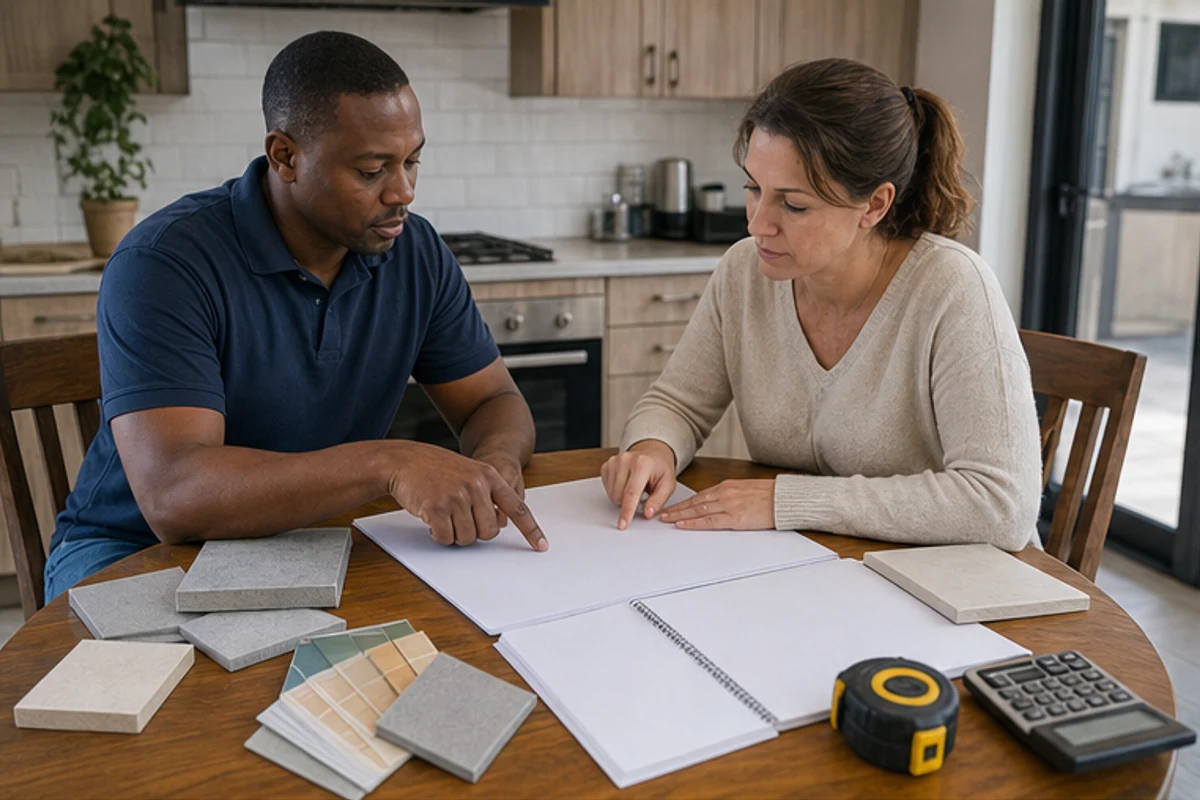
Check a builder’s history and stability before you commit to any contract. In Benoni, companies with 41+ years show they can survive downturns and still deliver quality on a new home.
Make sure you review references and past projects. Speak with former clients about communication, timelines and workmanship. Good feedback highlights clear site management and reliable finishes.
Use these prompts when you ask builder for clarification:
- How long has the team operated in Benoni and nearby suburbs?
- Can previous clients confirm timely completion and warranty fulfilment?
- Does the firm have experience with this specific design and materials?
“Experience matters. Longevity often shows resilience and consistent standards.”
Choosing builder with proven track records gives peace of mind, and our guide on how to choose a builder sets out the checks. If the professional answers openly, you gain confidence before signing any document.
Verifying Professional Credentials and Registration
Professional credentials and clean records reduce risk and protect your home during any construction project.
Trade Association Membership
Trade associations offer current guidance on best practice, safety and material standards. They help teams share updates about the industry and new regulations.
Request proof of membership and recent CPD or training certificates. This shows a company follows recognised standards and keeps skills current.
Checking Company Registration
Confirm the company is registered as a limited entity — the same registration check behind how we vet contractors. This separation provides legal clarity and can limit personal liability if disputes arise.
- Ask builder representatives for documentation of active registration and clean records for the past five years.
- Verify years of experience listed and any past claims or judgements against the company.
- Make sure builders maintain a tidy site and vet staff to protect your home during building work.
Tip: Cross-check registration numbers with the relevant South African registry and keep copies with your contract.
Assessing Relevant Construction Experience
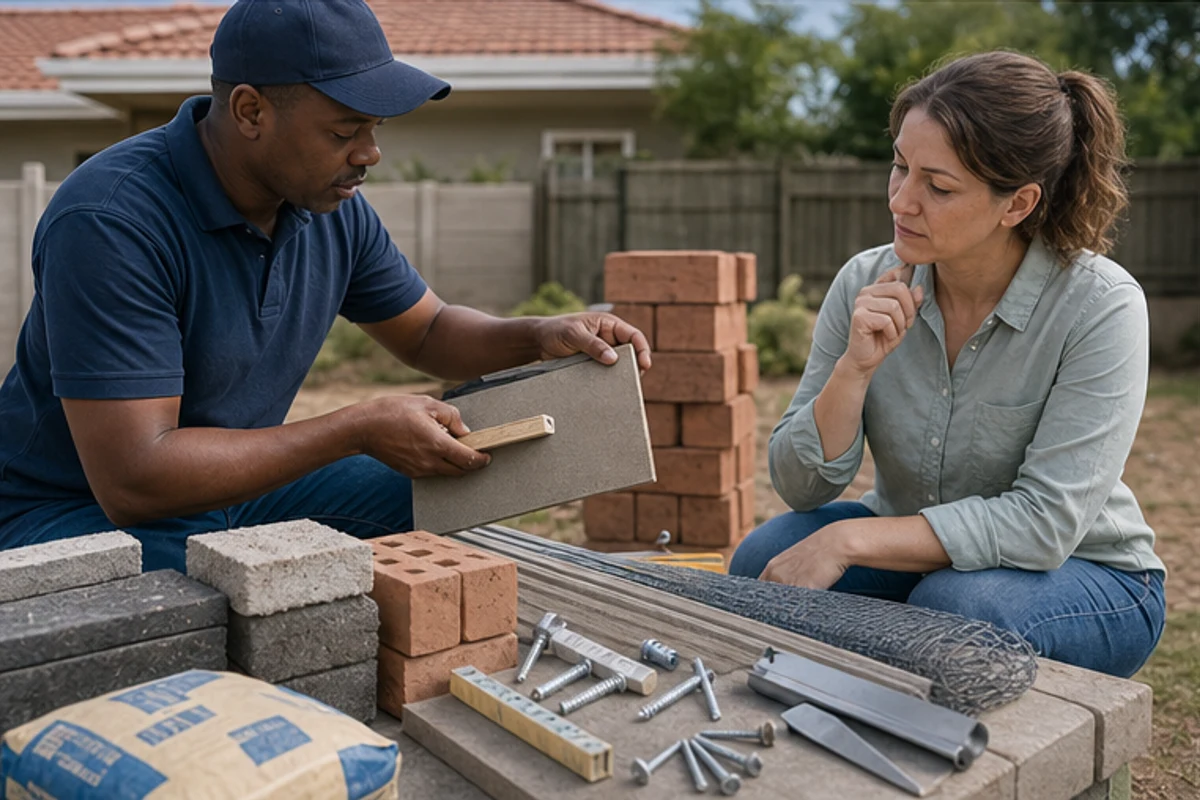
Confirm that previous work reflects the same scale and finish you expect for your new home in Benoni.
Start by checking how many years the company has operated locally.
Focus on projects of the same size and complexity. Request examples of similar homes and inspect finishes, layouts and site management. Established local builders, for example, bring decades of construction experience and adapt well when plans change.
Make sure the team has established trades and supply lines. Reliable connections reduce delays and improve quality on site.
- Review a portfolio of completed homes that match your design.
- Confirm the scale — single-storey, double-storey or large custom builds.
- Note any repeat clients or local references for comparable work.
“Longevity in the industry often shows resilience and consistent standards.”
When you ask builder candidates for evidence, insist on written examples and contact details for past clients — our building guides cover what to request. This gives clear proof of capability before you sign.
Understanding the Scope of Work and Materials

Clarify what the contract covers and which items sit outside the quoted work. This stops confusion about finishes, fixtures and who pays for extras — and heads off the common building contract mistakes that cost homeowners.
Defining Inclusions and Exclusions
Ask for a written list that names every inclusion and every exclusion. That list should cover fixtures, fittings and finishes.
Make sure the document states who supplies doors, taps, kitchen units and built-in appliances. Note any provisional sums or allowances and how they will affect final costs, and sanity-check labour against builder and artisan rates.
Material Sourcing Standards
Check where materials come from and the grade or brand expected on site.
Insist on supplier names, lead times and replacement rules. Good sourcing standards reduce delays and protect your home’s finish.
Understanding Fixed Price Contracts
A fixed price contract, or lump sum, binds the price for agreed work even if unforeseen issues arise. This gives greater cost certainty for your build.
Compare that with cost-plus arrangements and decide which suits your budget and design changes. The site manager should explain how they will manage time and meet the design brief.
“Clarity in the scope and the materials list saves money, time and stress during construction.”
- Insist the building contract lists materials and scope in detail.
- Confirm sourcing standards and brands for critical finishes.
- Choose the right contract type for your price certainty and project risk.
Evaluating Financial Stability and Company History
A quick check of company history can save months of delay and unexpected costs on your build in Benoni.
Investigate directors carefully. Find out if any director has dissolved previous businesses. That can flag poor financial management or repeated disputes.
Make sure the company publishes clear records of past projects and payment practices. Transparency shows the firm manages cash flow and meets supplier accounts.
- Request the director’s company history and evidence of stable accounts.
- Check for ongoing disputes; unresolved claims may affect your timeline and work quality.
- Look for many years of experience and a list of satisfied customers for similar homes.
Before you sign the contract for your home, be comfortable with the firm’s financial health. Experienced builders will share records and referees willingly. That openness helps you choose a builder who will see the work through to completion.
“Financial clarity today reduces surprises on site tomorrow.”
Clarifying Insurance and Liability Coverage
Confirm insurance cover early so your project and property remain protected throughout construction.
Home Indemnity Insurance protects your home if the builder dies, becomes insolvent, or cannot complete work. Keep this certificate with contract paperwork.
You must make sure liability insurance is valid. This covers damage to third parties during works on site.
- Verify professional indemnity and workers’ compensation for everyone who works on site.
- Request copies of each insurance certificate before work starts; keep them with your contract.
- A company that cannot provide proof of cover represents a major risk; avoid them.
“Insurance documentation is your best safeguard against unexpected loss or delay.”
| Policy | Purpose | What to check |
|---|---|---|
| Home Indemnity Insurance | Protects homeowner if contractor fails | Expiry, claims history, and scope of cover |
| Public Liability | Covers third-party damage or injury | Limit per claim and active status |
| Professional Indemnity & Workers’ Comp | Design errors and workforce injuries | Policy limits and named insured company |
Reviewing Health and Safety Procedures
A clear health safety policy protects your home, workers and visitors during construction. Before work begins, request written proof of the site’s safety policy and current certificates. This shows the team understands legal obligations and daily risk control.
Check the site management plan. It should outline daily routines, access control, PPE rules and how materials are stored. Short, practical plans reduce accidents and delays on local Benoni projects.
Make sure there are written fire safety and emergency procedures. These must cover evacuation, onsite first aid and contact numbers for emergency services.
- Request the health safety policy and certificates before signing the contract.
- Confirm site layout matches safety drawings when you visit.
- Ensure safety clauses in the contract hold the builders accountable for compliance.
“A safe site is a controlled site — and control keeps projects on schedule.”
Establishing Communication and Site Management
Clear lines of communication and simple site routines reduce delays and protect your budget. Good management gives you one reliable point of contact and helps the project stay on time.
Role of the Site Manager
The site manager oversees daily construction work and controls quality, costs and schedules. They coordinate trades, manage deliveries and log progress.
Make sure the contract names that person and lists responsibilities. This ensures the home project has an accountable on-site lead.
Preferred Communication Methods
Agree how you will receive updates: regular meetings, short site visits or email summaries. Pick a method that fits your schedule and the company’s routines.
- Confirm access times so visits do not disrupt work.
- Set a preferred point for urgent calls and a weekly progress note.
- Record decisions in writing and attach them to the contract.
“A single contact and clear reporting keep the build running and reduce surprises.”
Navigating the Quote Request Process
Start your quote process in Benoni by specifying the exact work and desired finishes for your home. Clear briefing makes quotes comparable and protects your budget.
Use our quote request process at buildingcontractorsinbenoni.co.za to receive up to three building quotes, or up to five where available. This helps you compare price, materials and local access arrangements.
Request fixed price quotes rather than loose estimates. An estimate is a rough guess; a fixed price provides a binding total for the agreed work.
- Ensure the contract lists all items, materials, VAT and site allowances in writing.
- Insist on a detailed breakdown that shows labour, materials and provisional sums.
- Confirm who handles approvals, site visits and final handover in the contract.
“A clear, fixed price quote removes surprises and lets you compare true value.”
| What to request | Why it matters | Red flag |
|---|---|---|
| Fixed price total | Cost certainty for the full scope | Only verbal or approximate figure |
| Itemised breakdown | Shows materials, labour and VAT | Vague lump sums without detail |
| Scope and exclusions | Prevents later disputes over work | Missing exclusions or provisional sums |
Compare the final quotes on our platform, check references and choose the offer that balances price and proven quality for your Benoni project.
Comparing Multiple Building Quotes
Compare multiple building quotes in Benoni so you can spot differences in scope, materials and final price. A single figure rarely tells the full story.
Get at least three written proposals where possible. Our platform helps you request up to 3 quotes, or up to 5 where available, so you can compare price, reputation and access arrangements.
When you ask builder candidates for quotes check inclusions, provisional sums, lead times and who handles approvals. Builders often price labour and materials differently; read line items carefully.
- Match each quote against the same scope and finishes.
- Identify omissions that reduce an initial cost but add expense later.
- Look for inconsistency in site allowances, access fees and warranty notes.
Comparing costs across several proposals shows who has realistic margins and who may under-price work to win a job. Use this process to protect your money and choose a reliable option for your home project.
“Multiple detailed quotes reveal the real price and reduce surprise costs at handover.”
Defining Project Timelines and Deadlines
Set realistic build milestones early. The average construction for a new home in Benoni runs between 12 and 24 months depending on size and complexity.
Get a clear schedule that lists start and completion dates, plus phased targets for design approval, foundations, roofing and finishes. This helps you plan moves, finance and site access.
“Including fixed dates in the building contract reduces disputes and keeps the work focused.”
Insist the contract includes a contingency plan for delays. Good panels plan for weather, materials backorders and workforce changes so the process stays manageable.
- Request a detailed programme covering design, construction phases and handover.
- Confirm how the size of the project changes time estimates and who signs off each phase.
- Make it clear what triggers extensions and how variations affect cost and time.
| Item | Why it matters | What to confirm in writing |
|---|---|---|
| Start date | Sets mobilisation and deliveries | Named start day and penalties for delay |
| Completion date | Protects occupancy plans | Final handover date and practical completion definition |
| Contingency plan | Manages unforeseen delays | Mitigation steps, revised timetable and communication process |
| Phase milestones | Tracks progress across trades | Key inspections, approvals and sign-offs per stage |
Ensuring Quality Through Warranties and Aftercare

Warranties and aftercare are the clearest signs a company stands behind its work and materials. Look for written guarantees that remain valid if the firm stops trading. An insurer-backed warranty gives long-term protection for your new home.
Structural and non-structural guarantees should be detailed in the contract. Structural cover normally spans several years and must state what is included. Non-structural items carry shorter periods but still require clear scope and remedy steps.
Structural and Non-Structural Guarantees
- Confirm the warranty period and what triggers a claim.
- Check that labour and materials are both covered under the guarantee.
- Ensure aftercare support is available and documented for clients after handover.
Keep the warranty certificate with your contract. That paper trail proves the policy can be relied upon if defects appear. Quality aftercare shows true commitment to satisfied customers and ongoing home care.
“An insurer-backed warranty protects your investment and gives peace of mind during the years after practical completion.”
| Guarantee type | Typical period | What to verify |
|---|---|---|
| Structural | 5–10 years | Insurer backing, defect definitions, claim process |
| Non-structural | 1–2 years | List of covered items, repair times, exclusions |
| Materials & labour | Varies by product | Named brands, workmanship clauses, restoration terms |
Securing Your Project Success with Our Platform
Make your Benoni build simpler by relying on our platform at buildingcontractorsinbenoni.co.za.
Our quote request process helps you compare prices, materials and timelines so you save time and reduce risk.
Receive up to three written quotes, or up to five where available, from independent, local trades. Each submission helps you check credentials, warranties and practical completion dates before signing any contract.
Contact us today to start your journey and connect with vetted professionals who can help deliver your home vision.
Use our tools for clear scope, written milestones and fair pricing so your home project runs on schedule and finishes well.
FAQ
What should I check about registration and company status before signing a contract?
Check the builder’s company registration with the Companies and Intellectual Property Commission (CIPC), VAT registration if applicable, and proof of Public Liability insurance. Ask for a valid tax clearance or registration details and confirm the physical business address in Benoni or nearby suburbs like Rynfield or Brentwood Park.
How can I verify trade association membership and professional credentials?
Request membership details for recognised bodies such as the National Home Builders Registration Council (NHBRC) for new homes, the Master Builders Association, or the South African Institution of Civil Engineering for specialist work. Ask for membership numbers and verify them with the relevant association.
What evidence should a builder give for relevant construction experience?
Ask for recent project summaries, contactable client references, and photos of completed work similar to your scope — renovations, extensions, or new builds. Check projects completed in Gauteng and, where possible, visit a live or finished site to assess workmanship.
How do I confirm the scope of work and avoid scope creep?
Insist on a detailed scope in the contract listing inclusions and exclusions, materials, finishes, floor areas, and specific trades. Ensure change-order procedures and pricing are written down so any variations require written approval before work proceeds.
What should be included under defining inclusions and exclusions?
Inclusions should cover materials brand or grade, fixtures, workmanship, site clearance and waste removal, and installations. Exclusions might list landscaping, special finishes, municipal connection fees, or appliances. Clear lists prevent misunderstandings later.
How do I assess material sourcing standards?
Ask which suppliers the builder uses, whether materials are new and from recognised brands, and if warranties from manufacturers apply. Confirm who approves substitutions and how quality is checked on delivery and installation.
What does a fixed-price contract cover and what are the risks?
A fixed-price contract sets a total sum for the defined scope and protects you from many cost variations, but it must include clear definitions of scope, site conditions, and allowances. Check how unforeseen works, latent defects or statutory fees are handled, and whether there are escalation clauses for materials or labour.
How should payment terms be structured?
Expect staged payments tied to milestones: deposit, practical completion of stages (foundation, roof, lock-up, completion). Avoid large upfront payments. Confirm retention amounts, final payment terms and that invoices and receipts will be provided for each instalment.
How long will the project take and how are timelines managed?
Ask for a written programme showing start date, key milestones, and completion date with allowance for reasonable delays. Confirm procedures for variations, how weather or supply issues affect timelines, and penalties or extensions clauses in the contract.
How do I evaluate the builder’s financial stability and company history?
Request trading history, how long the company has operated in Benoni, and client references. You can ask for bank references or proof of credit facilities for large projects. A stable supplier list and steady subcontractor relationships indicate reliable operations.
What types of insurance and liability cover should the company hold?
Essential covers include Public Liability insurance, Contract Works insurance, and for new homes NHBRC enrolment where applicable. Confirm policy limits, expiry dates and whether policies cover third-party damage, theft from site, and structural defects during the build period.
Who is liable for damage or injury on site?
Liability depends on contract terms and insurance. The builder should carry Public Liability and Contract Works cover. Ensure subcontractor insurance and confirm whether you need homeowner insurance for certain risks. Get this in writing.
What health and safety procedures should be in place?
The builder should follow the Construction Regulations under the Occupational Health and Safety Act. Ask for a site-specific health and safety plan, proof of safety officer or manager, incident reporting procedures, PPE enforcement, and regular toolbox talks.
What is the role of the site manager and who do I contact on-site?
The site manager oversees daily operations, quality control, subcontractors and safety compliance. Confirm their name, working hours, contact number and escalation process. Ask who deputises when they are absent.
What are the preferred communication methods during the build?
Agree upfront: site meetings, weekly progress reports by email or WhatsApp, and a single point of contact for decisions. Put instructions and approvals in writing. Regular photographs and short progress updates help avoid misunderstandings.
How does the quote request process work on the platform?
You can request up to three independent quotes, or up to five where available. The platform passes your brief to local contractors in Benoni; contractors arrange site visits and supply final quotes. The platform does not perform site visits or complete the work itself.
How should I compare multiple building quotes?
Compare the scope, materials, exclusions, warranties, timeline, payment schedule and contractor credentials. Look beyond price: check references, previous work and detailed breakdowns for labour and materials to identify hidden costs.
What should a realistic project timeline include?
A programme with start and completion dates, stage milestones, lead times for materials, expected inspection dates and contingency allowances. Ensure the contract explains extensions for events beyond the builder’s control and remedies for missed deadlines.
What warranties and aftercare should I expect?
Expect structural guarantees for new builds (NHBRC enrolment where applicable) and workmanship warranties for trades like plumbing and electrical. Ask for written warranty periods, what they cover, and how defects are reported and fixed after completion.
Are there separate guarantees for structural and non-structural work?
Yes. Structural guarantees cover load-bearing elements and major defects; non-structural warranties cover finishes, fittings and installation. Check durations and whether the builder or manufacturer provides each guarantee.
How can the platform help secure my project success?
The platform connects Benoni property owners with local, registered contractors and helps you request up to three quotes, or more where available. We provide guidance on what to check in writing, but contractors remain responsible for site visits, final quotes, work, timelines and warranties.
Related building cost guides
Ready to compare?