

How to Choose a Builder in Benoni
Credentials, local references, quote quality and gut-check red flags – a practical selection method
In short
Choosing a builder in Benoni – a practical checklist covering credentials, local references, quote quality and the red flags to walk from.
11 min read
On this page
Can one quick quote really tell you the truth about a building project’s future? That question matters when you protect your property investment in Benoni.
Knowing how to choose a builder in Benoni — vetting credentials and local references — saves time and expense. A professional builder will work with architects and follow approved design and construction standards to keep the build on schedule.
Confirm the NHBRC five‑year structural warranty and check every item, material and labour cost in the quote. Quality control matters for long‑term durability of your home and other building projects in this area.
Our platform at buildingcontractorsinbenoni.co.za helps you request multiple quotes and compare service, warranty and local experience. Use that guidance to spot red flags, verify builders and protect your investment.
Understanding the Construction Landscape in Benoni

Knowing where costs come from helps you set a realistic budget for building or remodelling in Benoni. Local rates, contractor types and project scope all influence the final spend, as our Benoni building guides explain.
By 2026, local prices are forecast between R10,000 and R20,000 per square metre. Labour usually makes up 25–30% of the total construction costs in South Africa. That benchmark helps you check quotes and assess value.
Types of building contractors
- Small specialised contractors — ideal for renovations and extensions.
- Main contractors — manage large projects and new home builds with full site supervision.
- Subcontractors — trade-specific services such as roofing, electrical or plastering.
Market price expectations
Prices vary by property class. Luxury properties command higher rates than standard houses. Remodelling often costs more per square metre than bulk new construction because of site work and finishes.
“Effective project management keeps labour and materials within your budget while protecting quality.”
| Item | Typical Range | Notes |
|---|---|---|
| Price per m² | R10,000 – R20,000 | Depends on finishes and project size |
| Labour share | 25% – 30% | Standard industry benchmark |
| Project types | Renovations, extensions, new home | Different pricing structures |
Practical tip: Compare rates across several builders near me in Benoni and confirm what is included in writing. That protects your property and budget.
How to Choose a Builder Benoni Residents Can Trust
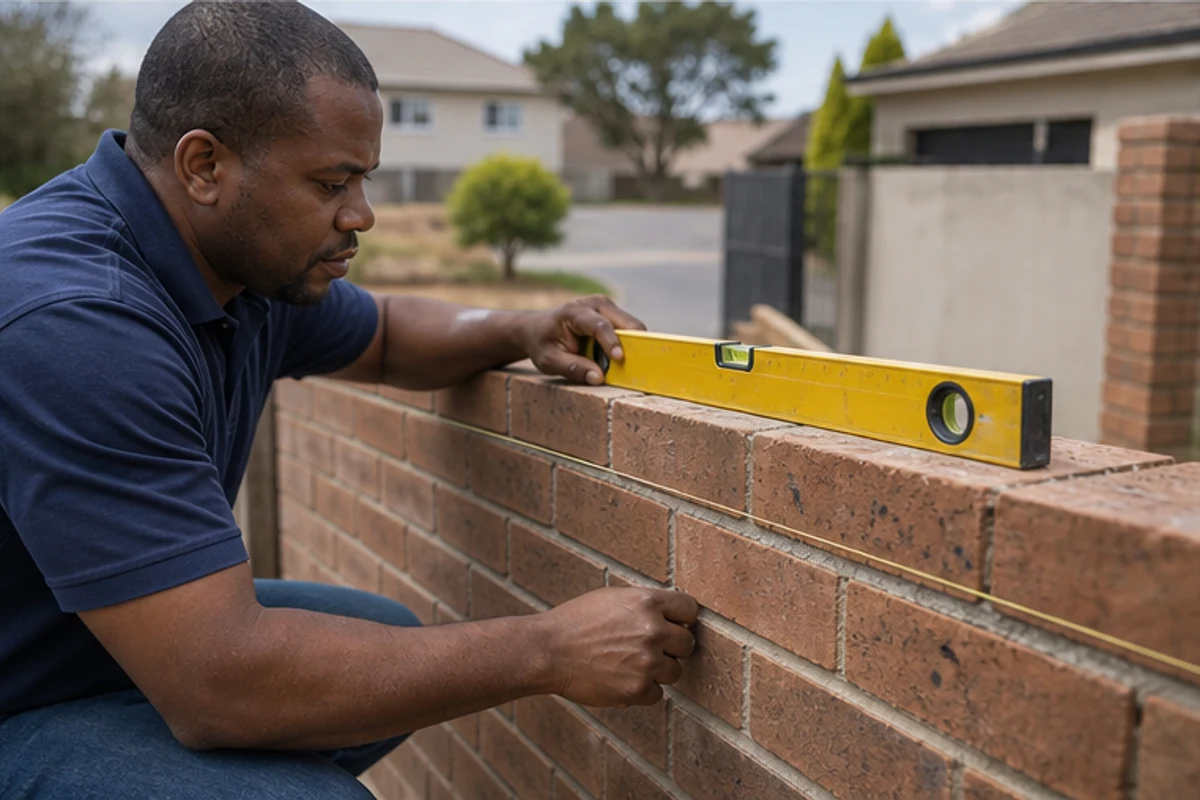
Local registration and written warranties protect your property long after handover.
Start by checking the builder’s NHBRC status — and how we vet contractors — so a valid warranty comes with the work. A registered building contractor must offer the standard home warranty that covers structural risk.
Insist on a detailed building contract and ask the right questions before you sign. The contract should list the scope, design drawings, materials and specific items included. Clear payment terms and timelines must be in writing.
Review past projects and ask for references from recent clients, and bring our list of questions to ask a builder to every meeting. That shows the contractor’s quality and the type of construction they manage.
- Confirm NHBRC registration and the warranty.
- Check the building contract lists items and materials.
- Ask how sub-contractors are managed and supervised.
- Request clear communication on changes and service delivery.
“A comprehensive contract protects your investment and keeps the team accountable.”
Essential Vetting Criteria for Your Building Project
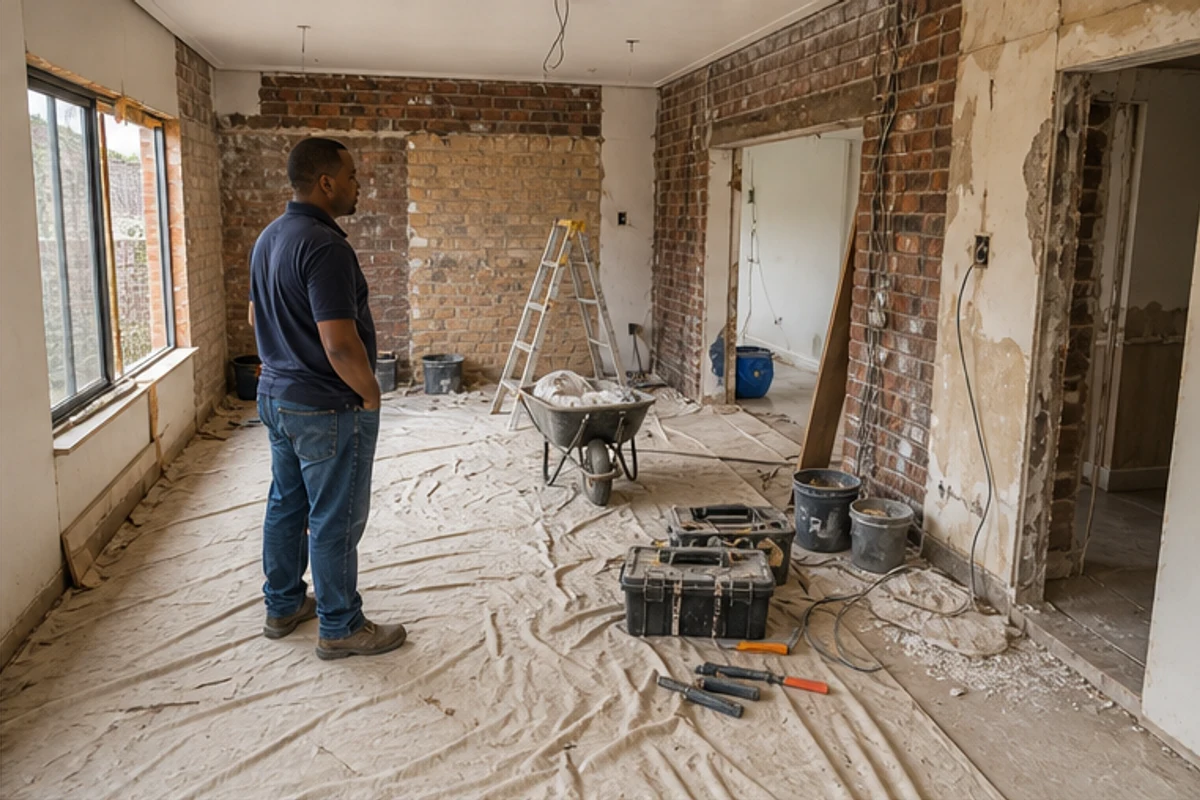
Before signing any contract, confirm the credentials and local references that prove a contractor’s track record. This step protects your budget and sets realistic expectations for costs and timelines.
Verifying credentials and references
Check NHBRC registration and the five‑year structural warranty mandated for any new home construction — this is your own due diligence, alongside how we vet contractors on the platform. Ask for recent client contacts and visit past projects where possible.
Request proof of insurance, tax clearance and trade affiliations. These documents show the contractor meets legal and professional standards.
Assessing quote quality
A robust quote lists labour, materials, project management fees and all items included in the building contract. Our guide on how many quotes to get explains why you compare at least three to validate prices and rates.
Watch for vague line items or big gaps in material details. Transparent pricing reduces the risk of surprise costs during remodelling or extensions.
The importance of site visits
Professional contractors perform thorough site visits before finalising a price. A site assessment reveals ground conditions, access issues and potential design changes.
Insist on a site report that feeds into the final quote. That document helps your project management and keeps the build on budget and schedule.
“A detailed quote and on‑site inspection form the basis of responsible construction.”
Navigating Local Environmental and Regulatory Challenges
Local ground conditions and municipal rules shape realistic cost estimates for any construction in this area.
Managing Clay Soil and Weather Conditions
Clay-rich soil in this region demands specific foundation engineering. That raises initial costs but prevents long-term structural damage to your property.
Professional contractors will include site testing and engineered footings in their pricing. This keeps the house stable and protects your money over the long term.
Weather also affects timelines and material selection. Wet seasons can delay work and increase prices for some materials and services.
- Site testing and engineered foundations reduce risk.
- Allow contingency in the contract for weather-related delays and material rate changes.
- Confirm the contractor understands local approvals and municipal rates.
“Plan for soil and regulatory costs up front; it saves time and protects the final value of the home.”
| Factor | Typical impact | Action |
|---|---|---|
| Clay soil | Higher foundation cost | Soil test and engineered footings |
| Weather | Timeline delays, price variance | Allow contingency in schedule and pricing |
| Municipal approval | Mandatory before work | Submit compliant plans; confirm approvals in writing |
Identifying Red Flags During the Quote Process

Early red flags in pricing signal risk to your project schedule and final quality.
Spotting issues in quotes protects your budget and money from avoidable loss.
Watch for these warnings:
- Demands for huge deposits before any documented work or site visit.
- No physical address or office listed — accountability matters in this industry.
- High‑pressure tactics that rush you into signing a contract without reviewing items and costs.
A professional contractor provides a clear pricing breakdown for materials and labour. They never force you to sign the building contract on the spot.
Refusal to explain pricing or reluctance to supply a written warranty often means poor quality of work may follow. Always inspect the site with the provider so they understand design limits and remodelling challenges.
“A detailed quote that reflects actual construction needs protects your money and gives you control.”
| Red flag | What it means | Action |
|---|---|---|
| Large upfront deposit | Risk of non‑completion or cash flow problems | Insist on staged payments in the contract |
| No physical address | Limited accountability in disputes | Verify registration, local rates and a contactable office |
| Vague pricing | Hidden costs for materials or work | Request itemised quote and site report |
| No written warranty | Poor protection for structural faults | Require documented warranty before you sign |
Stay vigilant during the quote process. Make sure the final price and contract match the design and construction needs of your project.
Securing Your Project Through Our Quote Request Process
Secure clarity and control for your construction by requesting matched, pre-screened quotes through our platform at buildingcontractorsinbenoni.co.za.
Our platform connects you with up to five independent building contractors who handle site visits, final quotes, timelines and warranties for your building projects.
When you receive quotes, make sure you compare items, services and prices so the cost and quality match your budget and project needs. Request building quotes to get matched with vetted local contractors.
Effective project management is easier with multiple quotes. Use the range of competitive rates to pick the contractor that fits your property and schedule.
Take the first step: request matched, pre-screened quotes and start your construction project with confidence and clear comparisons.
FAQ
What credentials should I check when hiring a building contractor in Benoni?
Check a valid CIDB grading if the project is large, a VAT registration or tax reference, and proof of business registration. Ask for professional memberships such as the Master Builders South Africa or a relevant trade association. Confirm insurance cover for public liability, construction all‑risk and workers’ compensation. Request copies of these documents and keep them with your file.
Which local references are most useful for assessing a contractor’s work?
Request at least three recent Benoni or East Rand references for similar projects — new homes, renovations or extensions. Visit completed sites when possible, ask about timelines, how defects were handled and whether the final account matched the quote. Speak with property owners and, if available, local suppliers who can confirm payment records.
How do I judge quote quality from different contractors?
A good quote lists scope of work, provisional sums, exclusions, materials with brands and sizes, labour rates, payment schedule and a realistic timeline. It should state who will manage the site, what warranties apply and how variations are handled. Avoid quotes that are vague on materials or that promise a much lower price without written detail.
Why are site visits important before accepting a quote?
Site visits let contractors assess access, ground conditions, drainage and neighbouring properties — all factors that affect cost and programme. They also reveal hidden work such as services diversion or foundation strengthening. Insist on a site inspection and a written quote that reflects what was seen on site.
What types of building contractors operate in Benoni?
You will find general building contractors, specialist sub‑contractors (plumbing, electrical, tiling), renovation specialists, project managers and design‑and‑build firms. Choose based on project type: a general contractor or project manager for full builds, and specialist contractors for single‑trade work.
What are reasonable market price expectations for common projects?
Prices vary with materials, finishes and site complexity. Expect higher rates for projects that need soil stabilisation, sectional approvals or specialist finishes. Get at least three quotes where available, compare line‑by‑line, and allow a contingency of 10–15% for unforeseen costs.
How should Benoni soil and weather conditions affect my building plans?
Much of the area has reactive clay soil requiring appropriate footings, damp‑proofing and possible soil treatment. Design for summer thunderstorms with adequate drainage and roof overhangs. Ask contractors about foundation methods, site drainage plans and any extra costs for ground stabilisation.
What common red flags should I watch for during the quote process?
Be wary of contractors who demand large upfront cash payments, refuse site visits, provide overly low estimates without detail, or cannot supply recent references. Also avoid those without written contracts, proper insurance or clear warranties. Trust your gut if communication is evasive or timelines are unrealistic.
What should a proper building contract include?
The contract should state the full scope of work, detailed pricing, payment schedule, programme and completion date, retention or defects liability period, variation procedures, dispute resolution steps and warranty terms. Both parties must sign and keep a copy.
How can I use the quote request service to secure competitive bids?
Provide a clear brief, plans and budget range, and allow contractors to visit the site. Request up to three quotes, or up to five where available, from independent contractors. Make sure each quote uses the same scope so you can compare prices, materials and timelines fairly.
What local suburbs and site access issues should I mention to contractors?
Tell contractors your exact Benoni suburb, street access width, parking, gate codes and any restricted working hours. Note proximity to neighbours, conservation areas or protected trees. These details affect logistics, labour tools and cost, so include them upfront.
How are materials and labour costs typically itemised in quotes?
Quotes should separate materials by type and brand, include provisional sums for supply variability, and list labour as hours or percentage of the work. They should also show rates for subcontractors and any provisional allowances for fixtures, fittings and municipal connections.
What warranties and aftercare should I expect from contractors?
Most reputable contractors offer a defects liability period (commonly 3–12 months) and specific warranties for installations like roofing or damp proofing. Confirm who will handle remedial work, response times for defects and whether warranties are backed by suppliers or insurers.
When is it worth hiring a professional project manager or quantity surveyor?
Use a project manager for larger or complex builds where coordination across trades matters. A quantity surveyor helps on cost control, detailed bills of quantities and valuing variations. These services add cost but reduce risk of budget overrun and disputes.
What approvals and local regulations must I consider in Benoni?
Check municipal building plan approvals, zoning restrictions, water and sewer connections, and compliance with SANS standards. Some projects need engineering designs or home owners’ association consent. Confirm who will obtain the approvals and include this in the contract.
How can I ensure clear communication and progress monitoring during the build?
Agree on a communication plan: regular site meetings, progress reports, milestone payments tied to work completed and photographic records. Require written variation orders for any scope or cost changes and keep an organised project folder with contracts, permits and warranties.
Related building cost guides
Ready to compare?