
Plastering and Skimming Contractors in Benoni
Skimming, patch repairs, Rhinolite work, and smooth internal finishes
Quick answer
Plastering and skimming quotes in Benoni – crack repair, Rhinolite skims and prep work priced per m² with finish standards stated.
We connect you with vetted independent contractors in Benoni; typical pricing is on the linked cost guide.
17 min read
On this page
Curious which local option gives the best value without surprises? Finding reliable plastering contractors Benoni for a home or commercial project can feel confusing. Start by checking local standards, access, materials and approvals for interior and exterior walls.
At buildingcontractorsinbenoni.co.za you can compare quotes from reputable companies with years of experience. The platform links you to a wide range of professionals who offer competitive pricing and handle skimming, patch repairs, Rhinolite work and a smooth finish.
Use written quotes to compare labour, materials, timelines and warranties. Look for firms that understand the Benoni area, local building regulations and your design needs, so your renovation or maintenance work meets expectations.
Why Professional Plastering Matters for Your Property
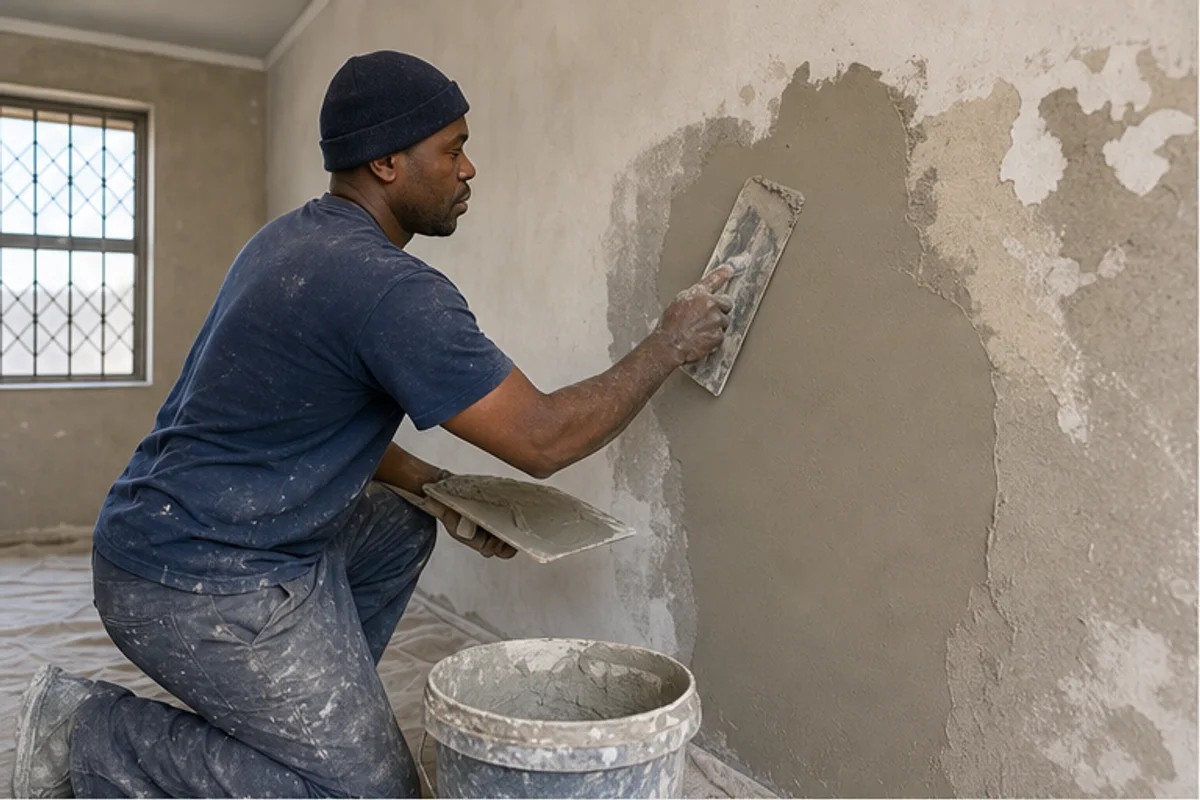
Quality wall work preserves structure and keeps interior spaces looking fresh for longer. Professional wall finishes protect your house or office from damp — pair plastering with damp proofing where moisture is the cause — impact and weather. They also create a reliable base for paint, tiles or wall linings that match your design plans.
Residential Benefits
For a home, expert service means smoother, more even walls that lift the look of each room and give painting contractors a sound base. A good job reduces the need for frequent repairs and saves long-term costs.
Skilled local teams show how good plastering adds value by improving wall longevity and meeting current building standards.
Commercial Standards
Commercial projects need consistent quality across larger surfaces and must meet safety and inspection rules. Proper work ensures office and retail spaces remain compliant and offer long-term value to owners and tenants.
- Durability that lowers maintenance costs
- Level surfaces for efficient fit-out and finishes
- Work that aligns with local building requirements
| Aspect | Residential | Commercial |
|---|---|---|
| Primary goal | Comfort, appearance, long-term value | Durability, compliance, ease of maintenance |
| Common services | Surface levelling, small repairs, smooth finishes | Large-area skimming, impact-resistant coatings, specification-led work |
| Cost drivers | Materials, access, room count | Scale, site access, compliance testing |
Connecting with Expert Plastering Contractors Benoni
Our site acts as a bridge between property owners and professionals with the expertise to handle complex construction projects. Look for firms that state years of experience, clear service lists and written guarantees.
To make contact simple, we list verified contractors across our building services and show what they offer. This helps you avoid lengthy searches and narrows options for work on a house or commercial property.
- Verified profiles with service details
- Clear experience indicators and service areas
- Direct contact so clients can request site visits
| Feature | Why it matters | What to check |
|---|---|---|
| Experience | Reduces risk on complex jobs | Years in industry, sample projects |
| Service range | Ensures the right coatings and finishes | Interior/exterior options, materials used |
| Verification | Builds trust and accountability | Licences, reviews, written scope |
Our Quote Request Process Explained
Start your renovation with clear written quotes from independent building professionals via our platform.
Our quote request process gives you control and clarity, alongside our plastering and skimming prices guide. You can receive up to three written quotes for a house or home renovation from independent building contractors. Each supplier manages their own project timelines, costs and warranties.
How We Connect You
- Transparent matching: submit brief details and photos; we forward your request to qualified teams.
- Independent quotes: quotes come directly from the company, not from our platform.
- Compare easily: check materials, labour, access and approvals side‑by‑side before you decide.
“Receiving multiple written quotes helps you budget confidently and choose a team that fits your schedule and design.”
| What you provide | What you get | Why it helps |
|---|---|---|
| Brief scope, photos, site access | Up to 3 written quotes | Quick comparison of costs and timelines |
| Preferred start date | Contractor availability | Matches schedule to your plan |
| Special requirements | Material and warranty notes | Clear expectations in writing |
Understanding the Scope of Your Plastering Project
Define the full job brief early; small gaps in scope create big cost surprises later.
Start by listing the areas you want done, the type of finish — our guide to skimming vs plastering explains the choice — and any access limits. A clear brief helps a building contractor give a realistic quote and avoid later changes that increase costs.
Use our platform to view a wide range of services and examples. Whether the work is a small home repair or a large house renovation, a detailed scope ensures the correct materials and labour are priced.
When you contact professionals, include photos, preferred start dates and any design or durability needs. Encourage a site visit so estimates reflect site conditions like access, existing finishes and timelines.
- State the exact rooms and wall areas
- Note desired finish and any special coatings
- List access restrictions and preferred schedule
Clear requirements let clients compare quotes fairly and choose a company that matches their budget and quality expectations for long-term value.
Common Benoni Property Wall Challenges
Walls here often show stress from shifting clay and from salt that rises through older finishes. These two issues are common across older houses and newer builds on reactive soil.
Clay Cracks
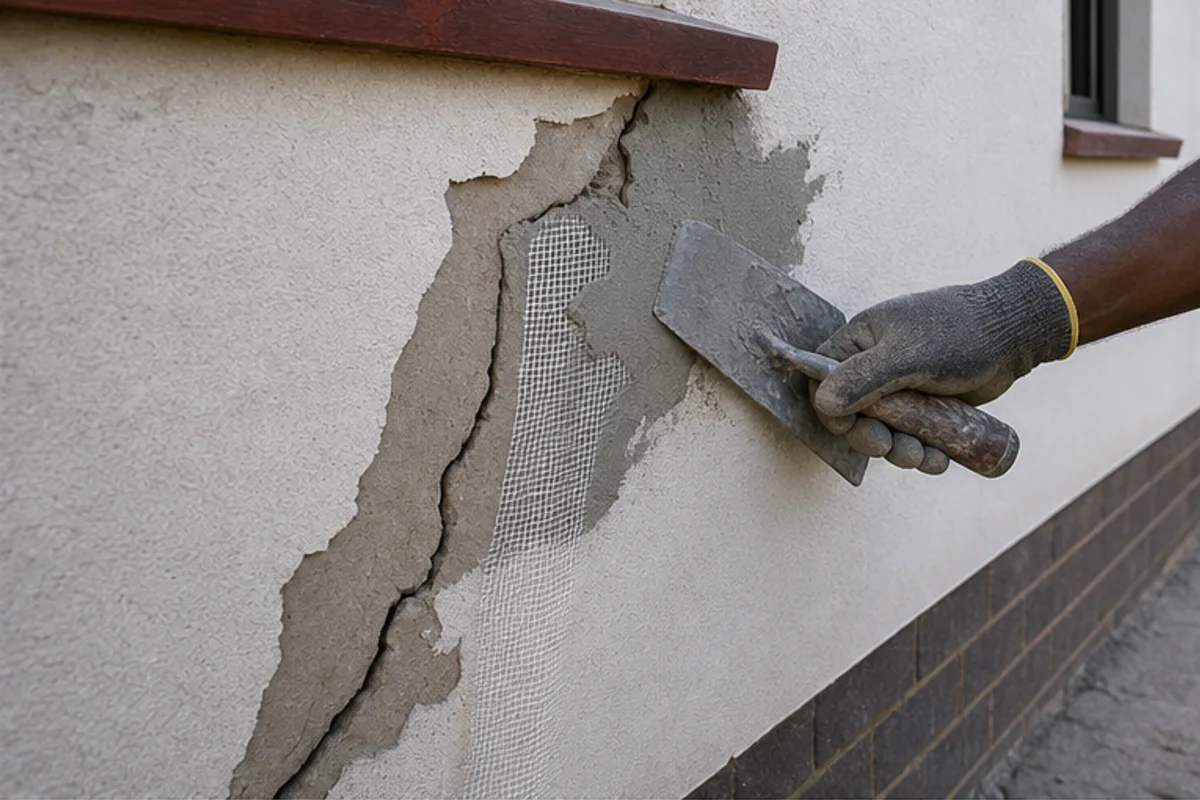
Expansive clay beneath foundations causes movement — our guide to foundation crack types shows which matter. Small hairline cracks can widen quickly after dry spells and heavy rains.
Why act early: left untreated, cracks increase repair costs and may affect plaster and finishes on adjacent walls.
Salt-Damaged Plaster
Salt rises from damp ground or coastal air and leaves powdery deposits and flaking on internal and external walls.
Signs include white staining, crumbling surface and repeated paint failure. These repairs need correct diagnosis and the right materials to stop recurrence.
- Both issues raise long-term costs if ignored.
- Use written assessments from experienced building contractors to confirm root causes.
- Our platform links you to experts who can diagnose and advise on repair, maintenance and suitable plastering methods for your home or house.
“Addressing clay movement and salt damage quickly protects finishes and reduces unexpected costs.”
Skimming Versus Plastering Explained
Deciding between a thin skim coat and full replaster is a key choice for any wall repair.
Skimming applies a thin layer of plaster over an existing surface to produce a smooth finish. It works well where the base coat is sound and the aim is cosmetic improvement.
Replastering means removing damaged material down to the substrate and applying fresh plaster. Use this when the wall shows structural failure, loose sections or repeated damp damage.
- When to skim: minor surface defects, fresh paintable finish, quicker turnaround.
- When to replaster: deep cracks, detaching old plaster, salt or moisture damage.
- Proper surface preparation is essential for both methods to achieve a lasting finish.
- Consult experienced building contractors to assess which option is most cost-effective for your project.
“Choose the method that addresses the root cause — cosmetic fixes only delay bigger repairs.”
| Service | Typical use | Approx. benefit |
|---|---|---|
| Skimming | Sound substrate, cosmetic upgrade | Faster, lower material cost, smooth finish |
| Replastering | Damaged or loose old plaster | Long-term repair, fixes structural issues |
| Consultation | Site assessment by a building professional | Correct recommendation and accurate costing |
Essential Factors for Quality Wall Finishes
A lasting wall finish starts with decisions you make before any trowel touches the surface. Careful choices at the start reduce defects and save money over the lifetime of the work.
Material Selection
Pick mixes suited to your house or home conditions. Use cement, lime or gypsum blends where each suits the substrate and expected moisture levels.
Correct material choice ensures the finish bonds well and resists cracking, salt or impact.
Surface Preparation
Good preparation is critical. Remove loose material, treat damp or salt-affected areas and prime very porous surfaces before any coat.
Proper preparation stops small faults becoming repeated repairs later.
Finishing Standards
Check that the chosen team follows recognised standards for curing, level tolerance and sanding. A final inspection should confirm smoothness and paint readiness.
“Focus on mix, prep and finishing standards to avoid unnecessary costs and achieve a long-lasting finish.”
- Ask for material notes on your written service quote.
- Confirm site curing times and finish tolerances before work starts.
- Use verified building contractors familiar with local conditions.
Transparent Pricing and Budget Considerations

Clear, itemised pricing helps you plan and avoid surprises when arranging wall repairs or upgrades. Requesting written figures lets you compare quotes fairly and see which service offers the best value for your home or house.
Pricing teasers give a realistic starting point for budgeting. Use them to spot outliers and to ask for itemised rates that show labour, materials and access costs separately.
“Get at least two written quotes and check the line items so hidden costs don’t appear later.”
| Service | Typical starting price | Notes |
|---|---|---|
| Basic wall plastering | From R65/m² | Standard application and finishing |
| Crack repair | From R850 per area | Professional remediation, variable by size |
| Cornice repairs | R150–R350 per m | Depends on profile and access |
- Transparent pricing reduces the chance of unexpected charges during a building project.
- Compare written quotes for materials, labour and any extra site fees.
- Ask each company to confirm start dates, warranties and approval needs in writing.
When you request quotes for work in the Benoni area, keep these numbers handy. They help you spot fair pricing and make a confident choice about which service to hire.
Preparing Your Site for Professional Contractors
Clear access, safe storage and simple logistics make a big difference on the first day of work.
Prepare your property so teams can start fast and keep the project on schedule. Remove vehicles, secure pets and clear pathways to the work area.
Site Access Requirements
Vehicle and material access: confirm gate widths, parking and where deliveries should unload. This helps building teams move supplies without delays.
Safe storage: set aside a dry, secure spot for bags, mixes and tools. Good storage reduces waste and protects finishes on your walls.
- Discuss access and lifting needs with your chosen contractor early.
- Note any stair or corridor limits and share photos before site visits.
- Agree on working hours, waste removal and dust control in writing.
“Clear site access saves time and often lowers overall costs.”
| Requirement | Why it matters | What to confirm |
|---|---|---|
| Vehicle access | Delivers materials on time | Gate width, parking, unloading point |
| Storage area | Protects materials and speed up work | Dry, locked space near site |
| Site safety | Reduces accidents and rework | Clear walkways, hazards marked |
| Access photos | Improves quote accuracy | Provide entry points and stair details |
Ensuring Long-Term Durability of Your Walls
Protecting your walls for years begins at installation and continues with timely care.
Use high-quality materials on day one. A correct plaster mix, appropriate sealers and proper curing reduce future defects and moisture damage.
Schedule regular inspections to spot hairline cracks, rising damp or paint failure early. Small repairs now prevent costly work later.
- Carry out seasonal checks for damp and cracking.
- Fix leaks and roof issues before wall repairs.
- Keep drainage and gutters clear to protect external finishes.
Follow the advice of your chosen building contractors and ask for a written maintenance plan. Clear instructions on cleaning, repainting intervals and warranty conditions help protect your property value.
“Regular inspections and timely repairs preserve finish quality and save on future expenses.”
Our platform connects you with local teams who understand durable wall work and maintenance needs. Use written service notes and confirmed materials to ensure the finish stays in excellent condition for many years.
Evaluating Contractor Assessments and Quotes
Compare written assessments carefully so each quote reflects the same scope and site conditions.
Request up to five options where available, or up to three through the platform, to see a fair range of pricing and approaches. When you read quotes, check the scope, material quality, labour hours and any access or scaffolding charges.
Reputation matters.
- Ask the assessor to confirm exclusions, start date and cure times in writing.
- Compare line items for materials, labour and site fees rather than headline prices.
- Clarify warranties and any follow-up maintenance included in the price.
“Good assessments explain what is included, what is not, and why the work may cost more on some sites.”
| Factor | What to check | Why it matters |
|---|---|---|
| Scope | Areas measured, preparation steps | Ensures apples-to-apples comparison |
| Materials | Type and brand listed | Affects durability and finish |
| Timing | Start, duration, curing | Impacts scheduling and costs |
Use the platform to gather written quotes and ask questions. This helps you pick the right building contractors for your house project and get better value for your property.
Managing Expectations for Drying and Curing Times

Drying and curing affect the strength and appearance of new wall finishes.
Drying can be quick; finishing coats often feel dry within 24–48 hours. Full curing can take several days to weeks depending on humidity, temperature and the mix used.
Always ask your chosen building contractor for a site-specific schedule. They will factor in local conditions at your home or house, such as indoor ventilation and seasonal weather.
- Plan follow-on trades: delay painting, tiling or fixings until the surface is cured.
- Avoid shortcuts: rushing can cause shrinkage, cracking and poor adhesion.
- Expect variability: exterior walls cure slower in cool, damp weather.
“Allowing full cure reduces rework and long-term costs.”
| Stage | Typical timing | What to confirm in writing |
|---|---|---|
| Surface dry | 24–48 hours | When paint can start |
| Light cure | 3–7 days | When fixtures may be fitted |
| Full cure | Up to 28 days (varies) | Warranty start and maintenance advice |
Use written quotes to confirm curing guidance and any costs linked to extended schedules. Our platform connects you with building contractors who state these timelines clearly so you can plan the rest of your renovation with confidence.
Start Your Renovation Journey with Confidence
Compare written per‑m² quotes that list preparation, materials and cure times before you decide.
Request plastering quotes per m² at buildingcontractorsinbenoni.co.za for your residential and commercial property. The platform connects you to a wide range of professionals who offer competitive pricing and clear service notes.
Whether your walls need repair from clay movement or a smooth finish for a new design, listed building contractors in Benoni have the expertise and years of experience to help. Use the quote request process to compare up to five options and check pricing, access costs and warranties in writing.
Request quotes now and take the first step towards a well‑planned, quality renovation or maintenance project that adds lasting value.
FAQ
What services do plastering and skimming contractors in Benoni usually offer?
Typical services include skimming for a smooth finish, patch repairs to fix cracks and holes, Rhinolite textured coatings, rendering of new walls, and repair of salt-damaged plaster. Many contractors also handle exterior repairs, cornice installation, and preparation work ahead of painting or tiling.
Why does professional plastering matter for my property?
Professional work ensures walls are even, durable and ready for decoration. Correct application prevents future cracking, damp problems and unsightly finishes. For commercial buildings, meeting local standards and providing a consistent finish affects tenant satisfaction and resale value.
What are the main benefits for a residential property?
For homes you get improved thermal performance, longer-lasting paint finishes, and a neat interior appearance. Skilled tradespeople can match textures, repair damage from movement or moisture, and recommend suitable materials to suit your budget and finish preferences.
What standards should be met for commercial projects?
Commercial work should follow building regulations, use durable materials suited to higher traffic, and include consistent finish levels across large surfaces. Contractors should provide clear timelines, warranties and evidence of experience with similar properties.
How do I connect with expert plastering contractors in Benoni through this platform?
Complete a brief request form with your address, scope of work and preferred contact times. The platform then introduces up to three independent professionals or up to five where available. Each tradesperson will follow up to arrange a site visit and give a final written quote.
How does the quote request process work?
You submit project details and photos where possible. We pass these to local tradespeople who contact you to schedule inspections. Contractors issue written quotes that outline materials, labour, timelines and any approvals needed so you can compare value and make an informed choice.
What should be included in a contractor’s site assessment?
A proper assessment notes substrate condition, moisture levels, extent of repairs, recommended materials (e.g. cement or gypsum-based skims), labour days, access needs and any required council approvals. Ask for a breakdown of costs and expected drying times.
How do I define the scope of my plastering project?
Specify areas to be skimmed, patched, or rendered; indicate ceiling work, cornices, or texture matching; and note whether external walls or damp repairs are involved. Clear photos and room measurements speed accurate quoting and reduce scope creep during work.
What common wall problems do Benoni properties face?
Local houses often show clay-related movement cracks and salt-damaged plaster in older builds or where rising damp has occurred. Exposure to summer storms can also cause hairline cracking and delamination of existing finishes.
What causes clay cracks and how are they repaired?
Clay subsoil movement causes shrinkage and structural movement, producing lateral or vertical cracks. Repairs include raking out loose material, stitching or reinforcing where needed, applying appropriate repair mortars and skimming to blend the finish.
How is salt-damaged plaster treated?
Salt-damaged plaster is removed back to sound material, salts are treated or allowed to leach, and suitable salt-resistant render or plaster is applied. Contractors should identify and fix the moisture source to prevent recurrence.
What is the difference between skimming and full plastering?
Skimming is a thin topcoat to achieve a smooth finish over an existing basecoat. Full plastering (or rendering internally) involves applying base coats and finishes to new or heavily damaged walls. The choice depends on substrate condition and desired finish.
What materials and preparation affect final wall quality?
Quality depends on the right choice of sand, cement or gypsum-based plasters, primers, and adhesives. Surface preparation—cleaning, removing loose plaster, damp control and correct bonding—determines adhesion and a crack-free finish.
How long should I expect surfaces to cure before painting?
Drying times vary with material and humidity. Gypsum skims typically need several days; cement-based renders can take two to four weeks to cure properly. Contractors should give estimated drying times and advice on testing before painting.
What influences price and how can I budget effectively?
Costs reflect materials, labour, access difficulty, repair extent, and any scaffolding or specialist equipment. Request itemised quotes, compare references and consider phasing work to match cashflow. Competitive pricing is common, but avoid choosing solely on lowest cost.
How do I prepare my site for a professional team?
Provide clear access, remove fragile items and furniture, switch off power to work areas if requested and ensure safe vehicle access for materials. Confirm if scaffolding or protection to floors and fixtures is needed before arrival.
What site access requirements will contractors check?
They will confirm gate widths, parking for vans, stair access, lift availability for multi-storey buildings, and whether scaffolding or elevated work platforms are needed. Restricted access can increase labour time and costs.
How can I ensure long-term durability of my walls?
Use suitable materials for your property, address moisture or structural issues first, follow recommended curing times, and keep maintenance schedules. Request warranties and clear aftercare guidance from the tradesperson.
What should I look for when evaluating contractor quotes?
Compare scope details, material specs, labour hours, timeline, payment terms and guarantees. Check trade references, insurance cover and whether the quote includes clean-up and minor snagging after completion.
How do drying and curing times affect project scheduling?
Longer cures extend project duration and delay follow-up trades like painters. Plan for seasonal humidity changes and allow contractors to confirm realistic phasing. Rushing can trap moisture and compromise finishes.
Where can I start when planning a renovation or repair?
Begin with clear photos, basic measurements and a short brief of defects or desired finishes. Request up to three independent quotes or up to five options where available, then arrange site visits with shortlisted professionals to confirm costs and timelines.
Ready to compare?