

CoC Inspection Repairs in Benoni
Failed an electrical, gas or plumbing inspection? The remedial work that gets certificates issued
Quick answer
Failed an electrical, plumbing or gas inspection in Benoni? Compare quotes for the remedial work that gets certificates issued.
We connect you with vetted independent contractors in Benoni; typical pricing is on the linked cost guide.
14 min read
On this page
Could one overlooked fault cost you a property sale or put your family at risk? That question matters if you’ve received a failed report and need clear, practical next steps.
Our platform at buildingcontractorsinbenoni.co.za connects homeowners with qualified contractors for CoC inspection repairs in Benoni and broader Gauteng. You can upload your report and receive matched quotes to fix the issue quickly.
Many owners feel stressed when a certificate shows non-compliance. Local electricians note that the electrical CoC is valid for a maximum of two years, so timing matters.
Use our service to compare up to three quotes, avoid unverified providers, and follow a clear path to certificate compliance. This reduces delays in a sale and restores safety, power and lighting to your house or home.
Upload your inspection report now to get matched repair work quotes and regain peace of mind.
Understanding Failed Electrical and Plumbing Inspections
When a safety test flags non-compliance, your priority is understanding the fault.

Tests for electrical and plumbing systems typically take between two and three hours. They check wiring, circuits and fixtures against SANS 10142‑1, the South African standard for electrical installations.
A failed report often points to non-compliant house wiring that electrical contractors must correct — faulty sockets, exposed wiring or outdated systems. These issues create clear safety risks for your home and can delay a sale or transfer.
Professional electricians use the assessment to spot potential power or lighting failures before they become emergencies. Knowing the exact failure helps you plan the correct installation or work to reach certificate compliance.
- Common faults: sockets, exposed conductors, overloaded circuits.
- Why it matters: safety for occupants and legal compliance for your property.
- How we help: decode technical findings and match you with qualified service teams.
Next step: read the findings, note the faults, and request matched quotes to bring the system up to code and secure your compliance certificate.
Why You Need Professional Coc Inspection Repairs Benoni
A non‑compliant electrical report can halt a property transfer — part of broader property compliance — and put household safety at risk.
The importance of safety standards
Safety standards such as SANS 10142‑1 are non‑negotiable for protecting your family and your house. Certified electricians follow these rules when they assess wiring, consumer units and lighting. Professional installation and tested electrical work reduce the chance of fire, power failure or an emergency.
Legal requirements for property transfers
Every owner must hold a valid certificate issued by a registered person, usually a Master Installation Electrician — one of the certificates needed when selling a house. For transfers, certificate compliance must be current and generally not older than two years.
“Use qualified, certified electricians to make sure the job meets both safety and legal standards.”
- Our platform connects you with certified electricians who understand local legislative needs.
- Professional teams and gas installers handle faulty wiring, upgrades and installations to restore compliance.
- Comparing quotes helps you avoid inflated pricing and secures legitimate certificate compliance.
Decoding Your Inspection Report
Technical findings point to exact safety gaps that prevent certificate compliance.
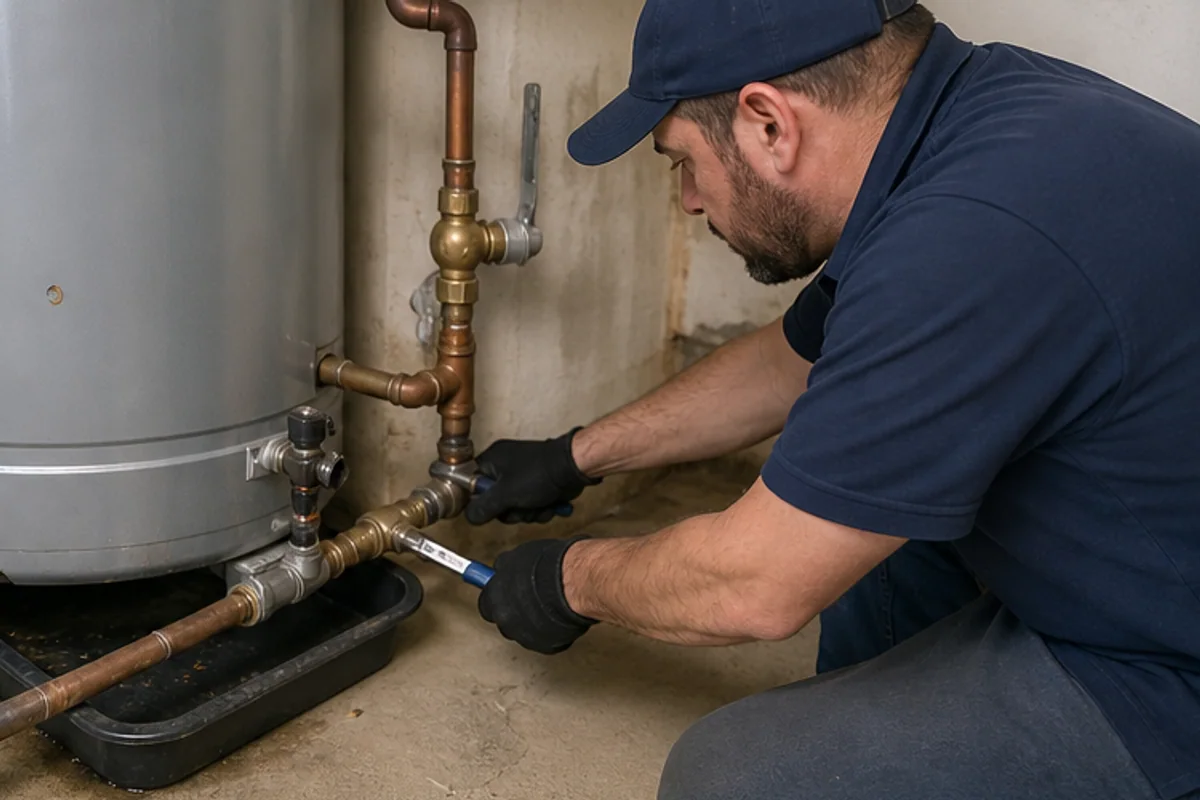
Interpreting Technical Findings
Start by identifying the specific faults named in the report. Look for items like earthing problems, incorrect cable sizes or damaged distribution boards.
Key points to note:
- Earthing faults often show as poor continuity or no protective earth at outlets.
- Incorrect cable sizes can overload circuits and risk overheating.
- Damaged DB boards or loose connections create fire and shock hazards.
Only a registered person can confirm that defects are corrected and sign off a certificate. Ask the electrician to explain each line in plain language.
“Every fault listed must be addressed by a registered person to ensure system safety.”
| Common fault | Likely cause | Typical action |
|---|---|---|
| Improper earthing | Broken earth conductor or missing bonding | Re-bonding and earth continuity test by registered electrician |
| Undersized cable | Incorrect cable selection for load | Replace cable or re-route load to correct circuit |
| Damaged DB board | Corrosion, heat damage, or loose terminals | Repair or replace DB; retest protective devices |
How our platform helps: we match your report with contractors who specialise in the required installations. This makes it easier to compare quotes and achieve certificate compliance without guesswork.
Common Property Failures in Benoni
Older properties often fail due to outdated electrical panels and incorrect gas installations.
Frequent causes include aged distribution boards that no longer meet modern electrical installations and incorrect gas cylinder placement that creates safety risks.
Faulty plumbing valves also show up often and can affect certificate compliance. These issues create faults in house wiring and may trigger tripping circuits or power loss.
- Many older homes have obsolete DBs that need replacement to meet current safety standards.
- Incorrect gas cylinder placement and faulty valves require professional attention to restore compliance.
- Our platform connects you with local electricians and plumbers who know these common area issues.
- Services range from rewiring and socket replacement to lighting and power system upgrades.
Addressing these failures improves safety and speeds up certificate compliance. Request quotes for maintenance or repairs to make your property ready for sale and to prevent emergency electrical work later.
Our Quote Request Process
Requesting quotes through our platform lets you compare local contractors quickly and clearly. Use a short form to upload your report and note the faults you want addressed. This starts a controlled, transparent process that saves time and reduces stress.
How our platform works
We match your brief to independent contractors in Benoni and Kempton Park. Contractors review your submission and reply with a site visit proposal or a preliminary quote. The platform does not carry out the work; it connects you with qualified electricians and installers.
Comparing up to three quotes
You can request up to three quotes, and where available up to five. Compare price, scope, materials, lead time and warranty to judge value.
- Scope: what the team will do to restore compliance.
- Materials: brands, cable size and lighting or power components.
- Time and access: when the contractor can start and how long the work will take.
Getting started with your request
Upload your report or describe the fault, choose preferred contact times, and submit. Our team will send your brief to matched contractors so you receive clear, comparable quotes and make a confident choice about certificate compliance.
“Compare multiple quotes to avoid surprises and ensure fair pricing.”
The Reality of Remedial Pricing and Reinspections
Travel, access and the state of existing wiring commonly drive final quotes more than the fault itself. That means quoted costs often reflect the size of the installation, materials and the time tradespeople need on site.
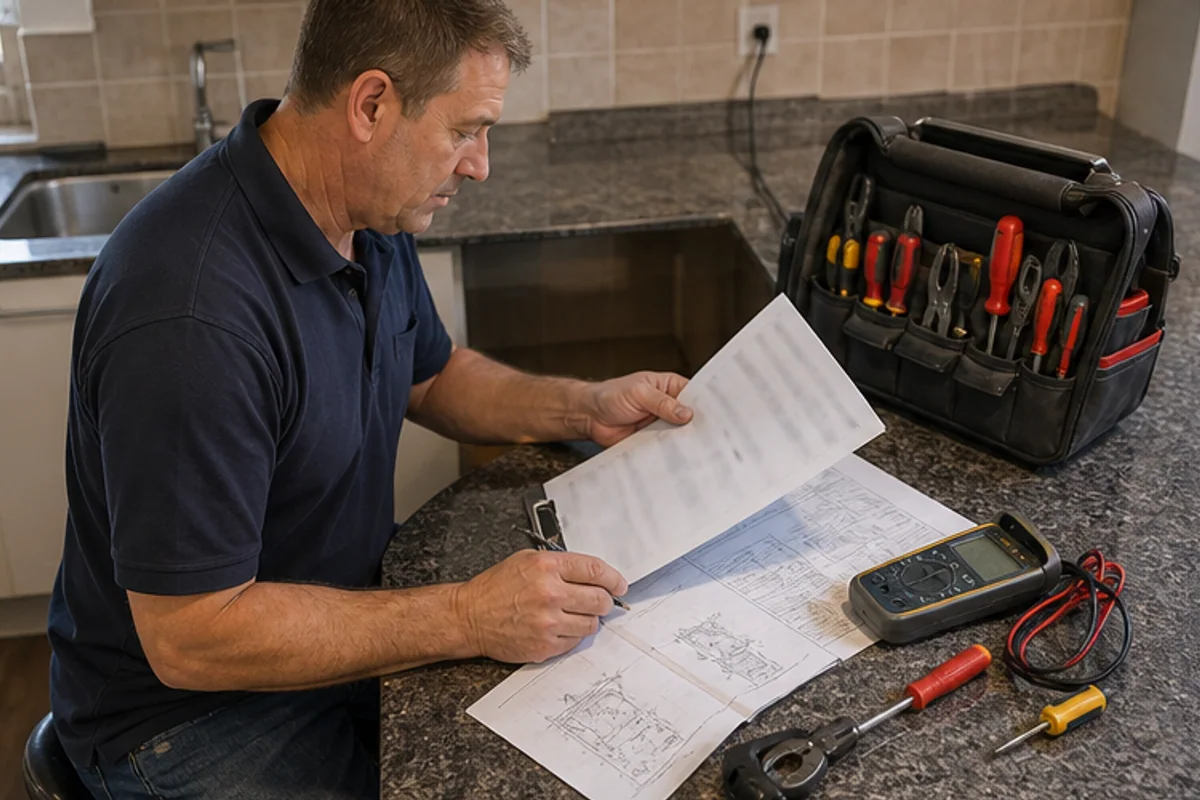
Inspection fees vary by distance and the complexity of a house or commercial installation. If you accept a quote, many electricians will deduct the initial fee from the final cost — confirm this before work starts.
Reinspections are sometimes necessary when first-stage work does not fully resolve a fault. A second visit adds time and, occasionally, a further fee. Plan for this possibility when budgeting for certificate compliance.
- Remedial pricing is driven by scope, parts and labour time.
- Ask for clear, itemised quotes so you know what the price includes.
- Compare multiple quotes to avoid being tied to a single, high-priced service provider.
“Get itemised quotes and confirm any inspection fee credit before you agree to work.”
Our platform matches your brief with independent electricians who quote transparently. This helps you judge cost, timing and the work needed to restore power, lighting and system compliance at your property.
Avoiding the Hostage Situation with Repair Quotes
You do not have to accept a single quote from the inspector’s preferred contractor. Sellers may choose independent electricians and get fairer pricing for any installation or wiring work that a report requires.
Independent comparison protects your interests. Using our platform helps you collect up to three quotes so you can compare cost, warranty, timings and the scope of work. This reduces the chance of being steered to one expensive service provider.
- Source unbiased electricians to compare pricing and quality.
- Use quotes to negotiate transparent costs for power, lighting and system work.
- Choose contractors on reputation and past installations, not on one recommendation.
| What to compare | Why it matters | What to confirm in writing |
|---|---|---|
| Price breakdown | Shows labour, parts and travel cost | Itemised quote and any fee credits |
| Scope of work | Prevents scope creep and extra cost | Start and completion dates; materials listed |
| Credentials | Ensures safety and certificate compliance | Registration, warranties and references |
Take control: compare quotes, ask questions, and pick a contractor who meets safety and certificate compliance expectations. This reduces the risk of emergency call-outs and helps keep your property sale on track.
Trusting Your Contractor Selection
Pick a contractor whose track record shows clear, local experience with domestic wiring and certificate work.
Trust depends on the scope, access and the plan they present. Ensure they describe materials, labour and any approvals needed for the installation or work on your property.
Ask for proof of registration so the electrician can issue a valid certificate. A reliable service will explain how they will restore power and lighting and outline timescales and safety checks.
- Check experience and service history to confirm competence with similar installations.
- Request an itemised plan covering parts, labour and any required approvals.
- Use client feedback and past projects to judge quality and adherence to safety.
Our platform helps you compare certified electricians by showing previous project feedback and registration details. Choose someone who communicates clearly, offers a detailed quote and respects your property and time.
“Trust grows from clear plans, visible past jobs and proof of registration.”
Ensuring Long Term Compliance for Your Property
Planned maintenance and clear records make future upgrades straightforward and less risky. A proactive approach keeps safety standards high and helps you stay on top of certificate compliance.

Preventative Maintenance Strategies
Regular maintenance reduces the chance of emergency faults. Monthly maintenance contracts suit bodies corporate and busy owners who prefer predictable service and cost.
- Schedule periodic checks to spot worn wiring, loose circuits or ageing components early.
- Keep written records of every electrical installation and any work that affects the certificate.
- Use qualified electricians for maintenance to protect safety and maintain certificate compliance.
Managing Future Upgrades
Upgrades go smoother when you have clear history and a trusted contractor to advise on options. This lowers downtime for power and lighting and reduces the need for urgent repairs.
Our platform connects you with professionals who can plan phased installations and advise on materials, labour and approvals.
| Option | When to choose | Key benefit |
|---|---|---|
| Maintenance plan | Regular upkeep and large complexes | Predictable costs and fewer emergencies |
| Planned upgrade | Modernising lighting or circuits | Smoother certificate renewals and higher property value |
| One‑off callout | Unexpected faults or safety concerns | Fast response but higher short‑term cost |
Long‑term compliance is an investment. Keep records, pick trusted electricians, and schedule maintenance to protect people and property. This approach keeps your certificate valid and your electrical systems safe for years to come.
Securing Your Certificate and Moving Forward
Securing the certificate confirms your electrical system meets safety and legal standards. A valid certificate lasts for two years and is required for a property sale or transfer.
Use our platform to connect with certified electricians who can complete the installation work, issue the certificate and advise on electrical compliance.
If you have questions about using an inspector’s repair company, recurring faults or fix timelines, consult the FAQ or ask contractors before they start. Core Connect and local professionals also offer 24/7 emergency services to restore power quickly when needed.
Next step: upload your report to receive matched quotes from trusted services and move confidently toward certificate compliance and a safe, powered home.
FAQ
What happens if my property fails an electrical, gas or plumbing inspection?
A failed report lists faults that must be remedied before a compliance certificate can be issued. Typical actions include rewiring sections, fixing earthing, replacing faulty sockets or light fittings, repairing gas installations and correcting plumbing leaks. You’ll need a qualified tradesperson to carry out the work, then a re-assessment to confirm compliance.
How do I interpret the technical findings on my inspection report?
Reports use straightforward codes and descriptions for faults—safety hazards, non-compliant installations and items requiring replacement. Focus on the severity (immediate danger versus maintenance), the location and the recommended remedial action. If a term is unclear, ask the assessor or a certified electrician or plumber to explain the exact work required.
Do I legally need a certificate to sell or transfer a property?
Yes. For most property transfers and some major alterations you must provide a valid compliance certificate for electrical and/or gas installations. Without it, the conveyancing process can be delayed. Confirm with your conveyancer which certificates are required for your sale or transfer.
Who should carry out remedial electrical work and re-wiring?
Use a certified electrician registered with a recognised trade association. They must be able to issue the necessary test results and sign off work for a compliance certificate. For gas or plumbing faults, hire licensed gas-fitters or plumbers who can provide the relevant documentation.
How does your quote request process work?
You submit a request with your report and property details. The platform connects you with independent contractors who provide their quotes. You can compare up to three quotes where available. Contractors arrange site visits, finalise costs and timelines, and handle the work and warranties directly.
What should I check in written quotes before hiring a contractor?
Confirm scope of work, itemised materials and labour, access requirements, expected timeline, permit or approval needs, re-test and re-inspection costs, warranty terms and payment schedule. Ensure the contractor’s registration and insurance details are included.
Why get multiple quotes for remedial work?
Multiple quotes give you a clearer market price and prevent being overcharged. Different contractors may propose alternative solutions, material grades or warranty terms. Independent comparison helps you choose the best balance of cost, quality and timing without being locked into a single supplier.
How quickly can remedial work and re-inspection be completed?
Timing depends on the scope—simple repairs may take a few hours to a day, while partial re-wiring or extensive plumbing fixes can take several days. Allow extra time for material lead times and to schedule an inspector for the re-test. Your chosen contractor should provide an estimated timeline in their quote.
What factors influence remedial pricing?
Labour rates, materials, accessibility, extent of re-wiring or pipework, required permits, whether circuits or meters need replacement, and re-inspection fees all affect the final cost. Properties with older wiring often require more extensive work to meet current safety standards.
Can I do any of the remedial work myself to save costs?
No. Electrical and gas work must be carried out by licensed tradespeople in order to issue compliance documentation. DIY attempts can create hazards and will not be accepted by inspectors or conveyancers.
What should I do if a contractor gives a much higher quote than others?
Ask for a detailed breakdown and reasons for the higher cost. It may reflect superior materials, a longer warranty, or additional safety measures. If it’s unclear, get clarification in writing and consider a second opinion from another registered electrician or plumber.
How do I avoid being held hostage by a single contractor after a failed report?
Use independent quote comparisons, check multiple contractors’ references, and insist on itemised written quotes. Do not sign open-ended agreements. Confirm re-inspection procedures and fees before work begins so you’re not surprised by additional costs.
What preventative maintenance helps avoid future failures?
Regular visual checks, timely replacement of damaged sockets, periodic testing of RCDs and circuit breakers, inspection of earthing systems, servicing of gas appliances and fixing leaks promptly reduce the chance of future non-compliance. Keep records of all maintenance and certificates.
How do I secure the compliance certificate after remedial work?
Once a licensed tradesperson completes the work, they arrange testing and submit the results to the authorised assessor or issuing body. After successful re-testing, the assessor issues the compliance certificate. Keep copies for conveyancing and future reference.
Are there local suburbs or areas you focus on when arranging contractors?
The platform connects property owners across the local area, including nearby suburbs and towns. Contractors are selected for their local knowledge, availability and registration to work on domestic properties, so they understand regional supply and approval processes.
What if remedial work uncovers additional faults during the job?
Reputable contractors will stop, notify you, and provide an updated written quote for the additional work. You should receive a revised scope and timeline before they proceed. Any new work must be documented and re-tested to maintain compliance.
How are emergencies handled if there’s a dangerous fault found?
If the assessor tags an immediate danger, isolate the affected circuit or appliance and call a licensed electrician or gas fitter immediately. Many contractors offer emergency call-outs. Safety takes precedence—urgent faults must be addressed before any further testing or sale can proceed.
Related building cost guides
Ready to compare?