
Building Guides & Resources for Benoni Homeowners
Costs, approvals, ground conditions, renovations, walls and roofing – a library shelved by theme, not a blog feed
In short
Benoni building guides shelved by theme – costs, approvals, ground conditions, renovations, walls and roofing – written for local reality.
22 min read
On this page
Curious which local steps make a renovation or new build run smoothly and stay on budget? That question matters when you plan construction work in your area. Benoni building guides on buildingcontractorsinbenoni.co.za point you to the essentials.
Start with clear plans, realistic cost estimates and the right approvals. Our platform collects practical detail on house design, roof repairs, materials and the price of labour. You can compare quotes and check the scope of services before you hire a contractor.
Understanding ground conditions, timeframes and quality checks helps avoid costly delays. Use the site to find builders and a suitable team for your type of project. The aim is simple: save time, reduce risk and get a home or renovation that meets approved standards.
How are the Benoni building guides organised?

Find the specific resources you need fast. Our library shelf groups content by task so you can locate cost advice, approval checklists and contractor references quickly.
Library shelf layout for homeowners
The layout presents a wide range topics in bite-sized entries. Each section shows what to expect when hiring a contractor, typical service steps, and local matters like access and materials.
- Clear labels for permits, quotes and trades.
- Searchable categories for home renovation types.
- Practical tips on comparing services and timelines.
Property journey start
Begin with a simple checklist: scope, budget, approvals and three independent quotes where possible. Use the shelf to map your first calls and site checks.
| Stage | What to check | Key outcome |
|---|---|---|
| Plan | Scope, drawings, budget | Clear brief for quotes |
| Quotes | Scope match, timelines, warranties | Comparable offers |
| Hire | References, proof of insurance, contract | Start with confidence |
Which Benoni building guide do you need?
The library is arranged on theme shelves, so you can jump to the stage you are at.
Plans, approvals and estate rules. Before you start, the planning shelf explains whether your renovation needs plans in Ekurhuleni, how Ekurhuleni building lines and relaxations limit where you can build, why building‑plan delays happen and what an occupation certificate involves. For adding space, read the second‑dwelling rules, whether your house can take a second storey, the boundary wall rules and how approvals work when renovating in a sectional‑title scheme.
Costs, quotes and contracts. On money and paperwork, learn the difference between an estimate and a quote, how many quotes to get, how to choose a builder and the questions to ask before you sign. Protect the deal by understanding common building‑contract mistakes, what a domestic building contract should say and how payment stages work — then size the budget with the complete home‑building guide, how long a build takes and a Farrarmere‑versus‑Rynfield cost comparison.
Ground, foundations and walls. On the ground itself, the Benoni soil and ground‑conditions guide and the explainer on East Rand clay‑soil foundations set the scene, while foundation crack types and why retaining walls fail cover what goes wrong. For boundaries, see who pays for a boundary wall, raising a boundary wall’s height and why paving sinks.
Roofing, damp and waterproofing. For weather‑related problems, find out how to trace a roof leak, tackle flat‑roof problems, plan hail‑damage roof repairs and handle a storm‑damage insurance claim. Inside, bathroom waterproofing, the difference between rising damp and condensation and why paint peels and bubbles explain where moisture shows up.
Renovation how‑to and finishes. Planning a renovation, avoid the common renovation mistakes, prepare for living at home during the work and follow the right order to renovate a house in, including how long a bathroom renovation takes. On finishes, weigh tiling over existing tiles, skimming versus plastering, flat‑pack versus custom cupboards and granite versus Caesarstone tops.
Compliance, certificates and trust. Selling or certifying a home, check the certificates needed when selling, how an electrical CoC works, the geyser installation rules and NHBRC enrolment. To judge quality and risk, read about construction safety files, voetstoots and building defects and the signs of poor workmanship.
Specialist guides. A few extras round out the library: solar‑ready wiring, the rental income a granny flat can earn, and renovating a working factory without halting production.
Where should you start your property journey?
Begin your property journey with a clear scope and well-documented plans to reduce surprises on site.
Start by gathering your house plans, specifications and a simple budget. This gives contractors a clear brief and speeds up accurate quotes across our building services.
Document the project scope in writing. Note timeframe, access constraints, preferred materials and any approvals you expect to need.
Good preparation keeps costs down and reduces delays. Early clarity on the construction sequence helps trades work without interruption.
- Collect plans and technical drawings.
- List project milestones and realistic dates.
- Keep a record of communications and quoted items.
| Action | Why it matters | Outcome |
|---|---|---|
| Gather plans | Enables accurate pricing | Comparable quotes |
| Define scope | Prevents scope creep | Smoother workflow |
| Document choices | Clarifies expectations | Fewer disputes |
How are construction costs measured per square metre?
Comparing price per square metre is the simplest way to benchmark different project types. Use these figures to set realistic expectations before you request quotes and select materials — our building costs in Benoni guide keeps the full, dated ranges.
Residential rates
Residential construction is benchmarked per square metre, with the rate set by finish level and site complexity. This range covers standard house works, including finishes and basic roof work.
Expect higher figures for custom design, premium finishes or complex site conditions.
Commercial price analysis
Commercial projects are benchmarked the same way, though scale and coordination work tend to lift the rate. Larger scale projects add complexity and coordination costs, which raise the final price.
Factor in access, services and any specialised design requirements when comparing quotes.
Industrial cost indicators
Industrial costs vary widely, driven by materials, structural loadings and specialised services rather than a single rate.
Ask contractors for a breakdown so you know what part of the price covers materials, labour and plant hire.
Use the short table below to see what drives the rate for each project type — the figures themselves stay on our price guides.
| Project type | Primary cost drivers |
|---|---|
| Residential (house & renovations) | Finishes, roof works, site access |
| Commercial (shops, offices) | Scale, services, compliance |
| Industrial (warehouses, factories) | Structural design, materials, specialised services |
Which approvals and building-control steps apply?
Securing the correct permits prevents costly stoppages during any construction phase. Contact the municipal planning office for guidance on local approvals and timelines.
The local building control office oversees control processes, ensuring new homes meet safety standards and that work follows national rules.
Submit detailed house plans to the municipal authority before work starts. Accurate plans speed approvals and reduce the risk of non-compliance.
- Keep full project documentation to obtain permits and prove compliance.
- Check that your chosen contractor knows local approval steps to avoid delays.
- Report dilapidated or abandoned buildings so authorities can protect neighbourhood standards.
| Action | Who to contact | Why it matters |
|---|---|---|
| Submit plans | Municipal planning office | Ensures legal compliance and faster permits |
| Confirm inspections | Local building control office | Checks safety standards during construction |
| Maintain records | Homeowner & contractor | Needed for certificates and future sales |
How do you select the right professional team?

A reliable project team combines technical skill, good communication and proven results.
Start by creating a shortlist of contractors who have completed similar projects. Ask for recent photos, client contact details and a short description of the work done.
Contractor assessment criteria
Check that your contractor shows clear project management skills. Confirm they can manage trades, timelines and on-site coordination for your house design.
Request a written range of services that lists deliverables, exclusions, the expected price and warranty terms. This reduces misunderstandings once work starts.
- Ask for at least three references from past clients and verify the quality of work.
- Confirm the team includes competent trades and a site manager to handle day-to-day management.
- Check licences, proof of insurance and any professional affiliations.
“A contractor who documents scope and communicates regularly saves you time and often reduces cost surprises.”
| Assessment area | What to ask | Why it matters |
|---|---|---|
| Previous projects | Photos, client contacts, scope | Shows relevant expertise and quality |
| Project management | Project plan, milestones, manager | Keeps timelines and costs under control |
| Services & price | Written scope, exclusions, warranty | Prevents scope creep and disputes |
| Communication | Reporting frequency, contact points | Ensures clear expectations and updates |
How do you manage a renovation project?
Good project management keeps each trade on task and prevents small delays turning into major cost increases.
Coordinate closely with your contractor to monitor progress against the plans. Agree regular check-ins and a simple timeline so everyone knows what to deliver and when.
Use time management to protect your budget. Delays often add labour and material costs, so confirm critical dates for deliveries and inspections early.
Keep communication clear and written. Record decisions, variations and approvals so the original scope stays under control and disputes are easier to resolve.
- Hold weekly site updates with the team to review milestones and safety.
- Ask for short progress reports that show completed work and remaining tasks.
- Document all changes to plans and sign off on variations before work continues.
Use local resources to oversee the work. Our platform lists services and contractor details to help you compare quotes, check references and confirm warranties — when your brief is ready, request building quotes.
| Focus area | What to do | Expected result |
|---|---|---|
| Schedule | Agree milestones and site times | Fewer delays, clearer expectations |
| Communication | Weekly meetings, written notes | Rapid issue resolution |
| Scope control | Document changes and sign-offs | Budget stability and clarity |
How do quality assurance and site access affect the build?

Ensure clear site access and regular checks so quality stays high throughout your project. Allow contractors space and safe entry for inspections, deliveries and normal construction work.
Quality assurance starts when the contractor can reach the roof and foundations without delay. This prevents rushed repairs and hidden issues during roof inspections or structural work.
Visit the site regularly to monitor progress and confirm safety. Short, frequent checks help you spot issues early and keep your renovation on schedule.
Addressing problems early protects the long‑term integrity of your home. A professional contractor will prioritise site safety and quality control throughout the service period.
“Open access and clear oversight reduce delays and lower the risk of costly variations.”
- Check safe access points and temporary walkways for trades.
- Confirm site records for inspections from foundation to finishes.
- Ask the contractor for a simple quality checklist before handover.
| Focus | What to check | Benefit |
|---|---|---|
| Site access | Vehicle entry, material drop zones, roof access | Faster progress, fewer delays |
| Quality checks | Foundations, roof, finishes, safety compliance | Fewer defects, better value |
| Issue response | Documented repairs, maintenance plan, contact points | Longer lifespan for your house |
What role do materials and finishes play?
Materials determine durability, appearance and ongoing maintenance for your home. The right choices affect final quality and the total cost of any construction or renovation project.
Discuss finishes with your contractor early during the design phase. This helps align materials with your budget and aesthetic goals. It also lets trades plan for lead times and service schedules.
- Long-term value: Durable roof sheeting and premium flooring reduce repairs and add resale appeal.
- Cost vs quality: Low-cost options save now but can raise lifetime maintenance costs.
- Local advice: A professional will recommend materials suited to site conditions, climate and access in Benoni.
Use the platform to compare material options and check how finishes affect quotes and warranties. Confirm items in writing so the final house reflects your design and retains structural integrity.
What legal requirements apply to building contracts?
Your contract is the single document that protects both client and contractor through a project. Include full names, a clear property description and the start and completion dates.
State the total cost, the scope of work and a breakdown of major items. This helps avoid disputes over price and time.
For new homes, ensure the contract references the National Home Builder’s Registration Council (NHBRC) requirements. The NHBRC requires a structural-defect warranty on qualifying builds.
“A professional contractor will always supply a written contract that lists scope, exclusions and warranty terms.”
- Confirm the contractor’s name, your name and a concise description of the work.
- Include the price, payment schedule and the agreed completion date.
- Specify warranties for structural defects and any maker or supplier guarantees.
- Keep plans, approvals and timelines attached to the contract to prove compliance.
| Contract item | Why it matters | What to check |
|---|---|---|
| Parties & property | Identifies responsibility | Names, contact details, address |
| Cost & payments | Controls price and cashflow | Total price, schedule, extras |
| Scope & quality | Defines expected work | Plans attached, standards, warranties |
Review all legal documents carefully. Clear plans and formalised agreements help ensure the work meets industry standards and keeps cost and quality on track.
How do you address structural issues and repairs?
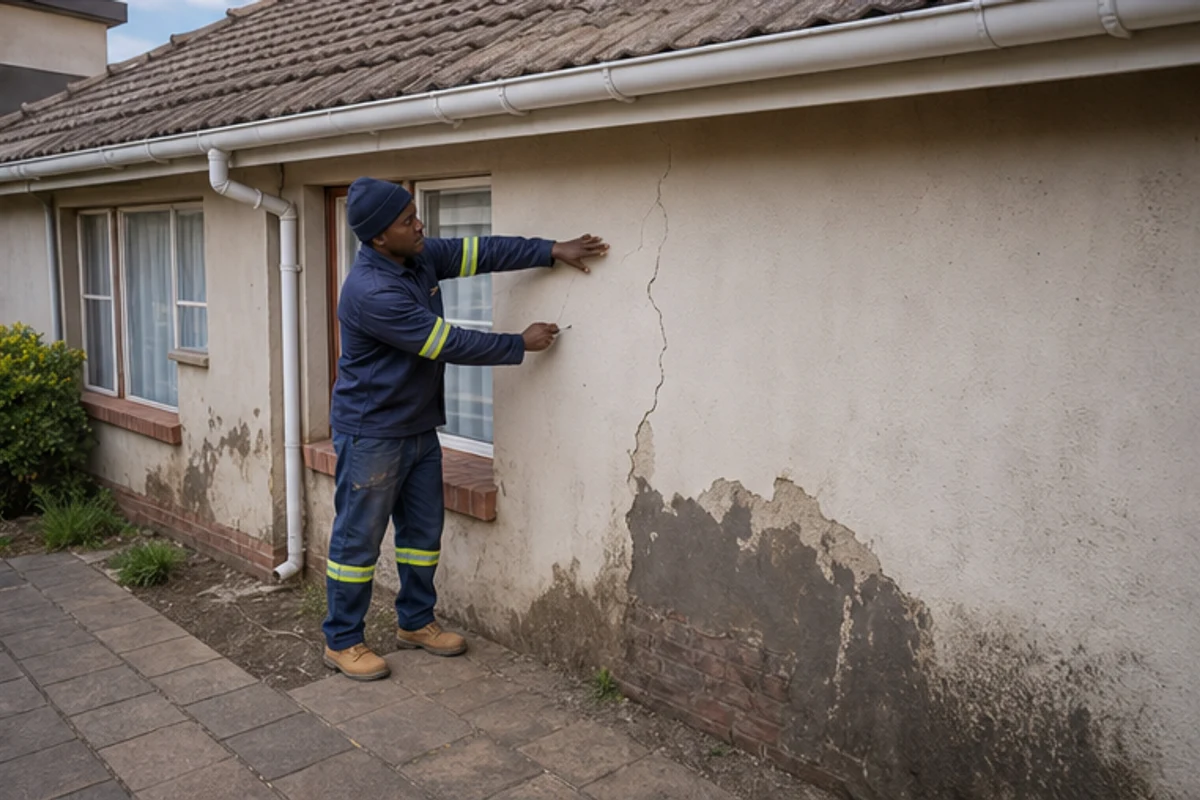
Spotting early signs of structural distress saves time and reduces the scale of repair work. Inspect walls for cracks, check the roof for leaks and note any uneven floors. These quick checks help you decide if the issue is cosmetic or needs specialist attention.
Hire a qualified contractor for any suspected structural defect. A professional will assess the type of damage and produce clear plans for repair, including scope, materials and a timeline.
Regular maintenance and site inspections prevent bigger problems. Schedule checks after heavy storms and before major renovations to protect your residential or commercial property.
- Get a written report from the assessor that lists causes and recommended works.
- Ask for detailed cost estimates and a warranty for structural repairs.
- Keep records of all repairs, receipts and warranty documents for future maintenance and resale.
| Action | Why it matters | Result |
|---|---|---|
| Early inspection | Find problems before they worsen | Lower repair cost |
| Professional assessment | Accurate diagnosis and plans | Compliant, safe repairs |
| Documented repairs | Proof for future sales and warranties | Better property value |
How does our quote request process work?
Well-structured quote requests let you match contractors to the exact scope of work you need. Use our quote request process to gather competitive information early in planning a construction or renovation project.
Our platform connects you with independent contractors so you can receive up to three building quotes, or up to five where available. This helps protect your budget and reduces unexpected cost issues.
- Receive comparable quotes that include a clear breakdown of cost, materials and labour.
- Compare service quality, proposed price and delivery timelines before you choose a team.
- Confirm access, approvals and material preferences so site visits and final prices stay accurate.
- Use written quotes to manage scope, avoid disputes and protect your budget.
Remember: our platform facilitates introductions and quote collection. Independent contractors handle site visits, final pricing and the work on your house. Use the quotes to choose the best contractor for quality, price and your budget.
How do you compare building quotes effectively?
Compare quote detail, not just the bottom line, to spot real value for your renovation.
Ask each contractor to itemise materials, labour and any subcontracted services. This makes apples-to-apples comparisons easier and helps you spot missing items such as roof repairs or site preparation.
Use our platform to request up to three quotes, or up to five where available, so you can assess price and quality across proposals.
- Confirm the scope for your house project: finishes, access, and disposal of waste.
- Check whether quotes list lead times and milestone dates; timelines affect cost and disruption.
- Look for exclusions and provisional sums to avoid hidden costs later.
“A professional contractor will explain each cost so you understand the service and material standards offered.”
| Focus | What to check | Why it matters |
|---|---|---|
| Scope detail | Roof repairs, site prep, finishes | Ensures quotes cover the same work |
| Price breakdown | Materials, labour, subcontractors | Shows where savings may add risk |
| Timelines | Start dates, milestones, completion | Impacts cost, access and planning |
Tip: Choose the quote that balances reasonable price with clear scope and reliable timelines rather than the cheapest offer alone. Ask questions and get confirmations in writing to protect your budget and ensure the work meets expectations.
What are the benefits of using our platform?
Access a broad set of services that match your project needs and budget.
Our platform connects you with a wide range services from independent contractors for construction and renovation work. You can compare builder profiles, ask questions and request multiple quotes without pressure.
The process saves time. Request up to three quotes, or up to five where available, then review each team’s scope, timeline and price before deciding.
Transparency matters. Each quote shows the materials, labour and any exclusions so you can judge true value rather than just the lowest number.
- Find qualified contractors suitable for your house project.
- Compare value across quotes to select the best team for quality and cost.
- Keep written records of quotes and approvals to protect your budget.
“A clear, comparable quote helps you avoid surprises and choose the right contractor for the job.”
| Benefit | What it delivers | How to use it |
|---|---|---|
| Wide range services | Access to varied trades and specialists | Search by trade, read profiles, check references |
| Transparent quotes | Itemised costs and clear exclusions | Compare line by line and ask for clarifications |
| Local connections | Contractors familiar with suburbs, materials and approvals | Choose teams with local experience and verified reviews |
| Time saved | Faster shortlist and fewer site visits | Request quotes online, then arrange only essential inspections |
How should you plan for future maintenance?
Protect the long‑term value of your construction project by planning maintenance early. A simple schedule helps you spot wear and prevent costly repairs to your home.
Create a maintenance plan that lists regular checks for the roof, plumbing and structural elements of the house. Keep intervals clear — for example, inspect the roof twice a year and check drains after heavy storms.
Work with your contractor to agree on routine services, expected costs and any specialist work the project may need. Ask for written guidance on care for finishes and materials used during your renovation.
“A short, written maintenance schedule saves money and keeps the home in good condition.”
- Set inspection dates and name responsible parties.
- Record all maintenance work, receipts and warranties for future resale or further renovation.
- Budget for annual maintenance to reduce the likelihood of major repairs and unexpected cost spikes.
| Item | Frequency | Why it matters |
|---|---|---|
| Roof inspection | Bi‑annually | Prevents leaks and water damage |
| Plumbing check | Annually | Avoids pipe failure and high repair costs |
| Structural review | Every 3–5 years | Detects settling, cracks or load issues early |
How do you connect with local building contractors?
Search for contractors by trade, recent work and client reviews to match the scope of your project. Use clear filters for trade, licence and availability so you contact suitable teams quickly.
The platform links you to a wide range services and experienced builders who work across local areas. You can compare portfolios, inspect past projects and check industry credentials before you ask for a site visit.
Request up to three quotes, or up to five where available, so you receive competitive offers from reputable building contractors Benoni. Each quote should list materials, labour and milestone dates to make comparisons simple.
- Review past work and client feedback to assess contractor expertise.
- Confirm site access, timelines and approvals before finalising a builder.
- Discuss warranties, exclusions and payment milestones and get these in writing.
Tip: choose the contractor who balances fair price with clear scope and proven experience. Then arrange a brief site meeting to agree expectations and next steps.
How do you finalise your construction vision?
A final review of workmanship and paperwork ensures your vision matches the delivered result. Use clear project management checklists to confirm design choices, inspections and final sign‑offs meet your expectations.
Visit the site, check the contract, and confirm that construction services listed on buildingcontractorsinbenoni.co.za match the agreed scope and time. Record any outstanding items and agree a simple punch‑list with your contractor.
Inspect finishes from roof to foundation, verify warranties and compare cost against the quoted price. Good communication at handover protects value and reduces future work or disputes.
Thank you for using our platform. Review each item one last time, then enjoy the completed project with confidence.
FAQ
What types of projects can I request quotes for in Benoni?
You can request quotes for a wide range of residential and commercial projects in Benoni — new homes, house renovations, extensions, roof repairs, shop fits, light industrial alterations, maintenance and refurbishment. The platform connects you with independent contractors for site visits, cost estimates and timelines. Confirm scope, materials and warranties in writing before work starts.
How many quote options can I request?
Visitors may request up to 3 quotes, or up to 5 quote options where available. Each contractor issues their own final quote after a site visit. Use multiple quotes to compare price, workmanship, materials and turnaround time. Keep written confirmation of exclusions, payment terms and any warranty offered.
What information should I provide to get accurate quotes?
Share clear project details: scope of work, floor plans or sketches, preferred materials and finishes, budget range, site access, expected start date and any approvals already obtained. Note ground conditions, existing services and parking for contractors. The more precise you are, the fewer assumptions contractors must make.
Do contractors in Benoni handle council approvals and plans?
Some contractors offer assistance with local council approvals, plans and compliance, but not all. Ask each contractor whether they prepare submission drawings, handle building control applications or work with an appointed professional such as a draughtsman or engineer. Always get a clear, written scope for approval work and associated fees.
How are construction costs per square metre estimated?
Cost per square metre depends on project type, finishes, site access, foundations and services. Residential rates differ from commercial and industrial work due to structural loads and specialised services. Contractors usually provide an estimate based on scope and materials, then refine it after a site visit and any required specialist surveys.
What affects the price difference between residential and commercial projects?
Commercial projects often need heavier structural work, higher-spec finishes, specialised services, and stricter compliance. These add to materials and labour. Residential work may be cheaper per square metre but can rise with bespoke finishes or complex site conditions. Ask contractors for itemised quotes to compare components and contingency allowances.
How do I assess a contractor’s suitability for my project?
Check relevant experience, licences, references and typical project types. Confirm public liability insurance, registration with trade bodies if applicable, warranties offered and examples of completed work. Ask about subcontractors, site supervision, timelines and how they handle variations or unexpected issues on site.
What should I expect during a site visit?
Expect the contractor to inspect access, ground conditions, existing services, boundaries and any neighbouring constraints. They should discuss materials, timelines, provisional sums and safety. A thorough site visit reduces uncertainty and helps contractors provide realistic written quotes and a preliminary programme.
How do I compare quotes effectively?
Compare itemised costs, materials, labour rates, provisional sums, contingency and exclusions. Check allowable timeframes, milestones and payment schedules. Look at warranty lengths and who is responsible for council inspections. A lowest price isn’t always best—factor in reputation, communication and proven delivery on similar projects.
What legal points should be included in a construction contract?
A contract should include scope of work, fixed price or rates, payment terms, programme, variations process, dispute resolution, warranty period, insurance details and responsibility for approvals. Make sure retention, defects liability and completion criteria are clear. Seek independent legal advice for larger projects.
How are structural problems and repairs identified and handled?
Contractors will often recommend an engineer for structural diagnosis. After inspection, you should receive a report with remedial options and cost implications. Ensure any repair work complies with local standards and is signed off by the appropriate professional before closing the project.
What role do materials and finishes play in long-term costs?
Materials and finishes affect initial cost, maintenance needs and lifespan. Durable, low-maintenance finishes may cost more up front but reduce future maintenance. Ask contractors for lifecycle comparisons and maintenance schedules to assess total cost of ownership for choices like roofing, cladding, flooring and joinery.
How do site access and logistics influence price and programme?
Restricted access, narrow streets, limited parking or difficult terrain increase labour time and plant hire costs. These constraints can extend the programme. Inform contractors about access, neighbours and storage space so they can include realistic allowances in the quote and programme.
What quality assurance should I expect on site?
Expect regular site supervision, adherence to standards and documented inspections for critical elements (foundations, waterproofing, structural work). Contractors should keep a site diary, manage subcontractors and provide completion certificates for compliance. Ask how they handle quality checks and defect resolution.
Can I get help planning future maintenance for my property?
Yes. Contractors and inspectors can advise on maintenance cycles, warranties, recommended service providers and cost estimates for routine work. A maintenance plan helps protect value and reduces long‑term repair costs. Confirm what is included in any handover documentation.
How does the quote request process work on the platform?
Submit your project brief, attach plans or photos, note site access and preferred start date. The platform matches your brief with local contractors who then contact you to arrange site visits. Each contractor issues their own quote. Independent contractors handle final pricing, schedule and warranties.
What warranties and guarantees should I check before hiring?
Check workmanship warranties, manufacturer guarantees for materials, and how defects are handled during the defects liability period. Confirm who issues the warranty and get it in writing. Also verify contractors carry appropriate insurance that covers the works.
How can I connect with local contractors for my area in Benoni?
Use the platform to submit a project brief and request quotes; include suburb, access notes and preferred contact times. Contractors from nearby suburbs will review and request site visits. Always check references, past projects in your area and any local approvals they’ve handled before appointing.
What should I include when finalising my construction vision?
Be clear on scope, finishes, budget and priorities. Obtain itemised quotes, confirm approvals needed, set realistic timelines and agree payment milestones. Keep correspondence and approvals in writing. Decide on who will manage variations and site supervision before work starts.
Planning, costs & quotes
The Complete Guide to Building a House in Benoni
From stand and plans to handover – every stage, cost checkpoint and Ekurhuleni step in one pillar guide

Ekurhuleni Building Plan Delays, Explained
Where submissions stall, how long stages really take, and what applicants can and cannot do about it

East Rand Clay Soil and Your Foundations
How black-turf clay moves with the seasons, what it does to walls and floors, and how builds design for it

Farrarmere vs Rynfield: Building Costs Compared
Why the same project prices differently across two of Benoni's favourite family suburbs

Hail Damage Roof Repairs in Benoni
Assessing hail damage, running the insurance claim, and choosing the right repair route in the East Rand storm belt
Boundary Wall Rules in Benoni
Height limits, when plans are needed, neighbour consent and estate overlays – the rules in plain language

Signs of Poor Building Workmanship
The defect signals in brickwork, plaster, tiling, roofing and paint that predict bigger trouble

Building Contract Mistakes That Cost Homeowners
Missing scope, vague payment terms, no penalties – the contract traps to find before you sign

Estimate vs Quote: What's the Difference?
What each commits a builder to, when each is appropriate, and how to firm an estimate into a quote

How Many Quotes Should You Get for Building Work?
Why three is the convention, when more pays off, and how to keep comparisons like-for-like

Questions to Ask a Builder Before You Sign
Registration, insurance, scope, payment terms, timeline – the answers that separate professionals from problems

How to Choose a Builder in Benoni
Credentials, local references, quote quality and gut-check red flags – a practical selection method

Domestic Building Contracts in SA, Explained
Parties, scope, payment schedule, variations, penalties and completion – what a proper contract contains

Building Payment Stages Explained
Deposit, foundation, roof-height and completion draws – the standard stages and why they exist
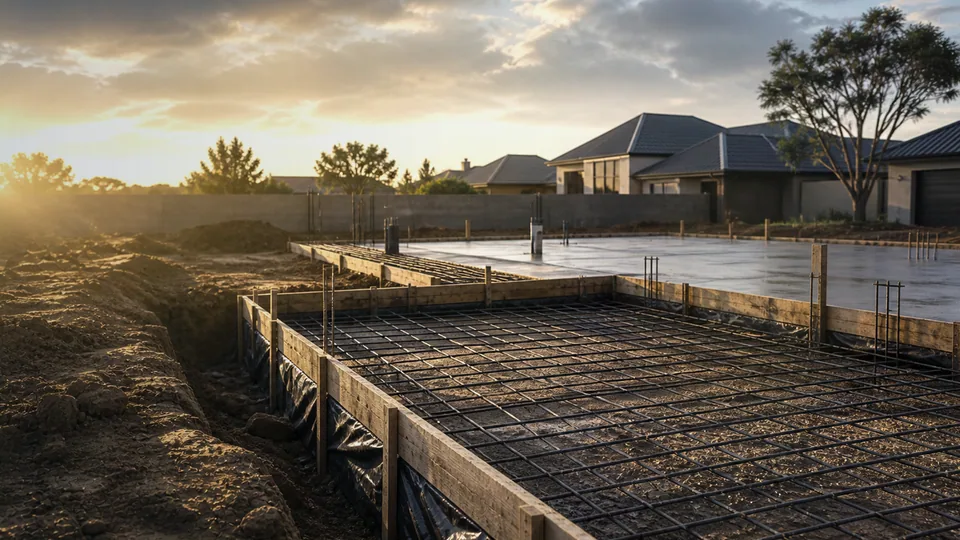
The Benoni Soil and Ground Conditions Guide
Black-turf clay, made ground, old mining pockets and lake-side water tables – what Benoni ground means for building

How Long Does It Take to Build a House in SA?
Stage-by-stage timelines, what stretches them, and realistic planning windows for Benoni builds

NHBRC Enrolment Explained: Process, Costs, and Why It Exists
Who must enrol, what it costs, how the process runs and what the warranty fund actually covers

Occupation Certificates in Ekurhuleni: The Final Sign-Off
What triggers the certificate, the inspections involved, and why moving in without one is a problem

Do Renovations Need Plans in Ekurhuleni?
A plain yes/no matrix for walls, garages, carports, flatlets and internal changes
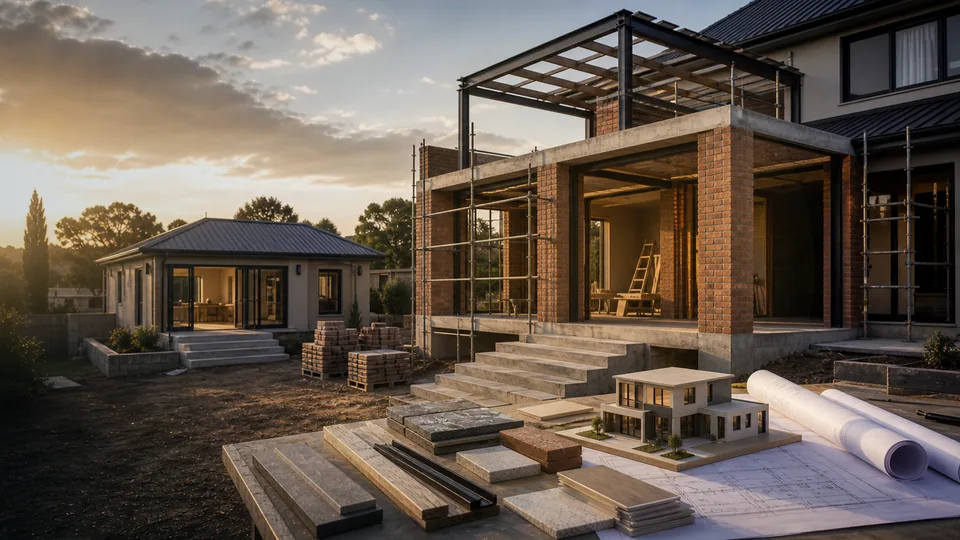
Second Dwelling Rules in Ekurhuleni
Consent requirements, size and services conditions for granny flats and garden cottages

Foundation Crack Types, Explained
Hairline vs stepped vs widening cracks decoded calmly – and the signs that genuinely need an expert
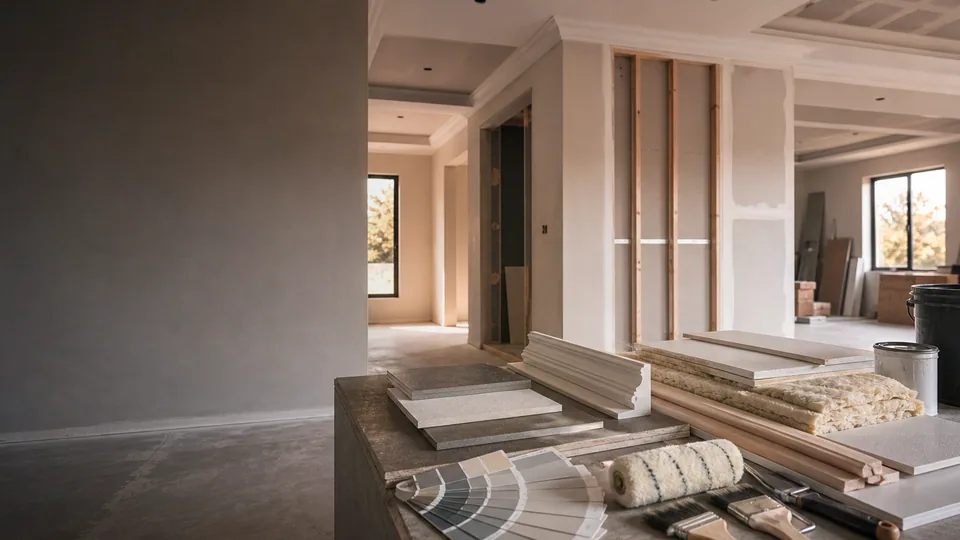
What Order to Renovate a House In
Structural first, then wet works, services, plaster, floors, paint – and why sequence saves money

Living at Home During Renovations: A Survival Guide
Dust zones, water and power cut-offs, kids and pets – and the builder agreements that keep it liveable
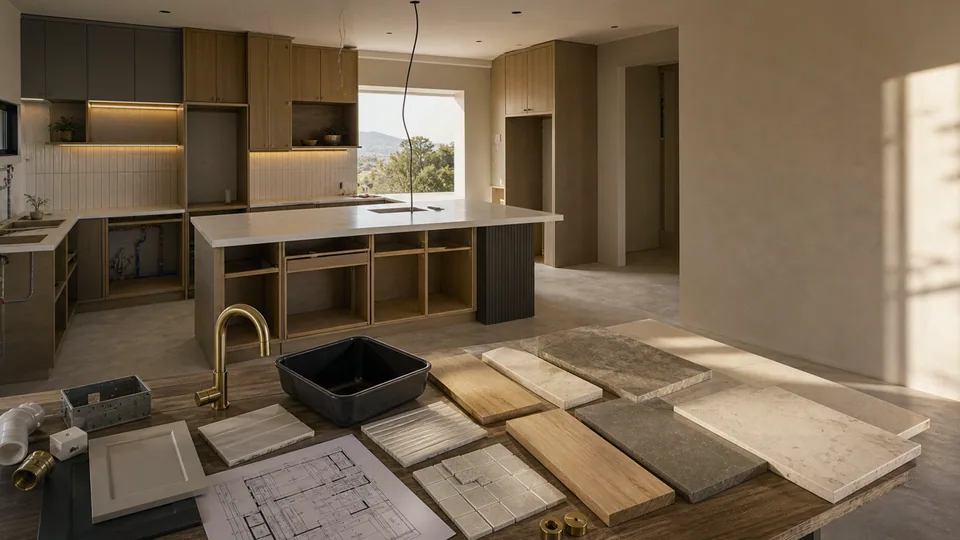
Common Home Renovation Mistakes (SA Edition)
Skipping plans, chasing the cheapest quote, no contingency, bad sequencing – the repeat offenders

How Long a Bathroom Renovation Takes
The day-by-day stages from strip-out to grout cure – and what commonly adds days

Bathroom Waterproofing, Explained
Where membranes go, the flood test, and the wet-area basics every shower rebuild needs

Granite vs Caesarstone Countertops
Durability, staining, heat, maintenance and cost logic compared for SA kitchens

Flatpack vs Custom Cupboards
Build quality, sizing, hardware, installation and lifetime cost compared for kitchens and bedrooms

Renovating in Sectional Title Schemes
Trustee consent, common property limits, working hours – the approvals that come before the builder

Can Your House Take a Second Storey?
Foundation, wall and roof checks explained – and when an engineer must answer the question
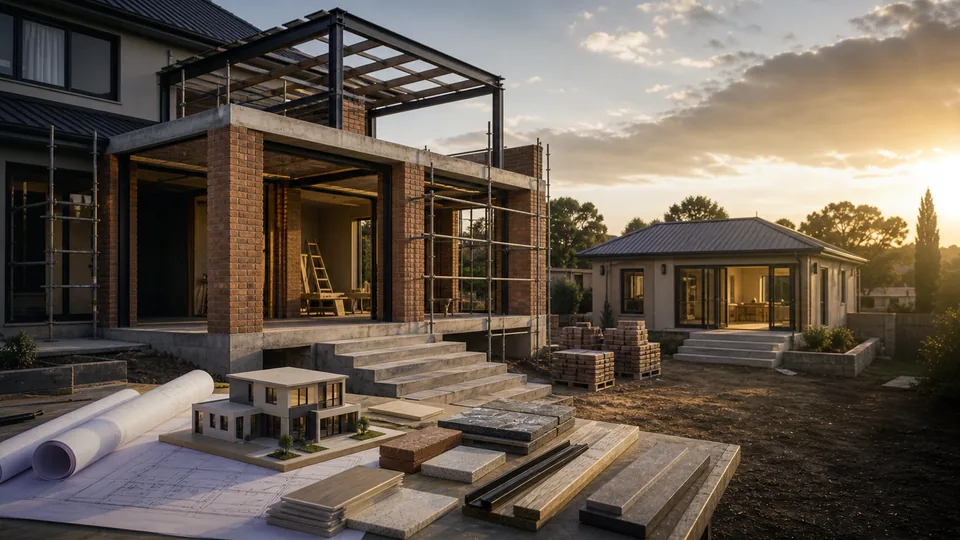
Granny Flat Rental Income in Benoni
Realistic rent ranges by flat size, the costs that erode yield, and the maths before you build
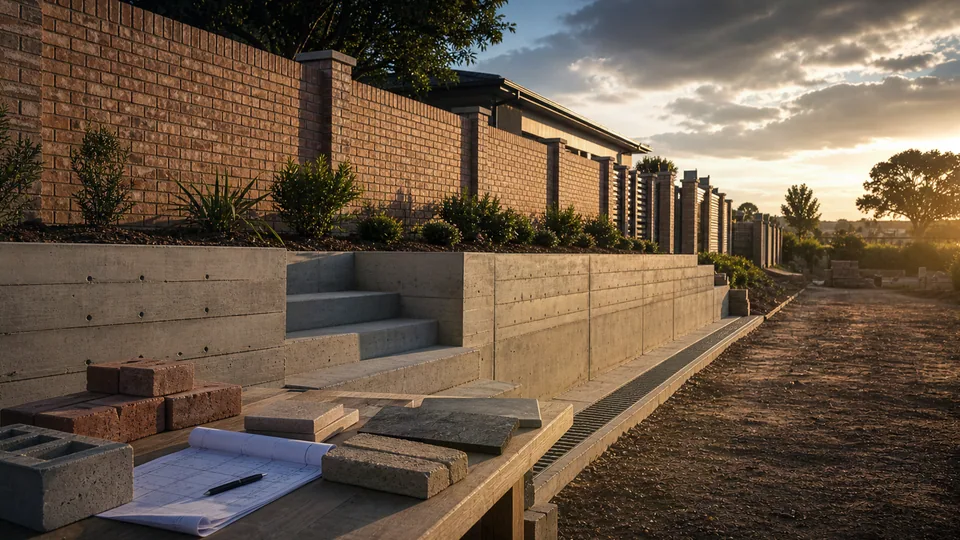
Raising a Boundary Wall: Height, Strength, and Rules
Whether the existing wall and footing can take it, the height rules that apply, and how raises are actually built
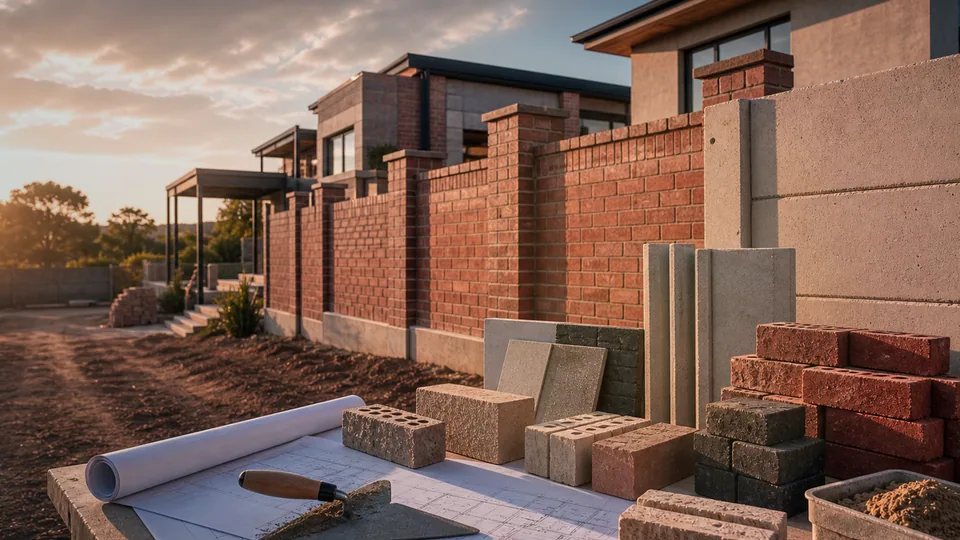
Who Pays for a Boundary Wall Between Neighbours?
The legal default, how neighbours usually split costs, and what to agree in writing first
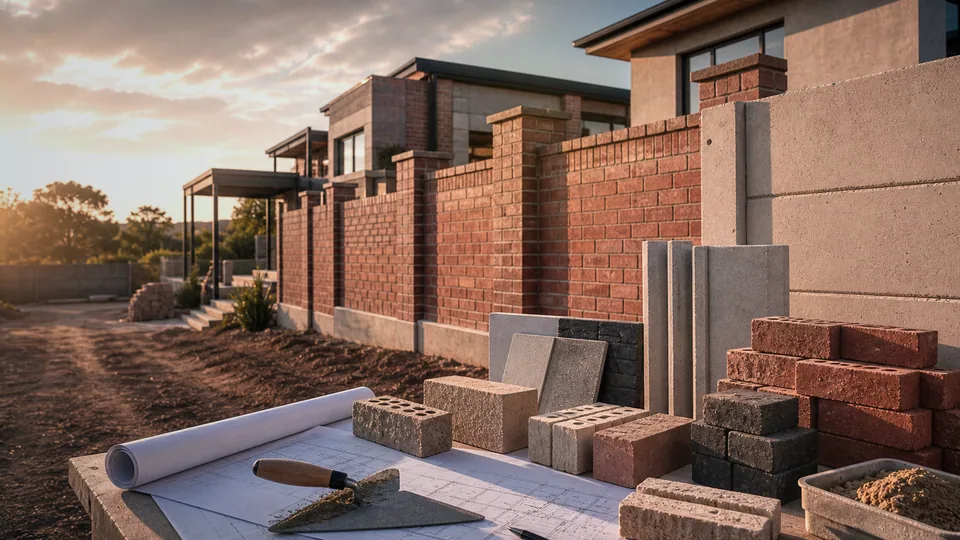
Why Retaining Walls Fail
Water pressure, missing drainage and poor founding explained – with the warning signs to act on

How to Find a Roof Leak
Why water shows far from where it enters – the attic, flashing and valley checks to run, and when to stop

Flat Roof Problems and Fixes
Ponding, blistered membranes, parapet cracks and failed outlets – on IBR decks and concrete slabs

Rising Damp vs Condensation: Which Is Wrecking Your Walls?
The patterns, tide marks and simple tests that tell them apart – and the right fix for each

Skimming vs Plastering, Explained
What each involves, which wall conditions need which, and why the wrong call wastes money

Tiling Over Existing Tiles: When It Works
The adhesion and height checks first – and the cases where stripping is the honest answer

Geyser Installation Rules, Explained
Drip trays, vacuum breakers, pressure valves and the certificate – what a compliant install includes

The Electrical CoC, Explained
What the certificate covers, when a new one is needed, and who may legally issue it

Construction Safety Files, Explained
What the OHS construction regulations require on commercial sites – contents, appointments and who supplies what

Renovating a Working Factory
Phasing, after-hours work, dust and SHEQ planning – upgrading a plant without stopping it
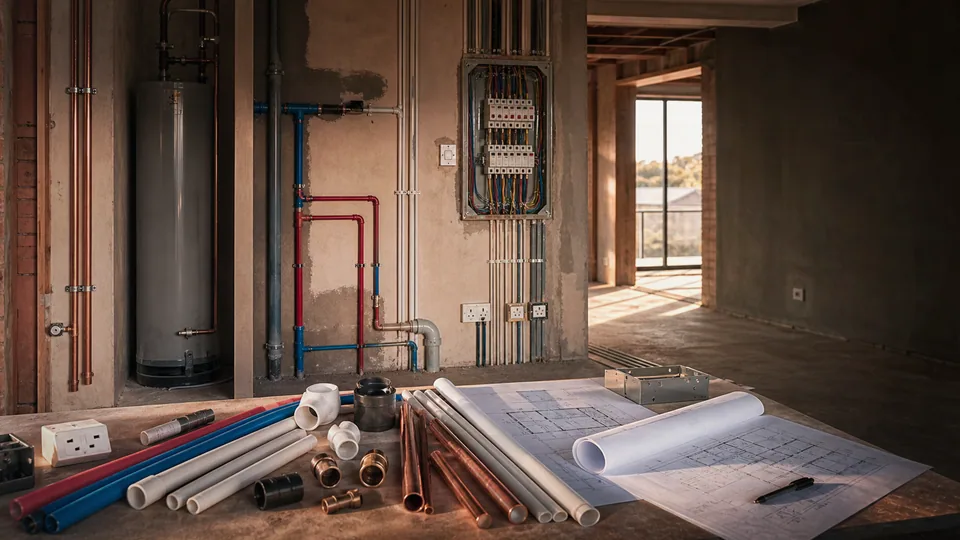
Certificates Needed When Selling a House in SA
Electrical, gas, electric fence – and where water or beetle certificates apply – in one checklist

Voetstoots and Building Defects: What Buyers and Sellers Should Know
What the clause protects, where disclosure duties override it, and the options on either side

Ekurhuleni Building Lines and Relaxations, Explained
What the setbacks are, when you can apply to relax them, and how relaxation applications run

Storm Damage Insurance Claims in SA
First steps, the evidence that helps, assessors and quotes – and realistic claim timelines

Why Paint Peels and Bubbles
Moisture, poor prep and wrong products decoded – with the fixes that stop it coming back
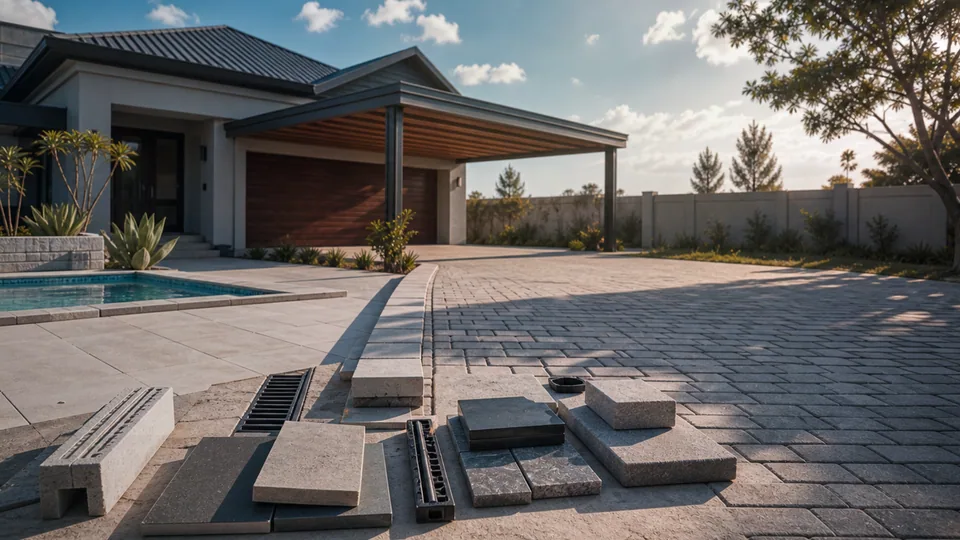
Why Paving Sinks (and How to Fix It Properly)
Failed sub-base, water and missing edge restraints explained – and what a proper repair involves

Inverter and Solar-Ready Wiring, Explained
What changes at the DB, changeover basics, and how to prep during a renovation – concepts only
Start with certainty