

Common Home Renovation Mistakes (SA Edition)
Skipping plans, chasing the cheapest quote, no contingency, bad sequencing – the repeat offenders
In short
The renovation mistakes SA homeowners repeat – skipping plans, chasing cheapest quotes, no contingency and bad sequencing.
15 min read
On this page
Think you can cut corners on a project and still save in the long run? Many Benoni property owners learn the hard way that quick decisions cost more time and money.
At buildingcontractorsinbenoni.co.za we see the most common home renovation mistakes: a rushed start leads to poor scope, unclear quotes and local issues being missed. A standard 20% contingency often falls short on complex builds, so plan conservatively.
Good planning asks the right local questions: access, materials, labour, approvals and what must be written into a quote. Take time now and you reduce the risk of painful, expensive lessons later.
Our platform connects you with independent contractors who know Benoni suburbs and site realities. Use that guidance to design errors out before a single brick is laid and keep your project on track.
Key takeaways: Start with a clear plan; confirm quote details in writing; allow more than a 20% contingency for complex work.
Understanding the Reality of Home Renovation Mistakes
Local projects reveal patterns: underquoted work, building contract mistakes, hidden site issues and rushed DIY attempts. Spotting these early keeps your house safe and valuable.

Learning new maintenance skills often raises pride in your property—38% of surveyed homeowners said it helped them feel more confident in their homes.
“A calm, structured approach reduces surprises and protects your budget.”
- DIY on complex tasks can lead to unexpected results that need costly professional fixes.
- Many stress points come from underestimating home renovation costs, the scale of the process and the lot conditions.
- Common patterns of errors can be designed out with the right information and planning.
Use our platform to access Benoni-specific home renovation insights and manage projects effectively from day one. That guidance helps you avoid repeat flaws and reach the results you expect.
| Approach | Typical Outcome | When to Choose |
|---|---|---|
| DIY small repairs | Lower cost, faster | Minor, non-structural tasks |
| Attempt complex work | Higher risk, rework likely | When scope or approvals are unclear |
| Professional quotes via platform | Clear scope, managed risks | For full projects and long-term value |
The Hidden Costs of Skipping Professional Plans
Failing to lock down design and delivery details frequently stalls a project for months in Benoni. What seemed like a quick start becomes a series of hold-ups when fixtures take 12 weeks to arrive.
Architectural input saves time and money by mapping how walls, floor and services must align before work begins.
The Value of Architectural Input
A good plan covers room layouts, kitchen runs, flooring sequences and light positions — knowing the right order to renovate in stops trades clashing and prevents costly rework.
Detailed drawings also list items and materials so you order the right tile, fittings and plumbing gear on schedule.
Avoiding Structural Compromises
Skipping plans risks hidden water runs, unsupported openings or wall changes that damage finishes and structure.
Without a coordinated plan, plumbing and electrical work can be rerouted on the fly, which creates a bit of chaos and extra cost.
- Plan for delivery lead times to keep the project flowing.
- Confirm materials and sequencing to avoid site delays.
- Use our platform to get scope-checked quotes and specialist input early.
“Good plans turn rooms into functional spaces and protect the build from avoidable damage.”
Why Chasing the Cheapest Quote Often Backfires
Picking the lowest bid can feel smart at first, but it often creates bigger problems down the line.

Cheaper quotes often cut corners on materials and skill. That shortcut shows up later as leaks, warped finishes or electrical faults.
For example, a low-cost contractor might rush a kitchen project, fit cheaper fittings and skip thorough checks.
At first we save time and cash. Later, the cost of repairs, replacements and lost use quickly outweighs the original saving.
“Many homeowners discover that the cheapest job is the most expensive when rework is needed.”
- View any job as a long-term investment where the team you choose sets the final results.
- Compare quotes on scope, warranties and materials—not just price.
- Our platform helps you spot value by showing scope-checked quotes from local contractors in Benoni.
Renovation mistakes often trace back to choosing only by price. Focus on quality and you protect your property, your time and your peace of mind.
Navigating Old Stock Surprises in Benoni Properties
Older Benoni properties often conceal quirks that show up only once work starts. These surprises can affect the whole plan and your budget.

Think like an inspector: check the walls, windows and floor before you remove finishes. Hidden rot, poor joists or corroded flashings cause delays and extra cost.
Identifying Structural Quirks Early
Start with a focused site check: look for uneven floors, bowed wall lines and damp marks behind paint. Note where light or services run through rooms and the living room layout.
- Inspect roof edges, window frames and tile bedding for water damage.
- Assess how original style and design affect modern fittings for your family use.
- Document finishes such as paint and tile so you can preserve character where it matters.
“Finding hidden problems early lets you budget for structure and safety, not just surface finishes.”
| Element | What to check | Potential impact |
|---|---|---|
| Walls | Damp, cracks, lining behind paint | Repointing, replastering, cost and time |
| Windows | Frames, flashings, leaks | Replace seals, repair framing, weatherproofing |
| Floors | Joists, level, tile bedding | Reinforce structure, relay finishes |
Use our platform to get local context and specialist quotes. Early checks protect the spirit of older homes and keep the project positive for your family and the area.
Essential Lane Hand-offs for Paperwork and Payments
Line up your paperwork and payment steps before any trade arrives and the site runs far smoother.
Get every agreement in writing. A signed scope and payment schedule protect your life and your finances while the project is under way.
Triple-check any technical advice you receive. Ask for sources, drawings or a short note that spells out what the contractor will do and when.
- Create a clear plan for staged payments tied to measurable milestones.
- Hold final payments until inspections, snag lists and warranties are complete.
- Keep receipts, permits and variations together so the process is auditable.
Handling the admin well reduces delays commonly linked to DIY attempts. It also keeps trades motivated to finish the job to the agreed standard.
“A clear payment lane and neat paperwork turn a chaotic job into a managed project.”
| Hand-off | What to record | Why it matters |
|---|---|---|
| Quote acceptance | Signed scope, start date, exclusions | Prevents scope creep and surprise costs |
| Payment schedule | Milestones, amounts, holdback | Aligns contractor incentives with quality |
| Variations | Written change order, cost and time impact | Keeps the project on budget and on time |
Managing Your Contingency Budget for Unforeseen Issues
Set aside a realistic contingency and you stop surprises from derailing a project in Benoni. A standard 20% buffer is common, but it often falls short when the site shows hidden problems or lead times extend.
Calculating Realistic Buffers
Start by listing the risky items: plumbing runs, old floor structures, water checks and any work in an older room. Assign a cost range to each item rather than a single figure.
Tip: add a further 5–10% for complex projects on tight lots or where access slows trades.
- Known unknowns (plumbing reroute, structural repair): higher buffer.
- Delivery-sensitive items (tiles, joinery): earmark funds separately.
- DIY work should include a contingency for professional fixes if things slip.
Handling Supply Cost Fluctuations
Materials prices and lead times can change quickly. Hold a small, dedicated reserve for items that may be delayed or repriced.
Use our platform to compare realistic quotes and understand which suppliers in Benoni can deliver on time. That reduces the risk of stopping work for unavailable materials.
“A well-managed contingency fund keeps a project moving and guards quality when the unexpected turns up.”
The Importance of Proper Site Access and Material Sourcing
A well-planned delivery route prevents damage and keeps trades working to schedule. Poor access turns simple drops into costly delays, as happened at The Quist when 800 metres of wrong-diameter water pipe were installed.
Source critical items early. When you buy materials ahead, you save time and avoid last-minute swaps that harm a room or fit.
Plan the site so trucks can unload, windows and gates are measured, and a clear storage area protects tiles and fittings from damage.
- Confirm lift, gate and parking access before the first delivery.
- Match pipe, tile and floor items to the specification to avoid rework.
- Consider light and floor needs in each area so materials suit the space.
“Good logistics keep the job moving and protect results.”
| Risk | Preventive step | Outcome |
|---|---|---|
| Narrow access | Measure gates, plan offload point | No crushed boxes, faster delivery |
| Wrong materials | Order based on drawings, check items on arrival | Fewer delays, correct fittings |
| Poor site storage | Allocate covered, level space | Protected tiles and joinery, better results |
Use the platform for local supplier insight and to compare quotes that include access and delivery planning. It keeps your house functional and reduces DIY risk.
Why You Should Avoid Paying Ahead of Schedule
Never hand over large sums before work reaches a verifiable milestone on site. Get everything in writing to protect your interests and the agreed scope.
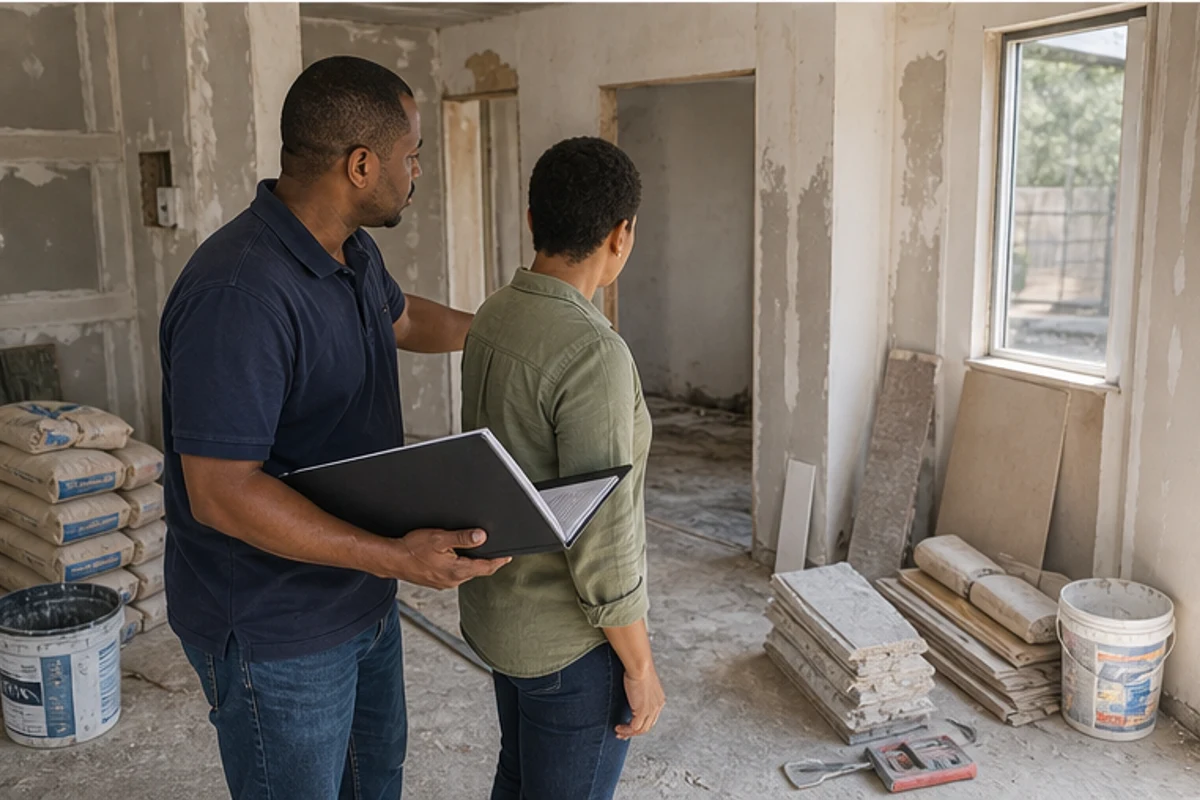
Tie payments to clear milestones. Ask for a signed schedule that links each instalment to physical progress. That keeps the contractor accountable and helps you check materials on arrival.
Control the cash flow and you keep leverage over quality and pace. If fittings or materials arrive late, you can hold the next payment until the issue is resolved.
- Use staged payments linked to measurable milestones.
- Retain a final holdback until the job meets the snag list.
- Record variations and payment receipts in writing.
“A disciplined payment approach protects your project and ensures work finishes to the agreed standard.”
| Payment approach | Typical outcome | When to use |
|---|---|---|
| Large upfront deposit | Higher risk of delays or incomplete work | Avoid unless materials must be ordered and vendor terms require it |
| Milestone payments | Better quality control and steady progress | Standard for moderated-sized projects in Benoni |
| Holdback on completion | Ensures final defects are fixed | Always keep a final retention until handover |
Preventing Common Design and Layout Flaws
Focus on how people move through rooms before you pick colours or fittings. A clear plan that prioritises function makes daily life easier and saves time during build and after.
Prioritising Functionality Over Aesthetics
Ask how the family will use each room. Think about circulation, appliance placement and where water and plumbing must run.
The New Design Rules (330 pages) stresses that a functional layout beats short-lived style choices every time.
Lighting and Electrical Planning
Map lighting and sockets early so fittings and switches land where you need them. Good light planning protects finishes and helps trades install items without rework.
“Plan light and power with purpose — it shapes how a room works.”
Optimising Storage Solutions
Design storage into the layout so walls, floor and built-ins work together. For example, a beautiful kitchen is useless if drawers clash with plumbing or door swings block a space.
- See each room as a system of details and items.
- Match tile, materials and fittings to how the house will be used.
- Test a furniture layout to spot awkward flows before building.
Assessing Contractor Reliability for Your Project
Trustworthy tradespeople protect your investment and your daily life during any build in Benoni. Choosing the right contractor early reduces risks and saves time later.
Start by checking recent projects, client references and proof of licences. Ask for site photos, a written scope and warranty details so you can compare real quality rather than price alone.
Good contractors explain how they manage unexpected site issues and how long a project will take. That clarity prevents avoidable delays and costly measures when hidden problems appear.
- Verify experience on similar jobs in local suburbs.
- Confirm insurance, trade certificates and three references.
- Request a clear schedule, materials list and snag process in writing.
Many owners find their DIY efforts complement a professional who understands the job. Our platform gives tools to assess contractors and request scoped quotes so you choose a team that delivers the results you expect.
“A reliable contractor manages risk, keeps work tidy and finishes to the agreed standard.”
Securing Scope-Checked Quotes Through Our Platform
Begin with verified, scope-checked quotes and avoid costly surprises during delivery and build. For any home renovation project in Benoni, clarity up front saves time and money.
buildingcontractorsinbenoni.co.za connects you to independent pros who can help plan a kitchen, a room or light upgrades with confidence. Request up to three quotes, or up to five where available, to compare scope, materials and timing.
The platform’s process guides you through design checks and a simple quote request so you can manage budget and space without guesswork. Visit the site to request scope-checked quotes and take the first step towards the end result your homes need.
FAQ
What are the most common mistakes Benoni homeowners make when skipping plans?
Skipping professional plans often causes layout problems, unexpected structural work and approval delays. Without drawings from an architect or draughtsman you risk non-compliant alterations, mis-sized rooms and unplanned plumbing or electrical relocations. Always get at least a basic set of plans before starting structural or layout changes.
How does chasing the cheapest quote backfire locally?
The lowest bid can mean inferior materials, inexperienced labour and missed inclusions such as water-proofing or electrical certification. In Benoni this often leads to rework, warranty gaps and higher total cost. Compare detailed scope, materials, timelines and references—not just the bottom line.
Why is architectural input worth the cost for small projects?
An architect or experienced draughtsman helps optimise space, spot structural risks and prepare compliant drawings for council approvals. Their input reduces costly changes on site and improves resale value. Even simple kitchen or bathroom alterations benefit from professional layouts and specification notes.
What structural compromises should I avoid when renovating older properties?
Don’t remove load-bearing walls without engineer sign-off, cut concealed lintels, or ignore degraded roof timbers. Older Benoni homes can hide rot, rusted flashing or compromised foundations. A structural inspection early in the process prevents safety risks and surprise expenses.
How can I identify old-stock surprises before work begins?
Commission a pre-start inspection that checks wiring, plumbing, roofing and timber condition. Look for outdated fuse boards, galvanised pipes, asbestos cement sheeting and damp in subfloors. Early identification lets you price realistically and set a proper contingency.
What paperwork and payment hand-offs should I prepare for?
Keep signed quotes, a written scope of work, proof of contractor registration (SIRA or CIDB where relevant), and payment schedules. Use staged payments tied to clear milestones and always get receipts. For council work, retain plans and approval letters on site.
How much contingency should I budget for unforeseen issues?
Aim for a contingency of 10–20% of the project sum for typical upgrades, higher for older buildings or structural work. Factor in labour, materials, small design changes and discovery work. Review the contingency at each quote stage and update it if inspections reveal more issues.
How do I handle material cost fluctuations during a job?
Lock in prices where possible with written supply quotes, order long-lead items early, and include a clause in the contract for major price changes. Keep a small buffer in contingency for volatile items like timber, tiles and plumbing fittings.
What site access and material sourcing considerations affect project timelines?
Check vehicle access, parking, storage for materials and secure space for offloading. Confirm delivery windows with suppliers and contractors. Limited access in suburbs or narrow streets can add labour time and lifting costs—plan for them in the quote.
Why should I avoid paying the full amount up front?
Paying ahead removes leverage if issues arise. Use staged payments tied to milestones and keep a retention sum until final completion and snag clearance. Always get invoices and proof of work for each payment stage.
What common design and layout flaws cause regret after completion?
Poor circulation, insufficient storage, blocked sightlines and inadequate natural light are frequent regrets. Over-prioritising style over function leads to impractical kitchens and underused living areas. Test layouts with simple mock-ups or full-size tape marks before committing.
How should I approach lighting and electrical planning?
Plan lighting, power points and data outlets early. Consider layered lighting—ambient, task and accent—and locate plugs for appliances, TVs and charging points. Upgrading the electrical board or adding circuits is easier when planned during renovation.
What are practical ways to optimise storage in smaller Benoni homes?
Use built-in joinery, full-height cupboards, under-stair storage and bespoke solutions for kitchens and laundries. Prioritise easy-to-access storage near functional zones and avoid shallow or overly ornate cabinets that waste space.
How can I assess a contractor’s reliability before hiring?
Check references, view recent local work, verify trade registration and public liability insurance, and ask for a detailed written quote with clear timelines. Meet them on site to discuss practical issues like access, council approvals and materials sourcing.
What should I confirm in a scope-checked quote from your platform?
Ensure the quote lists specific materials, brand names, finishes, exclusions, start and completion dates, payment terms and warranty details. Confirm who is responsible for council submissions, site cleaning and any subcontracted work before accepting a quote.
Related building cost guides
Ready to compare?