
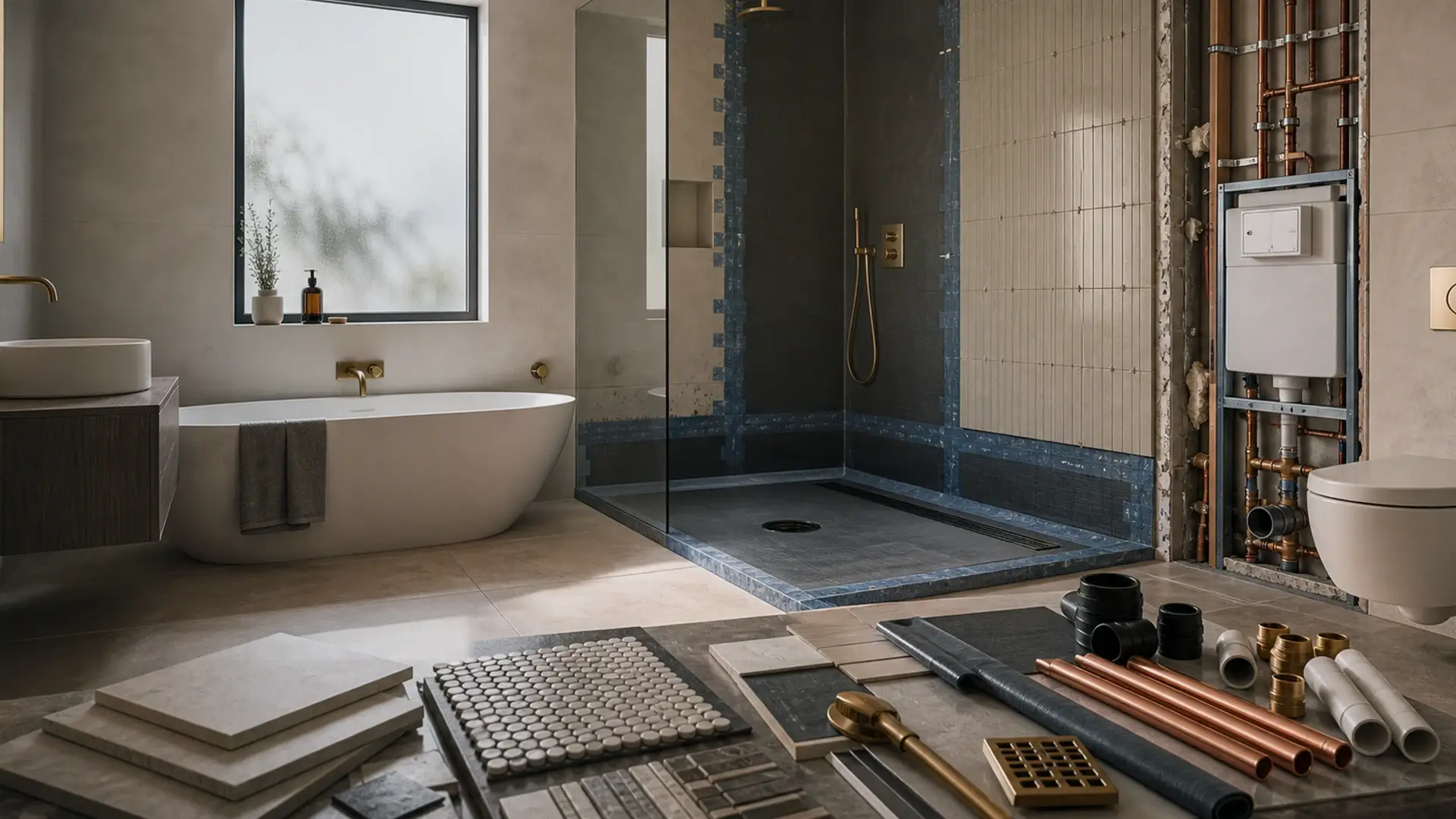
Renovating in Sectional Title Schemes
Trustee consent, common property limits, working hours – the approvals that come before the builder
In short
Renovating in a sectional title scheme – trustee consent, common property limits, working hours and the approvals that come first.
9 min read
On this page
Curious how much you can change inside your section without upsetting the scheme? If you own in Benoni, knowing the limits saves time and money.
The Sectional Titles Schemes Management Act 8 of 2011 sets the sectional title renovation rules for any work. Start by checking which part of the property is your section and where common property begins.
Trustees enforce the scheme and must give written consent before plans go ahead. Never assume small improvements don’t need approval — trustees may require formal plans and an approval process.
For practical help, use buildingcontractorsinbenoni.co.za to request up to three quotes from local contractors who know local site access, materials and approvals. Get consent in writing and confirm that proposed changes do not encroach on the common property area or need a special resolution.
Understanding your title scheme’s requirements is the first step to a successful project that adds lasting value to your home in Benoni.
Navigating Sectional Title Renovation Rules and Legal Compliance
If you own a unit in Benoni — common in suburbs like Lakefield — you must know where your private area ends and the shared parts begin.

Understanding Private vs Common Property
Most internal home renovations — new flooring or a fresh coat of paint — are allowed inside your section. Sectional-title experts stress that structural work or changes to walls, plumbing or electrical routes need written consent from the body corporate and trustees.
“Internal upgrades are usually fine, but any work that affects structure or common property must be approved.”
Bennie van Dyk, MidCity Property Services
- Check the sectional titles act and the scheme’s management act before you plan building work.
- Get written permission, confirm whether a special resolution is required for exclusive use areas, and agree health and safety and working hours.
The Risks of Unauthorised Alterations
The 2019 Body Corporate Le Chene D’Or v Sohail Carim case shows the cost of unauthorised alterations — owners were forced to remove work and restore the appearance of units.
Unapproved changes can reduce resale value, trigger legal actions, and burden other owners in the scheme. Use our platform to find bathroom renovation and other contractors who respect the management act and secure permission before starting work.
The Approval Sequence for Alterations and Common Property
Start any alteration in Benoni by mapping the approval path through your body corporate and the local council. Knowing the sequence avoids delays and unexpected costs.

Navigating trustee consent and municipal plans
Your first step is a formal request to the trustees. They check whether the work needs plans for municipal compliance and confirm if it affects an area of common property.
- Provide full building plans and any municipal approvals when you submit your request.
- Trustees may ask for an engineer’s certificate for structural work to protect the fabric of the building and common property.
- If common property is involved, a special resolution — or even a unanimous resolution — may be required.
- Amendments to rules for improvements must be lodged with the Community Schemes Ombud Service (CSOS) before they bind the scheme.
The Le Chene D’Or ruling confirms written permission is needed for changes to external walls or the appearance of units. Brief your chosen contractor on these steps so quotes match the approval and compliance requirements.
Follow the correct sequence and you protect your investment, keep good relations with other owners, and ensure any improvements add lasting value to your unit.
Managing Contractors and Site Logistics in Benoni Complexes
In Benoni complexes, contractor logistics make the difference between a smooth upgrade and a neighbourhood dispute. Start by confirming the body corporate’s access terms and set agreed working hours to protect the quiet enjoyment of other owners.

Contractors in sectional titles must usually sign a code of conduct covering site cleanliness, noise control and repair of any damage to common property. The body may request a deposit from the owner to cover potential repairs.
Before work begins, get written approval from trustees and check whether the sectional titles act or the scheme requires a special resolution for changes that affect appearance or walls. Make sure your contractor has full building plans and understands which sections are private and which are shared.
- Confirm working hours, deliveries and location for material storage.
- Require a signed scope of work with materials, labour and payment terms.
- Insist on a damage deposit and a clear process for using common areas.
Use buildingcontractorsinbenoni.co.za to connect with contractors who know local site rules and can supply appropriate quotes. Good site management prevents disputes and keeps your unit improvements on track.
Streamlining Your Project with Our Quote Request Process
Find builders experienced with body corporate requirements in Benoni by requesting targeted quotes through our platform.
Our quote request process helps an owner locate independent contractors familiar with sectional title and title scheme work. You can ask for up to three building quotes, or up to five where available, to compare prices and timelines.
Please note our platform does not employ builders or do the work; we simply connect you with local service providers. Check each quote covers materials, labour, site access and municipal approval costs.
Choose contractors who respect trustees, common property and the scheme appearance. Submit your details today to start receiving competitive options for your property improvements and alterations with the correct approval and permission in mind.
FAQ
What approvals do I need before starting work in a Benoni complex?
You must get written consent from the body corporate trustees for any change that affects common property, building appearance or structural elements. Also confirm municipal plan approval for alterations that change plumbing, electrical layouts, or add floor area. Check the scheme’s management and conduct rules for specific requirements and any special resolution thresholds for major changes.
How do I know if the area I want to change is private or shared?
Review your sectional plan and your title deed to see if the space is defined as part of your unit or listed as common property. If the plan is unclear, ask trustees for a copy of the sectional plan and the scheme’s registered rules. For balconies, pavements, boundary walls and gardens, assume shared ownership until the body corporate confirms otherwise.
What happens if I make unauthorised alterations?
The body corporate can require you to restore the original condition, levy fines, or take legal action. Unauthorised work may affect insurance cover and resale value. Always obtain written approval first and keep plans, contractor details and municipal permits on file.
Do I need a special resolution for big changes?
Yes. Structural alterations, exterior colour changes or additions that affect common property generally need a special resolution at an owners’ meeting. Minor internal improvements inside your unit may only need trustee approval—check the scheme rules and the Sectional Titles Act provisions that apply to your scheme.
Who is responsible for repairs to shared walls and roof sections?
The body corporate normally handles maintenance of structural elements such as shared walls, roofs and drainage that serve more than one unit. Owners pay via levies; urgent repairs can be authorised by trustees. Clarify responsibility before you start work that touches these elements.
What contractor checks should I insist on for work in a complex?
Ask for a current CIDB or similar registration, proof of insurance, references from other complexes, and a written quotation outlining materials and labour. Confirm the contractor will comply with scheme rules, site access times and noise limits. Get the final quote and payment terms in writing.
Are there time limits or working hours I must follow?
Yes. Most schemes set permitted work hours and restrict noisy activities on weekends or public holidays. Municipal bylaws may impose additional limits. Agree working hours with trustees before site work begins to avoid fines or being asked to stop.
How do communal area changes get approved and managed?
Any alteration to common property needs a trustee decision and, for major changes, an owners’ resolution. Submit detailed plans, a contractor programme, proof of permits and public liability insurance. Trustees may require a reinstatement bond or conditions to protect other owners during work.
Will my improvements affect my levies or insurance?
Significant alterations can change replacement value and may affect the scheme’s insurance premium. The body corporate must be informed of structural changes. You should also check your own home-contents policy to ensure new fixtures and finishes are covered.
How do I arrange municipal approvals and who pays?
You or your appointed contractor should obtain building plan approval from the local municipality for any work that alters structure, plumbing or electrical systems. Costs commonly fall on the owner requesting the change. Provide the body corporate with approved plans where required.
What should I include when requesting quotes through the platform?
Provide a concise brief: unit location, scope of work, materials preferred, access details, any body corporate approvals already obtained, and preferred start dates. The platform can help you request up to three quotes, or up to five where available, from independent contractors in Benoni suburbs like Rynfield, Bredell and Lakefield.
How can I protect communal areas from damage during works?
Agree a site-protection plan with your contractor and trustees: protective sheeting for corridors, floor coverings, dust control and designated waste removal points. Trustees may require a refundable damage deposit or a contractor indemnity bond before work starts.
Who enforces compliance with scheme rules on the day of work?
Trustees and appointed managing agents monitor compliance. They can stop work for breaches and impose penalties set out in the management rules. Keep lines of communication open with trustees and the managing agent to resolve issues quickly.
Can I change external colours, cladding or window frames?
External appearance changes almost always need body corporate approval and may require an owners’ resolution. The scheme’s aesthetic guidelines typically control colours, cladding materials and window styles to protect uniformity and property values.
What paperwork should I keep after the project finishes?
Keep approved plans, municipal completion certificates, contractor invoices, warranties, insurance certificates and a record of trustee approvals. These documents help with future sales, levy queries and any warranty claims.
Related building cost guides
Ready to compare?