

NHBRC-Registered vs Unregistered Builders
What registration actually covers, when it is legally required, and the real risk gap on Benoni projects
Quick verdict
NHBRC-registered or unregistered builder in Benoni? What enrolment legally covers, when it is required, and the genuine risk gap.
13 min read
On this page
Can a single piece of paperwork really change the safety, cost and long‑term value of your new home?
Understanding the difference between NHBRC registered builders in Benoni and those without enrolment is the first step for any homeowner planning a new build.
Our platform, buildingcontractorsinbenoni.co.za helps you navigate building and construction choices so you avoid costly surprises. We list local building contractors and give clear advice on approvals, plans and what to confirm in writing.
Whether your project is a new home, a complex renovation or a small house upgrade, choosing the right contractor affects quality and warranties. Use our system to request quotes, compare services and contact vetted professionals who understand local regulations and workmanship standards.
Start your search informed — knowing what registration covers will shape your project, protect your investment and keep work on track.
Understanding NHBRC Registered Builders Benoni and Legal Requirements

Local law requires certain new-home projects to be enrolled with the national registration council before work starts.
Legal Mandates for New Builds
The National Home Builders Registration Council is the primary regulator for the home building industry in South Africa — our guide to NHBRC enrolment explains the process. By law, any new home construction project must be enrolled with the registration council so the builder meets technical and financial capability checks.
- Mandatory enrolment: New home and housing developments require council enrolment before building construction begins.
- Warranties and standards: Engaging registered home builders helps ensure your project meets national home standards and comes with statutory protections.
- Who must comply: new home builders working on a new home should show proof of enrolment and compliance.
When Registration is Optional
Renovations and repairs to existing houses do not usually require enrolment. Simple upgrades, plumbing tweaks, electrical work or cosmetic changes often fall outside mandatory registration.
- Smaller renovation work can be done by local building contractors without enrolment.
- For larger alterations such as house extensions that change structure, check with the registration council and your local authority.
Use our platform to confirm which building contractors are appropriate — see how we vet contractors — and connect with professionals who understand legal requirements and plans.
The Risks of Engaging Unregistered Contractors

Opting for an unverified construction company risks your mortgage, warranty and the safety of your house.
Legal and financial exposure. Engaging an unregistered contractor for a new home build in South Africa is a criminal offence under the Housing Consumers Protection Measures Act. Lenders will not bond a property where building construction lacks proper enrolment, and insurers may refuse cover.
Structural and practical issues. Unqualified teams often lack the experience needed for complex projects — the owner-builder vs turnkey choice matters here too. That leads to defects, extra costs and no clear legal recourse for clients.
“Choosing the right builder protects your investment, your family and your ability to refinance.”
- Unregistered work can stop mortgage approval and void structural cover.
- Poor workmanship increases repair bills and delays on projects.
- Always verify a contractor before signing plans or paying deposits.
Our platform connects you with a reputable construction company that operates within the industry rules. Use our resources to check credentials for renovations or a new build and to reduce the chance of costly issues.
| Risk | Effect | What to check |
|---|---|---|
| Illegal engagement | Possible prosecution; work halted | Verify registration with the national home registration council |
| No bonding | Bank refuses mortgage; refinance blocked | Confirm builder enrolment before mortgage application |
| Structural defects | Costly repairs; safety risk | Request references, site visits and proof of experience |
| No insurer cover | Claims denied for defects | Check insurer requirements and written warranties |
Comparing Registered and Unregistered Building Services
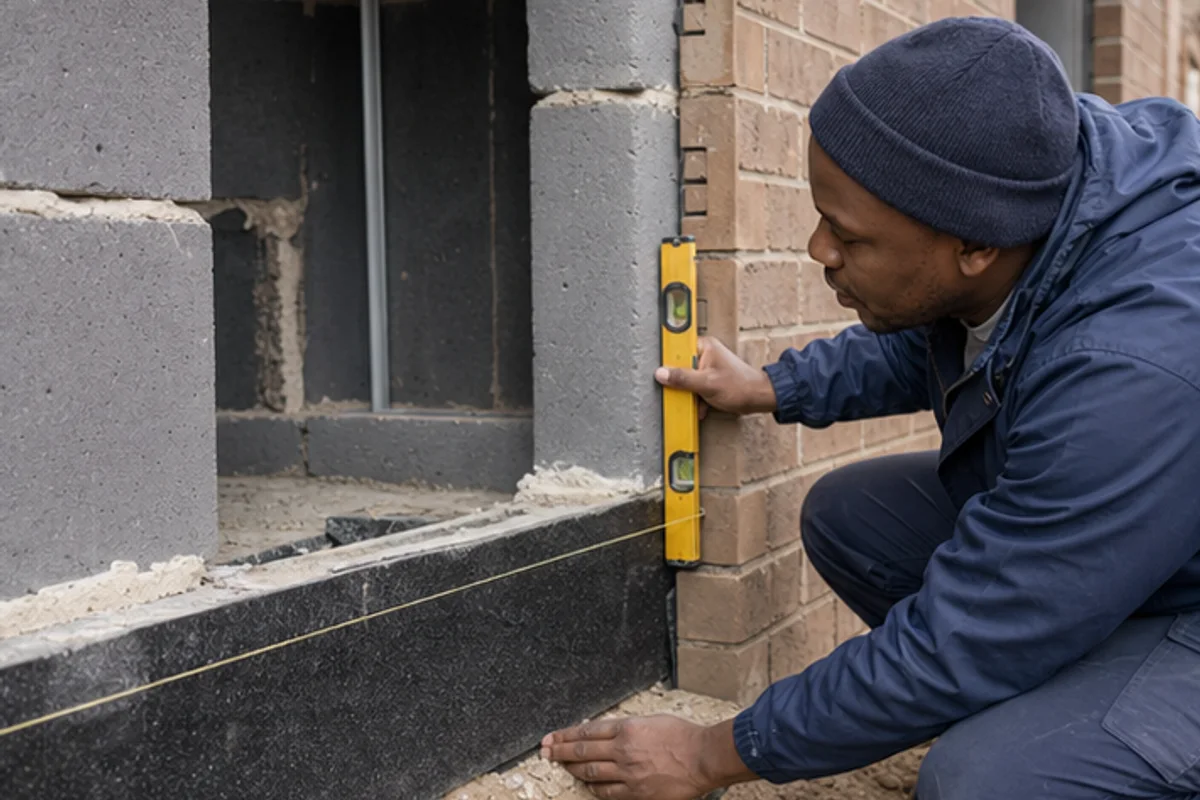
A side‑by‑side look at contractor services makes the risks of unverified work easy to see.
Why status matters: a contractor’s formal enrolment affects warranties, bank finance and resale. Registered practitioners commonly supply a 5‑year structural warranty; unregistered operators cannot offer that legal protection.
Use the checklist below to weigh services, workmanship and written terms before you accept quotes.
Risk assessment table
| Risk | Registered service | Unregistered service |
|---|---|---|
| Structural warranty | 5‑year legal cover | No statutory protection |
| Bank finance & resale | Supports mortgage and market value | May block bonding and reduce resale price |
| Quality & workmanship | Adheres to industry standards | Higher chance of defects and issues |
| Contract & recourse | Written contract and legal remedies | Limited or no formal recourse |
- Request up to 3 quotes, or up to 5 where available, to compare prices and credentials.
- Confirm that the construction company provides a written contract and references.
- Choose a service that protects your home project from start to finish.
Essential Trust Factors for Your Construction Project
A reliable construction service shows its quality in how it manages access, materials and daily supervision.
Site Access and Materials
Confirm site hours, security and how deliveries will be handled. Clear access rules reduce delays and protect neighbouring properties.
Check material sources and request product specs so you know what will be used on your house. Insist on written confirmation of lead times and substitutions.
Labour and Finishes
Ask who will supervise each day and what trades are on site. Regular supervision keeps workmanship consistent and helps the project hit time and budget targets.
Document finishes and colour choices before work starts. This avoids costly rework and ensures the final service matches your plans.
Approvals and Assessments
Require proof of municipal approvals, plumbing inspections and electrical COCs at handover. These legal documents protect the value and safety of your home.
- Record progress, decisions and variations in writing.
- Confirm that the company can supply soil and safety certificates where needed.
- Use experienced contractors who manage permits and final handover properly.
“Daily supervision and clear paperwork are the best safeguards for your building project.”
Why Our Platform Simplifies Your Contractor Search
Start your search with focused leads so you compare actual quotes and real experience.
Proven reach: Over 84,000 homeowners have used the service to find reliable building and maintenance help. That history makes it easier to find a suitable company for your project.
The platform identifies three skilled professionals for your work. This saves time and gives you clear options to compare on price, timelines and plans.
Use the system for small renovations or larger construction projects. It helps match your brief with contractors who have relevant experience and a record of timely delivery.
“A clear shortlist and direct quotes reduce risk and speed up decision‑making.”
- Request up to three quotes to compare costs and services.
- Expect professional customer service through every day of the request process.
- Find a company suited to residential or business projects with verified experience.
| Feature | Benefit | What to confirm |
|---|---|---|
| Three professional leads | Faster decision making | Compare scope, price and timelines |
| Quote streamlining | Less admin for clients | Confirm inclusions and exclusions in writing |
| Customer service support | Smoother communication | Record contact points and response times |
Navigating the Quote Request Process
Begin the request process with a short form that captures your project details and timelines.
How it works: Complete a simple online form with your plans, photos and contact details. Tell us whether the work is a full home build, a house renovation or a specific plumbing or electrical task.
After you submit, we identify suitable professionals. A contractor from a local company will contact you to arrange a site visit and confirm access times.
- Request up to three quotes, or up to five where available, to compare price and scope.
- Use site visits to clarify materials, labour and any approvals the project needs.
- Ask each bidder for a written quote, the proposed start date and estimated completion time.
Compare quotes by checking inclusions, exclusions and warranties. Contact the professionals directly to discuss plans and to record any changes in writing.
“Comparing multiple quotes keeps your construction project on budget and aligned with your expectations.”
Property Value and Refinancing Implications
Unapproved alterations can quietly strip equity from your house when you try to refinance.
The value of your home in South africa depends on the legality and quality of the building work done.
If you use unregistered building contractors, banks may refuse to bond the property. That blocks refinancing and limits resale options.
All extensions and renovations must have municipal plan approval. Proper plans keep the house bankable and insurable.
- Market value: lawful, high‑quality work protects prices and buyer confidence.
- Refinance risk: unapproved work can stop mortgage approval or reduce loan offers.
- Documentation: keep permits, plans and completion certificates for every addition.
Our platform helps you locate building contractors and a reputable construction company who understand bankable projects and approvals.
“Keep every plan and permit on file — it preserves value and avoids costly surprises.”
Whether you plan a new home or a small renovation, align your budget and plans with legal requirements. Use proven contractors south of the city and in nearby areas to protect your investment.
How We Vet Professionals for Your Peace of Mind
Your peace of mind starts with a careful review of skills, paperwork and past performance.
Every professional listed must pass identity checks and experience verification. We confirm references, check registration status where applicable, and review past project work to assess workmanship and time management on site.
We also verify trade specifics. That includes plumbing, electrical and general construction services so the right expert matches your plans and scope.
- We vet each construction company and individual contractor for quality and professional conduct.
- We check references, registration records and past work from house renovations to full builds.
- Experts are screened for project management skills, paperwork handling and customer service.
- Our database is updated every day to keep contact details and experience current.
Contact us if you want details about any recommended contractor or the checks we ran. We share what we find so you can compare quotes with confidence.
“A clear vetting process reduces risk and helps you choose the right company for your work.”
Securing Your Next Building Project with Confidence
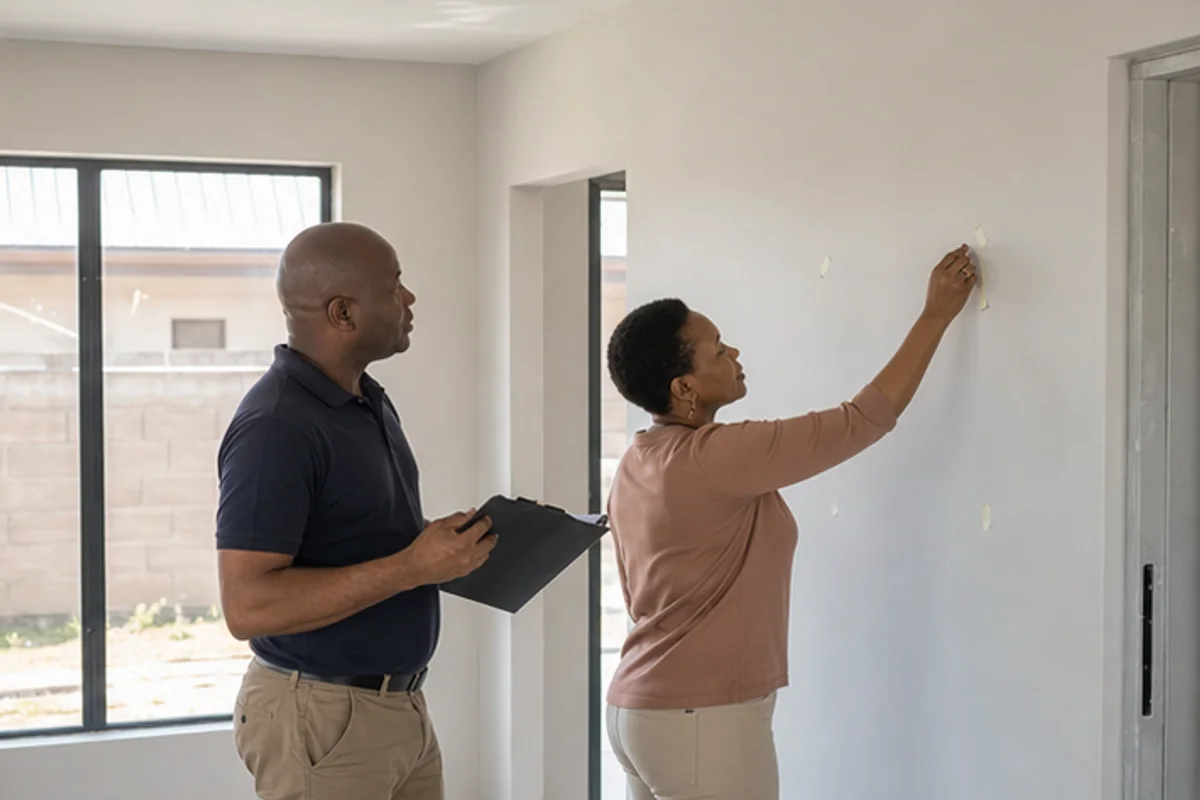
Start your building project with clear plans and at least three comparable quotes to protect time and budget.
Use our platform to compare local construction company options, review prices and confirm workmanship before you sign.
Choose vetted contractors who supply written plans, timelines and a fair service agreement. This helps clients avoid delays, poor work and hidden costs.
Whether it is a new home or a renovation, request up to 3 quotes (or up to 5 where available) at buildingcontractorsinbenoni.co.za and take the first step toward a successful, stress‑free build.
FAQ
What does NHBRC registration actually cover?
Registration with the National Home Builders Registration Council covers compliance with prescribed technical standards for new home construction, enrolment of new-home build projects for monitoring, and access to a dispute resolution and warranty process for qualifying owners. It does not replace municipal approvals, planning permissions or insurance, and it does not guarantee work quality beyond the NHBRC’s inspection and enrolment scope.
When is NHBRC registration legally required for a build?
Registration is typically required for the construction of new homes and certain housing projects. Local building laws and the NHBRC mandate enrolment of new-home projects so buyers and homeowners have recourse through inspections and warranties. Always confirm with your local municipality and the NHBRC whether your specific project needs enrolment before work begins.
Are there situations where registration is optional?
Yes. Small renovations, maintenance work, internal upgrades and non-new-home projects may not require NHBRC enrolment. Whether registration is optional depends on the scope of work, whether the project creates a new home or alters the building footprint, and municipal rules. Check with your contractor and the NHBRC for clarity.
What risks come with hiring an unregistered contractor?
Unregistered contractors may leave you without NHBRC dispute resolution or warranty cover for new-home work. You may face greater risk of non-compliant workmanship, delays, or incomplete handover. Unregistered status can also complicate finance and resale, since lenders and conveyancers often request proof of compliant build and warranties.
How do registered and unregistered services compare on reliability and cost?
Registered contractors generally offer clearer compliance, standard inspections and access to warranty processes, which can reduce long-term risk. Unregistered contractors can be less expensive upfront but may carry higher long-term risk for defects or non-compliance. Balance cost against the project type, required approvals, and your tolerance for risk.
What trust factors should I check before hiring a contractor?
Verify written quotes, proof of relevant qualifications or enrolment where required, local references, sample workmanship, insurance cover, proposed materials and labour schedules, and municipal approval handling. Confirm what is included in the warranty and insist on a written contract with timelines and payment milestones.
How important is site access and material selection?
Very important. Site access affects logistics, timelines and cost. Material choice influences durability, finish and maintenance. Confirm who sources materials, where they will be stored, delivery access, and how the contractor manages waste and site safety before work starts.
What should I expect about labour standards and finishes?
Ask for a workmanship standard, samples or photos of finished work, and a clear schedule of subcontractors (plumbers, electricians, tilers). Agree on acceptable tolerances for finishes, snag lists and rectification timelines in writing to avoid disputes at handover.
Which approvals and assessments must be in place for a typical project?
Common requirements include municipal building plan approval, electrical and plumbing certifications, and where applicable, NHBRC enrolment for new homes. Structural designs may need a professional engineer’s sign-off. Ensure these approvals are obtained and recorded before work or at specified stages.
How does your platform help simplify finding contractors?
Our platform connects Benoni property owners with local contractors and allows you to request up to three quotes, or up to five where available. We collect key project details and show local professionals who have indicated relevant experience, helping you compare scope, price and timelines. Final site visits, final quotes, contracts and warranties remain the contractor’s responsibility.
How many quotes can I request and how should I use them?
You may request up to three quotes, or up to five where available. Use multiple quotes to compare scope, exclusions, materials, workmanship guarantees, and timelines. Don’t choose solely on price; consider compliance, references and written terms.
Will my project affect property value or refinancing options?
Compliant, quality construction typically helps property value and eases refinancing or resale. Work done without proper approvals or warranties can create hurdles for valuers and lenders. Keep records of approvals, warranties and contractor documentation to support future transactions.
How are professionals vetted on the platform?
We verify identity, collect business details, service areas and project types, and request references and evidence of relevant credentials. We highlight contractors’ local experience, typical project sizes and client feedback. Final verification of statutory registration, insurance and specific project suitability should be confirmed directly with the contractor at site visit.
What should I confirm in writing before the contractor starts?
Confirm the agreed scope of work, detailed itemised quote, start and completion dates, payment schedule, materials specification, warranty terms, who obtains municipal approvals, and procedures for variations and defects. A signed contract protects both parties and clarifies expectations.
Who handles site visits, final quotes and warranties?
Independent contractors handle site inspections, provide the final quote and manage workmanship warranties and remedial work. Our role is to help you find and compare professionals; contractors are responsible for on-site assessments and contractual obligations.
What local suburbs and areas do contractors typically serve?
Many contractors cover Benoni and surrounding suburbs such as Rynfield, Farrarmere, Brakpan, Lakefield and nearby townships. Confirm a contractor’s service area before requesting a quote to avoid travel surcharges and scheduling issues.
How should I budget for unexpected issues during a renovation?
Include a contingency of 10–20% of the project cost for unforeseen structural issues, compliance matters or hidden defects. Ask contractors how they manage variations and obtain written change orders for any additional work to keep the budget under control.
Related building cost guides
Ready to compare?