
Fire Damage Restoration in Benoni
Make-safe, structural assessment, insurer scopes and rebuild quotes – handled in the right order
Make-safe first
Fire damage restoration in Benoni – make-safe, structural assessments, insurer scopes and rebuild quotes handled in the right order.
14 min read
On this page
Can a clear, local plan make recovery faster and less stressful for your home? The answer guides every step of fire damage restoration Benoni owners need. A structured approach helps protect your property, speed up the insurer process and set realistic expectations for the rebuild quote.
At buildingcontractorsinbenoni.co.za we connect you with vetted fire-restoration teams. They offer practical cleaning services and targeted restoration services that start with a make-safe and a thorough structural assessment.
Immediate priorities are securing the site, logging the extent of damage and agreeing a clear scope of work with contractors and your insurer. Proper upholstery cleaning and specialist cleaning services form part of the recovery plan for most homes.
Trust a professional company to manage the process, provide a realistic quote and co‑ordinate the work safely. This keeps disruption low and helps your home return to normal sooner.
- Use a local, structured approach to speed recovery and simplify insurer discussions. - Request clear quotes and confirm cleaning, structural and upholstery work in writing.
Immediate Actions Following Fire Damage in Benoni
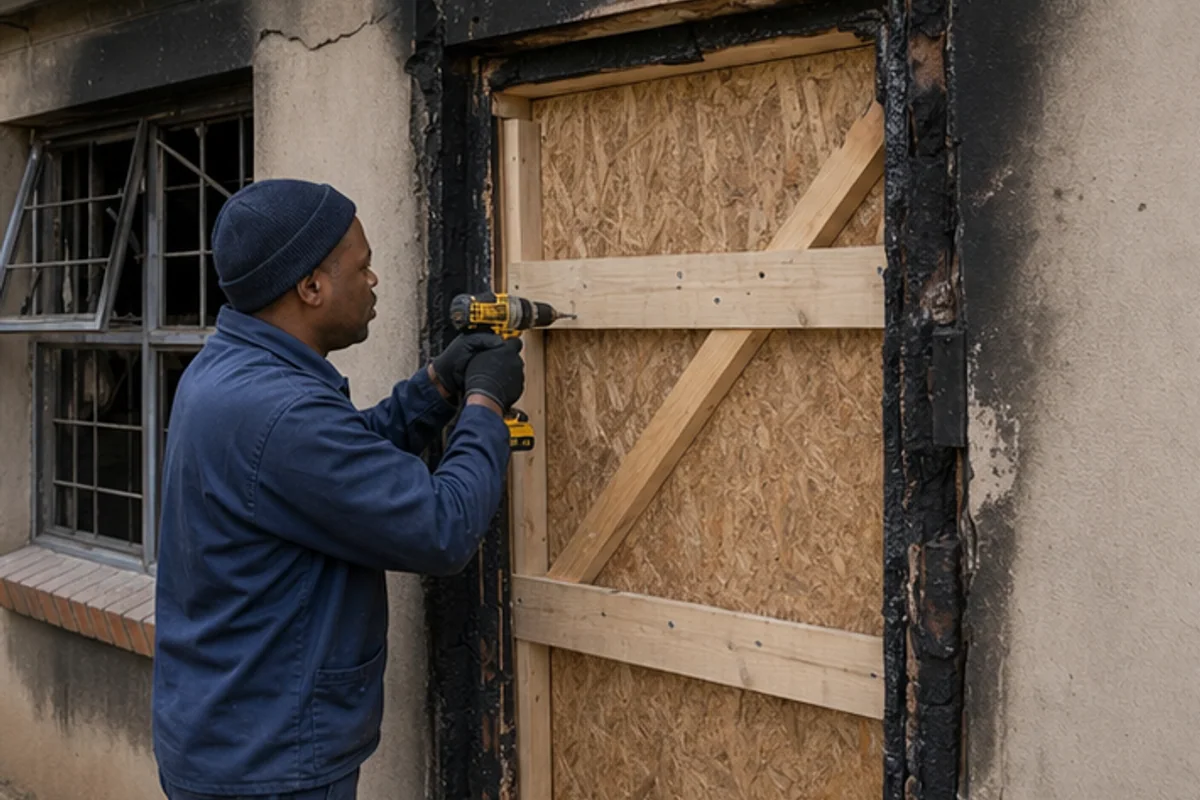
Securing your home fast makes the insurer process smoother and reduces ongoing risks — fire is one of several urgent building repairs. First steps focus on safety and halting further loss. Secure openings, board windows and cover roofs to keep out weather and vandals.
Make-safe procedures
Your local team will implement make-safe work immediately. This includes temporary boarding, roofing tarpaulin over damaged areas and isolating utilities. These actions protect the home and create a safe area for contractors.
Stabilisation techniques
Stabilisation assesses structural risk and supports load-bearing elements before deep cleaning services start. Specialist equipment is used for soot and smoke removal to restore indoor air quality.
“Rapid make-safe and careful stabilisation prevent secondary harm and help keep repair quotes realistic.”
- Prioritise smoke removal and soot neutralisation with proven methods and equipment.
- Arrange professional upholstery cleaning to extract embedded soot from fabrics.
- Use a trusted company to co‑ordinate the process and confirm work areas in writing.
Professional Structural Assessment and Safety Protocols
Begin with a full structural inspection to find hidden risks before any cleaning work starts.
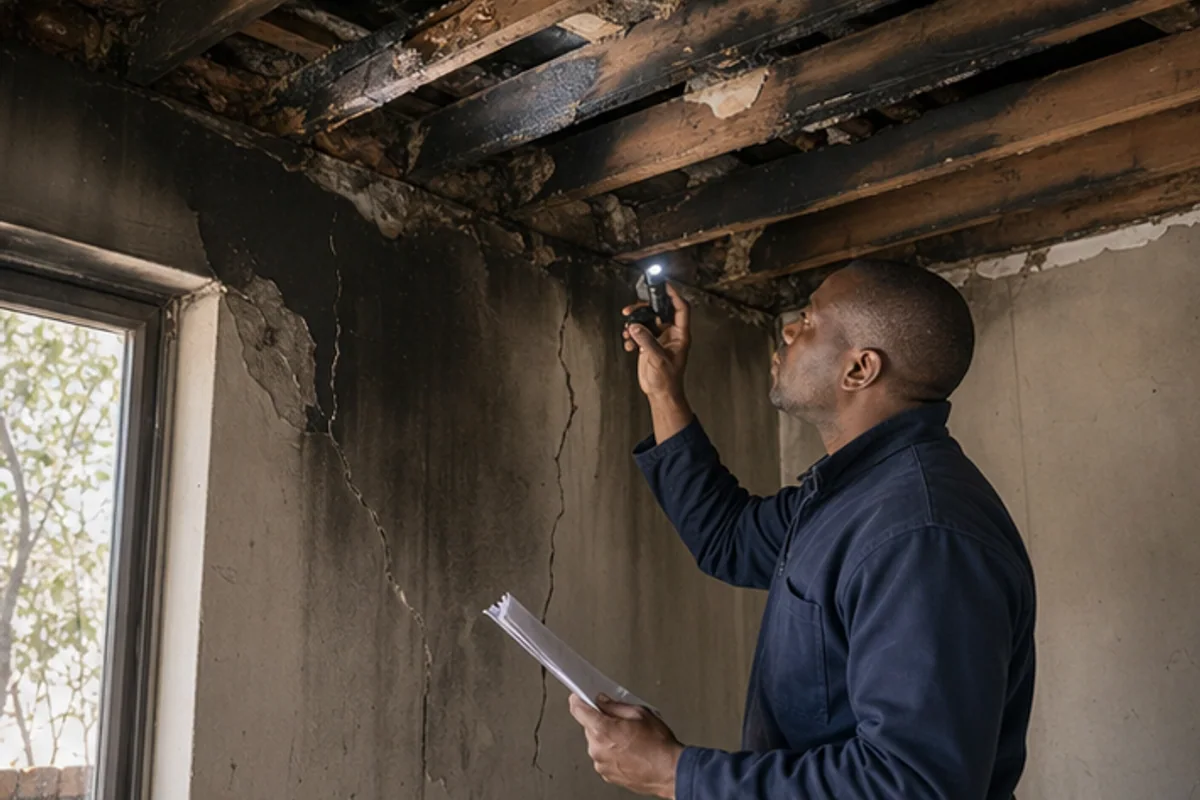
A professional company conducts a careful inspection to confirm the home is safe for the team to enter. A structural engineer checks load-bearing elements, roofs and ceilings, then documents findings for your insurer and for the repair process.
Safety protocols are followed at every step. Workers wear PPE, isolate electrical installations where needed and mark unsafe zones to protect people and property.
- Thorough inspection: identifies hazards for the construction safety file and the extent of visible and hidden impact.
- Integrated cleaning: upholstery cleaning and specialist cleaning services are scheduled alongside structural work.
- Clear reporting: a detailed report supports quotes and your insurance claim.
“Accurate assessments make sure cleaning and repair work is safe, effective and cost‑clear.”
Their expertise helps keep quality and safety standards high throughout the process.
| Service | Why it matters | Typical outcome |
|---|---|---|
| Structural inspection | Finds hidden hazards and maps repair needs | Detailed condition report for insurers and contractors |
| Safety protocols | Protects the team and prevents secondary loss | Safe site ready for cleaning and repair work |
| Upholstery cleaning | Removes soot and contaminants from fabrics | Items returned in a usable, cleaned condition |
Navigating the Fire Damage Restoration Benoni Process
Start by mapping the clean-up and drying steps so every contractor knows the process and timeline. A clear plan keeps work organised and reduces delays when you speak to insurers or contractors.
Soot and smoke removal
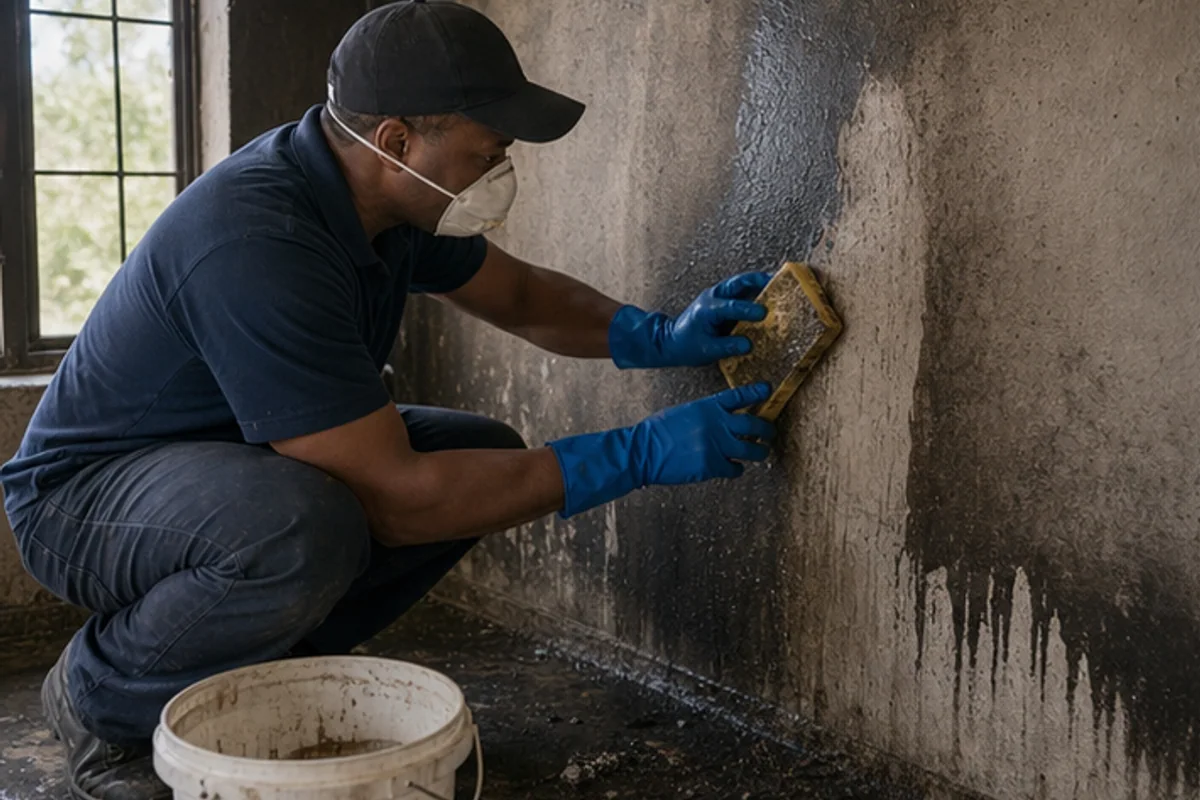
Dry soot is removed first using HEPA-filter vacuums and chemical sponges. This prevents corrosive particles from harming surfaces and furniture.
Professional upholstery cleaning is scheduled for delicate fabrics to lift smoke residues without shrinking or discolouring items.
Water extraction and drying
The process begins with fast water extraction to limit mould growth. Industrial dehumidifiers and air movers speed drying in the affected area.
Thermal imaging finds hidden moisture pockets so the team can target drying and avoid future mould growth.
Air quality restoration
Air quality work uses ozone treatment systems to neutralise odours and airborne contaminants. Final air tests confirm safe breathing conditions.
- Key steps: water extraction, drying, soot removal, odour neutralisation.
- Equipment used: HEPA vacuums, dehumidifiers, air movers, ozone systems, thermal cameras.
- Final inspection: verifies cleaning done, checks for mould growth and confirms the home and furniture are back to their original condition.
“Follow every step and use proven methods to protect your home and health.”
Understanding Local Property Risks and Rebuild Requirements
Many Benoni homes face predictable local risks that affect the rebuild process and ongoing upkeep.
Thatched roofs, ageing electrical wiring and kitchen incidents are common patterns here. Each presents distinct hazards for your property and furniture.
Common Benoni patterns
Thatch roofs need regular inspection and specialised cleaning to remove debris that can accelerate a small ignition into a major loss. Routine maintenance reduces risk and limits what a rebuild must address.
Aged electrical systems often show wear. Replace old wiring to prevent recurrence and to meet current safety standards when you plan rebuild work.
Kitchen incidents typically produce protein-based residues and greasy deposits. These require targeted cleaning services to clear odour and contamination from surfaces and upholstery.
- Understand local risk types so you can take steps to prevent damage.
- Arrange regular upholstery cleaning to reduce build-up on soft furnishings.
- Expect water effects alongside other incidents; act fast to avoid structural problems.
- A qualified company will confirm rebuild requirements and approvals needed for your home.
| Local risk | Typical concern | Rebuild implication |
|---|---|---|
| Thatch roofing | Debris build-up, rapid spread | May need roof replacement and improved coverings |
| Old wiring | Shorts, overheating | Rewiring to current standards and inspector sign-off |
| Kitchen incidents | Protein residues, grease on surfaces | Specialist cleaning services and surface refinishing |
| Water accompanying incidents | Hidden moisture, mould risk | Immediate extraction and targeted drying before rebuild |
Managing Insurer Relations and Documentation
Start logging cleaning work and photographs immediately to support your insurance submission. Keep dated photos, concise notes and a list of products used for each area of the home.
Honesty in insurer relations matters. Do not promise outcomes. Explain the cleaning process, what the team did and any limits found during inspection.
- All cleaning services and upholstery cleaning are recorded with photos and short reports.
- A final inspection report verifies the quality of work and supports claim assessments.
- Records include product names, removal methods, air quality checks and odours treated.
We provide documentation support so you can present a clear case to your insurer. This includes help compiling evidence and organising contractor reports for third‑party audits.
“Transparent records reduce disputes and speed up the claims process.”
Keep one folder for photos, one for invoices and one for inspection notes. This simple system helps protect your property, furniture and claim outcome.
Key Drivers of Rebuild Costs
Rebuild budgets vary widely; the list of choices you make on plans and finishes drives the final total.
Scope and plans determine labour hours, structural work and the need for specialist services such as upholstery cleaning and furniture restoration.
Site access and local skilled labour affect timelines and hourly rates. Narrow streets or limited parking add cost and time.
Materials and finishes change the quote quickly. Mid-range finishes cost far less than premium fittings and custom joinery.
- Municipal approvals and inspections add fees and can delay work if plans need revision.
- Water extraction and measures to prevent mould growth must be budgeted early; they protect long-term value.
- Cleaning services to prepare the site are essential before structural work can begin.
- Choose a company that gives clear line-item estimates so you can compare work and costs.
“Transparent quotes and clear scopes make it easier to trust the process and control the budget.”
| Cost Driver | Why it matters | Typical impact |
|---|---|---|
| Scope & plans | Defines structural and finish requirements | Major swing in total quote |
| Materials & finishes | Ranges from economy to premium | Moderate to high cost increase |
| Site access & labour | Local availability affects rates and time | Delay costs and higher labour charges |
| Cleaning & specialist work | Includes upholstery cleaning, water extraction | Essential pre-rebuild costs to get home back original |
Utilising Our Quote Request Process for Reliable Contractors
A clear quote process gives you control over timelines, equipment needs and the scope of work for each room. Use our platform to request up to three independent building quotes and compare proposals side by side.
How our platform connects you
How our platform connects you
Enter basic project details and upload photos. Local, vetted contractors review the brief and arrange site visits. This speeds the start of cleaning and repair work and helps contractors plan equipment and labour needs.
Comparing up to three quotes
Comparing up to three quotes makes costs and scopes clear. Look for line items that list cleaning services, upholstery cleaning, deep cleaning techniques and any specialist equipment.
- Fair pricing: three estimates show market range and help you assess value.
- Transparent scope: confirm who will do the work, what team members are needed and what warranties apply.
- Quality checks: ask for examples of past cleaning done, references and certificates of expertise.
“Requesting multiple quotes brings clarity and confidence when choosing contractors.”
Our platform helps you manage the process, collect bids and keep communication in one place so your home can be returned back original with trusted professionals handling every step.
Evidence Checklist for Your First Day
Begin by recording clear images and short notes of each affected room to support claims and quotes. Good photos speed insurer replies and help contractors plan cleaning and repair work.
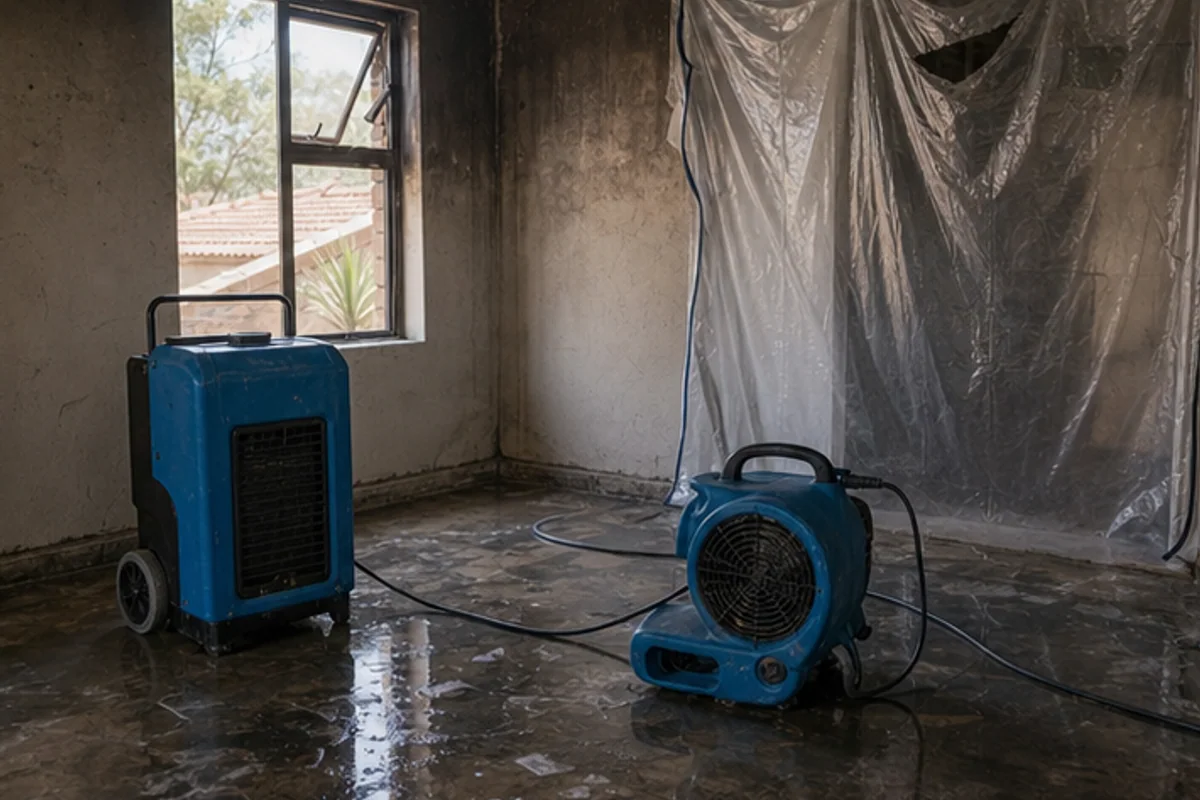
Document visible soot and smoke deposits with close-ups and wide shots. Note the exact area in each image and the time and date.
- List damaged furniture and upholstery so items appear on inventories for cleaning and any possible removal.
- Mark areas where water extraction is needed to avoid mould and further loss to the home.
- Check air quality and write down persistent odours that may need specialist cleaning services.
- Record all soot removal and cleaning tasks that you see or that contractors advise on the first visit.
Keep these records organised by room. A simple folder with photos, short notes and a dated item list makes quotes and insurer conversations clearer.
“A clear, dated evidence log reduces disputes and speeds up the path back to normal.”
Securing Your Property Future Through Expert Connections
Connect with vetted contractors on our platform to secure the long-term care of your property. Use buildingcontractorsinbenoni.co.za to contact local teams who handle structural checks, cleaning and approvals without delay.
Check the FAQ for quick answers about safety, the role of structural assessors and the usual timeline for rebuild approval in Benoni. That guidance helps you plan site visits and quotes.
Access professional water damage and damage restoration services, plus quality upholstery cleaning to return your home fabrics and furniture to usable condition.
Choose trusted experts so every step — from inspection to final cleaning — is handled with care and clear documentation for insurers and contractors.
FAQ
What should I do immediately after a fire incident at my Benoni property?
Secure the scene for safety, keep people away from affected areas and call emergency services if needed. Arrange a make-safe visit to isolate hazards like unstable roofs, electrical risks and smouldering materials. Photograph visible loss for insurers, note damaged contents and store receipts if you need emergency purchases. Avoid cleaning or moving items until an assessor confirms it’s safe.
What are typical make-safe procedures carried out on day one?
Make-safe work usually includes boarding broken windows and doors, tarping exposed roofs, turning off utilities where unsafe, and removing immediate hazards. Technicians may place temporary supports for unstable structures and isolate electrical systems. These measures stop further deterioration and protect neighbours while you arrange a full structural assessment and insurer notification.
How do stabilisation techniques protect the property?
Stabilisation prevents collapse and limits water ingress and vandalism. Methods include bracing weakened walls, temporary shoring, covering openings and controlled removal of unsafe debris. These steps preserve salvageable parts and reduce secondary losses such as mould growth and theft, which helps when insurers and builders inspect the site.
Who performs the professional structural assessment and what does it cover?
A qualified structural assessor or chartered engineer inspects foundations, load-bearing walls, roof trusses and floor systems. They identify safety risks, list repairs or partial demolition required, and give a scope for builders and insurers. Ask for a written report detailing immediate safety work and recommended next steps for rebuild or repair.
How are soot and smoke residues removed from surfaces and contents?
Technicians use dry brushing, HEPA vacuuming, specialised chemical sponges and wet cleaning where safe for materials. Upholstery and textiles often need professional cleaning or soot-specific solutions. Porous materials heavily affected by odour or residue may require disposal. Effective soot removal reduces staining and odours and improves air quality during rebuilds.
What does water extraction and drying involve after firefighting efforts?
Rapid extraction uses pumps and industrial wet vacs to remove standing water. Then high-capacity dehumidifiers and axial air movers dry structural cavities, floors and walls to prevent mould. Moisture mapping and regular meter readings track progress. Thorough drying reduces rot, saves salvageable materials and informs repair decisions.
How is air quality restored after smoke exposure?
Air quality work includes ventilation, HEPA filtration, thermal fogging for odour control where appropriate, and cleaning HVAC systems. Continuous air monitoring checks particulate and volatile compound levels. Restoring breathable air helps occupants return safely and prevents long-term odour absorption into fabric and finishes.
What local property risks in Benoni should owners expect after an incident?
Common local risks include rapid spread in older timber homes, hidden hot spots in roof cavities, and secondary water damage from firefighting. Electrical faults and overloaded circuits are frequent ignition sources. Quick make-safe measures and expert inspection reduce the chance of further loss and speed up rebuild planning.
How do I manage relations with my insurer during the restoration?
Notify your insurer promptly and provide photos, the assessor’s report and an inventory of affected items. Keep a paper trail of all communications and emergency expenses. Ask clearly which contractor scopes and costs the insurer will cover. If you request contractor quotes through our platform, share those with your assessor to align rebuild scopes.
What drives rebuild costs for a damaged property?
Key cost drivers include structural repair extent, material choices, labour availability, specialised cleaning for odours and soot, temporary accommodation, and access or demolition needs. Heritage features, high-end finishes and required council approvals also increase quotes. A detailed scope from an assessor helps contractors give realistic, transparent estimates.
How does the quote request process on the platform help me find reliable contractors?
The platform matches you with local restoration contractors experienced in make-safe, structural repair and cleaning. You can request up to three independent quotes to compare scopes, materials and timelines. Contractors arrange site visits and provide written quotes; you decide which to appoint and confirm terms in writing.
How does the platform connect me with suitable contractors?
After you submit property details and preferred contact times, the platform forwards the request to vetted local contractors. They contact you to schedule site inspections. The process is service-first and practical, focused on matching your needs with contractors who understand Benoni building rules, materials and typical risks.
What should I include in the evidence checklist on day one?
Take dated photos and short videos of all affected areas, close-ups of soot stains, structural cracks and scorched finishes. List damaged contents, serial numbers and approximate values. Keep receipts for emergency purchases, temporary accommodation and board-up costs. These items support insurer claims and help contractors prepare accurate quotes.
How can expert connections secure my property’s future after an incident?
Use the platform’s vetted contractor network for written scopes, realistic timelines and costed rebuild plans. Engage a structural assessor, an environmental cleaning team and experienced builders to coordinate repairs. Clear written agreements and confirmed warranties from contractors protect your investment and speed the return to livable condition.
Do you offer upholstery and soft-furnishing cleaning as part of restoration?
Many restoration contractors provide upholstery cleaning and textile restoration using specialised detergents, low-moisture methods and odour control treatments. Items with light soot or smoke can often be cleaned and deodorised; severely charred or saturated items may need replacement. Confirm scope and costs before work begins.
When should I expect a final inspection and handover after repairs?
Final inspection timing depends on repair complexity but typically follows completion of structural works, drying verification and final cleaning. Contractors and the assessor should sign off on structural safety, air quality tests and finished scopes. Ask for a written handover report and any guarantees for the work performed.
Ready to compare?