
Storm Damage Insurance Claims in SA
First steps, the evidence that helps, assessors and quotes – and realistic claim timelines
In short
Storm damage insurance claims in SA – first steps, evidence that helps, assessors and quotes, and realistic claim timelines.
10 min read
On this page
Can you protect your home in the crucial 48 hours after severe weather? That question matters because early action often decides how well a claim works out. The first two days after heavy storms or flooding are vital for securing cover and preventing bigger loss.
At buildingcontractorsinbenoni.co.za we offer clear resources to help you move fast on a storm damage insurance claim. Notify your insurer or broker straight away and record the scene. Good photographs, timestamps and written notes make your claim stronger.
Connect quickly with local roofing contractors for roof checks, temporary repairs and honest quotes. Acting within the specified time often allows emergency mitigation to be covered by your policy. Keep every receipt and confirm what your insurer needs in writing to protect your property and finances.
Next step: gather evidence, tell your insurer, and use our platform to find the right service for hail, floods or other weather loss.
Immediate Actions for Storm Damage Insurance Claims SA: Guide
Immediate, sensible steps at the scene help preserve evidence and speed the process with your insurer. Start by keeping people safe and arranging urgent repairs for hazards. Switch off electricity at the mains if water has entered a room.
Safety Protocols and Emergency Mitigation
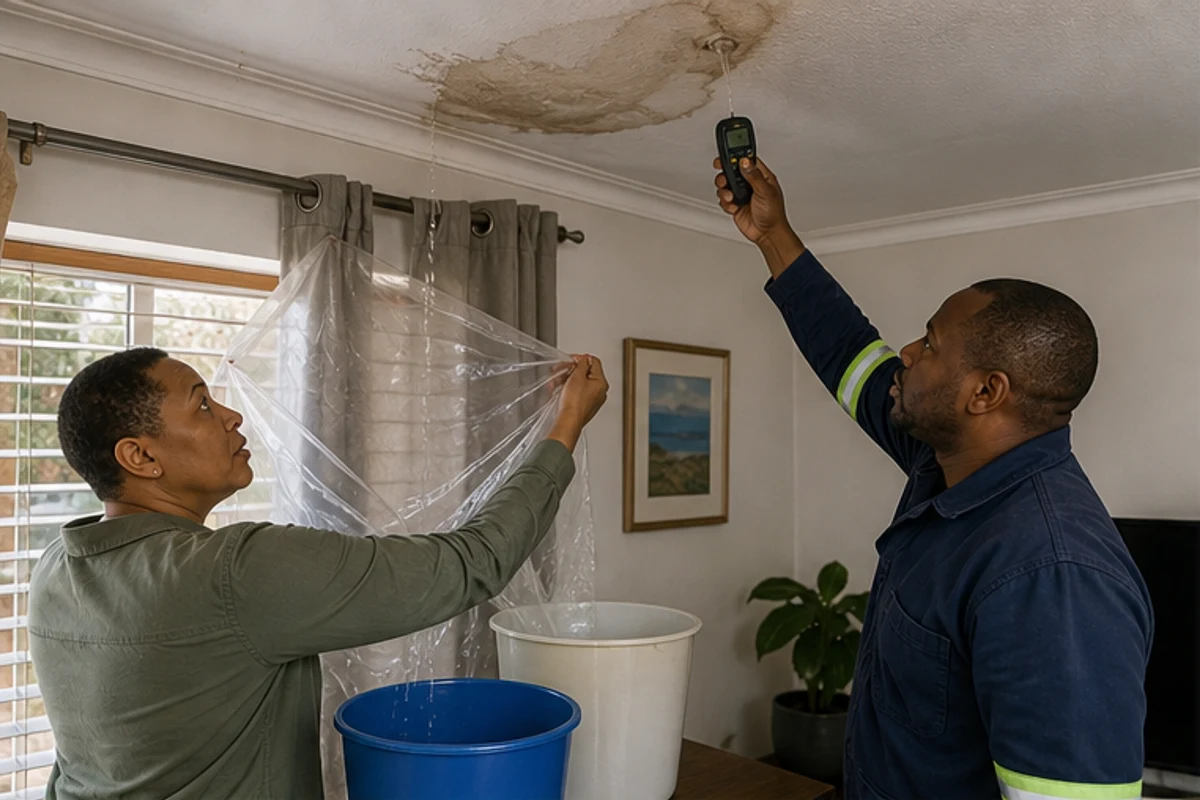
Do not enter flooded rooms until power is isolated. Make sure children and pets are kept away from standing water and broken glass. Cover broken windows and tarpaulin a damaged roof to prevent further water ingress.
Mould can develop within 24–48 hours, so prompt drying matters. Industrial water extraction and dehumidifiers reduce loss to contents and the building structure.
Notification Requirements and Policy Timelines
Notify your insurer immediately and record the time you did so. Delays can affect your policy cover, so make sure you follow any time limits in your documents.
- Take clear photos of the water, hail dents on a roof, and all affected items.
- Keep receipts for emergency repairs and equipment hire; you may be reimbursed when you submit a formal claim.
- Do not throw away damaged goods until an assessor has inspected them.
Tip: Make sure to document every detail so your insurer understands the full extent of the loss.
Compiling Your Evidence Kit for Successful Assessment
Collect clear proof fast. Gather photos, receipts and ownership documents so an assessor can understand the impact on your home and contents.
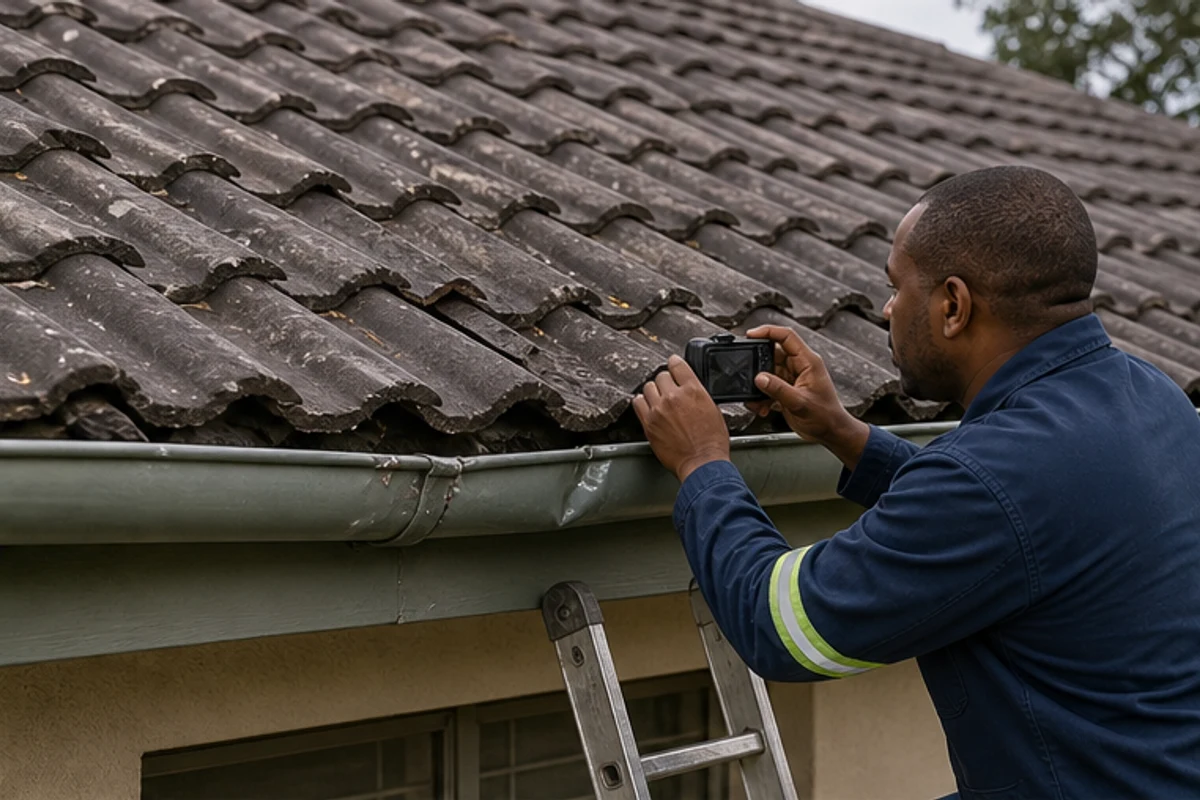
Make sure to record timestamps and locations for each photo, and gather quotes against typical roof repair costs. Take wide-angle shots and close-ups of water damage, structural faults and any hail marks on roofs.
Essential Documentation Checklist for Property Damage
- Policy number, contact details and a short incident timeline.
- Wide and close-up photos of affected rooms, ceilings and exterior areas.
- Inventory of damaged items: furniture, appliances and electronics with proof of ownership.
- Receipts for emergency repairs, temporary tarpaulin, drying equipment hire and towing for a car if needed.
- Notes on power surges — South African insurers report a 60% rise in surge-related damage to electronics.
Tip: Keep originals and copies in a single folder; send digital versions to your insurer and store backups off-site.
| Item | Proof to include | Why it helps |
|---|---|---|
| Appliances | Receipts, photos, serial numbers | Shows ownership and value for contents cover |
| Roof/Structure | Wide-angle photos, close-ups, date-stamped images | Helps the assessor judge structural damage and repair need |
| Car | Photos from multiple angles, comprehensive policy number | Supports motor cover claims when parked outside |
| Electronics | Serial numbers, surge reports, repair quotes | Crucial where power surges caused damage |
Navigating the Quote Request Process for Repairs
Start your quote request by outlining the visible repairs and access issues at your Benoni property. Use clear photos and a short scope so contractors see the extent of damage and any water or hail effects.
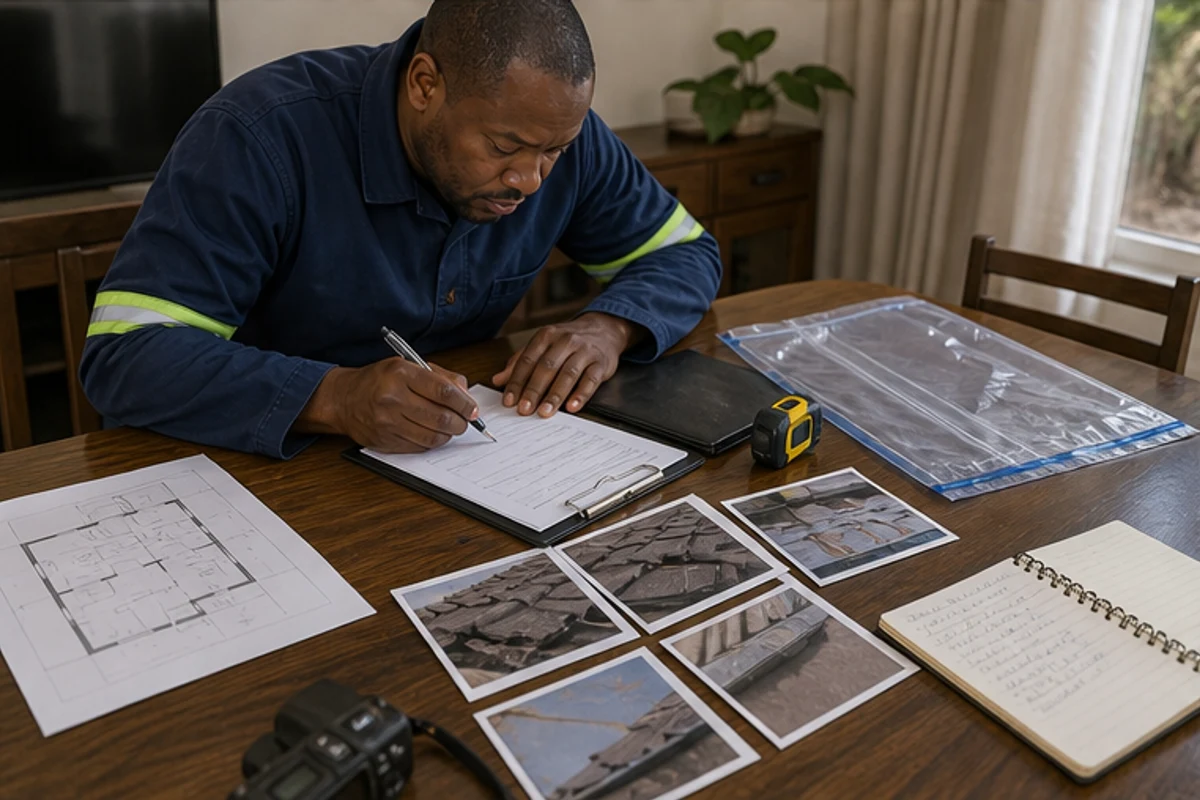
Our platform lets you request up to three building quotes, or up to five where available, from independent contractors. The platform does not perform work; it connects you with local professionals who can visit, assess and produce detailed quotes for your insurance claim.
- Ask contractors to include site access, materials, labour, finishes and required approvals in their breakdown.
- Confirm they will supply an itemised quote suitable for your insurer and policy paperwork.
- Compare up to three quotes, or up to five where available, to check market prices and service levels.
Why compare multiple quotes? It helps you judge realistic timelines, spot omitted items and ensure the repair scope matches your claim. Whether dealing with roof work after severe weather or internal flooding, a clear process reduces delays.
Tip: Keep digital copies of all quotes and ask contractors to timestamp site visits for your record.
Securing Your Property Restoration Path
Ensure your restoration stays on track by using clear steps and local expertise. buildingcontractorsinbenoni.co.za links you to contractors and helps you compare up to five quotes where available.
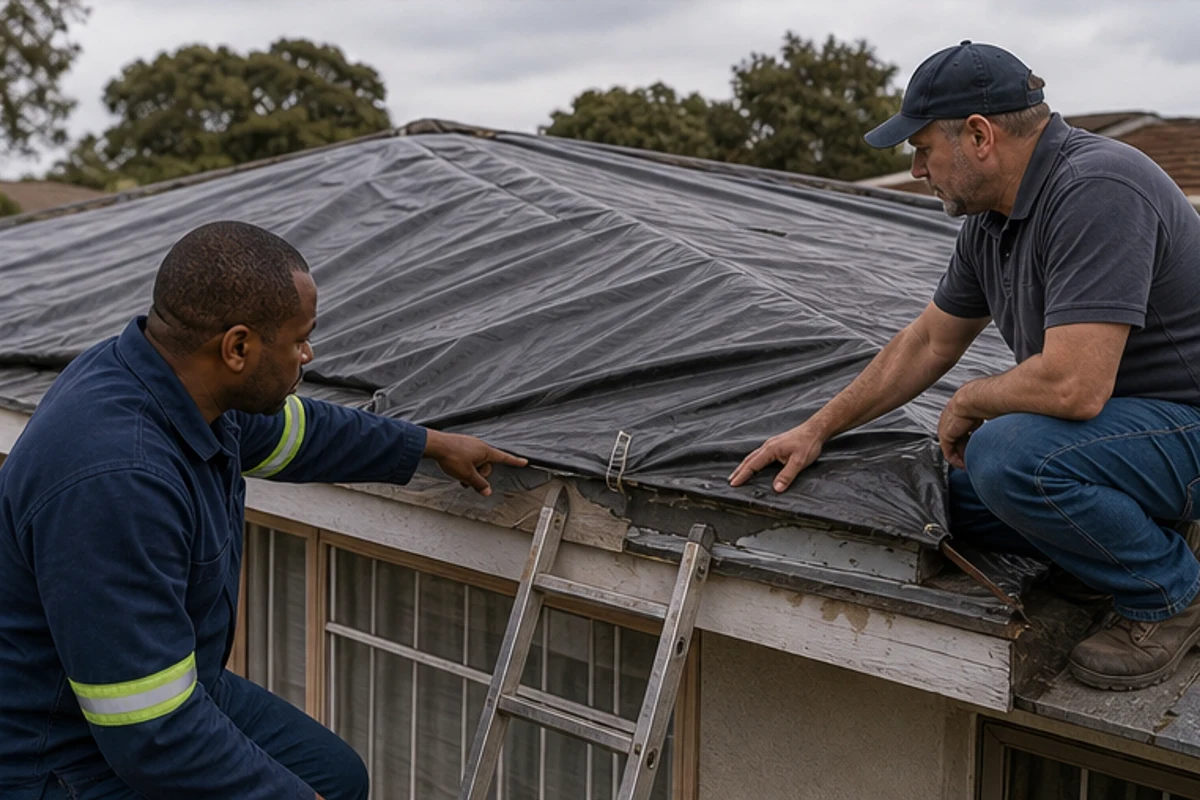
Make sure you keep all receipts, photos and receipts of emergency repairs in one place. This helps your insurer assess the claim and speeds up the policy process.
Compare quotes, check roof and contents lists, and follow each step carefully. Our platform supports Benoni homeowners with practical tools to restore property after hail, flooding or severe weather.
FAQ
What are the first steps after storm-related roof or water damage to my Benoni home?
Make safety your first priority. Turn off electricity if water is inside the property and avoid standing water near wiring. Take clear photos and short videos of the exterior, roof, gutters, and interior damage. Move salvageable contents to a dry area, keep wet receipts, and contact your insurer as soon as possible to notify them of the event.
How quickly must I notify my insurer and what timelines should I expect?
Most policies require notification “without unreasonable delay.” Contact your insurer within 24–72 hours where possible. Check your policy wording for exact timeframes and follow any instructions from the company to register a claim — failure to notify promptly can affect cover.
What evidence helps an assessor confirm my claim for roof, hail or flooding losses?
Provide dated photos and videos, a list of damaged items with approximate values, proof of ownership (invoices or bank statements), emergency repair receipts, and any weather reports or local alerts. Include supplier quotes or professional assessments for structural or roof repairs.
Can I arrange emergency repairs before the assessor visits, and will insurers pay?
Yes, carry out reasonable emergency mitigation to prevent further loss — tarpaulins for a leaking roof or boarding broken windows. Keep all receipts and take before-and-after photos. Insurers typically cover reasonable emergency costs, but check your policy limits and seek post-event approval when possible.
How do I get credible repair quotes to share with my insurer?
Ask for written quotes from registered local contractors in Benoni or surrounding suburbs, detailing scope, materials, labour and timelines. Get at least two to three quotes if possible. Confirm VAT, warranties and materials in writing. Share these with the assessor and insurer to support your claim.
What should I expect from the assessor’s inspection?
An assessor will verify damage, check cause and extent, and record measurements and photos. They’ll compare your evidence with their findings and may request quotes or specialist reports for roof or structural repairs. Be present during the inspection and point out all affected areas.
Will my policy cover contents and household items damaged by water or hail?
Cover depends on your policy wording. Contents cover usually includes loss or damage from specified perils such as wind, hail and burst pipes. Provide an inventory with purchase receipts, photos and replacement cost estimates to support a contents claim.
What paperwork should I include in my evidence kit for a successful claim?
Include your policy number, insurer contact details, photos/videos, dated inventory of damaged items, proof of ownership, emergency repair receipts, contractor quotes, and any communications with neighbours or municipal reports about the weather event.
How do local factors in Benoni affect repair quotes and approvals?
Labour availability, material costs, permit requirements and access constraints in Benoni suburbs affect quotes. Confirm whether approvals or building permits are needed for roof replacements or structural work and ensure contractors include these in timelines and budgets.
Can insurers decline a claim and what common reasons should I avoid?
Insurers may decline claims for non-disclosure, delayed notification, lack of maintenance (e.g. a neglected roof), or if the damage isn’t covered by the policy. Keep records, maintain your property, and follow claim procedures to reduce the risk of rejection.
How are payouts usually calculated for structural repairs versus full rebuilds?
Payouts depend on your policy basis of settlement: replacement cost, reinstatement or indemnity. The assessor will estimate repair costs using contractor quotes and local rates. Check for excess amounts, sub-limits for certain perils, and whether depreciation applies to contents.
Should I accept the insurer’s preferred contractor or can I use my own?
You may use your own registered contractor. Insurers sometimes recommend preferred suppliers for convenience, but you can request alternative quotes. Ensure any contractor you hire is registered, licensed and provides written guarantees for workmanship and materials.
What records should landlords and investors keep after weather-related claims?
Keep tenant inventories, lease details, proof of capital improvements, maintenance logs, invoices for repair work, photos of damage, and any correspondence with tenants and insurers. Good records speed up the claim and help with tax or VAT considerations.
How long does the claims process typically take from notification to payment?
Timelines vary by complexity, insurer and availability of quotes or specialist reports. Simple contents claims can settle within weeks; structural repairs and large losses may take months. Stay in regular contact with your assessor and provide requested documents promptly to avoid delays.
What compensation is available for temporary accommodation if my home is uninhabitable?
Many policies include alternative accommodation or loss of rent cover if a dwelling is uninhabitable. Check your policy limits and the insurer’s process for approving and reimbursing accommodation costs, keeping receipts and booking records.
If my car was damaged by hail while parked at home, how do I claim?
Vehicle cover is separate from household cover. Notify your motor insurer, provide photos, location details, and any witness statements. If the car was on your property, include property damage evidence if relevant. Follow the motor insurer’s repair and assessor instructions.
When should I get a structural engineer or roofer’s report?
Seek specialist reports for major roof failure, sagging ceilings, or suspected structural movement. An engineer’s assessment helps prove causation and scope and supports accurate rebuilding quotes. Share these reports with your insurer and the assessor.
How do I avoid disputes over scope or quality of repair work?
Use written contracts that list materials, timelines, warranty terms and payment stages. Keep detailed photos, sign off stages with the contractor, and retain all invoices. If disputes arise, use the contractor’s warranty, insurer’s dispute resolution or the NHBRC/Consumer Protection channels.
Are historic maintenance issues a problem when making a claim?
Yes. Insurers expect reasonable maintenance. Pre-existing roof leaks, blocked gutters or deferred repairs may lead to reduced cover or rejection. Demonstrate regular upkeep with invoices, inspection reports or maintenance schedules where possible.
How can I request up to three contractor quotes through local platforms?
Use reputable Benoni-based building or contractor platforms to request up to three written quotes. Provide clear photos, a scope of work and access details. Confirm each contractor’s registration, liability insurance and warranty terms before accepting an offer.
Who pays for obtaining multiple quotes or specialist reports?
Initially you usually cover the cost of quotes and reports. Insurers may reimburse reasonable costs if they are necessary for claim settlement, but confirm with your insurer first and keep all invoices.
What are practical tips to protect contents from mould after water ingress?
Remove wet items from the affected area, ventilate the room, use fans and dehumidifiers, launder soft goods promptly and dispose of heavily contaminated porous items. Document items and treatments, and keep all cleaning or disposal receipts for your claim.
Where can Benoni homeowners get more local help with quotes and contractor selection?
Contact local building platforms, the Master Builders Association, or reputable contractors in Benoni and neighbouring suburbs. Ask for references, recent project photos and written guarantees. Use the insurer’s list of approved suppliers if you prefer, but vet them independently.
Related building cost guides
Ready to compare?