

Building Contract Mistakes That Cost Homeowners
Missing scope, vague payment terms, no penalties – the contract traps to find before you sign
In short
The building contract mistakes that cost SA homeowners – missing scope, vague payment terms, no penalties and the clauses to insist on.
20 min read
On this page
Have you ever wondered how a simple omission in paperwork can blow your renovation budget? In Benoni, many homeowners start a project without clear terms and lose money before the first brick is laid.
This short guide shows the common building contract mistakes that create delays and extra costs. You will learn what to check in your contract, which payment schedules to demand, and how to keep control of site changes.
Understanding the legal side of your construction work stops surprises. Confirm scope, materials, approvals and who is responsible for each milestone in writing.
Use this guide to protect your investment. Check quotes, ask for clear timelines and insist on detailed schedules so your extension or repair stays on track.
Understanding the Risks of Building Contract Mistakes

Start your Benoni project by spotting the usual hazards. Vague scope and unclear quote inclusions and exclusions are common faults that quickly create extra costs and delays.
Industry experience highlights vague scope as the most damaging issue. When roles and deliverables are fuzzy, disputes follow. That leaves the owner exposed to surprise bills and stalled work.
Weak payment provisions are another frequent source of trouble. Owners face cash‑flow stress when building payment stages, retentions and due dates are not clearly set out.
Sound domestic building contracts should name responsibilities, list insurance requirements and allocate risk deliberately. Clear terms reduce errors and limit the chance of disputes.
- Specify obligations for contractor and owner to avoid scope creep.
- Set explicit payment provisions and milestone triggers.
- Include insurance and liability details to manage project risks.
“A well‑drafted agreement is the primary tool for protecting costs and preventing the most common legal pitfalls.”
Seek professional guidance early. Tailored construction contracts protect your investment and keep your renovation on schedule and within budget.
Why Professional Guidance Matters for Your Project
Early guidance from a trusted advisor reduces the chance of costly delays. In Benoni, involving a pro at the outset helps you set realistic timelines and manage risks before work starts.
The Value of Contractor Connection
Engaging a professional contractor early builds clear communication. You get realistic expectations on time, materials and site access.
Use the platform to compare local options and request up to three quotes from contractors who know Benoni suburbs and supply chains.
Benefits of Project Guidance
Proper guidance is a vital part of risk control. Expert advice helps you avoid common problems that cause delays and extra cost.
- Manage changes quickly to protect your time and budget.
- Reduce the chance of disputes by documenting decisions and scope.
- Tap into the contractor experience for technical and site issues.
“A clear process and a trusted local contact cut out uncertainty and keep the project moving.”
The Importance of a Precise Scope of Work

A clearly written scope is the single best defence against unexpected claims and delays on your project. In Benoni, a detailed construction contract section that sets out the scope stops ambiguity and keeps teams focused.
Vague descriptions invite disputes. If responsibilities are unclear, owners often face extra costs and longer delays as parties argue over what was included in the original terms.
Make the scope a stand‑alone part of the contract. Name tasks, materials, finishes and measurable outcomes so the contractor and owner share the same expectations.
- Why it matters: the scope is the key document that defines exactly what work the contractor must deliver.
- List finishes, brands and tolerances to reduce change claims and protect your budget.
- Keep copies of all documents and variations to manage time and changes during construction.
“A precise scope turns plans into a clear roadmap and cuts the risks of costly disagreements.”
Avoiding Vague Timelines and Scheduling Errors
Agree specific on-site hours and firm phase deadlines before any work starts. In Benoni, clear timing reduces stress and helps you manage daily life around the construction schedule.
Define working hours, regular site access and an expected completion date. Write these into the contract so the contractor is accountable for time on site and for meeting phase targets.
Defining Working Hours and Deadlines
Vague timelines are a common source of construction mistakes and often trigger disputes when a project misses its completion date.
Set firm deadlines for each phase and include allowed extensions for unavoidable delays. Ask each contractor how they handle issues that threaten the schedule.
- Make the schedule specific: daily start/finish times, milestone dates and final completion.
- Require notice periods for changes and remedies for late delivery to reduce risks and errors.
- Use our quote process to compare how local contractors manage time and avoid common problems.
“A clear schedule keeps the project moving and protects your time and budget.”
Securing Your Investment Through Milestone Payments

A milestone payment plan keeps the contractor accountable and your money secure. In Benoni, insist that each payment links to a verifiable stage so you only release funds for completed work.
Never hand over all cash up front. A reputable contractor should have working capital. Paying everything in advance removes incentive to finish on time and to the required standard.
- Payment schedule: tie each instalment to a clear stage — foundations, shell, finishes and final sign‑off.
- Provisions in writing: include exact amounts, trigger events and inspection steps in the contract terms.
- Milestone plans reduce risks from insolvency and ensure payments match verified progress.
Ask contractors to supply a written schedule in quotes. Our platform encourages you to compare offers that show payment splits and stage descriptions so you can judge financial terms easily.
| Stage | Typical % of Total | Verification | Time estimate |
|---|---|---|---|
| Site preparation & foundations | 15% | Photographs + inspection | 1–2 weeks |
| Structural shell | 35% | Practical completion of shell | 3–6 weeks |
| Services & finishes | 35% | On-site inspection of finishes | 4–8 weeks |
| Final sign‑off & defects holdback | 15% | Final inspection + retention | 1–2 weeks |
“Protecting your money is a critical part of any construction project; a solid contract is your best defence.”
Essential Insurance Requirements for Homeowners
In Benoni, confirming the right insurance before work starts protects you from heavy unforeseen costs. Insurance is a practical shield for your home and your savings when contractors attend site.
Public liability insurance covers you if someone is injured or third‑party property is damaged during construction. Ask to see a valid policy and a certificate of currency before any trades begin.
Employers’ liability insurance
If staff are on site, this cover is essential. Employers’ liability protects you and the team when workers are hurt on the job. South African construction law requires contractors who employ labour to hold this policy.
Developer insolvency insurance
This policy guards your deposit and progress payments if a contractor becomes insolvent mid‑project. For many homeowners, it is a cost‑effective way to reduce financial risk and finish the job.
- Neglecting insurance requirements can lead to large costs and legal fees if an incident occurs.
- Ensure every contract specifies the exact policies contractors must hold.
- For example, correct coverage prevents you being held personally liable when a worker is injured on your property.
“Verify insurance early and keep copies of certificates; it is one of the simplest ways to manage project risks.”
Managing Change Orders to Prevent Budget Creep
A clear process for change orders stops simple tweaks from becoming costly disputes. Change orders are the leading cause of payment disputes in local construction projects. Without written steps you risk extra costs, delays and arguments over scope.
Require every change to be documented and authorised in writing before any work proceeds. Include terms that state who approves variations, how the price is calculated and the payment timing for extra work.
Use simple change order forms that show the cost, time impact and signature lines for both owner and contractor. This preserves your control and reduces the risk of later disputes when final payment is due.
- Manage changes early — small items can add large costs over time.
- Make approval, payment and time extensions clear in the written terms.
- Discuss the change order procedure during your initial quote request to spot organised contractors.
“A formal change order system protects your budget and keeps the project on track.”
Our platform lists contractors in Benoni who use formal change order documents to limit surprises and protect your money throughout the project.
The Dangers of Relying on Generic Templates
A boilerplate document rarely accounts for local law or site-specific issues in Benoni.
Using a generic construction template can leave you exposed to hidden risks. These forms often omit clauses that matter for your project and the local construction law.
Common problems: gaps in roles, missing insurance requirements, unclear payment triggers and vague dispute steps. Such omissions create legal and financial risk when work starts.
- Generic documents rarely cover the unique needs of small residential projects.
- Free templates may not reflect South African law or local approval requirements.
- A tailored agreement protects your budget and reduces the chance of disputes on site.
Invest in a professionally drafted contract that addresses specific risks and materials, and records who does what and when.
“A bespoke agreement is the best way to protect your investment and prevent avoidable problems.”
Tip: Use our platform to find contractors in Benoni who insist on robust, legally sound documents for construction projects.
Why You Should Avoid Verbal Variations
When changes are agreed only by word of mouth, you lose a clear record and invite disputes over scope and time.
Verbal variations are a major source of construction mistakes. They create ambiguity and make it hard to enforce the original contract terms or to justify a payment change.
- Document every change to the scope of work in writing, including cost and expected completion.
- Insist on signatures or written acceptance for even small variations to limit later disputes.
- Professional contractors will put changes on paper — it protects both parties and reduces risk.
Relying on spoken promises is a practical risk. When the final project differs from expectation, you may face extra cost and delay without recourse.
“Always record changes in writing; it keeps the project on track and secures your payment and quality expectations.”
| Risk | Effect | Remedy |
|---|---|---|
| Verbal change | Ambiguity, late disputes | Written change order + signatures |
| Unrecorded cost | Unexpected payment demands | Itemised pricing for each variation |
| No time update | Schedule overruns | Revised timeline in writing |
Protecting Your Interests with Attorney Review
A focused legal check can reveal missing provisions that may expose you to costly disputes later. For large or complex construction projects in Benoni, an attorney will spot unfair terms and unclear obligations that an owner might miss.
Legal review is risk management. A lawyer checks payment terms, dispute procedures, insurance clauses and other key provisions so you understand possible costs and delays before work starts.
Although it is an added expense, professional review is small compared with the cost of a failed project or protracted disputes. Seek advice whenever a clause looks vague or when you plan a significant financial outlay.
- Ask the lawyer to confirm your rights and duties under relevant construction law.
- Request that unclear terms are rewritten or explained in plain language.
- Keep reviewed documents with your project papers for future reference.
“A clear legal review gives homeowners confidence and reduces the chance of costly disagreements.”
Use our platform to find local resources and legal contacts who can review documents and help you protect your investment before you sign.
Understanding the Role of Site Access and Materials
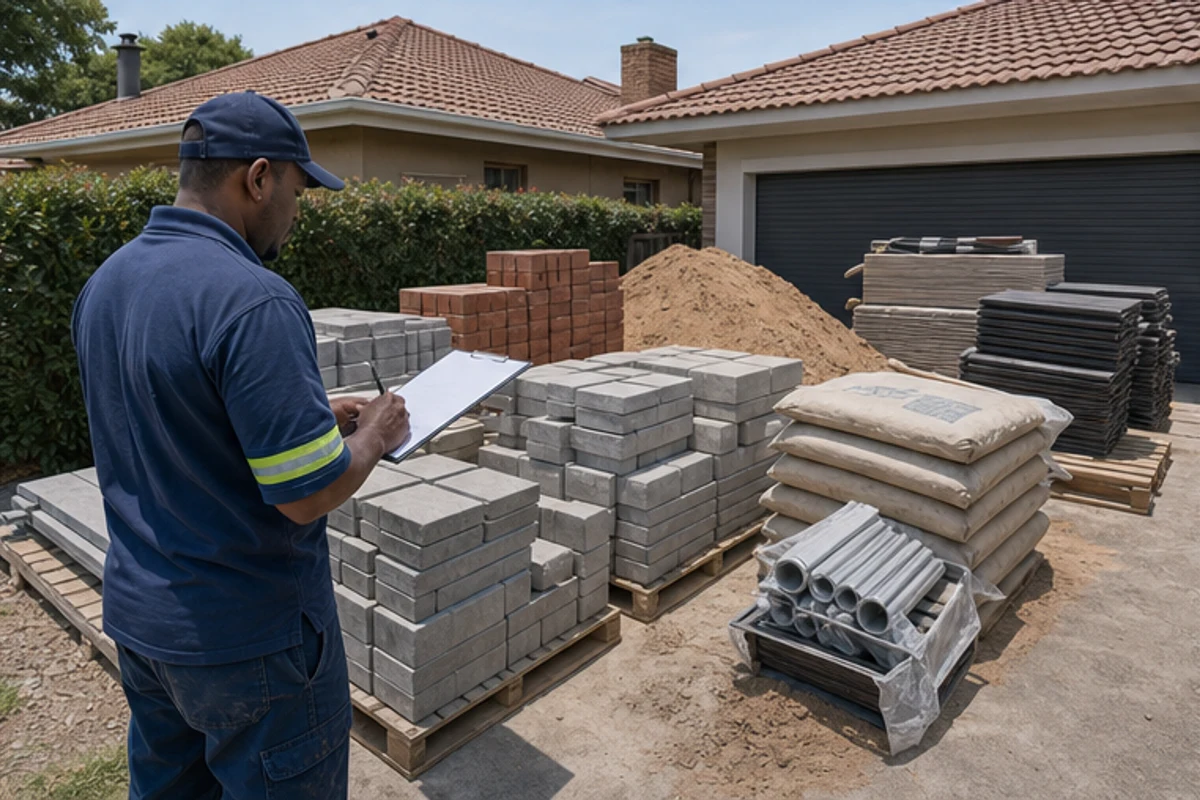
Logistics often decide whether a project finishes on time — get site access and deliveries sorted early.
Who brings materials and where they are stored must be clear in your contract. For example, specify whether the contractor or owner arranges deliveries, who signs for goods and where items will be stacked on site.
If access is limited — narrow roads, shared driveways or security gates — the result can be costly delays. Restricted entry often causes late deliveries, extra labour hours and added transport charges.
- Record who is responsible for delivery, storage and theft prevention.
- Agree loading zones, safe storage and removal of waste to avoid on-site issues.
- Set procedures for urgent changes to orders so the work proceeds without long interruptions.
Document these logistics to keep control of your job and reduce risks. Discuss practical timing and storage with your contractor before any materials arrive. Clear written terms limit surprises and help keep the construction project on schedule.
“Sorting site access and materials early saves time, cost and stress on every job.”
Use the platform to find local professionals experienced in managing access, deliveries and site logistics across Benoni suburbs.
Navigating Subcontractor and Labour Responsibilities
Know who does the day-to-day work on site and who will be answerable if things go wrong. In Benoni, subcontractors and direct labour often carry out the actual construction work, so roles must be clear from the start.
Your contract should say whether the contractor may use subcontractors and who is responsible for quality, safety and payment to the team. Insist on named supervisors and a clear chain of responsibility.
For example, if a subcontractor damages your property, you must be able to hold the primary contractor accountable for repairing errors and covering costs.
- Ask about labour practices, safety checks and staff vetting before you accept a quote.
- Require written confirmation that the contractor will manage subcontractors and resolve on-site issues.
- Keep records of who attends site and any variations to the agreed job.
Clarifying these roles reduces disputes and project risks. Our platform connects you with local contractors who are transparent about their use of subcontractors and take responsibility for their labour.
“Clear accountability for subcontractors protects your budget and the quality of the final job.”
Ensuring Proper Approvals and Compliance
A project can stall fast if plans and statutory approvals are not correctly lodged with the local authority. In Benoni, securing approvals is a vital part of any legal construction job.
Confirm who does what before work begins. Your contract must state whether the contractor or the owner obtains plans, council sign‑offs and other documents.
Failure to meet local construction law can cause fines or even force your project to stop. That risk adds time and cost and affects neighbours and resale value.
- Verify the contractor has proven experience with local approvals and state requirements.
- Ask to see past approvals and copies of submitted plans as proof of competence.
- Document responsibility for approvals and for handling changes to plans or timing.
Keep copies of all permits and approval documents and store them with project records. A professional will guide you through submissions and inspections so the work meets standards and avoids delays.
“Confirm approvals in writing and tie them to milestones to protect your investment.”
Use our platform to find contractors in Benoni who prioritise compliance and can show a track record of lawful, timely projects.
How Our Quote Request Process Simplifies Your Search
A straightforward quote process helps you compare offers for any small or large construction project in Benoni. Use our platform to frame your needs and get clear estimates from local trades.
At buildingcontractorsinbenoni.co.za you can request up to 3 quotes, or up to 5 where available. The form prompts you to list scope, materials, access and payment preferences so replies are comparable.
- Connect with independent contractors who handle site visits and final proposals.
- Compare price, timeframe and warranties side by side to spot the best value.
- Receive offers that show milestone payments, approvals and labour expectations.
We do not perform construction work. Our role is the bridge: helping you find vetted professionals and information to confirm in writing before you sign any contract.
“Requesting multiple quotes early helps you plan payment, avoid surprises and choose reliable contractors.”
Connecting with Trusted Professionals at buildingcontractorsinbenoni.co.za
Find a vetted local team through buildingcontractorsinbenoni.co.za to start your project with confidence.
The platform helps Benoni homeowners match with reliable contractors for any construction need. Use the service to compare profiles, past work and reviews before you arrange a site visit.
Request up to three quotes (or up to five where available) so you can judge price, timeline and warranties. Confirm insurance, approvals and the proposed contract terms in writing before work begins.
- Connect with experienced contractors who understand local approvals and supply chains.
- See verified references, photos of past projects and clear payment stage outlines.
- Start a conversation with professionals who can explain access, materials and labour plans.
Choosing a trusted contractor reduces risk and helps ensure the final result meets your expectations. The platform supports your search — it does not perform construction work.
“Use local quotes to compare terms and pick a team you trust.”
Finalising Your Agreement for a Successful Build
Before any work starts, a signed agreement turns promises into enforceable steps and protects your money. A clear construction contract sets who does what, when, and how payments are released.
Include milestone payments, a detailed scope of work and a firm project schedule. Confirm local requirements, insurance and inspection steps so time and completion are measurable.
Use this guide to spot common mistakes and to manage changes in writing. A well‑documented construction contract keeps payments tied to verified progress and helps prevent disputes.
Trust, clear communication and a solid contract protect both homeowner and contractor. Review the final terms carefully before you sign and then proceed with confidence.
FAQ
What are common building contract mistakes that cost Benoni homeowners?
Common pitfalls include a vague scope of work, unclear payment terms, no milestone schedule, missing approvals, and relying on generic templates. These lead to disputes, delays, extra costs and poor workmanship. Confirm materials, labour responsibilities and completion criteria in writing before work starts.
How do unclear terms increase risk on my project?
Unclear terms shift risk to the owner or contractor unexpectedly. Without precise timeframes, materials lists and responsibilities, you face delays, added costs for variations, and unclear warranty coverage. A defined scope and schedule keeps everyone accountable and reduces disputes.
Why should I get professional guidance for my renovation or extension?
Professional guidance helps you assess scope, budget and local approval needs. A qualified estimator or construction lawyer can spot hidden costs, advise on milestone payments, and suggest suitable insurance. This reduces surprises and protects your investment.
How does connecting with local contractors help my project?
Local contractors know Benoni suburbs, local suppliers, material availability and municipal approval processes. That local knowledge speeds site visits, gives realistic lead times, and helps you compare up to three quotes or up to five where available for better value and choice.
What are the benefits of project guidance during a job?
Project guidance keeps the schedule, quality and budget under control. A consultant or contract administrator manages change orders, inspects work at milestones, and ensures compliance with plans and approvals. This reduces rework and cost escalation.
Why is a precise scope of work so important?
A precise scope lists tasks, finishes, quantities and exclusions. It prevents misunderstandings about what’s included, sets expectations for workmanship, and forms the basis for progress payments and final handover checks.
How do vague timelines and scheduling errors affect projects?
Vague timelines cause overlapping trades, site access clashes and delays that increase costs. They make it hard to plan materials deliveries and temporary accommodation. Define working hours, start and completion dates, and penalties for delays where appropriate.
What should I include when defining working hours and deadlines?
Specify normal working hours, permitted weekend or evening work, key milestone dates, and practical completion. Include processes for agreed extensions due to weather or variations, and the remedies for missed deadlines.
How do milestone payments secure my investment?
Milestone payments tie cashflow to measurable progress so you only pay for work completed. Use staged releases for mobilisation, foundation, structure, roof, and practical completion. Hold back a retention sum until defects are rectified to protect against unfinished work.
What insurance must I check before starting work?
Confirm the contractor has current public liability insurance, employers’ liability (or workmen’s compensation) and, where relevant, developer insolvency cover. Ask for certificates, policy limits and the insurer’s contact details before works commence.
What does public liability insurance cover on a job in Benoni?
Public liability insurance protects you and the contractor against third‑party injury or property damage arising from the work. It covers visitors, neighbours and passers‑by if someone is hurt or property is damaged during construction.
Do I need employers’ liability insurance for subcontractors on site?
Yes. Employers’ liability or appropriate worker compensation ensures injured workers receive cover and reduces your risk of becoming liable if a subcontractor’s worker is hurt. Verify each contractor’s policy and confirm who manages subcontractor payroll and safety compliance.
What is developer insolvency insurance and when should I ask for it?
Developer insolvency insurance protects you if the principal contractor becomes insolvent before completion. Request it for larger projects or where phased payments are substantial. Not all jobs need this, but it’s prudent for high‑value works.
How do change orders cause budget creep and how can I manage them?
Change orders add scope, time and cost. Prevent budget creep by requiring written change orders with detailed cost and time adjustments, a formal approval process, and a maximum discretionary value contractors can authorise without written consent.
Why are generic templates risky for local projects?
Generic templates may not reflect South African or Benoni regulations, municipal approval requirements, or local supply and labour realities. Use documents tailored to local law, site conditions and the specific scope to avoid gaps and unfavourable terms.
What problems arise from verbal variations to an agreement?
Verbal variations are hard to prove and often lead to disputes over scope and payment. Always confirm changes in writing, include cost and time impacts, and get both parties’ signatures before work proceeds on the variation.
When should I involve an attorney to review my agreement?
Have an attorney review your agreement before signing, especially for large builds, unusual clauses, complex liability provisions, or unclear payment terms. Legal review protects your rights and ensures fair remedies for delays, defects and disputes.
How do site access and materials affect project timing and cost?
Limited site access, narrow roads, or restricted delivery times can increase labour hours and plant costs. Confirm who supplies materials, who stores them on site, and responsibility for theft, damage and waste removal to avoid unexpected charges.
Who is responsible for subcontractors and labour on site?
The main contractor usually manages subcontractors and labour, but you should specify responsibilities for supervision, payroll, safety compliance and quality control. Clarify whether subcontractors are directly employed or engaged through the main contractor.
What approvals and compliance do I need before and during works?
Obtain necessary municipal plans approval, building permits, and any homeowner‑association consents before starting. Ensure compliance with SANS standards, local bylaws and safety regulations. Keep copies of approvals on site for inspections.
How does the quote request process simplify finding a contractor on buildingcontractorsinbenoni.co.za?
Our platform helps you request up to three quotes, or up to five where available, from independent contractors. You provide project details, upload plans and preferred timing, and vetted local contractors contact you for site visits and final quotes.
How do I connect with trusted professionals through the site?
Complete the online quote form with suburb, scope, materials preferences and access notes. Contractors with local experience in Benoni review your brief, arrange site visits and provide written quotes showing breakdowns for labour, materials, approvals and timeframes.
What should I confirm in writing before finalising an agreement?
Confirm scope of work, fixed price or provisional sums, milestone payment schedule, completion date, retention amount, warranties, insurance certificates, responsibility for approvals, and a clear variation process. Ensure both parties sign the final agreement.
Ready to compare?