

Building Payment Stages Explained
Deposit, foundation, roof-height and completion draws – the standard stages and why they exist
In short
Standard building payment stages in SA – deposit, foundation, roof-height and completion draws explained, with retention basics.
12 min read
On this page
Curious how a new home in Benoni progresses from a first deposit to final completion? This article explains the common building payment stages and how each progress payment links to a verified milestone.
Follow a clear contract and you gain peace of mind. The standard schedule often mirrors how quotes, deposits and stage payments work to protect both homeowner and contractor. A typical deposit is about 5% of the contract value to secure your spot in the programme.
We outline the construction process for your home, from initial deposit to completion, so you know when funds should be released. Short, practical notes show how progress payments match on-site milestones and protect your investment.
Read on to learn how a structured approach keeps your project on track and helps maintain a healthy relationship with your contractor.
Understanding the Construction Financial Journey

A clear view of the finance flow keeps your home build on track. In Benoni, a turnkey home build on a construction loan differs from a standard home loan. A standard loan arrives as one lump sum; a construction loan is released over time.
To qualify for a loan of this kind, lenders expect a solid credit record. Aim for a score above 670 to improve approval odds and terms.
- Paid in sequence: funds go out as each construction stage is certified, not all at once.
- Bank verification: the lender sends an assessor to confirm progress before authorising each tranche.
- Security: your property is the loan security, so title checks and inspections are routine.
- Coordination: you must work with the bank and your contractor so progress payments match on-site completion.
- Credit readiness: check your credit and understand domestic building contracts before you sign.
Tip: get independent advice on your contract and cashflow. A short review by a local professional helps keep the build financially viable and reduces surprises during the project.
Essential Building Payment Stages Explained
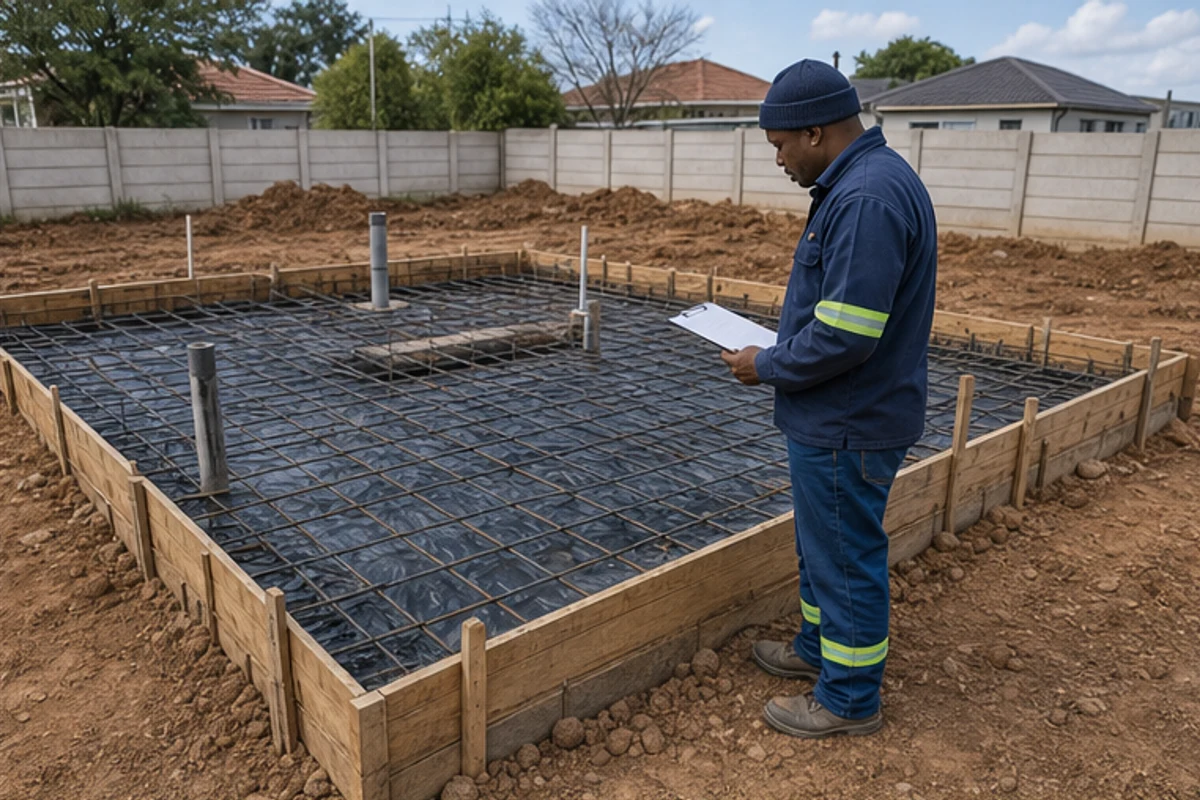
Knowing which work triggers each instalment helps you avoid surprises on site.
Foundation milestones
The foundation or base stage usually equals around 10% of the total cost to build a house once the concrete slab is poured and certified by an inspector.
Frame and roof-height draws
The frame stage commonly attracts 15% when the house frame is up and checked. Reaching roof-height or an enclosed frame often represents about 35% of the contract value.
Fixing and practical completion
The fixing stage covers internal fittings, such as cabinetry and doors, and is typically near 20% of the contract sum.
Practical completion follows a final walkthrough to list defects. The remaining 15% is released once those minor items are addressed and the contract confirms completion.
- Each progress payment ties to a clear milestone and independent inspection.
- Use checklists at each visit to confirm work, materials and approvals are in place.
- Keep records of certificates and receipts for the lender and your contract file.
| Stage | Trigger | Approx. % of contract | What to verify |
|---|---|---|---|
| Foundation | Concrete slab complete | 10% | Inspector sign-off, footing depths, damp-proof membrane |
| Frame | House frame erected | 15% | Frame alignment, tie-downs, structural report |
| Enclosed (roof-height) | Roof on, external walls in place | 35% | Roof coverage, windows fitted, weatherproofing |
| Fixing | Internal fittings installed | 20% | Cabinetry, doors, plumbing fixtures, electrical switchgear |
| Practical completion | Walkthrough & defects cleared | 15% | Defect list closed, final compliance certs, handover docs |
Navigating Pre-Construction and Deposit Requirements
A Preliminary Build Agreement (PBA) lets you confirm site suitability before you commit to a full contract. It gives time to order surveys and get initial approvals without locking you into long-term obligations.
Preliminary Build Agreements
Use a PBA to engage surveyors and engineers who check soil, access and local services. This reduces surprises when you apply for a construction loan.
Deposits vary, but a deposit secures your slot in a builder’s programme and meets early costs. It is usually required before any physical work starts on the site.
- Finalise your plans and drawings with an architect so your home complies with local rules.
- Obtain approvals and site assessments—these are essential for a loan and for realistic completion dates.
- Review all contract documents carefully to avoid unexpected costs and delays.
| Item | Purpose | What to confirm |
|---|---|---|
| Preliminary Build Agreement | Secure surveys and initial approvals | Scope, fees, refund terms if you don’t proceed |
| Deposit | Reserve start date and cover early costs | Amount, refund policy, timing relative to approvals |
| Plans & drawings | Final design for approvals and lender review | Architect sign-off, compliance, revision limits |
Managing Cash Flow for Bank-Financed versus Private Builds
A disciplined cash plan keeps your home build moving, whether you use a lender or your own savings.
For bank-financed construction in Benoni, the lender releases funds after an independent inspection confirms each progress milestone. The bank will ask for proof that the builder is registered with the NHBRC before any draw is paid.
If you self-fund, you can agree a more flexible schedule with your contractor. Still, keep a written plan so the builder has funds when the frame and fixing work needs to proceed.
Practical tip: a clear contract that outlines the process for each progress payment reduces disputes and protects your property interest under the loan.
- Confirm NHBRC registration and licences before work starts.
- Match fund releases to verifiable on-site checks during the stage construction process.
- Keep a contingency sum for minor variations so the project is not stalled.
| Finance type | Bank role | Owner role |
|---|---|---|
| Bank-financed | Inspects progress, releases funds on certified milestones, requires NHBRC proof | Provide documents, approve inspections, monitor lender draws |
| Private-funded | No lender oversight; owner controls releases | Agree strict schedule, retain retention funds, confirm receipts |
| Both | Require clear contract and documented progress | Maintain communication with the builder and keep records |
Handling Project Variations Without Disrupting Schedules
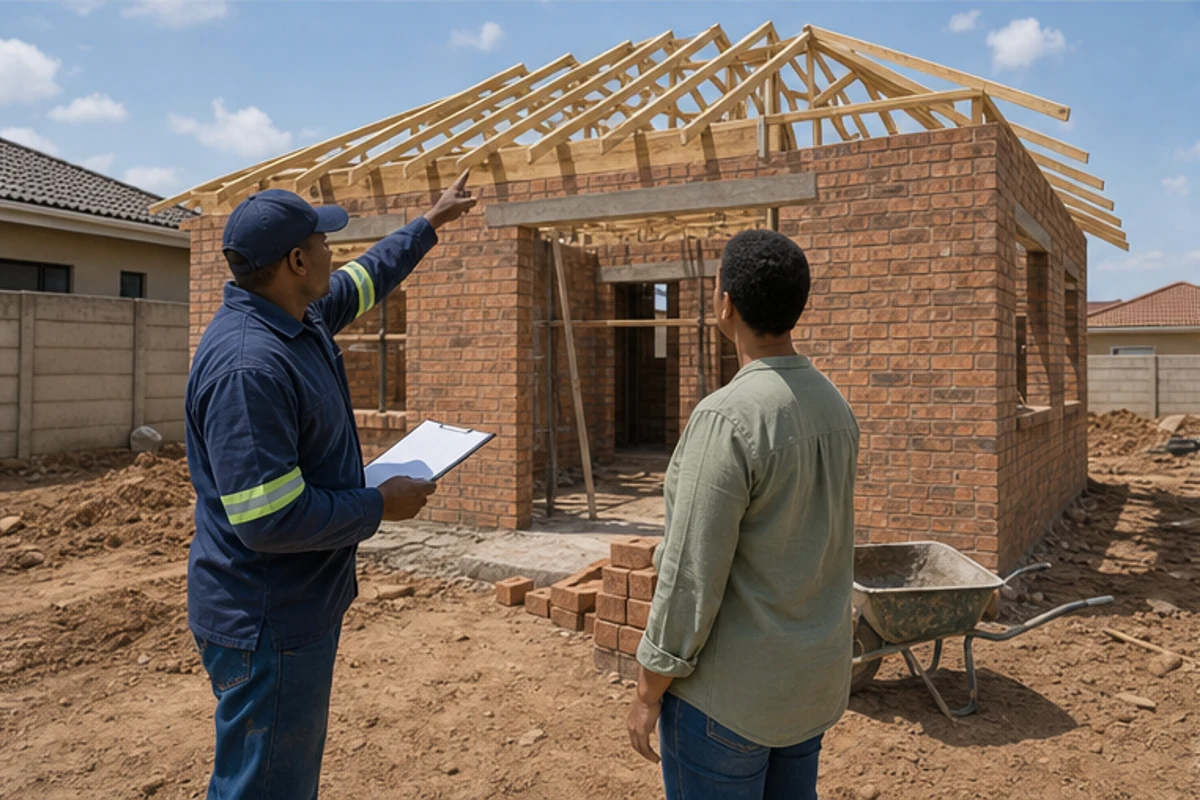
Small changes on site can have a big effect on your timeline and costs. Variations must be handled quickly and in writing to avoid scope creep that delays progress.
Contractual flexibility
Contractual Flexibility
Make sure your contract allows for changes but sets a clear approval process. Any amendment should include a short description of the work, an adjusted cost, and a revised completion date.
Both parties must sign and date the variation so the builder and homeowner stay aligned. Keep a copy with your main contract folder.
Managing Scope Creep
Scope creep often starts when extra items are requested during the frame stage. That is a common trigger for extra costs and a slip in the programme.
- Document all changes: written changes reduce misunderstandings.
- Discuss impact early: ask the builder for cost and time implications before approving any variation.
- Track payments and revisions: maintain a record of invoices and signed change orders to protect your budget.
- Protect the schedule: refuse non-urgent alterations that would push key progress milestones.
Tip: clear communication and prompt sign-off keep the project steady and help avoid costly surprises.
Ensuring Trust Through Site Access and Material Standards
Regular on-site checks help you spot substandard materials before they are fixed in place.
Visit the site at agreed intervals to verify that the materials match your contract and specifications. Take photographs and keep short notes after each inspection.
Confirm that the builder holds Contractors All Risk Insurance cover. Ask for a copy of the certificate so the bank and you have protection against loss or damage.
Request a signed lien waiver when major supplies arrive. A lien waiver protects your property by confirming suppliers or contractors have no claim on materials left at the site.
Check internal fittings as the frame work finishes and during the fixing stage. Ensure doors, cabinets and plumbing align with the quoted specifications.
Provide safe access for the team, but manage security. Lock tools overnight and agree a single entry point to reduce theft and risk to the house and neighbours.
Keep records of inspections, insurance and waivers. By monitoring the work closely you ensure quality, protect your property and make sure every payment is justified.
Connecting with Professionals via buildingcontractorsinbenoni.co.za
Finding the right contractor in Benoni begins with clear plans and a simple quote request. Our platform links you to independent contractors who can assess your site and provide written estimates.
How it works:
Our Quote Request Process
Submit your plans and drawings, give a short project brief and note any access or local approval needs. This helps each builder prepare an accurate offer.
- Compare options: request up to 3 building quotes, or up to 5 quote options where available, to compare scope and cost.
- Independent contractors: we connect you — we do not perform construction work or employ builders.
- What to have ready: site details, plans, drawings and any lender or loan notes that affect timelines or payments.
Ready to start? Visit buildingcontractorsinbenoni.co.za to request quotes and take the next step with confidence.
Securing Your Project with Itemised Payment Schedules
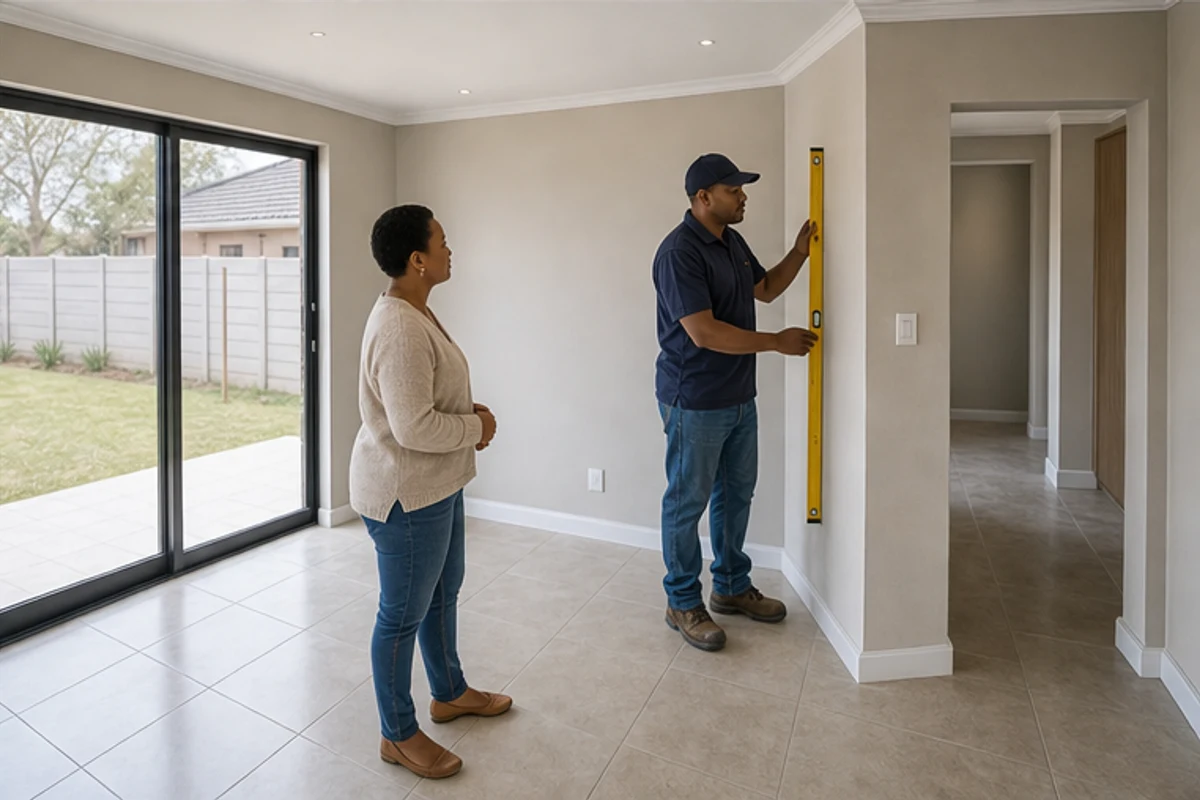
An itemised schedule gives you control by linking each progress payment to a verifiable on-site milestone.
Secure your deposit and loan funds by listing exactly when each payment is due and what work must be completed first. This reduces disputes and keeps your project on track.
Before releasing the final payment, inspect work, confirm materials match the contract and ensure any defects are fixed. That step protects your completion and long-term value.
Use our platform to request up to 3 quotes that include itemised payment schedules. Compare offers from Benoni contractors and choose the quote that gives you the clearest path to a smooth, well-managed build.
FAQ
What are typical deposit and early draws for a Benoni house project?
Deposits usually cover the initial site establishment, insurance, and mobilising labour and suppliers. Expect an upfront deposit of 5–10% of the contract sum, then a first draw once foundations or slab work is complete. Confirm exact percentages, what the deposit covers and any refund terms in writing before signing.
How do foundation milestones work in a standard payment schedule?
Foundation milestones tie payments to discrete deliverables: site clearance, excavation, footing formwork, concrete pour and curing. Contractors commonly request a progress draw after footing completion and again after slab or stem walls are in. Insist on inspection photos or an independent engineer’s sign-off for reinforced concrete work before releasing funds.
What is meant by roof-height draws and why are they important?
Roof-height draws are payments released when the frame, roof trusses and roof covering reach a safe, watertight state. This stage shows major structural progress and reduces exposure to weather risk. Banks often require this milestone for loan advances, so match your payment timing to lender conditions and contract specifications.
When is practical completion and what payment is due then?
Practical completion is when the house is fit for occupation, all major work is finished, and only minor snagging remains. The final retention amount—typically 5% of the contract—may be held back for defects liability. Pay the balance once you have a handover list, keys and a completion certificate where required by local authorities.
What should a preliminary build agreement cover before work starts?
A preliminary agreement should set out scope, provisional costs, deposit amount, appointment period and conditions for finalising the full contract. It should also state who obtains approvals, how variations are handled and whether the contractor will provide material schedules and warranties. Keep these terms clear to avoid disputes.
How does bank financing change the cash-flow plan compared with private funding?
With bank funding, draws are linked to certified stages and the bank releases funds after valuation. That can slow payments and require extra paperwork. Private funding gives you more flexibility but increases your exposure to contractor cash flow. Always confirm draw conditions with your lender and include contingency for timing gaps.
How do you manage variations without halting progress on site?
Use a written variation order process: description of the change, cost, impact on programme and sign-off by client and contractor. Agree on interim work that can continue while variations are priced. This prevents misunderstandings and keeps trades working where possible.
What contractual flexibility should I expect for scope changes?
Contracts should allow for agreed variations, provisional sums and contingency allowances. They must specify how rates are adjusted, who prices additional work and dispute resolution steps. Avoid open-ended verbal changes; require written orders to protect budgets and schedules.
How do I ensure proper site access and material standards before releasing funds?
Confirm site access arrangements in writing, including hours, security and services. Ask for material delivery notes, product specifications and manufacturer warranties for critical items. Inspect the site at each draw point or appoint an independent clerk of works to verify compliance before you pay.
How can buildingcontractorsinbenoni.co.za help me find reliable contractors?
The platform connects Benoni property owners with local, independent contractors and allows you to request up to three quotes, or up to five where available. It outlines required information for site visits and helps you compare price, timeframe, references and scope to make an informed choice.
What is the quote request process on buildingcontractorsinbenoni.co.za?
Submit basic project details, attach plans or sketches, and select preferred visit times. Contractors review your brief, visit site and provide itemised quotes. Each quote should list labour, materials, provisional sums, lead times, approvals and any exclusions—compare these items before accepting.
Why is an itemised payment schedule important for my project?
An itemised schedule breaks the contract sum into clear deliverables and cash-flow points. It shows what each draw pays for—materials, labour, subcontractors—and helps you spot inflated allowances or missing items. This transparency aids cash-flow planning and reduces disputes over what a payment covered.
How should I handle retentions and defect liability in the contract?
Include a retention clause (commonly 3–5%) and a defects liability period, typically 6–12 months. Specify when the retention is released—after rectifying snagged items or after an independent inspection. Clear timelines for defect rectification help protect your investment.
What approvals and documents must I confirm in writing before payments begin?
Ensure the contract lists required municipal approvals, engineering and glazing certificates, electrical and plumbing compliance certificates, insurance cover and any NHBRC or similar registration. Hold back payments until key approvals are supplied or documented in a milestone checklist.
How do provisional sums and allowances affect the draw schedule?
Provisional sums cover work or items not fully priced at contract signing. They appear in the schedule and are adjusted when the exact scope is agreed. Make sure provisional sums are clearly described and require written approval for spend to avoid unexpected overspending during draws.
What checks should landlords and investors make when funding renovations in Benoni?
Verify contractor credentials, VAT registration, references and past projects. Request itemised quotes and timelines, confirm who supervises the site and how defects are handled. For rentals, include clauses on minimal disruption and possession dates to protect tenancy arrangements.
Related building cost guides
Ready to compare?