

Foundation Crack Types, Explained
Hairline vs stepped vs widening cracks decoded calmly – and the signs that genuinely need an expert
In short
What wall cracks mean – hairline vs stepped vs widening cracks decoded calmly, with the signs that genuinely need an expert.
13 min read
On this page
Have you ever wondered whether a thin line in your wall is harmless or a sign of something deeper? This guide starts with a clear look at the foundation crack types common in Benoni homes and what each one usually means.
Many hairline marks are cosmetic and appear within the first year as concrete cures. Other fissures show by width, pattern and position on the wall and can hint at a longer-term problem.
Stay calm when you spot a fault. Note size, direction and how it changes over time. Good notes help any contractor give a better quote and decide on foundation repair or simple crack repair.
We aim to help you tell shrinkage from serious movement so you can protect your property value and decide whether to request up to three independent quotes for work in the Benoni area.
Understanding Foundation Crack Types
A slim line in a wall can be cosmetic, but its pattern and growth tell the full story. Learn to spot common signs — and read our Benoni soil and ground conditions guide — so you can decide whether to monitor, get quotes or seek help.

Hairline and vertical faults
Hairline marks are usually under 1/16 inch and come from concrete shrinkage as it cures. Repairs for these often cost R3,000–R10,000 and use epoxy injections for non-structural work.
Vertical cracks in poured concrete often show normal settlement. Watch for widening, water seepage or new movement.
Stair-step patterns
Stair-step cracks follow mortar joints in block walls and point to differential settlement. This is common where one section sinks more than another. Such faults need a contractor assessment and may require foundation repair or underpinning.
Horizontal and diagonal issues
Horizontal cracks often come from hydrostatic pressure as saturated East Rand clay soil presses on the foundation wall; treat these as serious. Diagonal cracks near window corners usually mean uneven settlement or curing effects.
| Pattern | Likely cause | Typical action |
|---|---|---|
| Hairline / vertical | Shrinkage or mild settlement | Monitor; epoxy injection if leaking |
| Stair-step | Differential settlement in block walls | Structural assessment; mortar repair or underpinning |
| Horizontal / diagonal | Soil pressure or uneven movement | Immediate inspection; carbon fibre straps or wall anchors |
The Importance of Early Detection
A thin split in a wall may look minor, but early checks give you options that cost less than delayed repairs.
If you spot any unusual gap in a Benoni home, note its width, length and direction, then arrange soil testing and foundation advice. Mark dates and take photos. Small movement over time shows active settlement; stable marks usually mean shrinkage.
Act quickly on horizontal cracks or widening vertical cracks by calling a structural engineer. These often signal soil pressure building behind a wall and can let water into a basement or lower storey.
Professional foundation crack repair is cheaper when done early — see our foundation repair in Rynfield case study. Epoxy or grout injection can seal hairline cracks and stop moisture and mould before the problem spreads.
- Monitor marks monthly and compare photos.
- Seal minor openings to prevent water damage.
- Request quotes from local contractors if movement continues.
| Sign | Likely cause | Immediate action | Why it matters |
|---|---|---|---|
| Hairline cracks | Shrinkage as concrete cures | Monitor; photograph | Often cosmetic but worth tracking |
| Widening vertical cracks | Settlement | Consult contractor; consider epoxy | Can allow water and worsen load paths |
| Horizontal crack | Soil or hydrostatic pressure | Immediate inspection; structural repair | Risk of wall failure and basement flooding |
Environmental Factors Affecting Benoni Properties
Benoni’s clay soils swell in wet months and pull away in dry spells, often causing visible movement in walls.
That seasonal rhythm matters. Soil expansion adds pressure against a home. When the ground dries, it can lead to uneven settlement and new openings in walls and basements.
Small movement is common after heavy rain, but repeated cycles may widen existing faults and create diagonal lines near openings.
The Seasonal Clay Cycle
Monitor water around the house. Poor drainage lets water pool and increases soil pressure next to concrete and block work.
Proper site drainage and gutters that lead water away reduce the risk of ongoing movement and lower the chance of costly repair later.
Keep a dated photo log to match visible issues with wet and dry periods. That record helps contractors assess whether the movement is seasonal or needs urgent action.
| Environmental trigger | Likely effect | Practical action |
|---|---|---|
| Heavy seasonal rain | Soil swelling; higher lateral pressure on walls | Clear drains; grade soil away from walls |
| Prolonged dry spells | Soil shrinkage; uneven settlement and diagonal lines | Maintain landscape moisture; inspect walls after dry periods |
| Poor site drainage | Repeated wet-dry cycles; worsening movement | Install swales, downpipe extensions and damp-proofing where needed |
Categorising Structural and Non-Structural Damage
Start by sorting damage into structural and non-structural so you know how fast to act. That first check helps you decide whether to monitor, request quotes or book an inspection in Benoni.
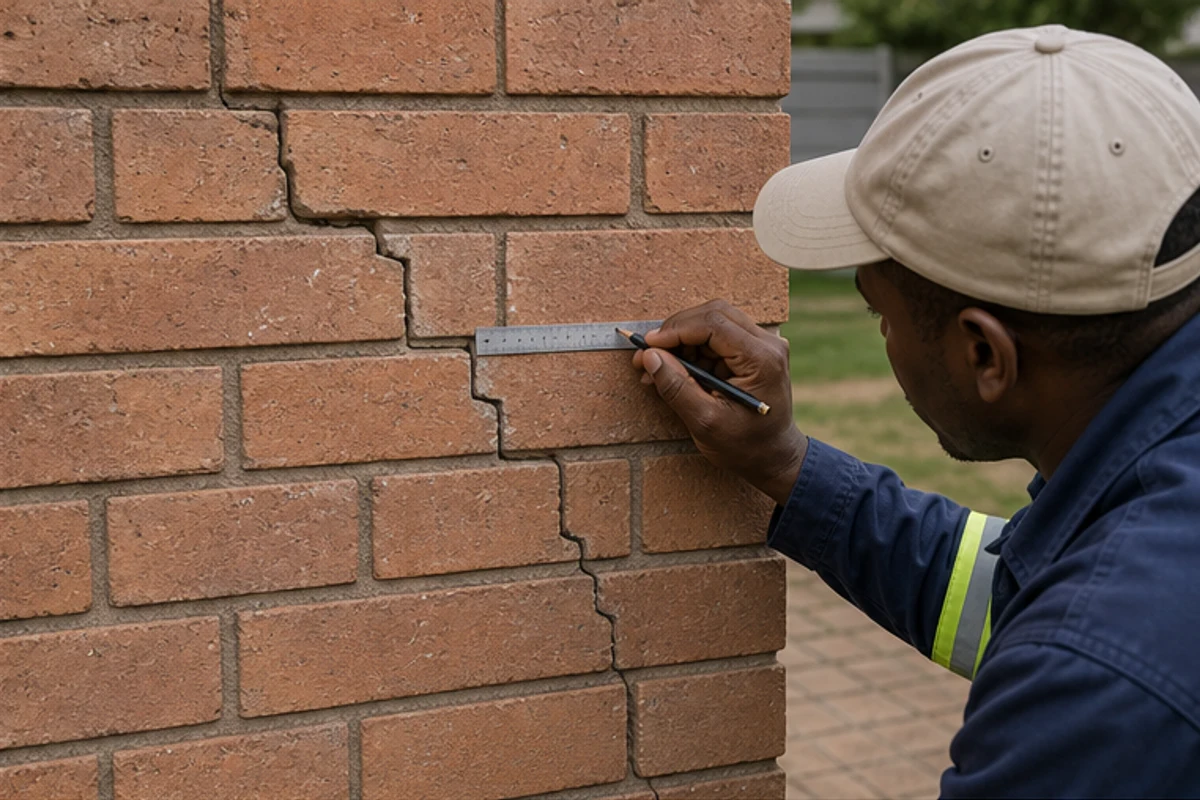
Structural faults are usually wider than 1/4 inch and often point to active settlement or lateral soil pressure on a foundation wall. These issues can let water into a basement, alter load paths and call for professional intervention such as steel piers or epoxy stabilisation.
Non-structural flaws tend to come from poured concrete curing or minor shrinkage during early construction. They are mostly cosmetic and can be managed with simple crack repair, sealing and routine monitoring.
Distinguishing the two saves money and avoids unnecessary work. If diagonal cracks are growing, treat that as a likely sign of structural movement and get an expert to confirm the diagnosis.
- Note width, length and recent change before you call a contractor.
- Photograph the wall and log dates to help any assessment.
- Confirm scope, materials and warranties in writing if you accept a quotation for foundation repair.
The Monitor-First Method for Property Owners
Start with clear records before spending on work. Date and mark any visible foundation crack, then watch it for a set period. This approach helps you decide if action is needed.

Documenting Progression
Simple steps that save time and money
Place a small piece of tape across each crack and write the date. Use a ruler to note width and a tape measure for length.
Check each mark weekly, then monthly. If there is no movement after 90 days, the issue is likely stable and may only need cosmetic crack repair.
Photographic Evidence
Take clear, level photos from the same position each visit. Include a ruler or coin for scale and a dated note in the frame.
“Good photos and dates make any quote more accurate and cut down on surprise costs.”
- Why it works: Professionals use your log to assess settlement and soil pressure faster.
- If a crack widens or shows water, your record proves it to the contractor and speeds diagnosis.
- Consistent monitoring helps you avoid unnecessary repairs on stable concrete or shrinkage marks.
Recognising Genuine Red Flags
Spotting a widening gap or bulge in a wall is a clear signal to act, not to wait. Any opening wider than 6 mm (about 1/4 inch) or a newly bowed section of a foundation wall counts as a red flag.
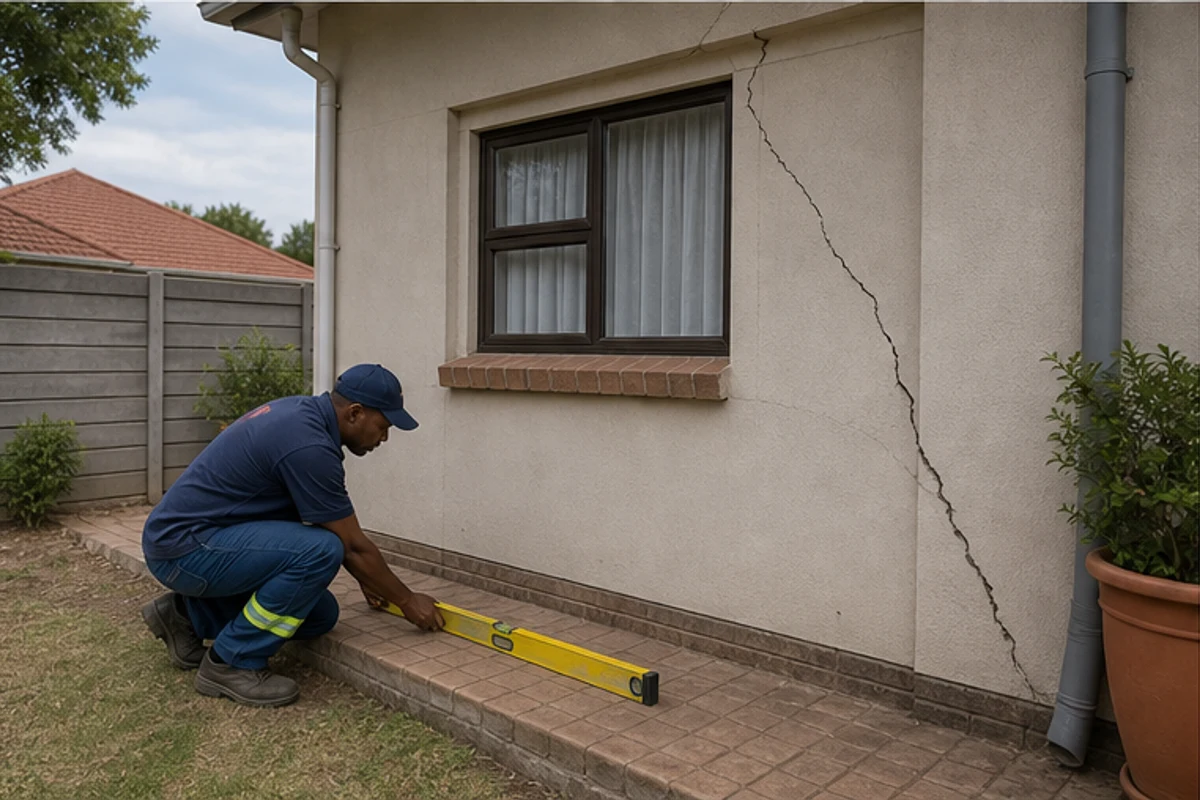
Watch for these urgent signs:
- Horizontal cracks or stair-step cracks that are wider than 6 mm.
- Active water or moisture seeping through an opening into a basement or lower level.
- Visible bowing of a wall — this often needs carbon fiber or anchors to stabilise the masonry.
- Any vertical displacement where one side sits noticeably higher or lower than the other.
If a mark appears suddenly or grows between checks, contact a professional promptly. Prompt assessment helps identify the cause — soil pressure, active settlement, or hydrostatic pressure — and avoids more costly damage later.
What to expect from a survey: an inspector will record movement, test for moisture, and advise whether simple epoxy sealing or full structural repair is required. Keep photos and dates to support a clear diagnosis and accurate quotes.
Trust Factors in Foundation Assessment
Trustworthy reports explain not just what you see, but why the wall moved and how to fix it.
Ask for a clear written estimate. The report should name the cause, scope of work and materials — for example epoxy, carbon fiber or piers — and list labour, access needs and warranties.
Make sure the professional inspects the entire foundation wall and adjacent walls. A single visible gap can hide wider movement, settlement or hydrostatic pressure from saturated soil.
A credible assessor will:
- Explain whether the mark is structural or cosmetic and give options.
- Recommend root-cause steps — for example improved drainage to reduce moisture and pressure.
- Provide references for similar work in Benoni and proof of experience with block or concrete walls.
“Avoid any service that promises a fix without an on-site evaluation.”
| What to expect | Why it matters | Action to take |
|---|---|---|
| Full visual and moisture check | Find hidden movement or basement leaks | Request written findings and photos |
| Cause explanation and options | Prevents unnecessary repairs | Compare up to three local quotes before work |
| Detailed repair estimate | Clear scope, materials and guarantee | Confirm timeline, access and payment terms in writing |
Connecting with Local Expertise
Local expertise helps you move from concern to a clear plan when wall movement or water issues appear.
Use buildingcontractorsinbenoni.co.za to connect with local experts who can assess visible cracks and the state of your foundation quickly. Our platform simplifies the quote request process and helps you shortlist contractors familiar with Benoni soil and settlement patterns.
Through our quote request process you can receive up to 3 building quotes, or up to 5 where available, from independent contractors. Please note our platform does not carry out repair work; contractors handle site visits, final quotes and any repairs.
- Compare scope and cost: check materials, labour and timescales in writing.
- Confirm site needs: access, permits and any basement or drainage checks before work starts.
- Keep records: save photos, dates and written estimates to aid decisions.
“Request multiple quotes to see fair pricing and a clear plan for your home.”
Start your enquiry at buildingcontractorsinbenoni.co.za and use our platform to gain the professional advice your property deserves.
Taking the Next Step with Your Property Assessment
Start the next step by gathering clear photos and notes, then request a professional assessment through our platform.
Our quote request process at buildingcontractorsinbenoni.co.za connects you with local contractors who can assess a foundation crack or other wall problems. You can get competitive estimates for foundation crack repair, epoxy sealing or larger foundation repair work.
Remember, our platform only helps you request quotes. Independent professionals handle site visits, final quotes, warranties and any repairs.
Visit buildingcontractorsinbenoni.co.za today to start your assessment. Acting now can prevent minor damage from becoming a costly problem and protects your home from settlement, water or soil-related issues.
FAQ
What are the main differences between hairline, stair-step and widening wall cracks?
Hairline cracks are very thin surface lines often caused by concrete shrinkage or normal drying. Stair-step patterns follow mortar joints in blockwork and usually indicate differential movement or settlement. Widening or progressively larger splits suggest ongoing movement or pressure and need prompt assessment to rule out structural failure.
How can I tell if a vertical crack in a Benoni wall is serious?
Vertical lines that are narrow, non‑progressive and not wider at one end are often non‑structural. If the gap grows, separates blocks, or aligns with doors and windows sticking, it’s a sign of settlement or deeper issues. Record measurements and seek a local structural evaluation if you notice change.
Why do stair‑step cracks commonly appear in block walls?
Stair‑step damage tracks mortar joints in masonry and typically arises from uneven ground movement, clay shrinkage, or poor foundation support. In Benoni’s clay soils this pattern is a frequent indicator of differential settlement beneath the wall.
What causes horizontal and diagonal cracks in retaining or foundation walls?
Horizontal splits often point to lateral pressure from saturated soil or hydrostatic pressure; diagonal cracks can indicate settlement combined with lateral loads. Both types warrant inspection because they can compromise a wall’s load‑bearing capacity.
How soon should I act after spotting a new fault line in a basement or wall?
Early detection matters. Start by documenting the defect, monitor it over weeks, and check for moisture. If it widens, leaks appear, or internal finishes bulge, arrange a contractor or structural engineer visit. Prompt action limits repair costs and further damage.
What seasonal ground behaviour affects Benoni homes most?
Benoni sits on reactive clay that swells in wet months and shrinks during dry seasons. This seasonal clay cycle places cyclical stress on footings and walls, which can produce movement, repeated small cracks, or renewed opening of old faults.
Which signs separate cosmetic cracks from structural damage?
Cosmetic cracks are usually hairline, stable, and confined to plaster or render. Structural damage shows widening gaps, misaligned openings, diagonal or horizontal patterns, sagging floors, or crack progression over time. If in doubt, get a professional assessment.
What is the monitor‑first method for homeowners?
The monitor‑first approach means observe, record and monitor before spending on repairs. Measure crack width, note dates, take regular photos, and check after seasonal changes. Use this data to decide if and when to call a contractor or engineer.
How should I document progression effectively?
Use a small ruler or crack gauge next to the defect, note the date and location, and keep a short log of any changes. Revisit monthly and after heavy rain or very dry spells. Clear, dated records help technicians gauge urgency and recommend repairs.
What photographic evidence is most useful for contractors?
Take wide shots to show context, plus close‑ups with a scale (ruler or coin) and a dated timestamp. Capture interior effects like plaster bulging, and outside soil or drainage issues. Good photos speed diagnosis and improve quote accuracy.
Which red flags require immediate attention?
Rapidly widening gaps, horizontal breaks in retaining walls, visible foundation displacement, sudden water ingress, or doors and windows jamming urgently need professional intervention. These can signal active structural failure or severe hydrostatic pressure.
How do I judge a credible assessor or contractor in Benoni?
Look for a reputable structural engineer or builder with local experience, clear written scope and references. Confirm registration where applicable, ask for examples of similar repairs, and get written quotes that list materials, labour, access needs and timelines.
Where can I find local specialists and obtain quotes?
Contact independent structural engineers or registered builders in Benoni and surrounding suburbs like Rynfield and Brakpan. Request up to three quotes or up to five where available, and ensure site visits are included for accurate pricing and workmanship warranties.
What should I confirm in writing before any repair work starts?
Ask for a detailed job specification, materials and methods (for example epoxy injection or carbon‑fibre repair), timelines, payment schedule, warranty terms and who handles council approvals. Confirm access requirements, any temporary works, and dust or protection measures for the property.
Related building cost guides
Ready to compare?