

Domestic Building Contracts in SA, Explained
Parties, scope, payment schedule, variations, penalties and completion – what a proper contract contains
In short
What a domestic building contract should contain in SA – parties, scope, payment schedule, variations, penalties and completion terms.
19 min read
On this page
Do you really know what a domestic building contract South Africa must include before you sign?
In Benoni, a clear agreement between the parties protects your home and your pocket. A well-written contract sets the scope of work, the start and completion date, and the payment schedule.
Check that the document lists the contractor’s responsibilities, the quality standards and any provisions for variations and insurance. Missing details lead to the building contract mistakes that cause disputes over costs, materials and time.
Before you sign, confirm the builder is registered with the NHBRC and that key clauses are in writing. That small step gives you rights and helps avoid delays at handover.
Use this guide to spot essential terms, required documents and practical steps to manage the agreement confidently in Benoni.
Why a Written Agreement is Essential

A written agreement gives you a clear record of what the builder will deliver and when the work must finish.
When you sign a contract you set the scope, start and completion date in plain terms. This protects your property and sets expectations for turnkey home builders and the construction timeline.
Without a signed agreement, disputes over the quality of work or the final handover date are harder to resolve. A clear document, like a quote that states its inclusions and exclusions, shows who is responsible for materials, approvals and site access.
Use short, specific clauses to state the exact terms, payment milestones and remedy for delays. That keeps the job transparent and manageable.
- Define the scope and specifications.
- Record the start and completion dates.
- List responsibilities for quality and safety.
| Item | Why it matters | Who confirms |
|---|---|---|
| Scope of work | Prevents scope creep and surprise costs | Homeowner & builder |
| Completion date | Sets the handover and allows planning | Builder |
| Payment terms | Links payments to milestones and progress | Both parties |
Understanding the Domestic Building Contract South Africa Landscape
Choosing the right agreement affects risk, timelines and final cost for your home in Benoni.
The two common types are a standard form and a builder‑owned agreement. A standard form offers uniform terms and clearer duties for both parties. A builder‑owned document may suit bespoke offers but can hide unfavourable provisions if not reviewed.
Standard Form vs Builder Own Contracts
Standard forms set common terms, payment schedules and completion dates. They simplify comparisons between quotes and reduce negotiation time.
Builder‑owned agreements often reflect the information the offeror provided. That makes checking drawings, schedules and services crucial before you sign.
Legal Compliance and NHBRC
Legal compliance is non‑negotiable. The Housing Consumers Protection Measures Act (Act 95 of 1998) requires NHBRC registration for qualifying projects.
Ensure the agreement includes proof of NHBRC registration and references to the National Building Regulations. Keep copies of all documents, drawings and approvals linked to the work.
- Confirm NHBRC registration and include it in the paperwork.
- Review drawings and service specifications against the quoted scope.
- Note the start and completion date in writing and tie payments to milestones.
| Item | Why it matters | Who confirms | Practical check |
|---|---|---|---|
| Type of agreement | Determines risk allocation and default terms | Homeowner & builder | Compare standard form clauses with builder clauses |
| NHBRC registration | Legal protection for your property and home | Builder (must prove) | Obtain registration number and verify online |
| Drawings & documents | Prevent disputes over scope and quality | Both parties | Match drawings to specifications and dates |
| Completion date | Allows planning and milestone payments | Builder | Record liquidated damages and handover steps |
Fixed Price Lump Sum Agreements
With a fixed price lump sum, the builder quotes a single total that covers the agreed work and materials. This form of agreement is common in Benoni and suits homeowners who want budget certainty during construction.
The contract price must be written clearly and include all materials, labour and specifications needed to reach the completion date. Check that the document lists payment milestones and the final handover date.
Verify the scope of work before you sign. Ask for detailed drawings and an itemised list so no hidden costs appear later. Our platform recommends matching the scope to the price and confirming any exclusions in writing.
Price stability is an advantage, but it also places responsibility on the builder to deliver quality. Confirm references, past projects and NHBRC registration where applicable before accepting the agreement.
- Single fixed price: predictable cost for the whole job
- Scope clarity: reduces risk of extra costs
- Payment tied to milestones and the completion date
| Feature | What to confirm | Benefit |
|---|---|---|
| Contract price | Includes materials and labour, written sum | One total cost to budget against |
| Scope & specifications | Detailed drawings and item list | Fewer disputes over work and materials |
| Payment terms | Milestones linked to progress and date | Clear basis for release of funds |
Bills of Quantities and Provisional Arrangements
A bill of quantities gives you measurable detail so quotes line up and surprises drop away. Use this form as part of your agreement to set clear terms for price, materials and the schedule.
The bill helps you compare offers from different builders on an equal basis. It lists quantities, specifications and allowances so the contract price reflects the same work and materials.
Benefits of Accurate Measurement
Accurate measurements reduce disputes. When quantities match the drawings and documents, variations are easier to price and agree.
- Improves price transparency when you request quotes.
- Links payment milestones to measured progress and the completion date.
- Supports provisional items in fast-track work, while keeping costs controlled.
- Makes it simpler to confirm specifications and delivery times for materials.
| Item | Why it matters | Action for homeowner |
|---|---|---|
| Schedule of quantities | Ensures uniform pricing across quotes | Include as part of the agreement and drawings |
| Provisional sums | Allows flexibility for unknowns in fast projects | Record clear rules for adjustments and approvals |
| Measured drawings | Reduces scope disputes and unforeseen costs | Match drawings to the bill and confirm in writing |
Cost Plus and Labour Only Models
Cost-plus and labour-only models each place different duties on the homeowner and the builder.
A cost-plus form reimburses the builder for actual expenses plus a set management fee. This keeps work flexible but the contract price is not fixed, so the final price can rise quickly if materials or labour change.
Labour-only models are common in the informal sector. You supply materials, manage deliveries and oversee work. That reduces the builder’s scope but increases your day-to-day responsibilities on site.
Our platform warns that both forms can lead to unpredictable costs unless the agreement states the management fee, hourly rates and rules for variations.
- Record the payment process and require invoices for every purchase.
- Confirm who carries insurance and who is responsible for site safety before the start date.
- Set clear terms for materials, change approvals and the completion date in writing.
Keep tight records of invoices and payments. That helps you manage cost, protect your property and avoid disputes with the builder as work progresses.
Essential Components of a Construction Document

Start by making sure the document names every party, with contact details and their exact role on site. This simple step clarifies responsibilities and gives you a point of contact for queries or emergencies.
Identifying Parties and Scope
List the homeowner, the builder and any contractors by full name, registration and role. Add a short scope of work that matches the drawings and specifications.
Attach drawings, a schedule of specifications and a list of materials so the agreement links price and quality to what is shown on paper.
Defining Completion Dates
State the start date and the completion date in writing. Tie payments to a clear schedule and note how the contract price will change if time extends.
Include the process for issuing a certificate of completion and the checklist the builder must satisfy before handover.
Dispute Resolution Mechanisms
Add a dispute clause that sets mediation, then arbitration or a court process. This keeps work moving while you resolve differences.
Also record insurance, warranties and the responsibilities of each party under different circumstances.
- Payment schedule linked to milestones and the completion date
- Detailed drawings and a list of specifications and materials
- Named parties, insurance details and a certificate process for the house
| Item | Why it matters | Who confirms |
|---|---|---|
| Scope & drawings | Prevents scope creep and hidden costs | Homeowner & builder |
| Completion date | Sets handover and milestone payments | Builder |
| Dispute clause | Keeps work progressing during disagreements | Both parties |
Managing Site Access and Material Specifications

Clear rules on site access and material lists stop early delays and protect your property.
Record who may enter the site, the hours allowed and any security steps in the agreement. This prevents disputes over access and keeps the works moving to the agreed date.
List materials and match them to the drawings and specifications. Ask the builder to confirm delivery dates for key items so shortages do not stall progress.
Provide concise information to the contractor about storage, gate access and neighbouring properties. Note any conditions that affect installation or safety.
- Specify delivery methods and acceptance checks.
- Tie material approvals to the schedule and payment milestones.
- Require signed receipts and photos for critical deliveries.
| Item | Why it matters | Who confirms |
|---|---|---|
| Site access hours | Stops unauthorised entry and delays | Homeowner & contractor |
| Materials list | Maintains quality against drawings | Homeowner & builder |
| Delivery schedule | Keeps construction on the planned timeline | Builder (with homeowner notice) |
| Acceptance checks | Prevents replacements and extra cost | Both parties |
Navigating Variations and Penalty Clauses
Record every variation in writing. Any change to the scope of work must be signed, dated and attached to the main agreement. That prevents later dispute about the contract price or the completion date.
Include a clear method for calculating variations. State whether items use a priced schedule, dayworks, or a percentage on cost. Note how variation sums affect the payment schedule and the final price.
Penalty clauses protect your timetable. Set liquidated damages for missed milestones and a process for developer or owner delays that alter the completion date. Define notice periods and cure rights before penalties apply.
- Require written orders and a dated variation form for all scope changes.
- Spell out how variations change the price, payment and schedule.
- Update insurance and warranties when significant scope changes occur.
| Variation type | Effect on contract price | Who must approve |
|---|---|---|
| Owner‑requested extra work | Priced as item or provisional sum; raises price | Homeowner and builder in writing |
| Design omission found on site | Measured and priced; may alter completion date | Agree scope and cost before work starts |
| Time extension for unforeseen events | No immediate price change; may affect overheads | Builder to provide substantiation; homeowner to accept |
The Importance of Proper Contract Administration
Practical contract administration turns paperwork into predictable progress on your property.
Keep regular contact with the parties so the builder meets the agreed terms and the completion date. Short, scheduled updates reduce surprises and record progress in writing.
Verify all information the builder gives you: delivery dates, material specs and site reports. Confirm approvals and certificates are filed with the agreement and stored for reference.
Without active management, a construction project can drift. Minor delays grow into schedule slips and larger costs if no one tracks milestones and issues promptly.
“Consistent oversight and clear records protect your home and budget.”
Use simple tools: a dated register of instructions, photos of progress, and written sign‑offs for variations. Those steps help ensure the agreement is honoured and the work meets the quality you expect.
Payment Schedules and Milestone Tracking
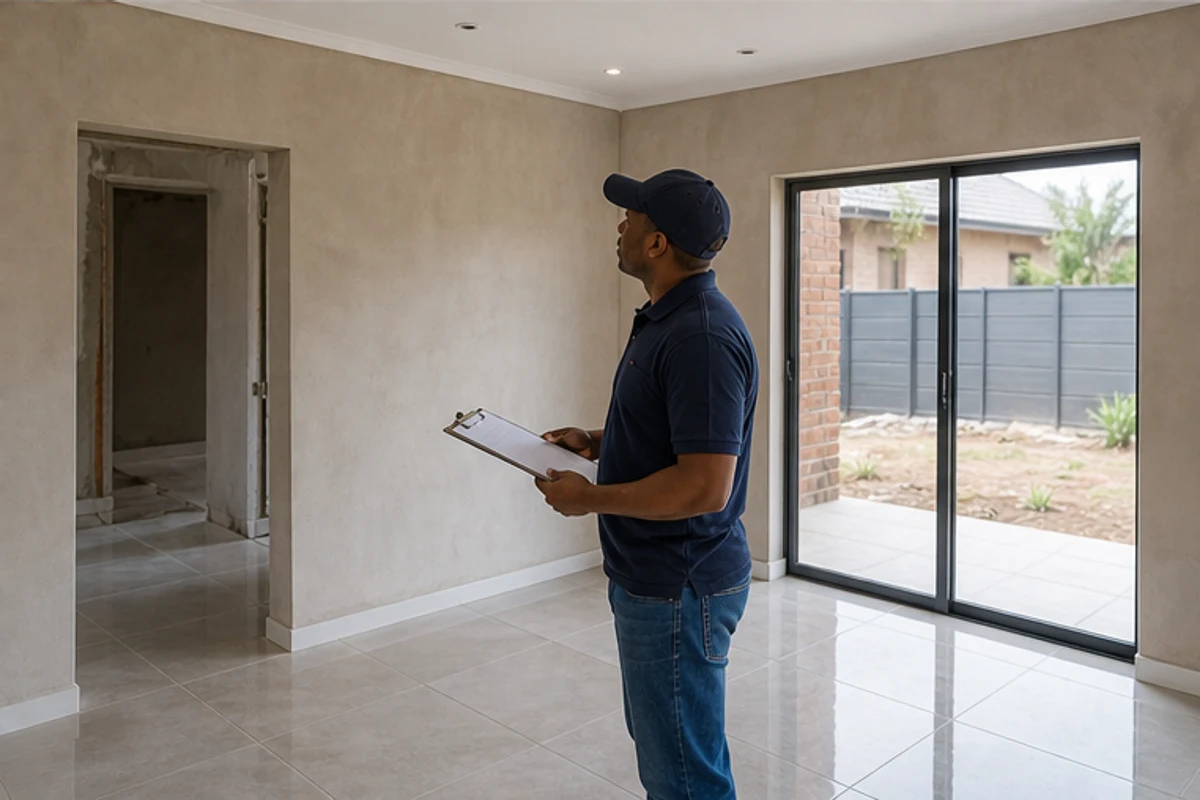
Tie each payment to an inspected milestone to confirm quality, drawings and materials match the agreement.
Set a clear payment schedule in the document. For example, the first instalment of 25% is often payable when the floor slab is complete. The final 5% is held back until the Occupation Certificate is issued.
Only release funds once the builder provides a certificate or invoice that proves the work was done to the agreed specifications. Payments should be made within seven calendar days of the certificate or invoice issue.
- Link the contract price to staged payments and named milestones.
- Require photographed evidence, delivery notes and certificates for key materials.
- Record each payment date and update the payment list in the main document.
| Milestone | Typical payment | Proof required |
|---|---|---|
| Floor slab completion | 25% first instalment | Completion certificate & photos |
| Roof/structural completion | Interim instalment (as agreed) | Invoice, inspected works and delivery notes |
| Occupation Certificate | Final 5% | Occupation Certificate and final invoice |
Tracking milestones protects your property and helps ensure the builder meets their obligations. Keep the payment list and all documents with the agreement for easy reference at handover.
Signature Day Checklist for Homeowners
Before you put pen to paper, run a short, practical checklist to catch missing pages and annexures.
Check that every page is initialled and that all annexures are attached. Confirm the named parties have signed and that contact details match the paperwork.
Verify the start date and the completion date are written clearly. These terms tie the schedule to payments and the handover for your home.
Ask the builder for proof of insurance and the NHBRC registration. Our platform suggests you keep certified copies of these documents with the signed agreement.
Make sure the agreement shows the final scope of work, the agreed materials and the key milestones. Keep one signed copy for your records and file it with drawings, invoices and certificates.
“A calm, careful check on signature day prevents disputes and keeps your project on track.”
- Initial every page and confirm annexures are present.
- Confirm start date, completion date and payment schedule.
- Obtain insurance and NHBRC proof from the builder.
- Ensure the agreement matches the final scope and keep a signed copy.
Avoiding Common Pitfalls in Property Hand Offs
When you collect the keys, a short, systematic walkthrough can protect your property and budget.
Do a full inspection of every room and external area. Check finishes, fittings and any items listed in the contract against the drawings and scope.
Withhold the final payment until you are satisfied the construction is complete and free of major defects. Ask for dated photos and a written punch list before you release funds.
- Confirm the occupation certificate and other approvals are provided.
- Run a final checklist for plumbing, electrics, finishes and warranties.
- Record any outstanding work in a signed snag list with clear completion dates.
A final walkthrough is your best chance to spot defects. Take someone with you who knows finishes or hire an inspector for larger projects.
“Be methodical at handover — it protects your investment and ensures the builder has met the agreed terms.”
Keep written proof of the handover, the snag list and the final payment receipt. That paperwork helps resolve disputes and secures a clean completion for your home in Benoni.
Securing Reliable Quotes for Your Project
Compare professional quotes to turn drawings and specifications into realistic costs.
Visit buildingcontractorsinbenoni.co.za to connect with independent contractors who can price your work and confirm the contract price against the scope. Our platform lets you request up to 3 building quotes, or up to 5 where available, to compare price, time and quality.
Use the quotes to check terms, the payment schedule, materials lists and completion date. We do not perform the construction work; each contractor handles site visits, final quotes, warranties and obligations in writing.
Start at buildingcontractorsinbenoni.co.za to receive contract-ready quotes and clear information for your next project in Benoni.
FAQ
What is covered by a domestic building contract in Benoni — who are the parties and what should the scope include?
A clear written agreement names the homeowner and the contractor, sets the property description, and lists the full scope of work: drawings, specifications, materials, finishes and services. It should include the contract price, payment schedule, completion date, invoice and certification procedures, warranty terms and who is responsible for subcontractors, site safety and insurance. For Benoni jobs, confirm local access, neighbourhood restrictions and required municipal approvals in writing.
Why do I need a written agreement rather than a verbal promise?
A written agreement protects your rights and reduces disputes. It fixes the price or payment method, records start and completion dates, describes the scope and any exclusions, and sets out how variations, delays and defects are handled. It also provides evidence for insurance, NHBRC or municipal enquiries and for obtaining independent quotes.
What is the difference between a standard form and a builder’s own contract?
Standard form agreements follow widely accepted clauses and are usually balanced between owner and contractor. Builder‑own contracts may favour the contractor and omit key protections. Always compare terms on price adjustments, defects liability, dispute resolution, termination rights and who pays for approvals. Consider legal review or a neutral checklist before signing.
Do I need NHBRC compliance and what does legal compliance involve?
For new home builds and certain major structural work, NHBRC registration and enrolment of the contract may be required. Legal compliance also covers municipal building plan approval, zoning, electrical and plumbing certification and adherence to SANS standards. Ask the contractor for proof of registration, relevant certificates and insurance before work starts.
How does a fixed price lump sum agreement work and when is it suitable?
A fixed price (lump sum) sets one total for the complete scope based on the agreed drawings and specifications. It suits well‑defined projects where changes are unlikely. Ensure the contract lists allowances, provisional sums and exactly which materials and finishes are included to avoid later claims for extra costs.
What are bills of quantities and provisional sums — why do they matter?
A bill of quantities breaks the job into measured items with unit rates, helping accurate tendering and cost control. Provisional sums cover work or items not finalised at contract signing (for example specialist landscaping or certain finishes). Accurate measurement and clear provisional sum descriptions reduce disputes and unexpected cost variations.
What are the benefits of accurate measurement in a BOQ?
Accurate measurement gives clearer pricing, better comparison between quotes, and less room for builders to claim extras. It improves budget forecasting, helps track progress against milestones, and supports fair valuation of variations during the build.
How do cost‑plus and labour‑only models differ from lump sum pricing?
Cost‑plus pays actual materials and labour plus a fee or percentage to the contractor. Labour‑only covers only labour; you supply materials. These models suit projects with uncertain scope or where the owner wants control over materials. They require rigorous invoicing and supervision to manage cost risk.
What essential components should appear in my construction document?
The document should identify the parties, describe the scope with drawings and specifications, state the contract price and payment schedule, list completion dates and milestones, set out variation procedures, defects liability, insurance, warranties, dispute resolution, termination rights and signatures. Attach all relevant documents and a site handover checklist.
How should parties and scope be identified to avoid confusion?
Use full legal names, ID or registration numbers for the homeowner and contractor, and the full property address and erf number. Attach and reference the exact drawings, finishes schedule and product brands where relevant. Clear exclusions and access arrangements prevent scope creep.
How is a completion date defined and protected in the contract?
The contract should state a practical start date, a completion date or a programme with milestones, and procedures for extensions for valid causes (weather, material shortages, approvals). Include liquidated damages or penalties for unjustified delays and the process for assessing practical completion and final certification.
What dispute resolution mechanisms should be included?
Include a step‑wise process: notice of dispute, site meeting, independent adjudication or mediation, and arbitration or court as last resort. Specify timelines, choice of law, and who pays for the adjudicator. Clear dispute clauses encourage early resolution and reduce legal costs.
What should I confirm about site access and material specifications before signing?
Confirm working hours, neighbour access, storage and waste removal, temporary services and who pays for security. Specify material brands, quality standards, substitutions permitted and approval rights for any change. Note delivery access for large items and parking arrangements in Benoni suburbs.
How are variations handled and what about penalty clauses?
Variations must be in writing, priced and signed by both parties before work proceeds. The contract should state who can instruct variations, how rates are agreed, and time impact assessment. Penalty clauses should be proportionate and enforceable — avoid open‑ended fines and ensure the contract allows reasonable extensions.
Why is proper contract administration important during the build?
Good administration keeps records of instructions, payments, site diaries, quality checks and compliance certificates. It ensures timely payments tied to milestones, manages defects, and provides evidence if disputes arise. Retain copies of all invoices, delivery notes and inspection certificates.
How should payment schedules and milestone tracking be structured?
Link payments to clear milestones: mobilisation, substructure, roof, window and door installation, practical completion and final certificate. Hold a retention amount for defects liability and require tax invoices and proof of subcontractor payments where relevant. Never pay the full amount before practical completion.
What should I check on signature day before signing the agreement?
Check that the contract has the correct names, scope, price, payment schedule, start and completion dates, insurance details, warranties, and dispute clauses. Confirm all referenced drawings, specifications and provisional sums are attached. Keep a signed copy and arrange for a site inspection date.
What common hand‑over pitfalls should I avoid when taking possession?
Don’t accept hand‑over without a snag list and practical completion certificate. Check that services are certified, guarantees and manuals are handed over, and retentions are agreed. Test electrical, plumbing and finishes, and confirm the defects liability period and contact for urgent repairs.
How do I secure reliable quotes for my Benoni project and how many can I request?
Request detailed written quotes with scope, brand names and lead times from reputable contractors. You may request up to 3 quotes, or up to 5 where available. Check references, registration, NHBRC status where applicable, and ask for a site visit so quotes accurately reflect site conditions and access.
What documents and certificates should the contractor provide during and after work?
Require tax invoices, proof of payments to subcontractors where applicable, municipal approvals, completion and compliance certificates, manufacturer warranties and NHBRC or other registration certificates. Keep a folder of all documents for future maintenance, resale or disputes.
Related building cost guides
Ready to compare?