

Construction Safety Files, Explained
What the OHS construction regulations require on commercial sites – contents, appointments and who supplies what
In short
Construction safety files explained – what the OHS Act requires on commercial sites, what a file contains and who must supply it.
13 min read
On this page
Do you know which documents protect future maintenance teams and reduce risk on your building site?
Every commercial building project in Benoni should start with a construction safety file, explained clearly, and good health safety information. The regulations require a health safety file when more than one contractor is involved. This ensures records of services such as underground cables and gas supplies are kept for later maintenance.
Our guide at buildingcontractorsinbenoni.co.za shows what must be part of the file and why good records matter. You get practical steps to manage information, meet regulations and help protect workers and occupants during demolition or repair work.
This short introduction sets out what to expect next: plain guidance on documents, risk control, and the key parts to check before you tender or start work. Read on to make sure your project documentation is a solid part of your health and safety strategy.
Understanding the Construction Safety File Explained
On any multi‑contractor project — like a factory renovation — a clear health safety file protects people who will work on the building later. This short section sets out the purpose of that record and when one is required.
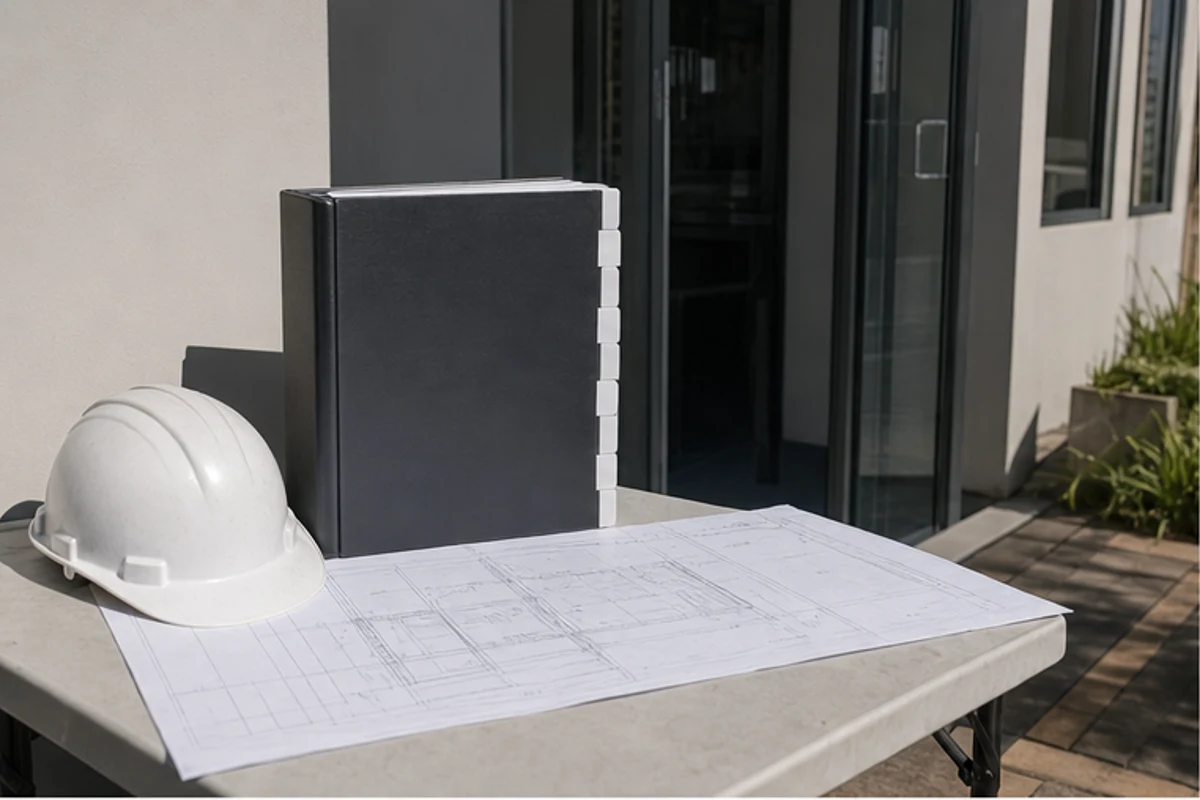
Purpose of the file
The main purpose is practical: to record what was done, where services run, and any hazards present. That information helps future teams plan safe working when renovating a working factory or altering the building.
A well‑organised record makes maintenance faster and cheaper. It also keeps contractors informed about health and safety and site details long after the original project ends.
When a file is required
A health safety file is required when a project involves more than one contractor. If only one contractor does the work, or no construction work takes place, the full record is not needed.
- Primary purpose: keep a clear project record for later maintenance and safe working.
- Legal trigger: multiple contractors make a safety file required under current regulations.
- Content note: include all relevant health information to meet the site requirements.
Legal Obligations and the Occupational Health and Safety Act
Your duties under the Occupational Health and Safety Act No 85 of 1993 set the baseline for every project in Benoni — from homes to Apex Industrial sites.
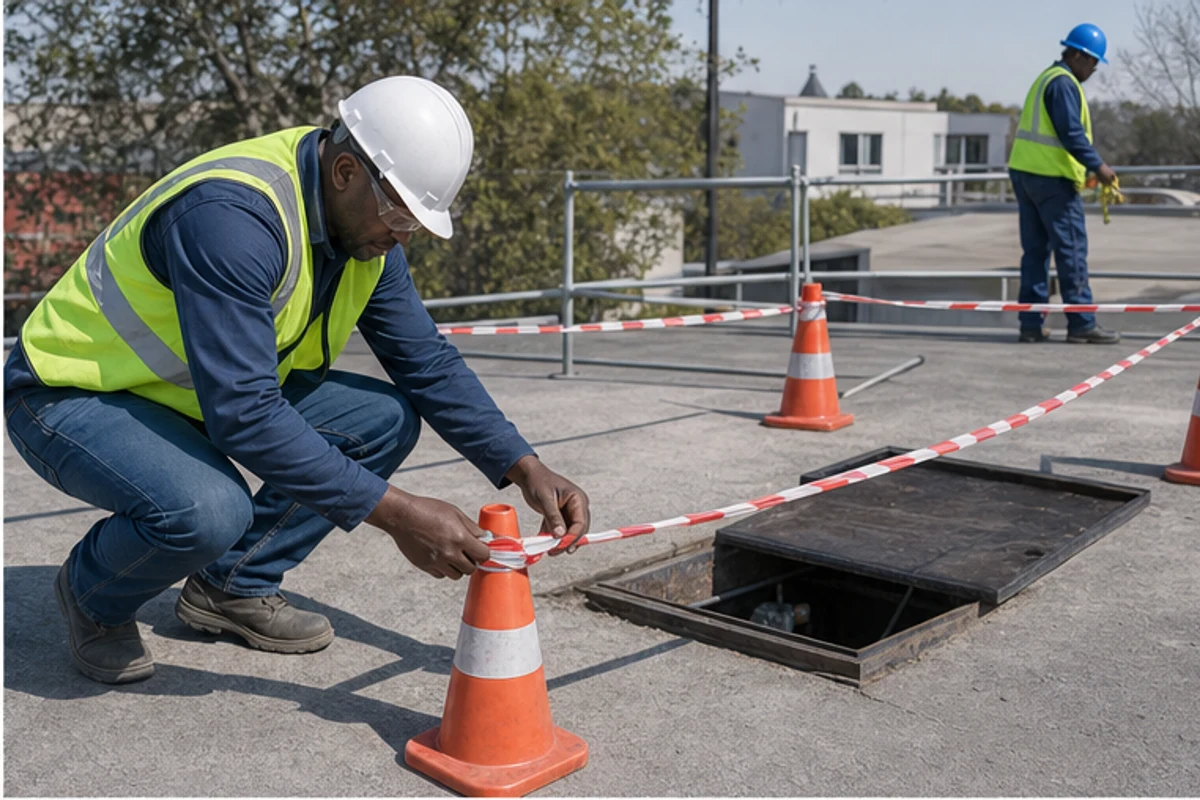
The Act provides for the health and safety of persons at work and includes 50 sections with 21 specific health and safety regulations that organisations must follow.
The Construction Regulations 2014, under the OHS Act, make a health and safety file a mandatory deliverable when more than one contractor is on site. This requirement links directly to your legal management responsibilities.
“A well-kept health safety file helps show compliance with the Safety Act and supports later maintenance and risk control.”
Good design management practice must inform every part of the safety file to ensure hazards are identified and risks are controlled.
- Know that compliance is mandatory for multi‑contractor projects such as a warehouse renovation.
- Keep clear information to demonstrate adherence to the 21 regulations under the Act.
- Effective management of the health file reduces risk and helps owners meet their legal obligations.
If you manage a project or own a property in Benoni, confirm these records before work starts and when handover happens.
Defining Roles and Responsibilities for Duty Holders
Defining who manages what ensures health and risk information stays accurate and accessible. In Benoni projects, clear role lines make handover practical and useful for future maintenance.
Client duties
The client carries the overarching legal duty to ensure the health and safety file is managed correctly. You must confirm that the principal contractor and the principal designer meet the requirements and keep records up to date.
Principal designer responsibilities
The principal designer prepares the file at project start and keeps it updated as design and hazards change. It is also their duty to hand the final file to the client when the work ends.
Contractor contributions
Each contractor must supply detailed information about site methods, materials and hazards they encounter. The principal contractor gathers those inputs and coordinates between contractors to keep the record complete.
- Client check: confirm design management and record keeping throughout the project.
- Principal contractor: coordinate submissions and share site hazard information promptly.
- Contractors: provide accurate, clear information for each part of the work.
“Good role clarity reduces risk and makes later maintenance straightforward.”
Essential Components of a Comprehensive Safety File
A practical health safety file helps Benoni owners and maintenance teams plan future work. It must describe the work carried out and note hazards that could not be removed.
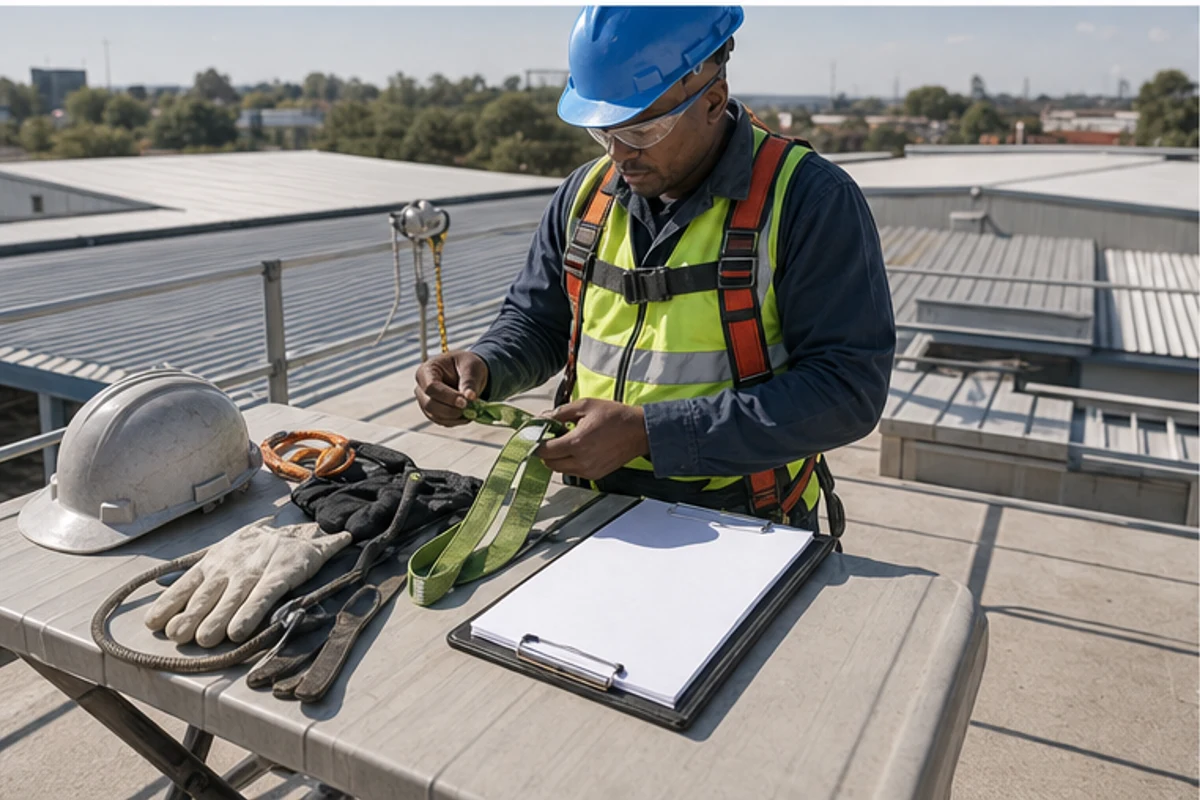
The record should show the location of significant services, including underground pipes and cables. As-built drawings are essential because they guide later repairs and reduce unexpected risk.
- Core contents: description of work, unresolved hazards and service locations.
- Materials data: hazardous substances and handling information for future teams.
- Assessments: explain why risk assessments and method statements are usually excluded from the final health safety file, as they relate to the construction phase.
Good management of the safety file keeps information concise and relevant to the purpose of enabling safe maintenance. Make sure the record is well organised and easy to hand over to the client or future contractors.
| Part | What to include | Why it matters |
|---|---|---|
| Work description | Scope, dates, contractors | Shows what was done and who did it |
| As‑built drawings | Plans, service routing | Essential for maintenance and repairs |
| Hazard record | Remaining hazards, hazardous materials | Protects future workers and informs planning |
Distinguishing Between Office and Site Specific Documentation
Keep corporate health records separate from the on‑site pack for each project. Office documents set policies and procedures. Site packs describe the risks and arrangements that relate to a specific site and work scope.
Full versus lighter duty thresholds
Use a full site pack when the project exceeds your organisation’s lighter duty thresholds. Smaller maintenance jobs may only need basic on‑site records.
A site specific safety file is required where the client’s section 37.2 agreement or the Health and Safety Act triggers higher documentation levels.
- Office files: policies, training records, general procedures.
- Site packs: medical certificates, site‑specific risk assessments, method statements and maintenance notes.
- Compliance note: every part of a site pack must include relevant health information tailored to the work and the client’s requirements.
“Distinguishing between an office pack and a site pack is vital to meet legal requirements and to protect teams during future maintenance.”
| Part | Office pack | Site pack |
|---|---|---|
| Purpose | Company governance | Project and site maintenance |
| Contents | Policies, training | Medical records, risk assessments |
| When required | Always | When thresholds or client agreement demand it |
Leveraging Safety Files as a Procurement Filter
Treat the health documentation as a practical filter when awarding tenders for building work. In Benoni, a clear health safety file helps you shortlist contractors who take site health seriously.
The client should review a contractor’s safety file before awarding a tender. A robust record shows how a contractor manages health and site risk and whether the principal contractor can keep the file current for the duration of the project.
Use the review to compare track records, not just paperwork. Ask for past entries, evidence of updates, and how unresolved hazards were handed over.
- Procurement tip: require a health safety file as part of every tender pack.
- Check: past health records, completion notes and who maintained the file.
- Verify: the principal contractor’s ability to manage the file through the work.
“A well‑maintained safety file is often the clearest sign of professional site management.”
Connecting with Professionals via Our Quote Request Process
Connect with local professionals in Benoni using our platform at buildingcontractorsinbenoni.co.za to request commercial quotes that include a safety file cost up front.
Our quote request process lets you ask for up to three building quotes, or up to five quote options where available. This helps you compare price, timelines, and who will manage site visits and final proposals.
We guide you through each step so quotes clearly show the cost of a professional safety file. That way, the record is part of the budget and not a surprise at handover.
- Request multiple quotes to compare materials, labour, local approvals and access needs.
- Independent contractors carry out site visits, supply the final quote and set project timelines.
- Confirm in writing who will manage the safety file and what warranties apply.
“Use our platform to find trusted professionals who include a clear safety file price in their commercial quotes.”
Commercial quotes with safety files are available via our quote request process. We do not perform work ourselves; we connect you with qualified contractors for your Benoni project.
Ensuring Long Term Compliance and Site Safety
Treat the health safety file as a living dossier, not a final paperwork bundle at handover.

The 16.1 CEO and the 16.2 appointee must lead ongoing management and daily checks so the record stays current. The principal contractor must keep the safety file updated through the entire project and hand it to the client at completion.
Long‑term compliance needs a culture where contractors and managers run regular risk assessments and manage hazards and services openly. Keep relevant health information accessible for future maintenance and demolition work.
Use our guide to see how the CEO and appointee can work together to meet the Regulations 2015 and the Safety Act. A well‑maintained health safety file protects people and helps your building remain practical to operate.
FAQ
What is a construction safety file and why does my Benoni commercial site need one?
A construction safety file is a record of health and safety information about a building or project that helps manage risk during work and later maintenance. On commercial sites in Benoni, the Occupational Health and Safety (OHS) regulations require this documentation so clients, contractors and maintenance teams know hazards, control measures, and safe systems of work for the structure.
What is the main purpose of the safety file?
The primary purpose is to provide clear health and safety information for anyone who will carry out work, repairs or maintenance on the building. The file collates design details, risk assessments, method statements, hazardous-material data and maintenance requirements so future work can be planned and done safely.
When is a safety file required for a project?
A safety file is required for projects that involve significant demolition, structural work, high-risk activities, or when the work affects the safety of the building during use. If the project changes the way a building is occupied or maintained, prepare a file. The principal contractor or client should confirm the threshold early in the tender stage.
Who is legally responsible for providing and keeping the safety file up to date?
The client holds ultimate responsibility to ensure a safety file exists and is handed over. The principal designer or principal contractor normally compiles the file during the project. Contractors must supply relevant health and safety information and risk assessments for their works so the file is complete.
What must the principal designer include in the file?
The principal designer should include design risk assessments, drawings showing hazardous areas, safe access and egress, and details of specified materials or systems. They must also document residual risks that remain after the design stage and recommendations for future maintenance.
What information should contractors add to the safety file?
Contractors must provide method statements, on-site risk assessments, as-built drawings, certificates for installed systems, plant and equipment handover notes, and hazardous-material data such as asbestos registers or chemical inventories. Records of inspections and testing should also be included.
What are the essential components of a comprehensive file?
Essential items include: project contact list, scope of work, risk assessments, method statements, as-built drawings, structural and services information, certificates (electrical, pressure systems), maintenance schedules, hazardous-substance registers, inspection logs, and emergency procedures.
How do office (standard) and site-specific documentation differ?
Office or corporate documents cover company policies, standard procedures and generic risk assessments. Site-specific documentation addresses the unique hazards and control measures for a particular project or phase. Larger or higher-risk projects require full site-specific files; smaller or low-risk work may use a lighter, tailored set of documents.
Can a safety file be used as a procurement filter when choosing contractors?
Yes. Reviewing a contractor’s health and safety documents, previous safety files and method statements helps you assess competence and risk management before awarding work. Use the file to verify that contractors understand hazards, have suitable controls and maintain appropriate records.
How does the safety file support long-term compliance and maintenance?
The file becomes a reference for building owners and maintenance teams, listing residual risks, service lifespans and maintenance regimes. Keeping it updated after inspections or changes ensures ongoing compliance with OHS regulations and safer, more cost-effective repairs.
How can I get professional help to prepare or review a safety file in Benoni?
You can request quotes from independent health and safety consultants, principal designers or principal contractors who offer safety file compilation. When requesting quotes, confirm scope, local suburban access, materials and labour assumptions, approvals required and what they will supply in writing.
What should I confirm in writing before appointing a contractor or consultant?
Ask for a clear scope of work, deliverables for the safety file, timelines for site visits and handover, assumptions about access and materials, proof of qualifications, references for similar Benoni projects, and confirmation of who will update the file post-handover.
Which regulations and Acts govern the requirement for a safety file in South Africa?
The Occupational Health and Safety Act and associated regulations set the framework for managing workplace risk and documentation. Design and construction duties under CDM-like practices require relevant health information and risk management; confirm specific requirements with your local enforcement office or a qualified consultant.
How often must the safety file be reviewed or updated?
Review the file after major works, at handover, following incidents, and during periodic maintenance planning. Update records whenever new risks are identified, systems are modified or inspections reveal required actions so the information remains accurate for future contractors.
What common hazards should be highlighted in the file for Benoni sites?
Common hazards include structural alterations, working at height, asbestos or legacy materials, electrical and pressure systems, confined spaces, excavation and demolition risks. The file should state controls, PPE requirements, safe methods and emergency contacts specific to the site.
Can I keep a digital safety file instead of paper?
Yes. A digital file can be easier to update, share and store. Ensure secure access, regular backups and that printed copies are available when required by contractors or inspectors. Include clear version control and a simple index so users can find critical information quickly.
What details should be included for future maintenance teams?
Provide as-built drawings, access and egress routes, locations of services, maintenance schedules, operating manuals, certificates for critical equipment, residual risk notes and contact details for specialist suppliers or manufacturers needed for repairs.
How much does compiling a safety file typically cost?
Costs vary by project size, risk profile and the amount of specialist input required. Factors include number of site visits, surveys (e.g. asbestos), professional fees and document preparation. When requesting quotes, ask contractors to list assumptions about labour, materials, local approvals and what’s included in writing.
If my project is small, do I still need a full safety file?
Small projects with low risk may only need a lighter, proportionate set of documents rather than a full file. The client should assess risk and agree the required level with the principal contractor or consultant, and keep records that reflect that decision.
Ready to compare?