

How Long a Bathroom Renovation Takes
The day-by-day stages from strip-out to grout cure – and what commonly adds days
In short
How long a bathroom renovation takes – the day-by-day stages from strip-out to grout cure, and what commonly adds days.
10 min read
On this page
Thinking a full overhaul can happen in a weekend? Television makes it seem simple, but how long does a bathroom renovation take? It usually needs careful planning, clear choices and time for each step.
Expect demolition to include removing shower enclosures, fittings and the bath. If asbestos turns up during strip-out, delays are common and must be handled by specialists for safety and compliance.
That covers delivery of materials, construction work, tile setting and grout cure times that can’t be rushed.
Our platform, buildingcontractorsinbenoni.co.za offers Benoni SEO local guidance and connects you with experts to compare quotes. Use our service to request up to three quotes and keep your timeline realistic.
Ready to plan with clear expectations? Check our advice, confirm fixtures and approvals in writing, and start the process with trusted local contractors to protect your home and budget.
Understanding how long does a bathroom renovation take
In Benoni, delivery windows and design choices shape each project’s schedule.
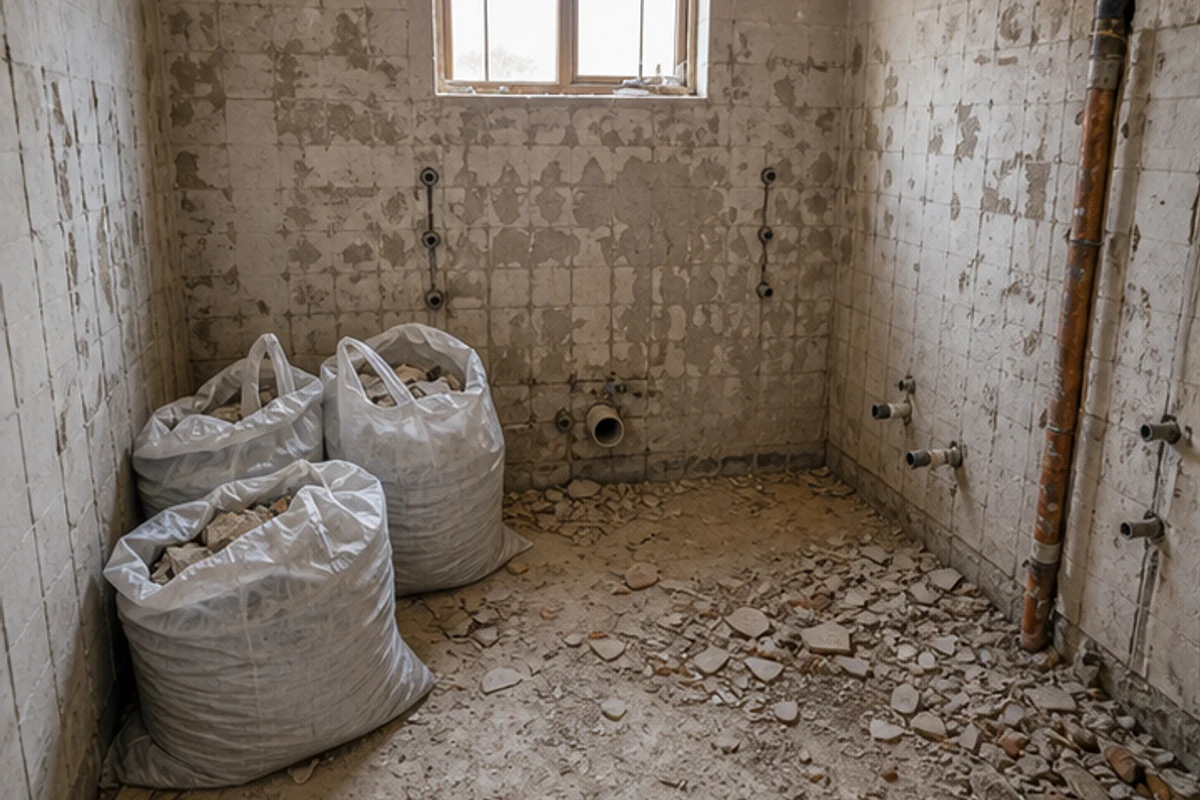
Typical bathroom renovation construction runs about 20–30 working days. Some specialists complete straightforward work in around 5 working days, with complex jobs up to eight.
From initial planning to final snagging, homeowners should budget between six weeks and three months — and weigh bathroom renovation costs. Key factors are custom design, structural changes, material delivery and contractor experience.
- The time needed depends on scope and the contractor’s experience.
- Quick turnovers suit small updates; full remodelling demands more weeks for quality, including bathroom waterproofing.
- Use our platform to compare timelines, request quotes and gather design ideas.
- Get expert advice on delivery, space planning and written timelines before work begins.
| Type of Project | Typical Days | When to choose |
|---|---|---|
| Quick update | 5–8 days | Minimal layout change, standard fittings |
| Standard remodel | 20–30 days | New finishes, modest layout changes |
| Complex build | Several weeks to months | Structural work, custom design, long lead items |
Tip: Confirm delivery dates and written timelines with each contractor to reduce surprises.
Pre-construction planning and contractor selection
Good pre-construction planning keeps projects on schedule and cuts the risk of costly delays. Start with clear decisions about design, scope and whether structural work affects your walls or space.
Project guidance and contractor assessment
Project guidance and contractor assessment
Use our Benoni platform to connect with vetted contractors for an on-site assessment — see our bathroom renovation in Lakefield for a real timeline. Expect a written bid within 5–7 business days after the visit so you can compare quotes.
Confirm experience for similar projects and check references. Ask about site access, labour schedules and who manages subcontractors during construction.
Managing approvals and material lead times
City permits and board approvals often cause the main delays; they can take several weeks or months. It’s wise to wait until you have closed on your property before finalising design work.
Source key materials early. Long lead times for items like tubs or custom fittings will stall the whole process if delivery slips.
| Action | Expected time | Why it matters |
|---|---|---|
| On-site contractor visit | 1 day | Clarifies scope and risks for an accurate bid |
| Written bid | 5–7 business days | Allows quote comparison and budget checks |
| Permits and approvals | Several weeks–months | Can delay start of work; confirm early |
| Material sourcing & delivery | Varies (weeks) | Critical for schedule; get lead times in writing |
- Proper pre-construction planning is a vital step to prevent delays and budget drift.
- Compare up to three quotes via our platform to choose the right contractor for your project scope.
- Confirm all material lead times and approvals in writing before construction begins.
The demolition and structural preparation phase
Start here: demolition is where your project moves from plan to site work. In Benoni, a well-run strip-out often takes around four hours for a small room, but expect more if the scope grows.
Protect the home and confirm access. Cover floors and neighbouring rooms, and agree delivery and waste removal points with your contractor. Clear site access speeds delivery of materials and keeps the job on schedule.
Handling structural changes and site access
Stripping back to the studs prepares walls and floors for new plumbing and electrical work. If beams or lintels are needed to support new walls or windows, allow an extra day or two for that work and inspections.
Watch for hidden hazards. If asbestos is found in wall linings, professional removal is mandatory before any further construction. That will add to the project time but keeps your household safe.
Waterproofing is another key step. Proper membranes need at least 24 hours to dry, so this stage normally spans two days when combined with surface preparation and tile priming.
- Demolition: strip to studs; check pipes and wiring.
- Structural work: beams or wall moves may add days.
- Site access: confirm delivery and skip-waste plans in writing.
- Waterproofing & prep: allow drying time before tiles and fixtures.
| Task | Typical days or hours | Why it matters |
|---|---|---|
| Strip-out (small room) | About 4 hours | Clears space for plumbing and electrical work |
| Install structural beam | 1–2 days | Supports new walls or openings safely |
| Asbestos removal | Varies (specialist) | Legal and health requirement; halts other work until cleared |
| Waterproofing & surface prep | 2 days (includes 24-hour cure) | Ensures tiles and fixtures bond and stay watertight |
Essential plumbing and electrical installation stages
Rough-in plumbing and wiring set the technical backbone for every successful bathroom project in Benoni. Trades usually complete rough plumbing and main electrical runs before surfaces go on.

Type 1 builders often finish rough plumbing and wiring in 1–2 days. Type 2 teams commonly need 3–4 days. Plan this time into your schedule and confirm delivery windows for fixtures.
Sign-offs and inspections matter. A master plumber must certify water lines. Gas lines need a city inspection. Electrical work is often checked once the project is complete to verify panels, junction boxes and outlets.
- The installation stage establishes service lines and floor or wall routes that stay hidden once tiling begins.
- Moving plumbing or gas lines calls for an architect and extra permits, which affect overall time and cost.
- Plan inspections early and get approvals in writing to avoid re-opening walls later.
- Use our platform to request quotes from contractors experienced in plumbing electrical requirements for your home.
Tiling, finishing, and quality assurance
This phase transforms raw surfaces into the finished space you’ll use every day. It brings together tiling, waterproofing and final installation so your home is safe and tidy.
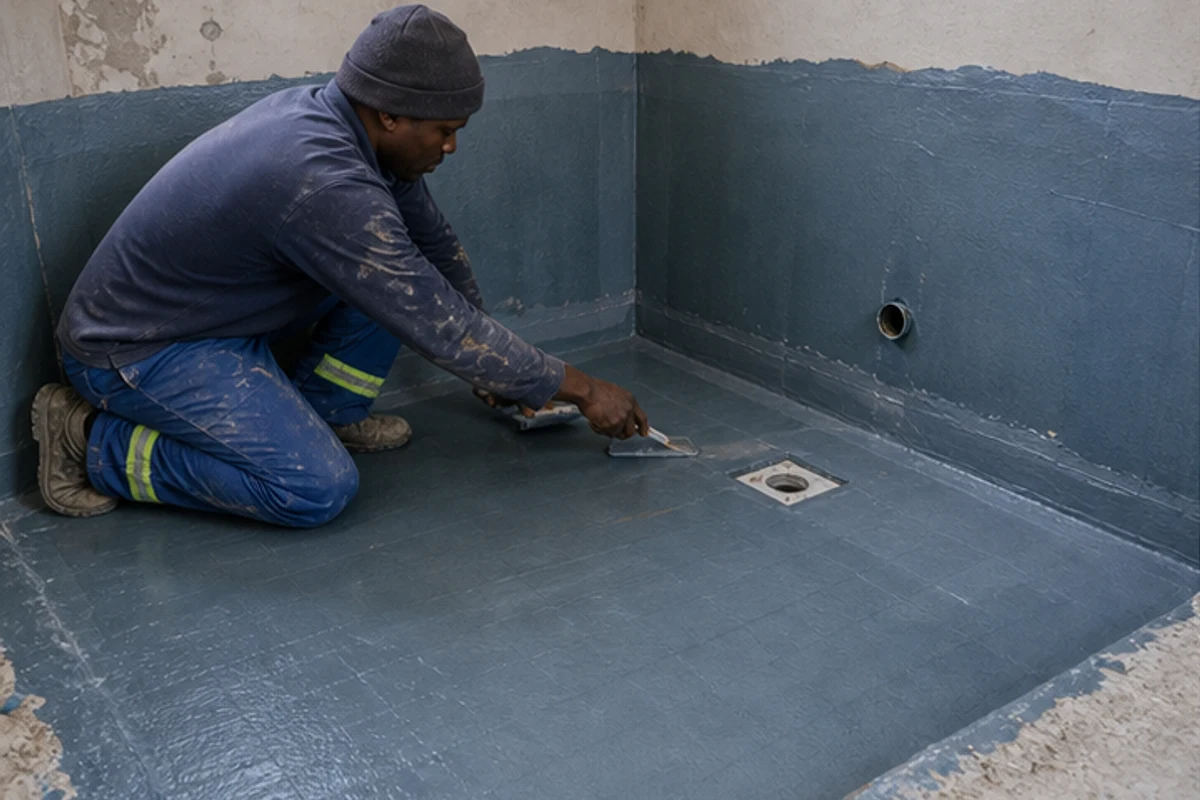
Surface preparation and waterproofing
Surfaces must be clean, flat and primed before any tiles go down. Skilled contractors apply 2–3 coats of membrane and leave at least 24 hours to dry. Proper sealing protects walls and floor lines from leaks and future damage.
Tiling and grout cure times
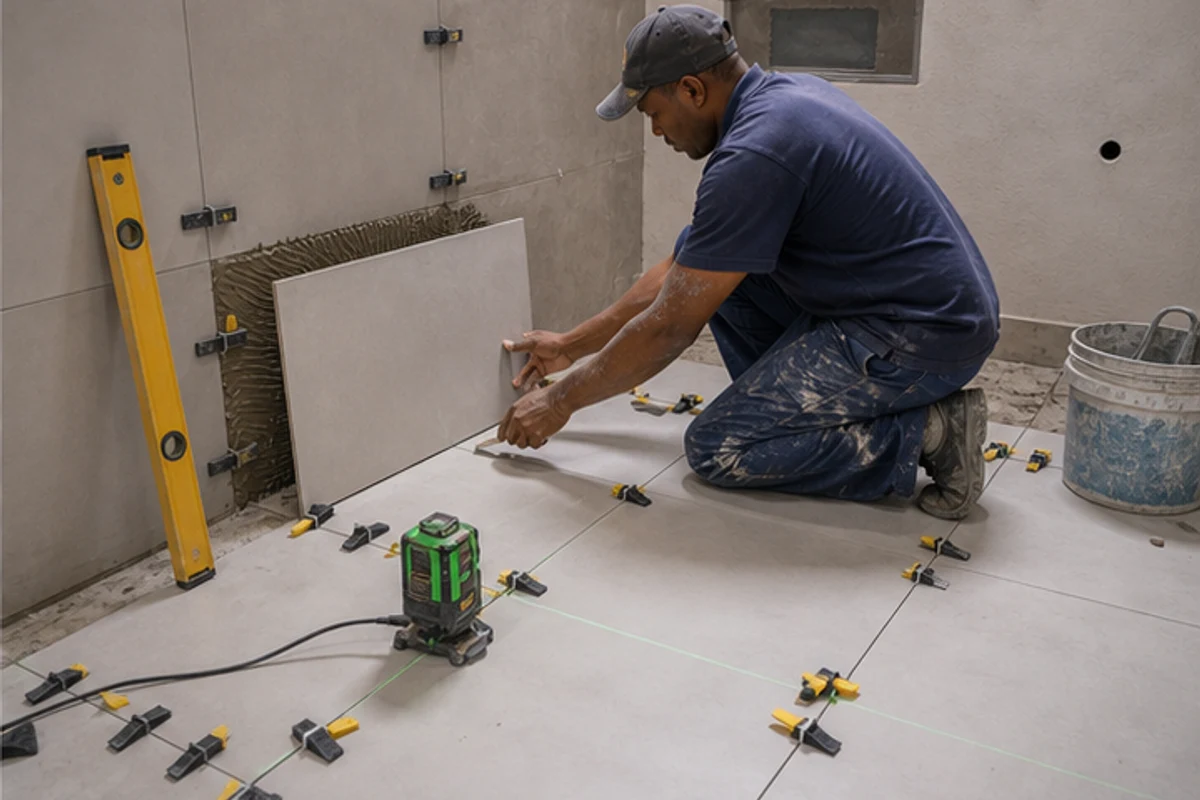
Tiling work typically takes 5–7 days depending on design complexity and room size. Allow grout to cure fully; rushing this step risks weak joints and stains. Plan for this time in your project schedule to avoid delays.
Installing fixtures and finishes
Once tiles cure, installers fit shower screens, mirrors, shelving and plumbing fixtures. The final walk-through should test drawers, doors and grout lines. Ask for a written punch list and expect a follow-up visit about one week after completion for any minor touches.
- Tiling and prep define the look and durability of the job.
- Quality assurance means thorough checks before final payment.
- Waterproofing and grout cure are compulsory; do not compress these steps.
Use buildingcontractorsinbenoni.co.za to compare contractor quotes and confirm delivery windows, warranties and written completion checks.
Finalising your project through our platform
Secure final sign-offs and warranties by comparing professional quotes before you pay.
Use buildingcontractorsinbenoni.co.za to request up to three quotes (or up to five where available) and compare scope, timeline and materials. That lets you choose local experts who match your space, design and budget.
Final checks matter. Only release the final payment once every item on your punch list is complete and delivery of fixtures and seals meets your quality standard.
Our platform offers practical advice, ongoing support and direct access to vetted contractors so your project finishes on time and with fewer delays. Visit buildingcontractorsinbenoni.co.za to request quotes and start the last step of your renovation with confidence.
FAQ
How soon can I get three local quotes in Benoni?
Most homeowners receive up to three quotes within 3–7 working days after submitting details. Response time depends on contractor availability, site-access windows and the clarity of your brief. Request clearer photos and floor plans to speed up accurate quotes.
What determines the project’s overall timeline from strip‑out to handover?
Timeline depends on scope, structural changes, plumbing and electrical work, waterproofing, tiles and fixture delivery. Minor refurbishments may finish in 5–8 working days. Medium projects with new layout or rewiring typically run 2–4 weeks. Full remodelling, including structural work or council approvals, can take 6–10 weeks.
How long does strip‑out and demolition usually take?
Demolition for a standard bathroom normally takes 1–2 days. Removing fixtures, tiles and non‑loadbearing partitions is quick. If there are asbestos, structural steel or major waterproofing to remove, expect extra days and specialist contractors.
When are council approvals and plumbers’ or electricians’ inspections needed?
Approvals are required for structural changes, drainage re‑routing and some electrical alterations. Allow 1–4 weeks for council processes depending on the scope. Certified plumbers and electricians must inspect and sign off on rough‑in stages before walls are closed.
How long does waterproofing and tiling add to the schedule?
Proper waterproofing usually takes 1–2 days to apply and needs 24–48 hours to cure depending on the product. Tiling an average bathroom floor and walls often takes 2–4 days, then grout needs 24–72 hours to fully cure before sealing and heavy use.
What about plumbing and electrical rough‑in and final connections?
Rough‑in plumbing and wiring commonly require 1–3 days, including pressure tests and inspections. Final connections and commissioning of appliances or heated towel rails add 1–2 days near the end of the project.
How do material lead times affect the schedule?
Long lead items—vanities, bespoke showers, frameless screens and imported tiles—can delay the job by 2–6 weeks. Confirm stock status and delivery times with suppliers up front and include delivery windows in written quotes.
Can I stay in the house during works and how does site access affect timing?
You can usually stay in the house, but expect noise, dust and temporary water or power interruptions. Restricted site access, tight driveways in Benoni suburbs or protected gardens can slow trades and add time. Discuss access and safe material storage with contractors before start.
What causes common delays and how can I reduce them?
Delays come from missing approvals, late materials, design changes, unresolved structural issues and unforeseen plumbing problems. Reduce risk by finalising designs, ordering long‑lead items early, confirming approvals, and booking trusted trades with a clear programme.
When is grout and sealant safe for full use of the bathroom?
Grout generally reaches safe use in 24–72 hours, depending on product and ventilation. Silicone sealants cure within 24 hours to touch but need 48–72 hours for full bond. Follow manufacturer guidance and wait before heavy use of showers or baths.
Should I get guarantees and final paperwork from contractors?
Yes. Ask for a written scope, payment schedule, workmanship warranty, and certificates for electrical and plumbing work. Confirm who handles building control sign‑offs and keep delivery dockets for warranties on fixtures and appliances.
How much extra time should I allow for unexpected structural or plumbing issues?
Add a contingency of 10–20% of the planned schedule. For older homes or properties with hidden pipework, budget an extra 3–7 days to inspect, repair or replace framing, spoil rot or corroded drains.
Can tiling patterns or large format tiles change the timeline?
Yes. Complex patterns, mosaic offcuts or large format tiles require more time for layout, cutting and levelling. Allow an extra 1–3 days for precision work and additional tile adhesive setting time.
How do I confirm a realistic timeline with a contractor?
Ask for a written programme showing start date, milestones (strip‑out, rough‑in, waterproofing, tiling, fit‑off), material delivery dates and handover. Confirm inspection dates, contingency allowance and who is responsible for hidden defect claims.
What local suburbs around Benoni do contractors commonly serve?
Contractors on our platform commonly serve Benoni central, Rynfield, Farrarmere, Northmead, Lakefield, Brakpan and surrounding East Rand suburbs. Check each contractor’s service area before arranging a site visit.
Related building cost guides
Ready to compare?