

Signs of Poor Building Workmanship
The defect signals in brickwork, plaster, tiling, roofing and paint that predict bigger trouble
In short
Spot poor building workmanship early – the defect signs in brickwork, plaster, tiling, roofing and paint that predict bigger trouble.
11 min read
On this page
Have you ever wondered how to spot trouble before a final handover? The first step is recognising the signs of poor building workmanship early so you can protect your home and your wallet.
Benoni homeowners face real risks: recent data shows 93.7% of new-build buyers report defects soon after moving in. That makes it vital to check quality, note cracks and confirm standards during construction and at handover.
Use buildingcontractorsinbenoni.co.za to compare quotes and pick a qualified contractor. Our quote request process lets you request up to three building quotes, or up to five where available, so you can weigh materials, labour and timelines without pressure.
Acting early saves time and stress. Learn what to confirm in writing and what to flag in inspections so your house stays sound and your investment holds value.
Understanding the Signs of Poor Building Workmanship
In Benoni, construction often runs against tight schedules and shifting material supply. That pressure can show up as visible issues in your home if you do not monitor the site.
What counts as poor workmanship? It means work that fails to meet local standards or accepted trade practice. This includes trades that skip checks, use wrong materials, or rush finishes.
Homeowners struggle to tell normal settlement cracks from structural faults — our guide to foundation crack types helps. Learn to spot small cracks that warrant a professional inspection and those that need only cosmetic attention.
- Rushed projects increase the risk of persistent problems and poor quality finishes.
- Early detection saves time and money — minor defects can escalate fast.
- Consistent monitoring — and choosing from vetted contractors — keeps your builder to the agreed standards.
Use clear records and photographed notes during site visits. That helps you flag defects and arrange pre-sale home repairs with contractors before issues become permanent.
Visual Indicators of Substandard Finishes
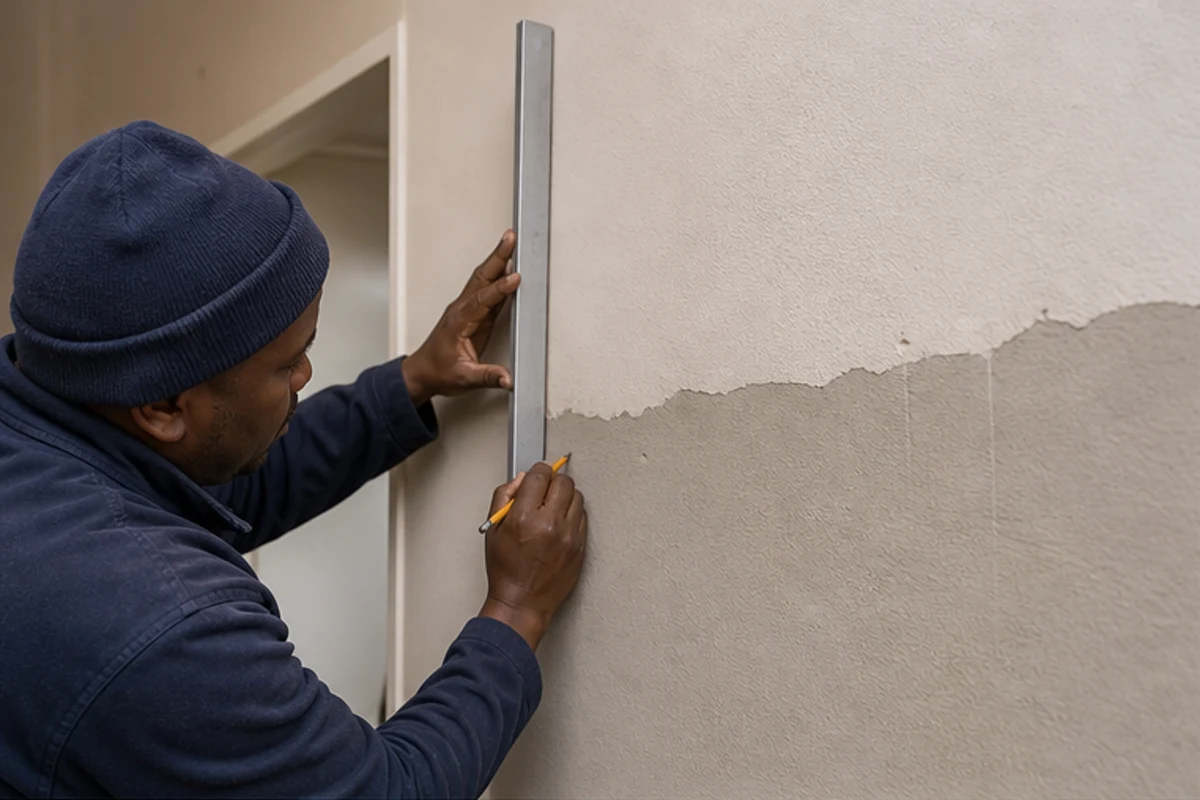
Visible defects often tell a clear story about how carefully trades completed their work. Walk each room and inspect finishes closely. Note any uneven surfaces, gaps or damp patches that could signal issues in materials or attention.
Plastering and Paint Lines
Trowel marks and ridges on walls show a rushed plastering process where sanding was skipped. Uneven paint lines and roller tracks also point to low finish quality.
“Uneven walls hide faults that can lead to moisture and repainting costs later.”
Check corners and junctions — fresh paint can hide poor joint tape or fine cracks. Those small defects often let moisture start and spread behind surfaces.
Joinery and Tiling Precision
Doors and windows should sit square with even gaps. Poorly fitted joinery lets water and draughts in and may fall under your building warranty and defects liability.
When examining floors and tiles, tap across surfaces. A hollow sound usually means adhesive was missed and a tile may fail.
- Ensure fixtures align and operate smoothly; misalignment suggests rushed work.
- Inspect grout and edges for gaps that allow water intrusion under tiles.
- Confirm surfaces are level and smooth to maintain structural standards and safety.
Identifying Structural Signals Versus Cosmetic Flaws

Not every crack means danger, but some patterns demand immediate attention from your builder. Start with simple checks around corners, windows and doors to decide what needs action now and what can wait.
The Two Millimetre Threshold
If you can fit a two‑euro coin into a gap, it is no longer minor.
Use the 2mm rule as a quick gauge. Cracks wider than this in brickwork or walls point to movement rather than normal settlement.
Diagonal cracks at window or door corners often indicate foundation movement. These require a professional inspection and prompt repair to avoid bigger issues later.
A door hung out of square from day one shows clear signs poor workmanship in installation. That fault will not settle out with time and should be corrected by the builder.
- Monitor cracks and gaps over weeks to spot rapid change.
- Photograph defects and note dates to build a record for warranty claims.
- Record alignment issues with windows and doors; these are common problems after poor framing.
Documenting structural signals helps you hold a contractor to account. Keep copies of reports and ask for written repair plans if defects go beyond normal house shrinkage.
Trade-by-Trade Defects Checklist

Check each trade in turn to find issues that can cause long-term damage and extra repairs. A quick, consistent review helps you spot faults early and keep the project to local standards.
Plumbing and Drainage Integrity
Test all basins and sinks by filling them to the brim to confirm waste pipes have the correct fall. Slow-draining basins often mean debris or incorrect gradient in the waste run.
Look for weeping joints under sinks and behind panelling. These small leaks let water reach timber and finishes and can hide mould or rot.
Electrical and Insulation Standards
Open the consumer unit and check labelling and isolation. An unlabelled or overloaded board is a clear safety hazard and a common sign of poor quality installation.
Insulation must sit flush with rafters and walls. Gaps near fittings or around windows reduce thermal performance and let moisture condense in cavities.
Roofing and Flashings
Inspect flashings at valleys, chimneys and window heads. Poorly dressed flashings allow water entry and cause long-term structural defects.
Check tiles and sheets for secure fixings and even laps. Missing fasteners, loose ridge cappings or uneven surfaces point to rushed work and will need prompt repairs.
“Plumbing, electrics and roof details are small to spot but big if ignored.”
- Confirm materials match the spec on contracts and approvals.
- Inspect floors, tiles and fixtures for gaps or uneven surfaces; these indicate rushed finishing.
- Photograph defects and note dates to support warranty claims with your builder.
Mid-Build Inspection Guidance for Benoni Homeowners
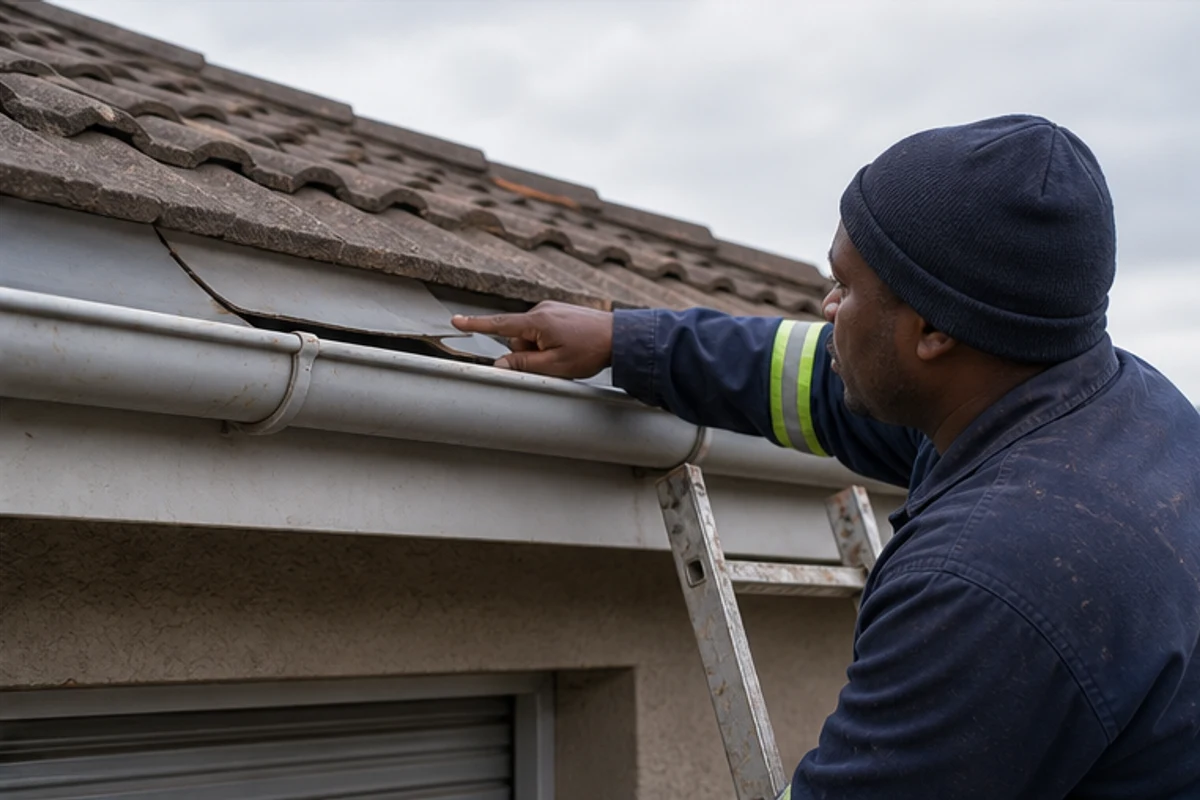
Spotting issues while walls are open gives you the best chance to fix them quickly. A new home can present 80 to 150+ defects. A mid‑build inspection helps you find problems before plaster and paint hide them.
Plan a short site visit with your contractor at roof, roof space and first‑fix stages. Take photos and a simple checklist. This saves time at handover and reduces stress for you.
“Catching cracks and alignment faults during construction avoids costly rework later.”
Experienced contractors accept regular checks as part of quality construction. Use the inspection to confirm materials, falls on waste runs and window alignment.
- Communicate clearly: share dated photos and ask for written repair steps.
- Prioritise: fix structural movement and waterproofing before finishes.
- Record: note items found so final snagging is smaller and faster.
| Stage | Focus | Benefit | Typical issues found |
|---|---|---|---|
| First fix | Services, framing | Easy access to concealed work | Incorrect runs, loose fixings |
| Roof & insulation | Flashings, insulation sit | Prevents leaks and heat loss | Gaps, missing fasteners |
| Pre‑plaster | Wall alignment | Makes final finishes neater | Cracks, out‑of‑square frames |
Documenting Concerns for Snags and Warranties
Keep a clear, dated record from handover to the end of the defect period to protect your warranty.
The 12-month defect liability period is your main window to get a builder to fix issues as the house settles. Start by taking high-resolution photos of any cracks, water marks, gaps in doors or windows and paint or flooring flaws.
Write a short note with each image: date, location, and a one-line description. Send this to the contractor by email so you have a timestamped record.
- Review your contract to confirm the contractor’s repair obligations and the defect window.
- Record structural issues, moisture problems and faulty installation of windows, doors or fixtures clearly.
- Log failing systems and materials during year one to support repair claims.
Proper documentation protects your investment and makes it harder for contractors to call real defects cosmetic settlement. Keep copies of correspondence and quoted repair plans from the builder for a full paper trail.
Securing Quality Results Through Our Quote Request Process
A simple quote request can save weeks of rework and unexpected repairs on your new house.
Use buildingcontractorsinbenoni.co.za to connect with reliable, independent local contractors and compare up to three quotes, or up to five where available.
This lets Benoni homeowners check materials, timelines and installation plans so you avoid issues that cause defects and extra time on site.
We do not perform the work ourselves. Our platform helps you pick a contractor who meets local standards, reduces stress and gives peace of mind that your home and safety are prioritised.
Start your project today and confirm all materials, labour and guarantees in writing before work begins.
FAQ
What are the most common defect signals in brickwork, plaster, tiling, roofing and painting around Benoni?
You should look for hairline and wider cracks in brick mortar, uneven mortar joints, blown or hollow plaster, running or sagging paint, loose or lipped tiles, poorly dressed roof ridges and missing or improperly sealed flashings. Also check windows and doors for binding or uneven gaps, and skirtings that are not flush — these are quick visual clues that trades didn’t finish to acceptable standards.
How can I tell whether a finish problem is a cosmetic issue or a structural concern?
Small surface blemishes such as hairline plaster cracks or minor paint crazing are usually cosmetic. Wider cracks through multiple materials, differential settlement at corners, sagging rooflines, persistent damp or water ingress, and shifts that exceed 2 mm at movement joints point to structural risk. If in doubt, arrange a mid-build inspection or an engineer’s view before signing off.
What should I inspect for in plastering and paint lines?
Check for uniform plaster thickness, straight junctions where walls meet ceilings, crisp internal corners and no hollows when tapped lightly. Paint should show even coverage without runs, blistering or flaking. Uneven sheen or visible roller marks across large areas suggest poor preparation or rushed application.
What are key indicators that joinery and tiling were poorly installed?
For joinery, look for uneven reveal gaps around windows and doors, misaligned hinges, and drawers or doors that bind. For tiling, check grout joints for consistent width, level tile edges, correct fall in wet areas and secure adhesion — tiles that rock or have hollow sounds when tapped are red flags.
What is the “two millimetre threshold” and how should I apply it?
The two millimetre threshold is a practical rule when differentiating minor finish tolerances from defects. Gaps, misalignments or deviations greater than about 2 mm at visible joins, trim, or movement joints often require correction. Record these locations and request a contractor’s remediation or a professional assessment if exceedances are widespread.
Which plumbing and drainage problems commonly point to substandard installation?
Watch for poor falls in drain runs, exposed or unsupported piping, loose connections, persistent slow drainage, water staining under fittings and inadequate sealing at junctions. Leaks at soldered joints, poorly installed traps or improperly vented systems can cause long‑term damage if left unrepaired.
What electrical and insulation standards should I verify during or after a build?
Ensure socket and switch positions are consistent with the plan, covers are flush, and circuits are labelled. Look for secure wiring in conduit, correct earthing and functioning RCDs. For insulation, check correct thickness, complete coverage in roof and external walls, and proper vapour barriers where required to prevent moisture and thermal bridging.
How can I spot roofing and flashing defects before they cause leaks?
Examine roof sheets or tiles for lifts, displaced fasteners, or cracked tiles. Flashings must be continuous, neatly dressed into chimneys, walls and gutters with adequate sealant. Look for blocked or poorly fixed gutters and downpipes, and any signs of previous patch repairs that may indicate recurring problems.
When should I arrange a mid-build inspection in Benoni?
Book inspections at key stages: after foundations and drainage, prior to plastering, before roof covering is fixed, and before locking up for services and finishes. Mid-build checks enable you to catch deficiencies early and avoid costly rework later. You can request up to three quotes for inspection-related repairs from independent contractors via our platform.
What’s the best way to document concerns for snags and warranty claims?
Use clear photos, date-stamped notes, labelled location markers and concise descriptions of each defect. Record measurements where relevant (for example gap widths or crack lengths). Send this dossier to the contractor, request a written snag list response, and keep all communications and invoices for warranty follow-up.
How does the quote request process help secure better results?
Requesting multiple independent quotes lets you compare materials, labour breakdowns, lead times and guarantees. Confirm approvals, warranties, specified materials and exclusions in writing. Check contractor references and local suburban experience in Benoni, such as with roofs in Northmead or drainage in Rynfield, before accepting a quote.
What should I confirm in writing before any remedial or new work starts?
Insist on a detailed scope, materials list, start and completion dates, payment schedule, guarantee period and who handles council approvals. Confirm access arrangements, site protection, and waste removal. A clear written brief reduces misunderstandings and helps enforce workmanship standards.
Who should I contact if I suspect major structural defects or safety issues?
For potential structural failure, persistent movement or safety risks, engage a registered structural engineer immediately. For electrical or gas safety concerns, use a qualified electrician or gas practitioner with the correct SACPCMP or relevant registration. For local contractor referrals and up to three quote options, use our platform to find independent trades in Benoni.
Ready to compare?