
Flatpack vs Custom Cupboards
Build quality, sizing, hardware, installation and lifetime cost compared for kitchens and bedrooms
Quick verdict
Flatpack or custom cupboards? Build quality, sizing, hardware, installation and lifetime cost compared for SA kitchens and bedrooms.
11 min read
On this page
Curious which option will give your Benoni kitchen the best value and lasting finish? You face a real choice when planning a major kitchen renovation, and the decision affects your daily life and the long-term value of your home.
On our platform you can weigh flatpack vs custom cupboards, comparing design, labour and the hardware that keeps doors and drawers working for years. The average kitchen renovation cost sits around R180,000 excluding appliances, so small choices add up fast.
Professional installation often dictates the final look and function. Good installers in Benoni can save time and avoid costly rework, while poor fitting can shorten component lifetime.
We help you weigh build quality, accurate sizing and the long-term cost of ownership so you can request relevant local quotes. This guide focuses on practical factors for Benoni homeowners and landlords who want clear, realistic advice before they commit.
Understanding the Flatpack vs Custom Cupboards Debate
Choosing the right cabinets in Benoni starts with a clear look at what you need from a kitchen. Balance the price you can afford against the timeline, sizes and the final look you want — our kitchen renovation costs guide sets the ranges. The average kitchen cost is about R180,000, so small savings matter.

Defining Flatpack Flexibility
Flatpack systems give you a wide range of standard sizes and modules off the shelf. They shorten planning time and often suit a home valued at under R2 million — many owners choose a flatpack option for this reason.
This choice suits DIY installers or busy homeowners who want a quicker kitchen renovation without bespoke design work.
The Custom Cabinet Advantage
Custom cabinets let you tailor the design to odd corners, appliances and storage needs. They cost more and take longer, but they maximise function and the look of your space.
- Quick option: standard sizes save time and reduce price.
- Bespoke route: delivers a better fit and long-term value when layout is complex.
Evaluating Quality and Material Standards
The right materials, fittings and workmanship determine the true value of your kitchen. Start by checking carcass board, door material and hinge quality. These items set how well cabinets perform in a busy home.

Skilled cabinet makers use plywood or solid-core boards rather than low-grade particle board. That choice improves durability and resists moisture in a Benoni kitchen.
Custom cabinets allow precise sizing for awkward corners and unusual room layouts. If your kitchen has odd dimensions, bespoke work gives a better fit and stronger finish.
Finishes and hardware — including your granite or Caesarstone countertop — shape the final look and how the room wears. Pick a scratch‑resistant finish and soft‑close runners to protect doors and drawers over time.
Standard sizes and ready-made modules speed design and reduce cost. They suit many kitchens, but confirm measurements on site before ordering.
- Check material specs and warranty.
- Ask about moisture protection for coastal or humid areas.
- Confirm hinges, drawer runners and handles meet your style and use level.
Evaluate materials, finishes and hardware carefully—this step saves money and hassle during installation and over the cabinet lifetime.
The Impact of Installation Skills on Property Value
Correctly fitted kitchen cabinetry protects your investment and keeps rooms working well. Installation quality in Benoni affects how buyers perceive your home and how long a renovation lasts. Simple mistakes show up as gaps, uneven doors or doors that don’t close smoothly.
Good installers make sure cabinets are plumb and level. That protects the finish and the resale value. Poor fitment can raise repair costs and reduce the appeal of your kitchens to future buyers.
Common Installation Pitfalls
Watch for these frequent faults during assembly and site work:
- Uneven runs that create gaps and reduce usable space.
- Incorrect fixing that strains hinges and drawer runners over time.
- DIY attempts without carpentry skills leading to rework and extra costs.
- Poor alignment of appliances and work surfaces that harms function.
Invest in experienced installers and ask for references. Many suppliers include fitting with custom cabinets; that reduces risk on complex layouts. Verify the installer’s local experience and confirm costs and timelines in writing to protect your value.
Comparing Lifetime Costs and Maintenance
How long your kitchen pays back depends on build quality and ongoing care. Consider both the initial price and the recurring costs you will face over years of use. Small choices at purchase change repair bills later.
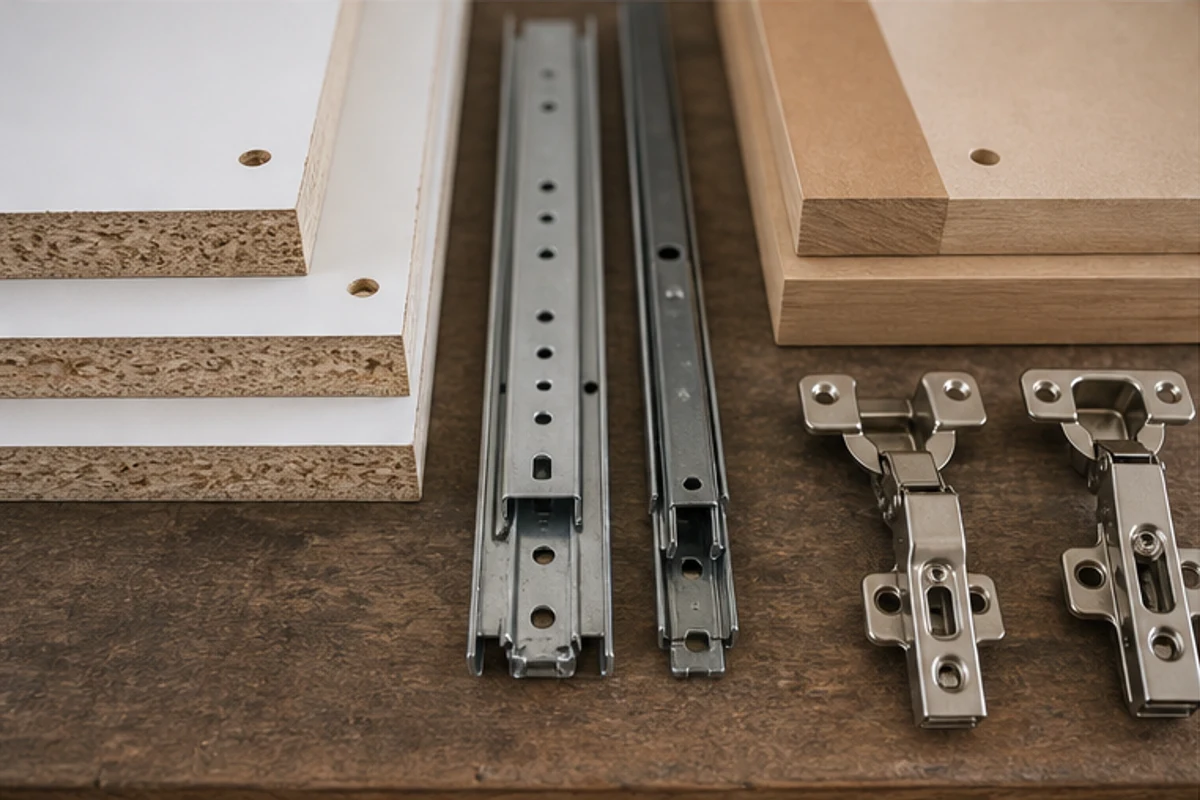
Carcass and module durability
Carcass and Module Durability
Choose carcass materials that resist moisture and everyday wear. Plywood or solid-core panels last longer than lower‑grade board and reduce replacement risk.
Good assembly and proper site installation keep runs level and prevent strain on hinges and runners. That lowers future maintenance costs.
Hardware and Finish Longevity
Invest in robust hardware. Soft‑close hinges and quality runners prevent noise and reduce part failure. Check warranties and replacement costs before you buy.
“Regular checks on hinges and runners pay off — they keep doors operating smoothly and avoid surprise repairs.”
Hybrid Construction Realities
Hybrid options that pair factory modules with higher‑grade doors can balance budget and finish. Professional fitters can attach doors to improve the overall look and alignment.
Assembly quality affects how much you spend later. Poor on‑site work increases repair and adjustment bills for any cabinetry choice.
- Lifetime costs link to materials and hardware quality.
- Maintenance needs are lower with better assembly and finishes.
- Hybrid option offers mid‑range price with higher‑end finishes.
| Factor | Low‑end | Mid‑range (Hybrid) | High‑end |
|---|---|---|---|
| Expected lifespan | 5–10 years | 10–20 years | 20+ years |
| Typical maintenance | Frequent hinge and surface repairs | Occasional hardware checks | Annual servicing, minimal repairs |
| Relative lifetime cost | High due to replacements | Moderate | Lower long‑term cost |
Plan your budget with a clear view of materials, hardware and installation skills. Your platform helps you compare local options and request quotes that reflect real costs and finishes.
Connecting with Professionals via buildingcontractorsinbenoni.co.za
Find trusted Benoni contractors quickly using buildingcontractorsinbenoni.co.za. Our platform helps you start your kitchen project with clear cost guidance and realistic timelines.
Quick, local and practical. Use the site to request up to three building quotes, or up to five where available. Independent contractors handle site visits, final quotes and the actual work.
Compare design options, labour estimates and contractor profiles side by side. This makes it easier to check materials, approvals and local access before you commit.
- Receive multiple quote options to compare cost and schedule.
- Connect with professionals who know Benoni building requirements.
- Manage your project time and timeline with clearer expectations.
| Service | What you get | Why it helps |
|---|---|---|
| Quote requests | Up to 3 (or up to 5 where available) | Compare prices and scopes before site visits |
| Contractor matching | Local trades with licences and reviews | Faster approvals and accurate on‑site advice |
| Project guidance | Checklist for materials, permits and timeline | Reduces delays and surprise costs |
Visit buildingcontractorsinbenoni.co.za to start your journey. Our goal is to provide resources and independent options so you can decide on your kitchen renovation without sales pressure.
Making the Right Choice for Your Home Renovation
Deciding on the right cabinetry for your Benoni home means matching quality with a realistic budget and installation plan.

Think about the look, the finishes and how much storage space you need. Balance upfront cost against long‑term value and maintenance.
Use buildingcontractorsinbenoni.co.za to request quotes that compare cabinets, design and hardware. Ask contractors to include soft‑close hardware to improve function and finish.
Whether you pick ready modules or opt for custom cabinets, check the pros and cons for your layout and lifestyle. Confirm timelines, warranties and final costs in writing.
Contact the platform today to receive up to 3 quotes, or up to 5 where available, from trusted local contractors and make a confident renovation decision.
FAQ
What are the main differences between flatpack and custom cupboards in Benoni?
Flatpack units are factory-made, packed for self-assembly and use standard sizes and fittings. Custom cupboards are built to measure on site or in a workshop, so they fit awkward spaces and match design choices. Flatpack costs less upfront but limits finishes and sizing. Bespoke work costs more but gives a better fit, more durable joinery and a wider choice of materials, hardware and finishes.
How does build quality compare between ready-to-assemble units and made-to-measure cabinets?
Ready-to-assemble carcasses often use particleboard or melamine with cam locks and edge banding; they perform well if installed correctly but can sag at joins over time. Made-to-measure joinery typically uses thicker panels, solid carcass construction and stronger fixings. Quality depends on materials, glue and assembly methods rather than label alone, so check samples and warranties.
Will I save money choosing a flatpack option for a kitchen renovation?
Initial material and product costs are usually lower with flatpack units. Labour can be reduced if you assemble yourself or use a handyman. But factor in costs for site modifications, cutting panels, custom filler pieces, and potential replacement sooner. For non-standard kitchens, bespoke options can be better long-term value.
How important are installation skills when fitting cupboards and cabinets?
Installation is critical. Poorly installed units create gaps, doors that don’t align, weak fixings and moisture issues. Experienced installers ensure plumb walls are compensated for, correct scribe and filler pieces are used, and hardware is fitted for longevity. For kitchens, professional installation protects your investment and property value.
What common installation pitfalls should Benoni homeowners watch for?
Typical issues include not checking wall squareness, incorrect carcass levelling, inadequate support for heavy countertops, improper seal at splashbacks, and using inappropriate screws or plugs for masonry. Also watch for poor drawer runners or soft-close adjustments and skimping on moisture protection near sinks.
How do standard sizes affect my layout and storage with ready-made units?
Standard widths, heights and depths simplify planning and reduce cost, but they can leave awkward gaps in odd-shaped rooms. You may need fillers, offcuts or adaptors to achieve a tidy finish. Custom cabinets remove this constraint, allowing full use of space — under stairs, around chimney breasts or irregular alcoves.
What materials deliver the best lifetime performance for kitchen joinery?
Durable options include moisture-resistant plywood or MDF for carcasses with solid timber or veneered fronts. High-pressure laminates and painted lacquer finishes also last well when properly applied. Avoid exposed particleboard in high-moisture zones unless well sealed. Match the material to the room’s use and budget.
How do hardware choices affect longevity and daily use?
Heavy-duty drawer runners, soft-close hinges and solid handles improve function and lifespan. Cheaper hardware can fail quickly and is often harder to replace without remaking the door. Choose reputable hardware brands and confirm warranty and local support.
What is hybrid construction and when is it a good option?
Hybrid construction mixes flatpack carcasses with custom-made doors and panels or vice versa. It offers cost savings while improving the look and fit. This is useful where standard boxes work but you want bespoke aesthetics or where a local carpenter can make only the visible fronts.
How do maintenance and repair costs compare over the lifetime of each option?
Flatpack units may need earlier repairs or replacement of damaged panels and edging, increasing lifetime cost. Bespoke cupboards can be repaired or modified more easily because they’re built accessibly and with replaceable components. Regular maintenance of hinges, seals and finishes reduces long-term expense for either choice.
Can I get multiple quotes through buildingcontractorsinbenoni.co.za for both flatpack and made-to-measure work?
Yes. The platform helps Benoni property owners request up to three quotes, or up to five where available, from independent contractors. Contractors handle site visits, final pricing, timelines and warranties. Always confirm installation scope, materials, brands and written guarantees before you sign.
What should I confirm in writing with a contractor or supplier?
Confirm the scope of work, material specifications, brands of hinges and runners, lead times, installation fees, disposal of old units, timeline with milestones, payment schedule and warranty terms. Also check access conditions for delivery, parking, and any local municipal approvals if altering plumbing or electrical.
How long does a typical kitchen installation take for each option?
A straightforward flatpack kitchen can be installed in a few days to a week, including worktops. A fully bespoke kitchen usually takes longer: measuring, manufacture and installation combined may span 4–8 weeks or more depending on complexity and lead times. Allow extra time for site adjustments.
Which option adds more to a home’s resale value in Benoni?
Quality bespoke kitchens generally add more perceived value because of the fit, finish and durability. However, a well-executed, modern flatpack kitchen with reputable finishes and professional installation can also improve appeal. Buyers focus on look, storage and condition rather than terminology.
Are there local suppliers and installers in suburbs like Rynfield, Farrarmere and Lakeside that specialise in these options?
Yes. Benoni and surrounding suburbs have local cabinetmakers, kitchen fitters and suppliers for both ready-assembled systems and bespoke joinery. Use the platform to request quotes, check past project photos, ask for references and confirm contractor registration and public liability cover.
Related building cost guides
Ready to compare?