

Estimate vs Quote: What's the Difference?
What each commits a builder to, when each is appropriate, and how to firm an estimate into a quote
In short
An estimate is not a quote – what each commits a builder to, when each is appropriate, and how to firm an estimate into a real quote.
13 min read
On this page
Do you know which document will lock in the price for your Benoni project, and when a flexible estimate is better than a fixed price quote?
The estimate vs quote difference is simple: an estimate is an educated guess about a project’s price; it guides budgeting but does not bind a contractor to a fixed sum.
A quote gives the exact price for the job and acts as a formal contract when accepted. This clarity affects cost planning, contract terms and the time the work may take.
Through buildingcontractorsinbenoni.co.za our platform explains how contractors use these documents so you can compare scope, materials, access needs and approvals before you ask for a price.
Use our quote request process to connect with local contractors and get clear estimates or fixed price quotes for one job or larger construction projects.
Key takeaways: Know whether you need an estimate for budgeting or a fixed price quote to lock costs. Confirm scope and contract terms in writing to avoid surprises during the work.
Defining the estimate vs quote difference

Clarity about pricing keeps projects on track and avoids disputes on site, and our Benoni building guides cover the whole journey. In Benoni construction work, you will usually see two documents early in planning: a rough ballpark number and a fixed price offer.
What constitutes a construction estimate
What contractors mean by a ballpark number
A construction estimate is an early-stage figure a contractor gives before all site details are known. It helps you budget and compare options but can change if the scope, materials or site conditions change.
Contractors often visit the site to inspect access, services and potential complications before giving a more accurate number. If work or approvals change, that initial figure is normally updated.
The nature of a fixed price quotation
How a fixed price quotation protects both parties
A fixed price quotation supplies a detailed breakdown of costs for materials, labour and any subcontract work — see what a quote includes and excludes. Once signed by both parties, it becomes a legally binding contract with defined terms and a timeline.
- Breakdown: materials, labour, site allowances and any exclusions.
- Conditions: change order process and what happens if site conditions differ.
- Clarity: written documents reduce disputes and protect customers and contractors.
| Document | When to use | Key features | Effect on project |
|---|---|---|---|
| Ballpark number | Early planning, budget setting | Flexible figure; no fixed terms | Guides decisions; may change |
| Fixed price offer | After site visit and scope defined | Detailed cost breakdown; signed terms | Locks price; forms a contract |
| Updated cost document | After change orders or new findings | Revised breakdown and timeline | Keeps project aligned with budget |
Understanding the legal status of construction documents
Knowing when a written offer becomes a contract is essential for every building project.
A signed quote creates a legally binding contract between the contractor and the client for the specified work. It should list the scope, price, payment schedule and the terms conditions that will govern the job; our cost figures are guidance, not a quotation — see our terms of use.
In contrast, a ballpark estimate is an approximation of cost. It helps with budgeting but does not bind either party to the final costs shown.
- Write down any changes to the scope so payment and final costs remain clear.
- Request terms in writing to avoid disputes about timing, warranties and approvals.
- Professional contractors in Benoni expect to supply formal documents for larger projects and complex work.
If a dispute reaches a legal forum, the presence of a signed, detailed document often decides the outcome. Clear paperwork protects your business, your property and the contractor’s responsibilities during construction.
| Document | Legal status | Key items to confirm | Effect on project |
|---|---|---|---|
| Signed quote | Legally binding | Scope, price, payment, timelines, terms | Locks price and obligations |
| Estimate | Not legally binding | Approximate cost, exclusions, assumptions | Guides budget; may change |
| Change document | Amends contract if signed | Revised scope, adjusted costs, new timelines | Keeps project aligned with actual work |
When to request an estimate versus a formal quotation
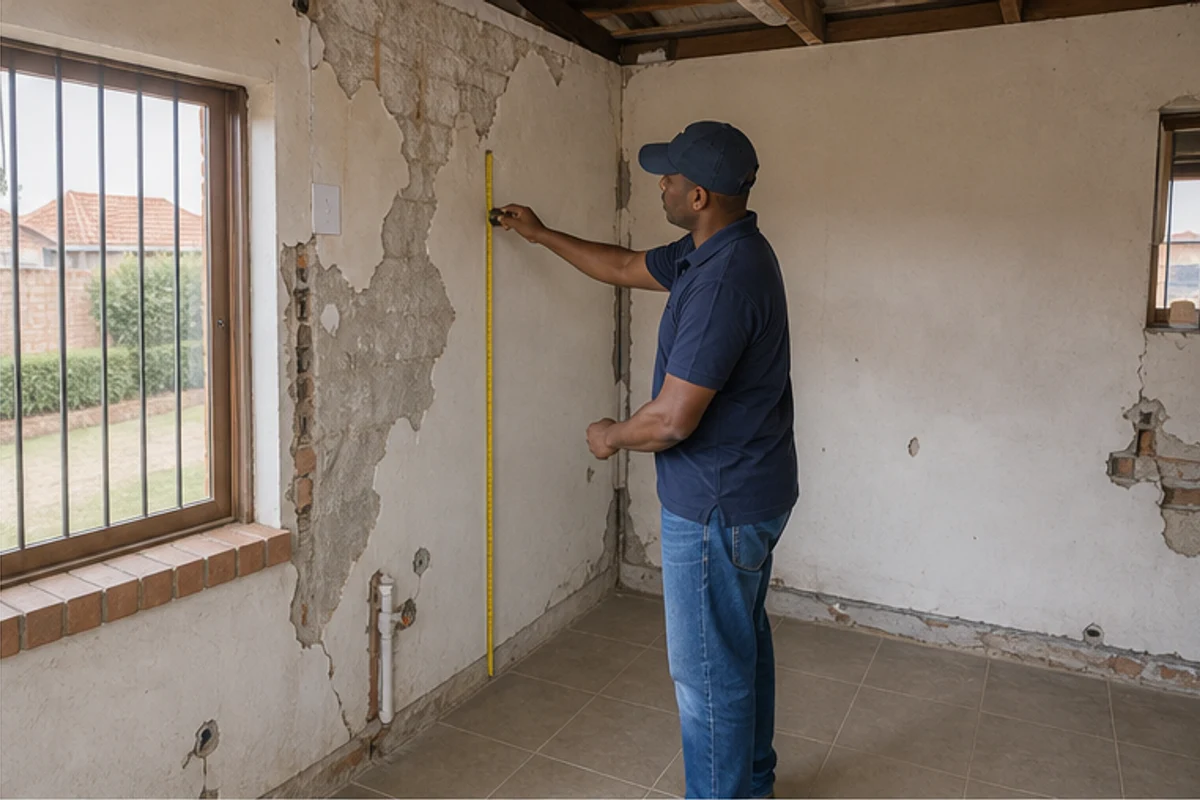
Begin by checking how much of the project you have defined before asking for any pricing document. If plans, materials and access are still flexible, ask for an initial estimate and check it against our building costs in Benoni to set a realistic budget.
When drawings, finishes and site constraints are fixed, request a formal quote. A contractor will usually perform a site visit first and then supply a detailed, legally binding document that covers price, timeline and terms.
Determining project complexity
For small repairs or simple jobs, an early estimate helps you budget quickly. For complex construction, extensions or projects requiring approvals, insist on a full quote — and read how many quotes to get — so materials, labour and change processes are clear.
- Use an initial estimate during early planning and feasibility checks.
- Request a formal quote after a thorough site visit and when the scope is locked.
- Confirm materials, timeline and contract terms in writing before work starts.
| Stage | When to ask | What you get | Action for client |
|---|---|---|---|
| Early planning | Scope flexible; concept stage | High-level estimate; budget guide | Refine scope; schedule site visit |
| Pre-contract | Plans and access confirmed | Detailed quote; fixed price and terms | Review contract, sign to lock price |
| After changes | New findings or scope change | Revised document; adjusted costs | Approve change order in writing |
Essential factors for accurate project pricing

Site access, clear drawings and realistic timelines shape a dependable construction price.
The importance of site access and plans
Good access and up-to-date plans let a contractor price work accurately. If vehicles, scaffolding or services are restricted, labour and time rise.
A site visit reduces surprises and improves clarity in the final document you receive.
Accounting for materials and labour
Material prices change quickly. For that reason, any fixed price should include an expiry—commonly 30 days—to protect client and business.
Labour must include the full burden: payroll taxes, insurance and on-costs. A clear breakdown avoids later disputes about payments.
Evaluating finishes and approvals
Finishes and municipal approvals add cost and time. Confirm what is included and what is excluded in writing.
“A well-prepared quote is the result of careful planning and attention to site realities.”
- Ask for a line-by-line breakdown of materials, labour and allowances.
- Check the expiry date on material pricing and confirm payment milestones.
- Ensure approvals are in place before work starts to avoid extra costs.
| Factor | What to check | Effect on price | Action for client |
|---|---|---|---|
| Site access | Vehicle entry, storage, scaffolding | Alters labour hours and equipment cost | Arrange clear access or note restrictions |
| Materials | Current market price; allowance | Variable; may need expiry date | Agree a pricing window (typically 30 days) |
| Labour & approvals | Burdened labour rate; permits | Raises total job cost and timeline | Confirm insurance, taxes and permit status |
Avoiding common red-flag phrasing in property contracts
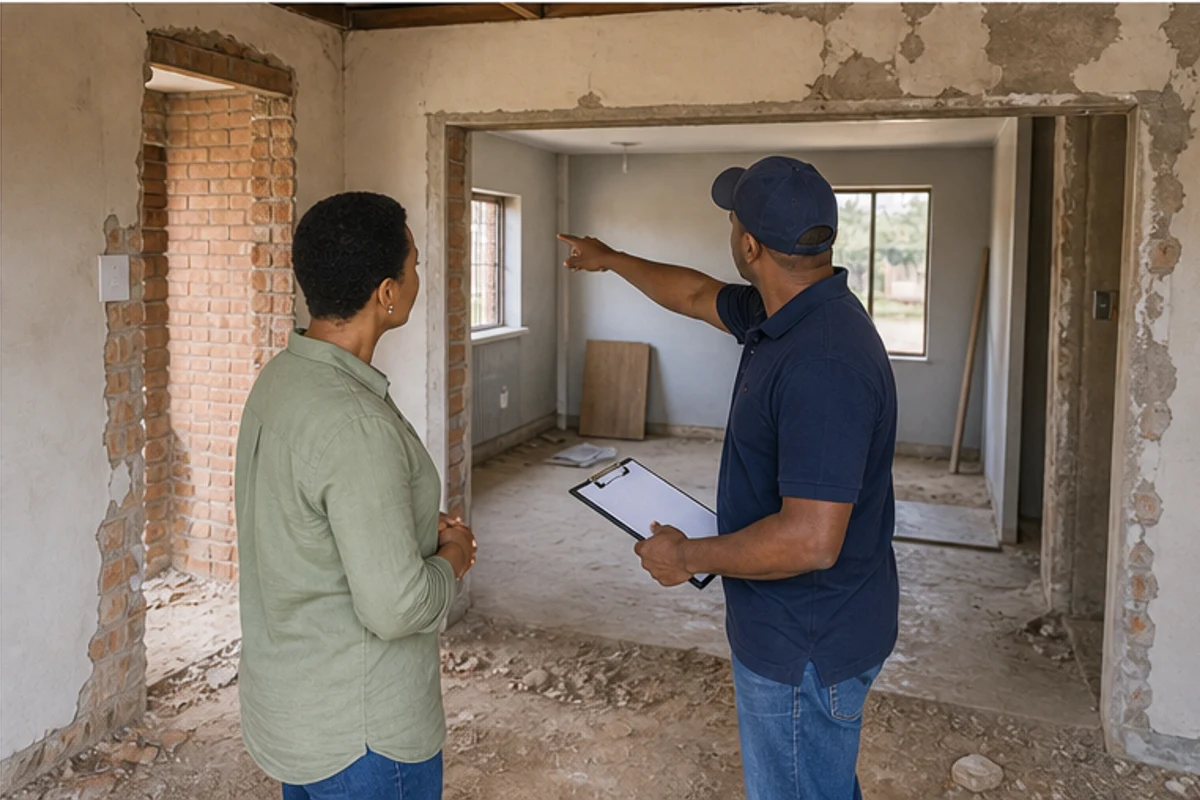
A simple missing clause on change orders can turn a small job into a costly project. Always check that the document sets out how changes are requested, priced and approved.
Never accept a verbal agreement. A signed contract in writing protects you. Make sure the terms conditions list the scope, exclusions and payment milestones.
“If the final price is described in vague terms, treat the document with caution — it may be an estimate disguised as a fixed price offer.”
Watch for unclear language about scope or exclusions. If a contract does not name excluded items, ask for a revised version that does.
- Insist on a formal change order process to control additional costs.
- Require written confirmation of any adjustments to price or timeline.
- Choose contractors in Benoni who supply clear documents and stated conditions.
| Red flag | Why it matters | Action for client |
|---|---|---|
| Vague final price wording | May hide variable costs or shift responsibility | Ask for a fixed sum or clear pricing method |
| No exclusions listed | Leaves scope open to interpretation | Request a line-item list of excluded work |
| No change order process | Leads to unexpected costs and delays | Require a written change order clause with costs |
| Verbal promises only | Not enforceable if disputes arise | Get every promise added to the contract in writing |
Streamlining your search for reliable Benoni building professionals
Connect with independent contractors in Benoni to get clear pricing, timelines and written terms for your job. Use buildingcontractorsinbenoni.co.za to begin your search and state the scope of your project.
Our quote request process lets you request up to three building quotes, or up to five where available. That helps you compare estimates, materials and timelines without pressure.
The platform makes it simple to see which contractor provides a detailed document, lists payment terms and notes any change options in writing. This clarity protects you and speeds up decision time.
Take the first step today — request local quotes and choose the contractor who matches your project, budget and timeline.
FAQ
What commits a builder to a price — an estimate or a fixed price quotation?
A fixed price quotation is a commitment by the contractor to carry out the specified work for the stated sum, subject to the quotation’s terms and conditions. An estimate is a reasonable projection of likely costs and timings based on preliminary information; it’s indicative only and not legally binding. Always ask the contractor to confirm which document you are receiving before you sign or pay.
When is it appropriate to ask for an indicative estimate?
Ask for an indicative estimate early in planning when designs are loose or you want a ballpark for budgets. It helps you scope the job, compare rough costs between builders and consider finance. For extensions, bathroom renovations or upgrades in Benoni, an estimate is useful before you finalise plans or apply for municipal approvals.
What should a proper construction estimate include?
A useful estimate lists the scope of work, assumed materials, likely labour hours, provisional allowances, and any exclusions or uncertainties. It should note whether site visits were done and flag areas needing further detail for a firm price, for example electrical upgrades or drainage changes in older Benoni homes.
How does a fixed price quotation differ in content?
A fixed price quotation shows a detailed scope, itemised costs for materials and labour, project timeline, payment schedule, and conditions for variations. It will state what’s excluded and how change orders are handled. Accepting a fixed price quotation usually leads to a written contract and clearer protection for both parties.
Are estimates or quotations legally binding in South Africa?
A formal, signed quotation that becomes part of a contract is legally binding, provided terms are clear. An estimate, by contrast, is not a legal price promise. For certainty, request a written quotation and confirm payment, warranty and variation terms before work starts. Contractors in Benoni should supply these documents on request.
When should I insist on a formal quotation rather than an estimate?
Insist on a formal quotation when project designs are final, municipal approvals are required, or you’re committing funds. For structural work, kitchen replacements, or tenant-ready renovations, a firm quotation protects your budget and sets expectations on finish, timeline and guarantees.
How do I decide based on project complexity?
Simple repairs or minor maintenance may be fine with an estimate. Complex projects—extensions, roof work, or reconfigurations—need a detailed quotation and drawings. Complexity increases unknowns like hidden structural issues, which should be reflected in a formal quote or noted as exclusions.
Why are site access and accurate plans essential for pricing?
Site access affects labour time, equipment and transport costs. Accurate plans allow precise material take-offs and sequencing. Without site visits and plans, contractors make assumptions that widen margins or create change orders once work starts. In Benoni suburbs, narrow access or boundary issues often change costs.
How should materials and labour be accounted for in a quotation?
A clear quotation itemises materials, labour rates, and whether materials are supplied or client-provided. It should state brand names or quality tiers, delivery allowances, and how price changes are handled if suppliers hike costs. Labour should show hourly or daily rates and estimated man-hours for each task.
What role do finishes and municipal approvals play in costing?
Finishes heavily affect the final price: premium tiles, cabinetry or fittings cost more than standard options. Municipal approvals, building plans and inspection fees add time and expense. A good quotation separates these items so you can see how choices and approvals change total costs.
What phrasing in a contract should raise red flags?
Watch for vague scope descriptions, open-ended variation clauses, no clear payment schedule, missing warranty periods, or clauses that shift all risk to the owner. Avoid quotes that say “prices subject to change without notice” or “estimate to be confirmed on site” without clear limits.
How can I speed up finding reliable Benoni contractors and get multiple written options?
Prepare clear drawings or photos, list must-haves, and book site visits. Request up to three written quotations, or up to five options where available. Check references, trade association memberships, and local reviews. Confirm contractor insurance, VAT registration and whether they provide warranties for workmanship.
What should I confirm in writing before work begins?
Confirm the full scope, fixed price or payment terms, start and completion dates, variation procedures, warranty terms, and who is responsible for approvals and site cleaning. Ensure both parties sign the document and retain copies. This makes costs, timelines and responsibilities clear.
How are change orders handled once a job starts?
Change orders must be written, priced and signed by both parties before additional work proceeds. The contractor should itemise labour and materials for the change and show its effect on the completion date. Without a signed change order, disputes over extra costs are common.
Can I use a single quotation for finance or homeowner applications?
Yes. Lenders and councils often require a detailed quotation or cost breakdown. Ensure the document shows a fixed amount, scope, contractor details and payment schedule. Some finance providers may request contractor registration or proof of past projects.
How do warranties and aftercare differ between estimates and formal quotes?
A formal quotation will typically state warranty terms for workmanship and supplied materials. An estimate rarely includes warranty promises. Before you accept a quotation, confirm the length and scope of warranties and how defects will be remedied.
What local factors in Benoni can change quoted prices?
Local traffic, delivery distances, contractor availability, and municipal application processes can affect cost and time. Heritage overlays, boundary fences and drainage in older suburbs may need extra work. Discuss these specifics at the site visit so they’re included in the quotation.
How many written options should I request to compare prices properly?
Request up to three written quotations, or up to five where available. Multiple written options help you compare scope, timelines, materials and terms. Focus on apples-to-apples comparisons: identical scope and specified finishes make quotes meaningful.
Related building cost guides
Ready to compare?