

How Many Quotes Should You Get for Building Work?
Why three is the convention, when more pays off, and how to keep comparisons like-for-like
In short
How many builder quotes are enough? Why three is the SA convention, when more pays off, and how to keep comparisons like-for-like.
13 min read
On this page
Curious which route gives you better value — three quick estimates or a wider search?
Planning building work in Benoni, you need clarity on how many quotes for building work to gather. The usual advice is simple: get at least three quotes from different construction companies. This gives you a realistic average price and helps spot an outlier.
Take time to check a company’s background before you sign on the dotted line. Look at approvals, what materials and labour are included, and confirm warranties in writing.
Approaching three local contractors gives you a clear picture of what a fair job should cost. A professional builder will respect that level of planning and the effort you put into the process.
This short guide will help you compare offers, understand construction planning, and decide when obtaining extra quotes is worth the effort.
- Get at least three estimates to form a dependable baseline. - Verify company details, approvals and written inclusions. - Compare materials, labour and timelines before you commit.
Understanding the Three-Quote Convention

When planning a renovation in Benoni, clear pricing helps you decide, and our Benoni building guides walk through each step.
The logic behind the rule
The three-quote convention protects the client by defining a clear scope and a realistic price range for a small to medium construction project. Comparing three builders makes it easier to spot an outlier number and check whether labour and materials are included — pair this with how to choose a builder in Benoni.
A typical example might be an extension estimate of R780,000, R750,000 and R1,340,000. Large variation can show a misunderstanding of the scope or missing items in the estimate.
When more quotes are necessary
Seek extra quotes — see how quote matching works — if initial offers vary wildly or the design is complex. A professional contractor should explain differences and show they can fund the job up front and invoice at agreed milestones.
- Confirm approvals and whether the contractor belongs to TrustMark or FMB.
- Check that the price covers labour, materials and any specialist trades.
- Remember rapport matters; good communication improves the overall experience for the client.
Why You Need to Compare Quotes for Building Work
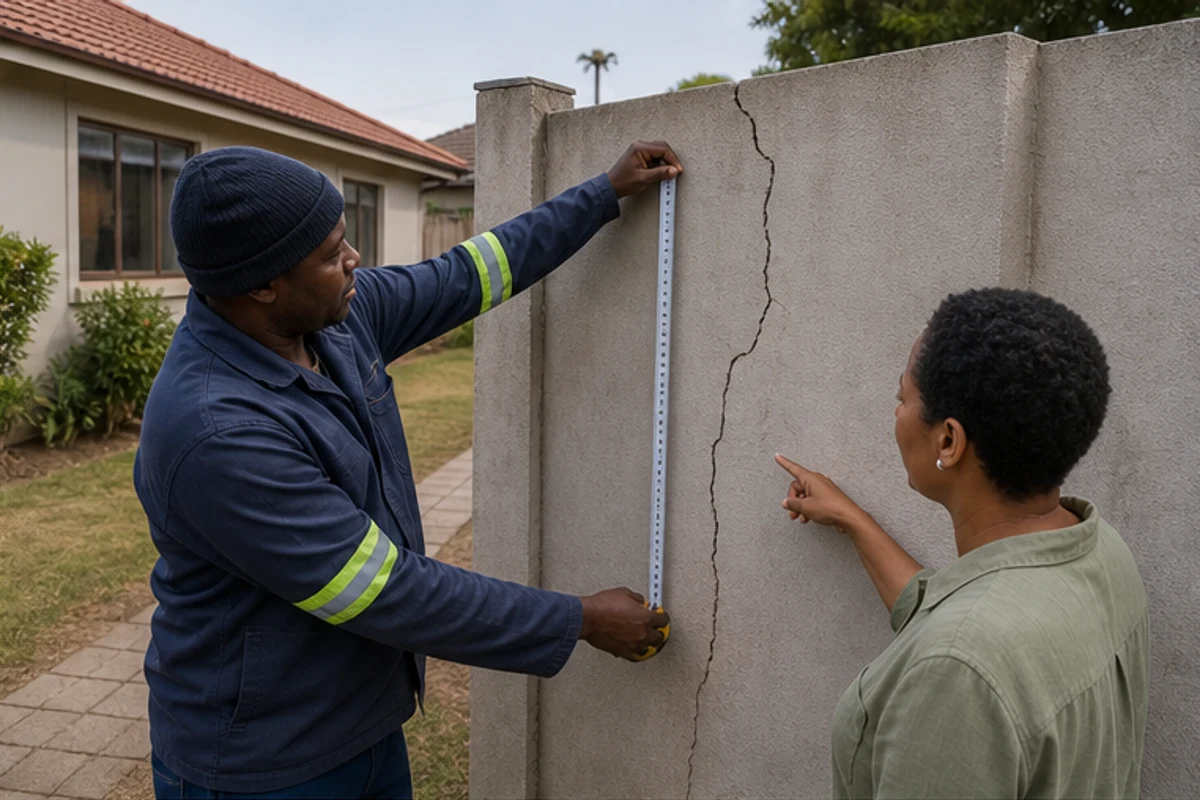
In Benoni, a clear quote protects your budget and your schedule.
A proper quote is a contract. It should state the company name, contact details and VAT number. It must show a fixed price only when you can be certain it will not change.
Ask whether the contractor has priced every element of the construction against our building costs in Benoni ranges. Check that labour and materials are listed and that allowances for site access, permits and finishes are included.
Compare the proposed timeframes. A shorter estimate may cut cost but extend the job if resources are thin. A longer timeline can increase on-site expense and disrupt your daily routine.
- See if the contractor has included all labour and materials in the price.
- Use questions to uncover exclusions and assumptions in the quote — our guide to what quotes include and exclude helps.
- A vague figure is an example of risk — it may hide later cost.
| Item | What to check | Why it matters | Red flag |
|---|---|---|---|
| Price breakdown | Labour, materials, allowances | Shows true cost and avoids surprises | Single lump sum with no detail |
| Company details | Name, address, contact, VAT | Confirms legitimacy and traceability | No contact or registration info |
| Timeframe | Start date, milestones, completion | Helps plan occupancy and budgeting | Unclear or open-ended schedule |
| Scope & exclusions | What is and isn’t included | Prevents disputes and extra cost | Missing exclusions or vague notes |
How Our Platform Simplifies Your Search in Benoni
A clear route to vetted local trades saves time and reduces guesswork.
Our quote request process
Our platform at buildingcontractorsinbenoni.co.za is designed to make finding local professionals straightforward — see how building quote matching works. You send a brief project outline and we match it to suitable contractors in Benoni.
You may request up to 3 building quotes, or up to 5 options where available. Each submission asks for the essentials: site access, materials, approvals and an approximate timeframe.
- Quick connection to builders near me in Benoni so you can start your construction job with confidence.
- Save time and reduce on-site visits by handling initial management through our portal.
- Receive clear, comparable responses that reflect local standards and labour costs.
buildingcontractorsinbenoni.co.za helps homeowners in Benoni pick a reliable professional the right way. Whether it is a small repair or a larger renovation, this approach gives you the confidence to proceed and keeps control of cost and time.
Assessing the Scope and Quality of Your Estimates
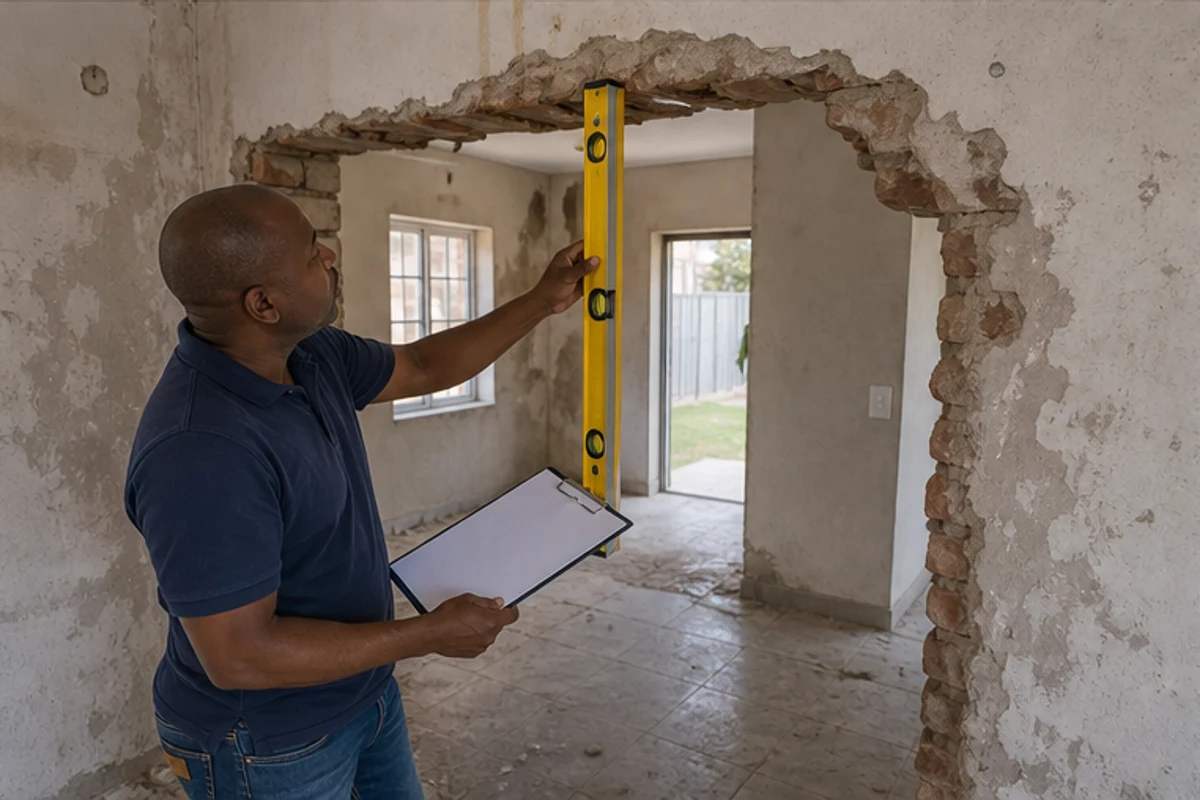
A clear template helps you spot missing items and compare real price differences between bids.
Start with scope. Define tasks, finishes and site access so every contractor quotes the same brief. Break the project into discrete elements such as foundations, frame, roofing and interior finishes.
Each estimate should list labour, materials and a realistic time to complete the job. Quantities and unit costs prevent surprises and let you total true costs before sign-off.
Use a simple checklist to confirm design inclusions, exclusions and contingency allowances. A well‑prepared estimate gives the client confidence that the contractor has planned resources and time.
- Ensure price lines show labour and materials separately.
- Ask for a timeline with key milestones and handover date.
- Compare examples of specific tasks to check like‑for‑like scope.
Final tip: Treat the estimate as a planning guide. Meticulous detail today reduces disputes and keeps the project on schedule and on price.
The Importance of Like-for-Like Discipline

A clear one-page brief stops guesswork and keeps bids directly comparable.
Why discipline matters. Maintain the same scope and terms across every submission. That makes it faster to spot a low or high outlier and to ask targeted questions.
Break the project into parts. List labour, materials, site access, waste removal and timing. This reduces hidden costs and adds clarity for the client.
Identifying outlier quotes
Use a simple checklist when you review figures. Look for missing lines, unusual allowances or absent guarantees. An outlier often signals a misunderstood scope or a shortcut on quality.
Creating one-page briefs
Keep the brief to a single page. Include a scope summary, key dates, material standards and your terms and conditions. Attach a short itemised list that each bidder must complete.
- Maintain like-for-like discipline so every quote is comparable.
- Request that builders itemise labour and materials line by line.
- Confirm how site waste will be cleared and who pays.
- Require written guarantees and clear terms to protect the client.
| Aspect | What to include | Why it matters | Red flag |
|---|---|---|---|
| Scope | Tasks, finishes, exclusions | Ensures apples-to-apples comparison | Vague or missing scope |
| Price lines | Labour, materials, allowances | Reveals hidden costs and true cost | Lump sum with no detail |
| Site terms | Access, waste removal, parking | Keeps schedule and safety clear | No site arrangements listed |
| Guarantees & terms | Defects period, warranties, payment terms | Protects both client and contractor | No written guarantees or T&Cs |
Respecting the Trade and Reducing Wasted Visits
A clear brief and easy access often wins the preferred start date with local builders.
Busy Benoni contractors commonly choose between similar jobs based on relationship and reliability. If you make site access straightforward and give precise details, you reduce unnecessary visits and speed up the process.
Provide a simple summary of the project, key dates and access notes. This helps the contractor prepare an accurate quote and a realistic timeline for the job.
Be ready on the agreed date, and ensure the site is safe and accessible. That saves time, and shows respect for the trade.
- Schedule visits at a single, agreed time to avoid repeats.
- List expected materials, labour needs and any constraints in writing.
- Confirm contact details and preferred start date so the client and contractor align.
- Keep communication prompt; a proactive relationship eases complications.
| Action | Why it matters | Result |
|---|---|---|
| Clear brief | Defines scope and limits guesswork | More accurate quote and timeline |
| Site readiness | Reduces wasted visits and delays | Better chance of preferred start date |
| Prompt replies | Builds trust with the contractor | Smoother job and fewer disputes |
Evaluating Contractor Trust and Professionalism
Trust matters more than price when you pick a contractor in Benoni.
Checking site access and materials
Visit the site with the bidder. Clear access, storage and waste plans cut delays and hidden costs.
Ask what materials they will use and where these will be stored on site. That shows whether the contractor has thought through logistics and costs.
Verifying labour and finishes
Confirm which trades will be on site and who manages them. Good builders supply CVs or brief bios of key staff.
Inspect a finished job if possible. References and a site visit to a project over a year old reveal lasting quality and experience.
Confirming approvals and assessments
Check NHBRC registration and membership of a recognised industry body. NHBRC enrolment is the key sign of standards for residential building work in South Africa.
Ensure the contract lists insurance: public liability, product liability and employer liability or contractors all risk. These items protect your home if things go wrong.
- Ask to see proof of membership and insurance certificates.
- Request at least one reference you can visit in person.
- Insist approvals and inspections are recorded in the contract.
| Check | What to ask | Why it matters |
|---|---|---|
| Membership | TrustMark, FMB or trade body | Shows standards and accountability |
| Insurance | Public, product, employer liability | Protects your home and reduces liability |
| References | Visit projects >12 months old | Confirms lasting quality and management |
Navigating the Hand-off and Final Selection
A confident hand-off starts with simple checks: funding ability, milestone payments and dated documents.
Begin with the final quote. Ask clear questions about the payment plan, the design revisions and who funds the initial materials. Confirm the contractor can finance the construction up-front and accepts staged payments.
Insist on a formal contract. We recommend a JCT contract to protect your finances and set clear terms. The document should show milestones, penalties and the agreed completion date.
- Review every document and check the details match the final quote.
- Ask remaining questions so you understand the process and payment schedule.
- Compare final quotes to select the builders who best respect your vision and quality standards.
Follow up in person or by phone to build rapport and resolve hesitations. Finally, ensure all documents and the contract are signed and dated before any work starts. That way both you and the builder begin with a clear record and shared expectations.
Securing Your Project with the Right Professional
Securing the right trade partner is the final step that makes plans become reality. Choose someone who matches your brief, holds valid approvals and explains the timetable clearly.
Use buildingcontractorsinbenoni.co.za to compare a single detailed quote and local credentials in one place. This reduces guesswork and helps you check materials, labour and approvals in writing.
Trust matters more than price. Pick a contractor who shows references, insurance and a practical schedule. That gives you confidence the work will run to plan and finish on time.
When you are ready, request your matched quotes via the platform and take the next step in your Benoni project today.
FAQ
How many quotes should I request in Benoni before committing to a contractor?
Aim for up to three quotes as a practical starting point, or up to five where available on the platform. Three gives a balanced view of price, scope and approach while keeping site visits and admin reasonable. If the project is complex—structural changes, multiple trades, or council submissions—asking for additional estimates can reveal design alternatives, better timelines or specialist skills.
Why is the three-quote convention common among homeowners?
Three estimates tend to expose a typical market range without overwhelming you. You get a low, a middle and a high option that show how different contractors plan the job, allocate labour, and price materials. That range helps you spot unusually low or high bids and decide whether value, experience or timing matter most for your project.
When should I seek more than three estimates?
You should request more quotes for large renovations, multi-trade projects, unfamiliar construction methods or when you want design variations. Also consider extra quotes if permits, structural engineers or specialised waterproofing are required. More options can improve negotiation and reveal better warranties or scheduling flexibility.
What should I compare between quotes to make a fair decision?
Compare scope, line-item labour and materials, provisional sums, exclusions, start and completion dates, payment schedule, warranty terms and whether the contractor will handle approvals. Confirm which trade contractors will be used and whether any subcontract work is included. Like-for-like comparisons reduce surprises during construction.
How does your platform simplify requesting quotes in Benoni?
The platform connects you with independent contractors who can visit the site and provide estimates. You can request up to three quotes, or up to five where available, enter project details, and list access notes and preferred materials. Contractors contact you to arrange site visits and submit their written estimates.
What information should I include in a one-page brief for contractors?
Include project address, brief scope (rooms, sizes, finishes), desired start date, budget range, site access details, power and water availability, and any approvals already in place. Attach simple sketches or photos. A concise brief reduces wasted visits and keeps responses comparable.
How do I identify outlier quotes that need closer inspection?
Look for unusually low totals, missing line items, vague timelines, or hefty provisional sums. High quotes may include premium materials or extended warranties. Ask contractors to justify major differences in writing and provide itemised breakdowns so you can confirm like-for-like assumptions.
How can I respect tradespeople’s time and reduce wasted visits?
Prepare a clear brief, have measurements or photos ready, arrange access and confirm availability in advance. Share any site constraints such as communal entrances or parking limits. A well-prepared homeowner speeds up site visits and helps contractors give realistic, accurate estimates.
What should I check to assess a contractor’s professionalism and trustworthiness?
Check registration with the National Home Builders Registration Council (NHBRC) if applicable, request references, review recent project photos, and ask about insurance, health and safety practices, and written warranty terms. Confirm whether they will obtain council approvals or need you to arrange them.
What site and materials details matter when evaluating estimates?
Note access for delivery, storage space, need for scaffolding, and whether services (water, power) are on-site. Confirm specified materials, finishes and brands, lead times and waste management. These factors affect labour, logistics and the final price.
How do I verify labour quality and finish expectations?
Ask for examples of completed work with similar finishes, contact referees, and request a schedule of workmanship standards. Include sample finishes or product codes in the brief so all contractors price the same items. Consider a staged payment linked to agreed inspections.
What approvals and assessments should be confirmed before work starts?
Confirm building plan approvals, structural engineer sign-offs, electrical and plumbing compliance, and any homeowners’ association rules. Clarify who is responsible for submitting plans and arranging inspections in the quote. Missing approvals can delay work and increase cost.
How should I handle the final selection after receiving quotes?
Compare like-for-like items, check references and insurance, and confirm start and completion dates. Ask shortlisted contractors to provide a written contract with payment milestones, scope, variations process and warranty. Use the contract to protect both parties and set clear expectations.
What practical steps secure the project once I’ve chosen a contractor?
Sign a detailed contract, pay only agreed deposits, confirm the schedule and site access, keep communication channels open, and document any changes with written variation orders. Retain final payment until snagging is complete and you have the agreed warranties and compliance certificates.
Related building cost guides
Ready to compare?