
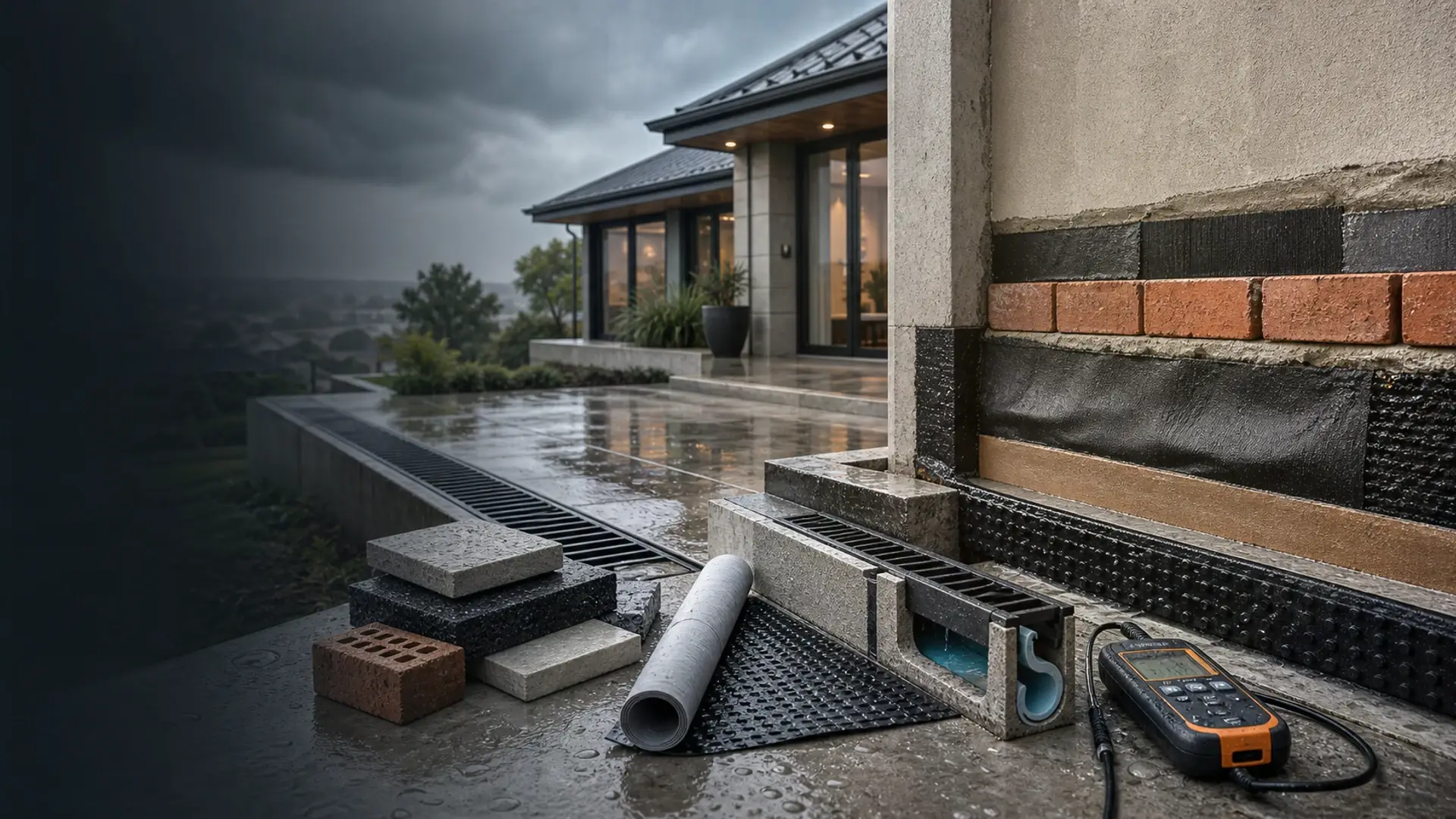
Flat Roof Problems and Fixes
Ponding, blistered membranes, parapet cracks and failed outlets – on IBR decks and concrete slabs
In short
Flat roof problems and fixes – ponding, blistered membranes, parapet cracks and failed outlets on IBR and concrete decks.
10 min read
On this page
Curious whether your Benoni home’s modern covering hides a costly issue? That question matters if you own property here.
At buildingcontractorsinbenoni.co.za we explain common flat roof problems and how to spot them early.
RICS guidance shows these coverings need more maintenance than pitched roofs. Regular inspections catch signs of water ingress, membrane wear, flashing failure and insulation concerns.
Whether you have IBR metal sheets or a concrete surface, correct drainage and debris control are vital to prevent leaks and long‑term damage.
Start with a professional assessment to learn if an issue is systemic or a local detail to fix. That helps you plan sensible repairs, choose suitable material and extend the life of your roof.
Understanding Common Flat Roof Problems in Benoni
Benoni homeowners regularly spot drainage faults that lead to long‑term decay. Pooling water is a primary cause of mould growth that damp proofing contractors treat, especially after heavy summer storms.
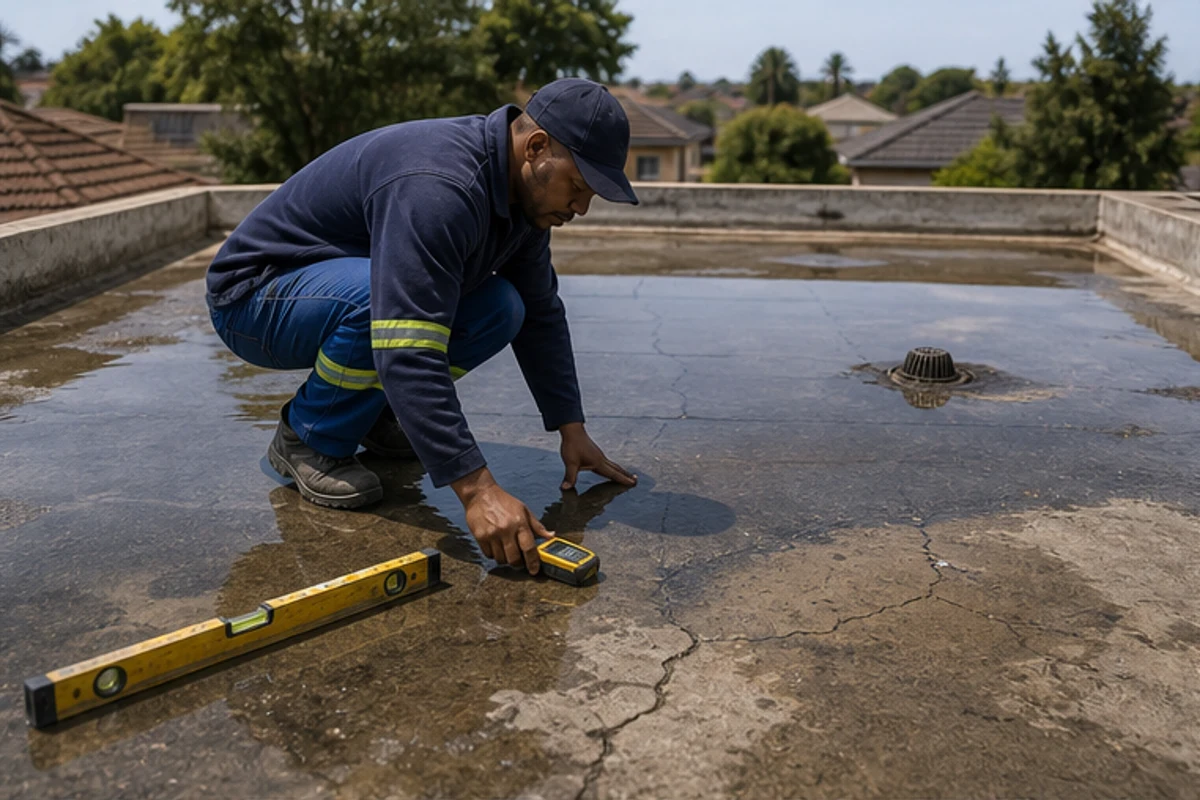
Blocked drains often follow debris build‑up. Leaves and grit collect in outlets and create stagnant water that accelerates wear. If plumbing falls short, ponding becomes persistent.
Flashing failure is another frequent issue in older homes. Loose or torn flashing lets moisture penetrate the structure — our guide on how to find a roof leak helps. Regular inspections catch loose seals and small cracks before they worsen.
- Check drains after storms and clear debris promptly.
- Hire qualified contractors to avoid poor installation work.
- Schedule periodic inspections to monitor condition and stop minor leaks.
| Issue | Typical Cause | Simple Action | When to Call a Pro |
|---|---|---|---|
| Ponding water | Poor drainage design or blocked outlets | Clear drains; check fall | Persistent pooling after repair |
| Mould and growth | Stagnant water and moisture | Remove mould; improve drainage | Widespread staining or rot |
| Flashing failure | Age, movement, poor sealing | Reseal or replace flashings | Leaks at junctions or eaves |
Distinguishing Between IBR and Concrete Slab Issues
Distinguishing material faults helps you choose the right repair approach for your Benoni property.
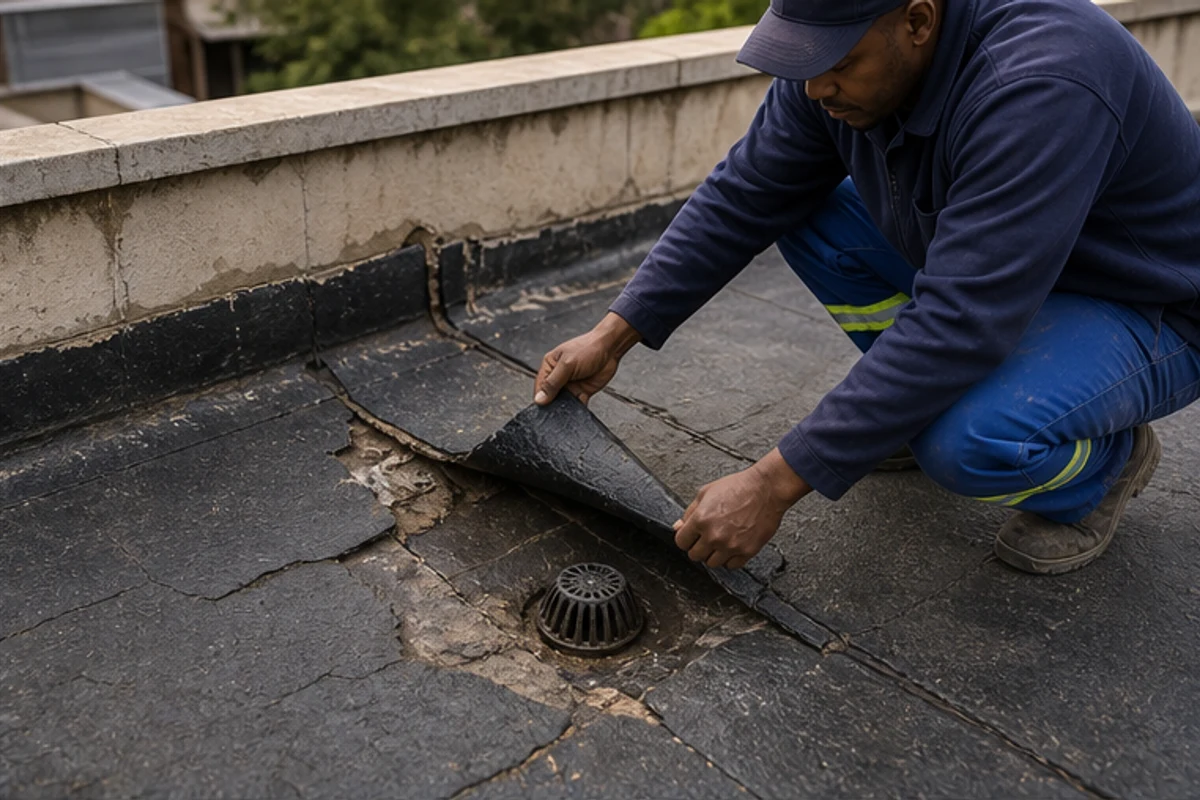
IBR metal roofing challenges
Metal sheets often show telltale signs at seams and fixings. Loose fasteners and worn sealant let water enter under the overlaps. Tightening clips, replacing corroded screws and recoating seams usually stops small leaks — check typical waterproofing prices first.
Concrete slab structural movement
Concrete decks expand and contract with heat. Over time that movement causes cracks and stresses the membrane, so a fresh torch-on waterproofing layer is often needed. Cracks let moisture reach layers below and can produce ponding on the surface.
Proper insulation reduces temperature swings and limits movement. Tapered insulation also improves drainage where ponding appears.
- Check fasteners and seam seals on metal sheets.
- Inspect concrete for hairline cracks and membrane strain.
- Confirm whether the fault is a system failure or a single detail before scheduling repairs.
| Type | Typical sign | Common solution |
|---|---|---|
| IBR / metal | Loose fixings, leaking seams | Tighten fixings, reseal seams |
| Concrete slab | Cracks, membrane stress | Crack repair, add insulation/taper |
Essential Maintenance Routines for Membrane Longevity
Regular upkeep keeps a membrane performing well through Benoni’s hot summers and sudden storms. A clear schedule reduces water entry, extends service life and limits costly repairs.
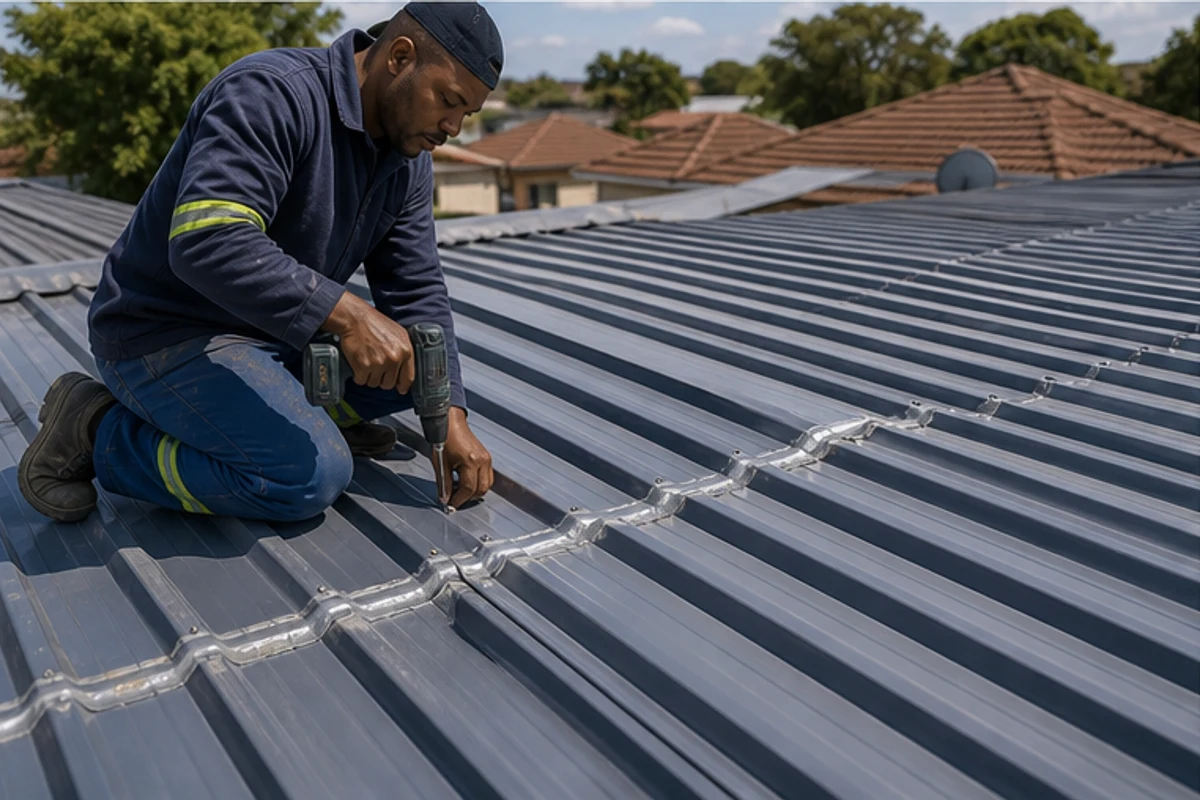
Seasonal inspection protocols
Seasonal Inspection Protocols
Carry out professional inspections twice a year: spring and autumn. Look for blocked drains, torn seams and early cracks in the surface.
Clear leaves and dirt from gutters and outlets. Remove grit and debris that cause ponding and accelerate wear.
- Check flashing and seam bonds for loose or brittle sealant.
- Inspect for movement at junctions where metal meets concrete or insulation.
- Document each inspection, noting condition, materials and any small repairs done.
Consider protective options such as solar reflective paint or loose gravel on asphalt membranes. These reduce UV damage and thermal movement.
“A short checklist each season prevents most common flat issues from getting worse.”
| Task | Why | Frequency |
|---|---|---|
| Clear drains & gutters | Stops pooling water | Biannual + after storms |
| Check seams & flashing | Prevents leaks | Biannual |
| Apply protective coating | Protects membrane surface | Every 5–10 years |
Addressing Leaks and Waterproofing Requirements
When water appears inside a property, accurate tracing beats guesswork every time. Start with a simple visual check, then call a specialist for diagnostic tests if the source is unclear.
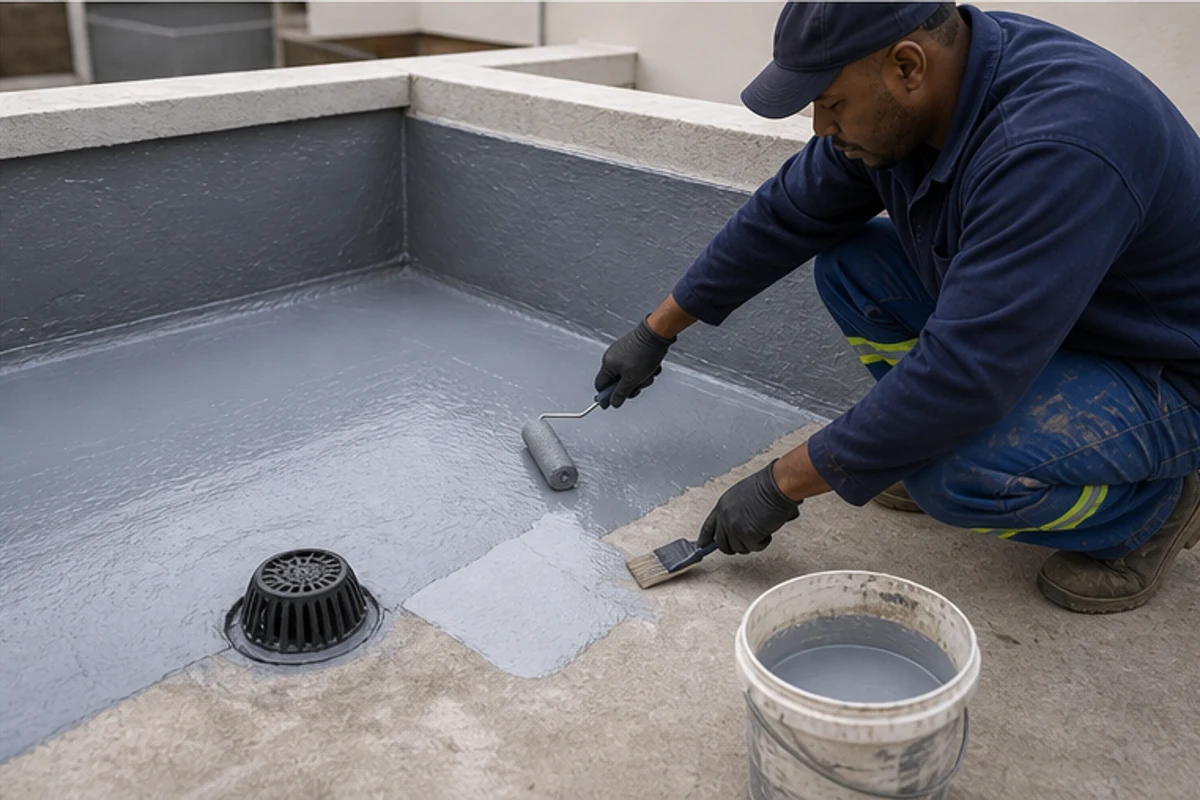
Identifying Torch-on Membrane Faults
Torch-on systems show signs such as blistering, open seams or torn surfacing. Repairs usually use heat-welded patches to restore a continuous, watertight finish.
Early detection saves clients money and avoids a full replacement. Ask contractors about patch technique, material grade and warranty.
Professional Leak Tracing Techniques
Experts use moisture mapping and controlled flood testing to pinpoint hidden entry points. These methods reduce unnecessary removal of layers and speed up repair decisions.
Town and Country Roof Restoration specialises in diagnosing complex membrane failures and advising on suitable repair steps.
Waterproofing Price Guide Factors
Quotes vary with scope, material quality and site access. Expect higher costs where insulation removal, scaffolding or difficult drains add labour.
- Material grade and membrane type
- Extent of damage and layers affected
- Access, drainage and safety requirements
| Factor | Impact on Cost | What to confirm |
|---|---|---|
| Material quality | Medium–High | Brand, life expectancy |
| Scope of work | Low–High | Patch, partial or full replacement |
| Site access | Low–Medium | Scaffold, parking, permits |
Property Considerations for Local Additions and Balconies
When planning a balcony or extension in Benoni, ensure the design includes correct falls so water drains clear of the building. Proper falls reduce ponding and cut the risk of moisture reaching the structure.
Structural checks are essential before any installation. Confirm load capacity, junction details and waterproofing strategy with a qualified structural or roofing contractor.
Choose durable materials that tolerate weather and foot traffic. Metal flashings, high‑grade membrane and asphalt or tiled surfacing are common choices that perform well when installed correctly.
- Specify adequate drainage and outlet placement during the design stage.
- Insist on proper flashing at the wall‑to‑balcony junction to prevent leaks and moisture ingress.
- Plan the surface for regular use — durable finishes reduce wear and future repair.
Modernist homes in certain areas often have extensive terraces and roofs often double as usable spaces. These designs need scheduled inspections to catch cracks, membrane wear or drainage blockages early.
| Consideration | Why it matters | What to confirm in writing |
|---|---|---|
| Falls & drainage | Prevents standing water | Slope details and outlet locations |
| Flashing & membrane | Stops water ingress at junctions | Material spec and warranty |
| Structural capacity | Supports loads and use | Engineer sign‑off and inspection schedule |
Key takeaway: focus on drainage, correct detailing and regular inspections to keep new balconies and extensions performing for years.
Connecting with Trusted Professionals for Your Project
Arrange site visits with trusted Benoni contractors to confirm scope and obtain accurate quotes. Use buildingcontractorsinbenoni.co.za to request up to three quotes, or up to five where available, so you can compare pricing and service.
Independent contractors carry out inspections, finalise quotes, and manage timelines, warranties and on‑site work. The platform does not perform construction or employ builders.
Before any work starts, confirm the scope, materials and labour in writing. Ask about experience with metal and membrane work, drains, debris clearance and ongoing maintenance to protect the life of your roof.
Request a quote today to get vetted local solutions and clear next steps for repair or maintenance.
FAQ
What are the most common issues on Benoni IBR and concrete roofs?
The typical concerns are water ponding, blocked drainage, damaged flashing, membrane splits and corrosion on IBR metal sheets. On concrete slabs expect cracks from structural movement, delamination of waterproof layers and failure of torch-on or liquid-applied membranes. Regular checks reduce risk of leaks and long‑term decay.
How can I tell if an IBR metal covering is causing leaks?
Look for rusted or loose screws, lifted side and end laps, and failing sealant at fasteners and flashings. Internal signs include water trails near walls or staining beneath sheets. A qualified contractor can inspect lap overlaps and fix fasteners, replacingscrews and seal flashing where required.
What indicates movement or structural issues in a concrete slab?
Vertical or stair-stepped cracks, hairline splits near penetrations, and recurring leaks after repairs often point to movement. Uneven surfaces and newly separated membranes suggest substrate rotation. An inspection should confirm whether repair, local crack stitching or a new waterproofing overlay is needed.
How often should I schedule maintenance and inspections?
Carry out basic checks every six months and following heavy storms. Seasonal inspections before the rainy and winter seasons help spot debris buildup, blocked gutters and early membrane wear. More frequent checks are advisable for older installations or properties with heavy tree cover.
What does a seasonal inspection protocol include?
Clear leaves and debris from drains, gutters and outlets; check flashings, upstands and penetrations; inspect membrane seams for blisters, splits or punctures; and test drainage to avoid ponding. Note any sagging areas or persistent damp patches for professional follow-up.
How do you identify defects in torch‑on membranes?
Common signs are bubbling, blistering, patchy adhesion, exposed underlay and burnt or scorched areas where torching was poorly applied. Edges lifting at upstands and visible granule loss also indicate problems. A specialist will use probe testing and heat checks to confirm faults.
What methods do professionals use to trace active leaks?
Contractors use water testing, thermal imaging, moisture meters and controlled hose tests to pinpoint leak sources. They inspect joints, penetrations and internal ceilings, then isolate the area for targeted repairs rather than blanket replacement, which saves time and cost.
What factors influence waterproofing costs in Benoni?
Price depends on surface area, access difficulty, type of substrate (IBR metal or concrete), condition of existing membrane, materials chosen (torch‑on, liquid membrane, EPDM) and labour rates. Permit requirements, insulation removal and structural repairs add to costs. Always get up to three local quotes for comparison.
Can I add a balcony or rooftop garden to my property safely?
You must assess load capacity, drainage, insulation and proper waterproofing. Balustrade and parapet details need correct flashings and movement joints. A structural engineer and waterproofing specialist should confirm feasibility and specify a build‑up that protects the substrate.
What should I confirm in writing before hiring a contractor?
Ask for a written scope, itemised quote, materials brand, warranty terms, lead time, and who handles permits. Confirm access arrangements, site protection, and final inspection milestones. Independent contractors handle workmanship and warranties; the platform only helps you find them.
How do I choose between repair and full replacement?
Choose repair for isolated damage, sound substrate and remaining membrane life. Replace when there are widespread splits, repeated leaks, extensive corrosion on metal sheets or multiple failed layers on concrete. A competent roofer will provide a condition report and recommend the most cost‑effective route.
Which maintenance tasks can I do myself and which need a pro?
Homeowners can clear debris, check gutters and test drainage. Leave sealing laps, torch‑on repairs, structural crack repair and full waterproofing replacements to professionals. DIY fixes can mask faults and void material warranties if done incorrectly.
How long do common materials last in local weather?
Lifespan varies: IBR metal may last 15–25 years with good maintenance; torch‑on membranes 10–20 years depending on quality and UV exposure; liquid membranes and EPDM can last 15–30 years. Regular upkeep and prompt repairs extend service life.
What local suburbs near Benoni should I consider when requesting quotes?
Consider contractors serving Benoni, Brakpan, Boksburg, Alberton and surrounding East Rand suburbs. Choosing local firms reduces travel costs, improves response times and ensures knowledge of municipal drainage and building approval practices.
Ready to compare?